Be Smart

The Tesla Coil: History, Principles, and Modern Applications
History Tesla&Co Be Smart

The Tesla Coil: History, Principles, and Modern Applications

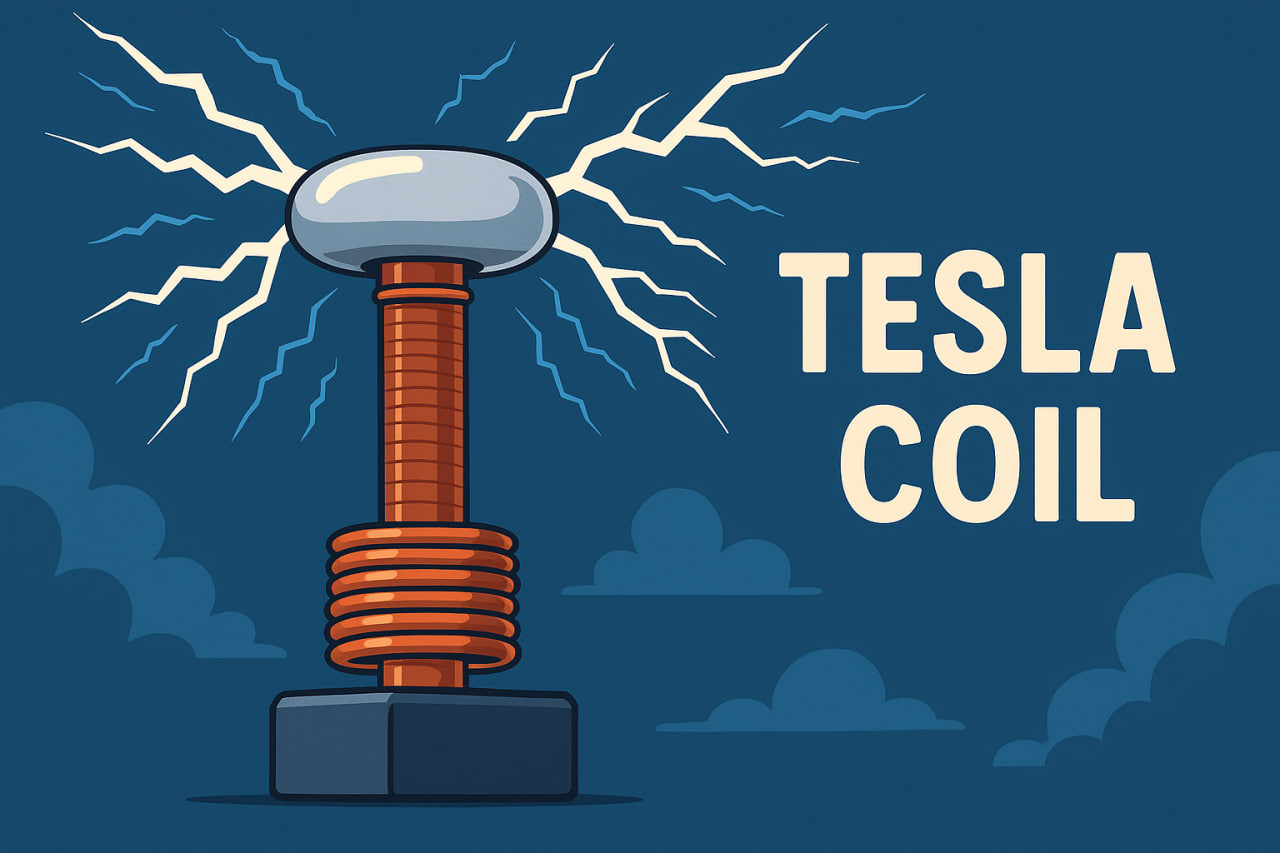
The Tesla Coil is one of the most iconic inventions in the history of electrical engineering, developed by Nikola Tesla in the 1890s as part of his pioneering research into high-frequency and wireless power transmission. This remarkable device produces extremely high voltages, creates spectacular electrical discharges, and demonstrates principles of resonance that were revolutionary for its time. Tesla originally designed the coil as a tool for transmitting electricity wirelessly across long distances, a concept he hoped would one day power homes and industries without traditional wires. Although this grand vision was never fully realized, the Tesla Coil became an essential experimental instrument that advanced the understanding of electromagnetism, radio-frequency engineering, and resonant circuits. Experts emphasize that despite being more than a century old, the Tesla Coil remains an extraordinary example of engineering creativity and scientific intuition.

Nikola Tesla and Atmospheric Electricity Collectors
History Smart Technology Science

Nikola Tesla and Atmospheric Electricity Collectors

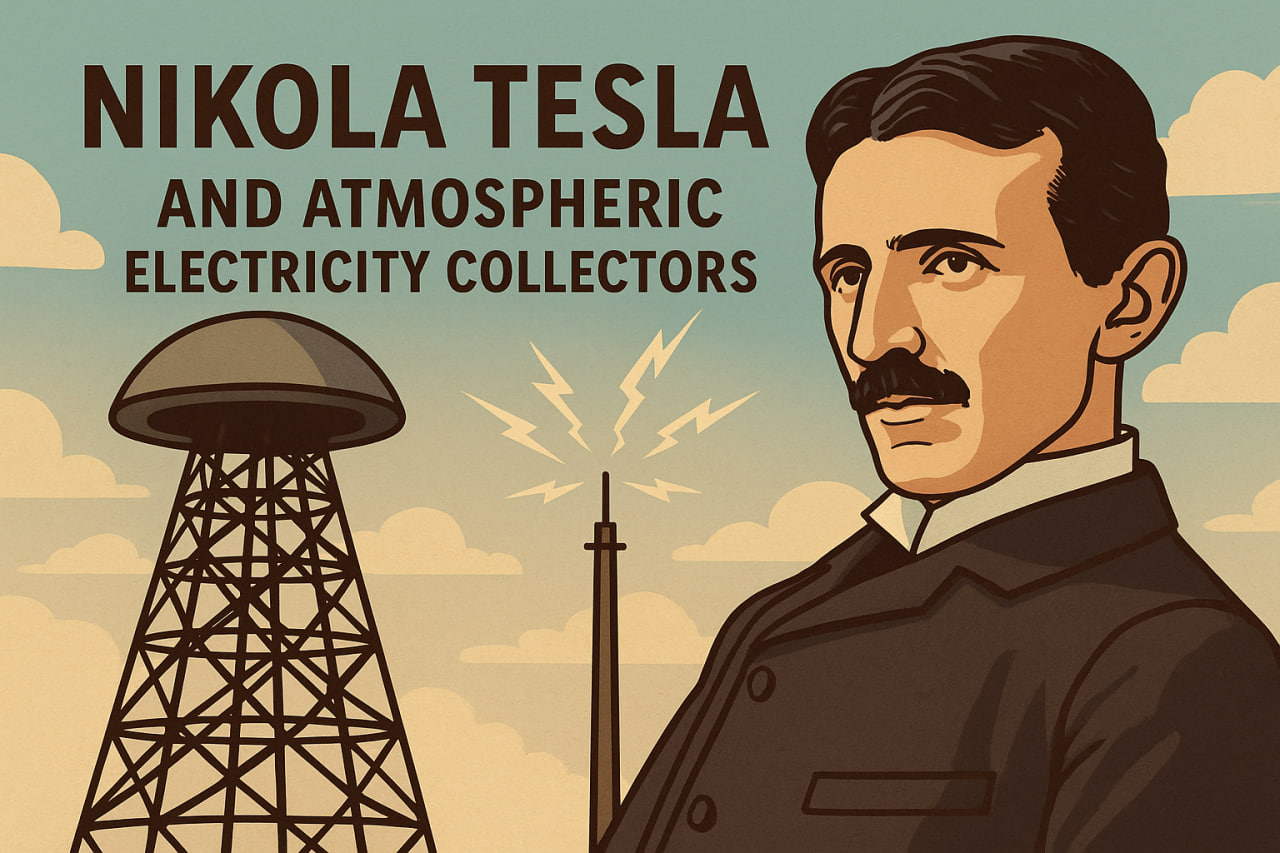
Nikola Tesla’s experiments with atmospheric electricity collectors remain one of the most intriguing chapters in the history of electrical engineering. Tesla believed that Earth’s atmosphere contained vast stores of electrical energy that could be captured and transmitted without traditional fuel sources. Throughout the late 19th and early 20th centuries, he conducted numerous experiments involving high-frequency currents, elevated conductive plates, and resonant transformers designed to tap into natural electrical potentials. Although many of Tesla’s patents and laboratory notes describe his concepts in detail, the full technical feasibility of his atmospheric collectors remains a subject of debate among historians and engineers. Even so, his pioneering research laid foundational ideas for modern wireless energy transfer and environmental energy harvesting. Tesla’s atmospheric electricity concepts continue to inspire scientists, inventors, and enthusiasts exploring alternative methods of clean power generation today.

Mirrors: From Ancient Times to the Modern World
History Science Be Smart

Mirrors: From Ancient Times to the Modern World

Mirrors have played a fascinating role in human civilization, evolving from polished stones and metals into the precision-crafted glass surfaces we use today. In ancient cultures, mirrors were not only practical tools but also symbolic objects associated with beauty, truth, and even the supernatural. Over centuries, as technologies advanced, societies learned to create clearer and more durable reflective surfaces, transforming mirrors into essential items found in homes, architecture, science, and art. Today, mirrors are manufactured using highly refined techniques that ensure perfect reflection and optical accuracy. Experts note that mirrors reflect not only technological progress but also cultural changes in how humanity perceives identity, appearance, and self-awareness. Understanding their history reveals how a simple reflective surface can influence entire eras of human thought and design.

How Fast Is Artificial Intelligence Developing?
AI & Ethics AI Be Smart

How Fast Is Artificial Intelligence Developing?

Artificial intelligence is advancing at a pace that few technologies in history have matched, reshaping industries, economies, and everyday life. Over just the past decade, AI systems have evolved from performing narrow, rule-based tasks to generating human-level text, analyzing complex data, and creating lifelike images and videos. This rapid development is driven by exponential growth in computational power, massive datasets, and breakthroughs in model architectures. Researchers emphasize that the scale of AI models doubles every few months, meaning their capabilities expand far faster than traditional software systems. At the same time, organizations worldwide are heavily investing in AI research, accelerating the speed at which new innovations reach the public. Experts note that while AI is progressing extremely fast, responsible governance remains essential to ensure safe and beneficial deployment.

Optical Tensor Computing: The Future of High-Speed Information Processing
Hi-Tech Science New Discoveries

Optical Tensor Computing: The Future of High-Speed Information Processing

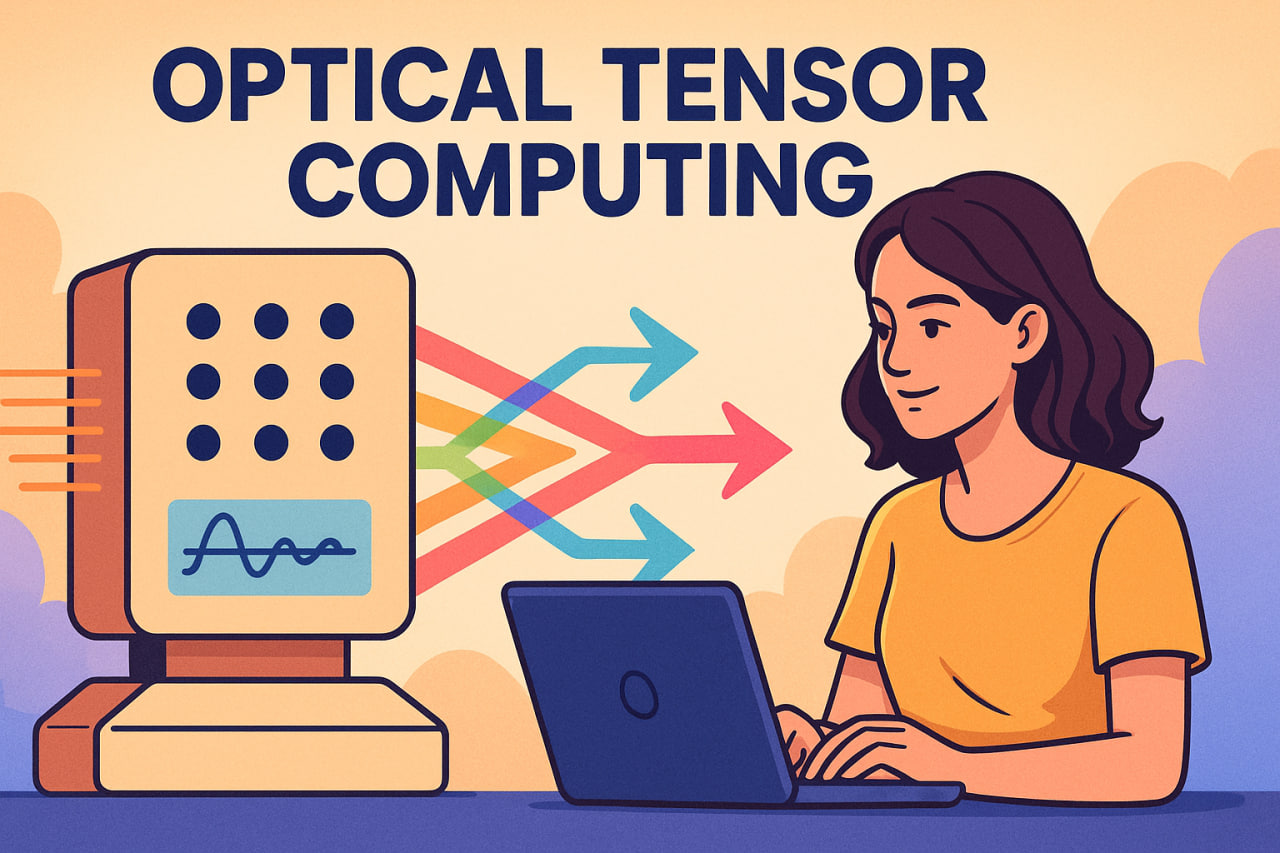
Optical tensor computing represents a breakthrough approach to performing complex mathematical operations using light instead of traditional electronic circuits. This technology relies on photonic components to process multidimensional data structures—known as tensors—at unprecedented speeds and with significantly lower energy consumption. Because photons travel faster and generate far less heat than electrons, optical systems can execute massive parallel computations more efficiently, making them especially valuable for fields such as artificial intelligence, scientific simulations, and large-scale data analytics. Many researchers believe that optical tensor processors will eventually complement or even surpass conventional semiconductor-based accelerators in certain applications. At the same time, experts caution that while optical systems offer impressive speed advantages, they must be carefully engineered to integrate reliably with existing computing infrastructure. As development continues, optical tensor computing stands out as one of the most promising directions in next-generation computational technology.

AI in Construction
Hi-Tech Science AI

AI in Construction

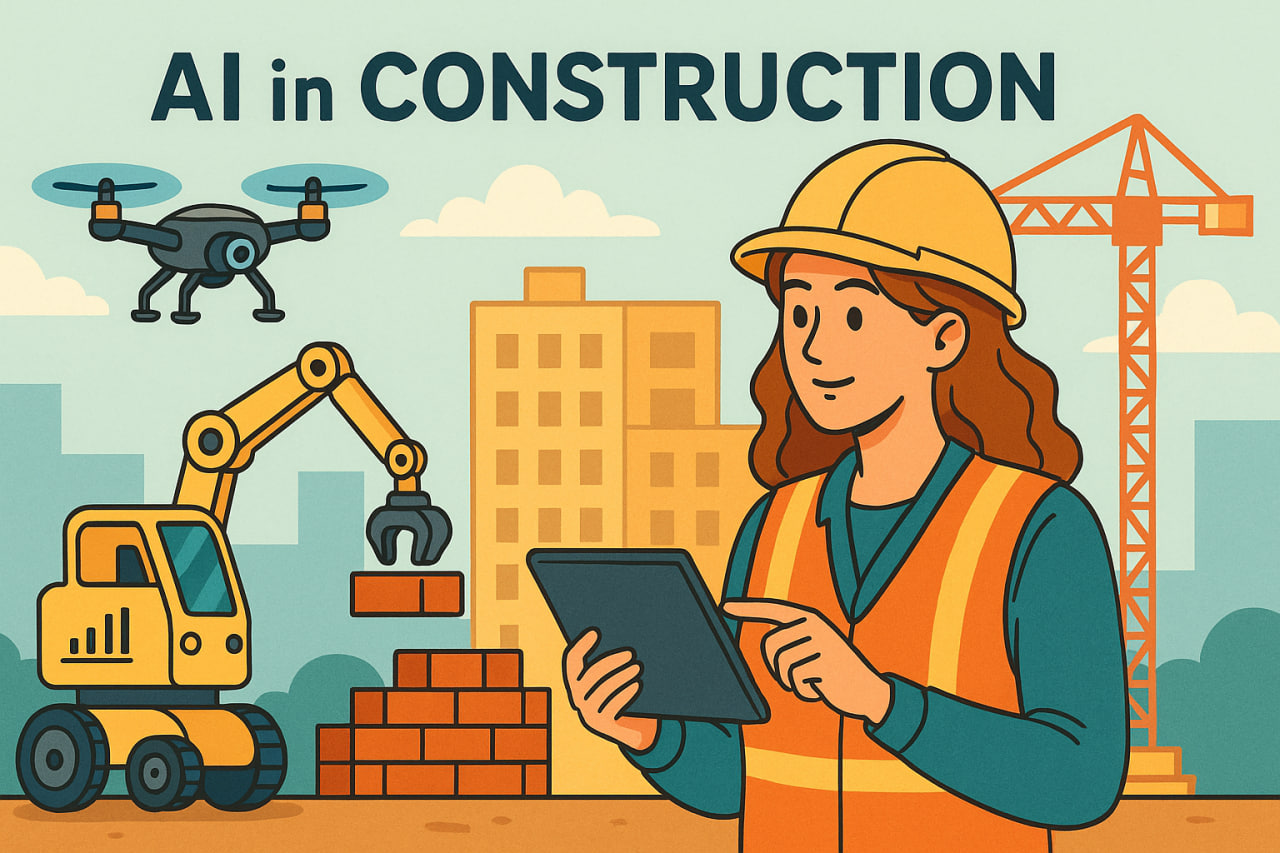
Artificial intelligence is rapidly transforming the construction industry, offering new possibilities for improving efficiency, safety, and project management. Modern construction projects generate massive amounts of data, from material estimates to structural measurements, and AI provides the tools needed to analyze this information quickly and accurately. The implementation of AI also helps reduce human error by automating repetitive tasks and providing predictive insights that guide decision-making. As a result, construction companies are increasingly adopting AI-driven systems to streamline operations and optimize resources. At the same time, experts emphasize that AI is not a replacement for skilled professionals but rather a tool that enhances their abilities. The careful integration of AI ensures that construction remains innovative, reliable, and aligned with global technological standards.

How Internal Combustion Engines Work
Hi-Tech Science Be Smart

How Internal Combustion Engines Work

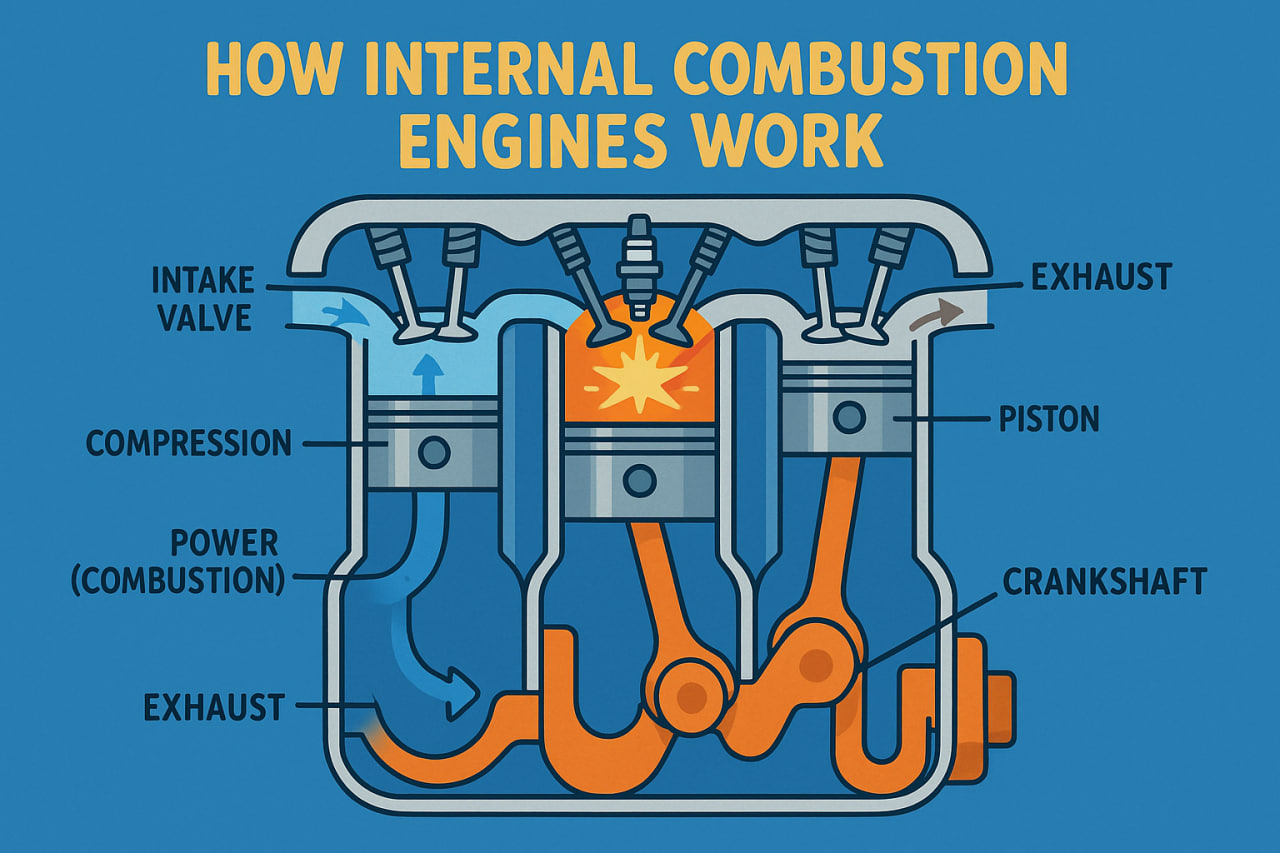
Every time you start your car or ride a motorcycle, a complex series of explosions happens beneath the hood — safely and efficiently. This is the work of the internal combustion engine (ICE), one of the most important inventions in human history. Despite growing electric alternatives, internal combustion engines still power most vehicles around the world today.

What Forces Do Pilots and Astronauts Experience?
Space Stories Science Be Smart

What Forces Do Pilots and Astronauts Experience?

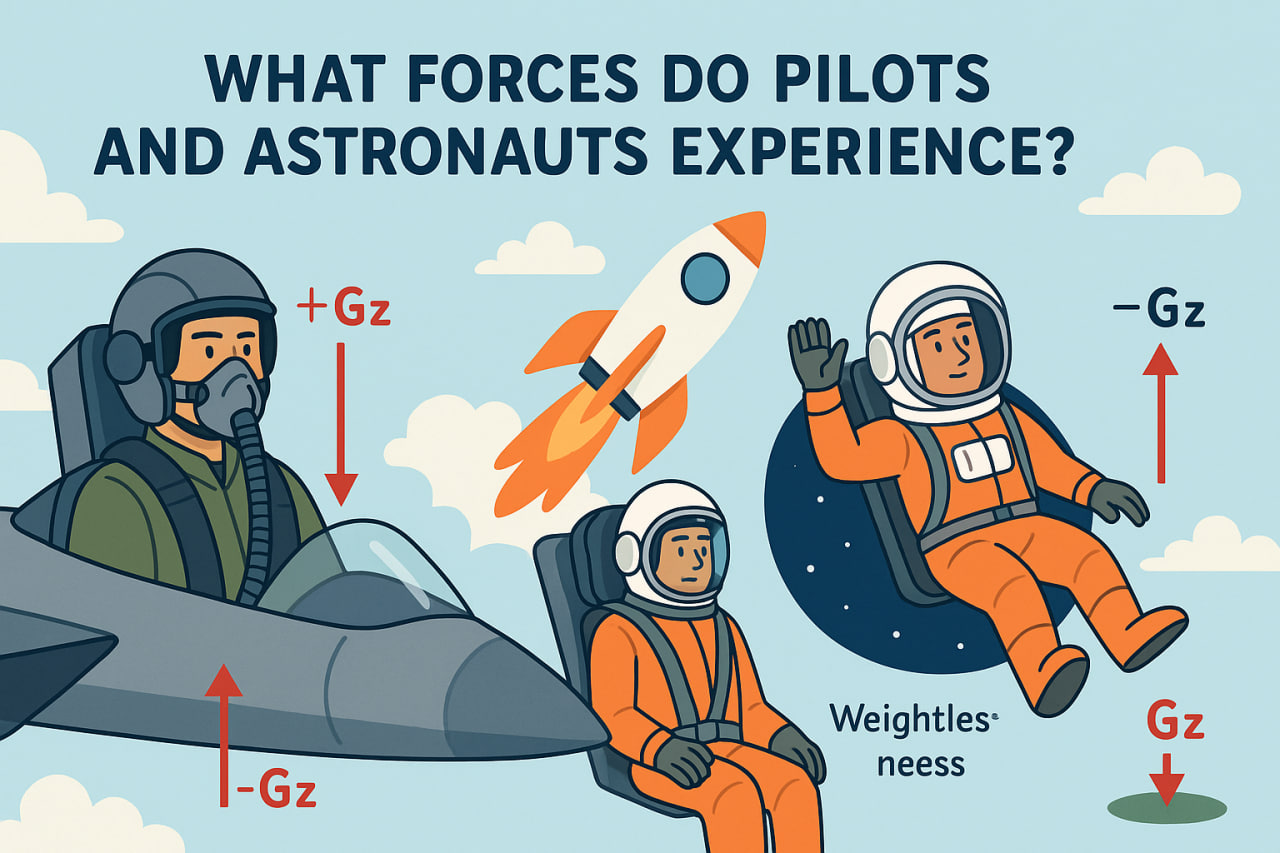
When airplanes soar through the sky or rockets launch into space, the people inside are subjected to incredible forces known as G-forces (gravitational loads). These forces push, pull, and compress the body in ways most of us can only imagine. For pilots and astronauts, managing these extreme conditions is not just about comfort — it’s about survival.

Plastic: A Modern Convenience with Lasting Consequences
Science New Discoveries Be Smart

Plastic: A Modern Convenience with Lasting Consequences

Plastic is one of humanity’s most revolutionary inventions — a lightweight, versatile, and inexpensive material that has changed nearly every aspect of modern life. From packaging and electronics to medicine and construction, it’s hard to imagine the world without it. Yet, the same properties that make plastic so useful also make it one of the most persistent pollutants on Earth.