Cosmic Innovations

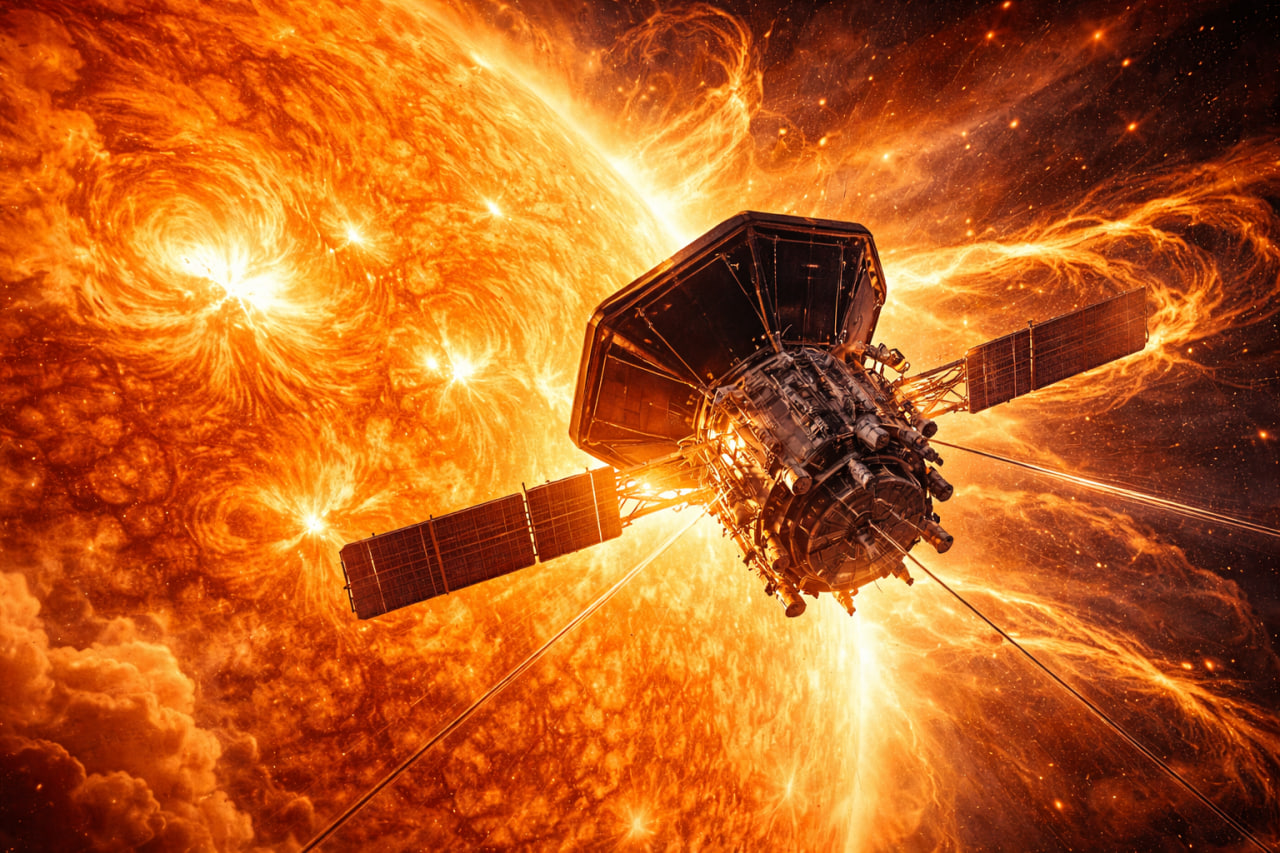
Probe to the Sun: How Parker Solar Probe “Touched” a Star
Space Stories Cosmic Innovations Solar System

Probe to the Sun: How Parker Solar Probe “Touched” a Star

For the first time in history, humanity has sent a spacecraft into the outer atmosphere of the Sun. NASA’s Parker Solar Probe achieved what was once considered impossible—flying directly through the Sun’s corona, the extremely hot and dynamic outer layer of our star. This milestone is often described as the moment when a spacecraft “touched the Sun,” marking a breakthrough in space exploration and solar science. The mission is designed to answer fundamental questions about how the Sun works, including why its outer atmosphere is much hotter than its surface and how solar winds are generated. By traveling closer to the Sun than any previous spacecraft, Parker Solar Probe provides data that could transform our understanding of stellar physics and space weather.
Telescopes of the Future: Extremely Large Telescopes and Lunar Observatories
Cosmic Innovations Hi-Tech Smart Technology

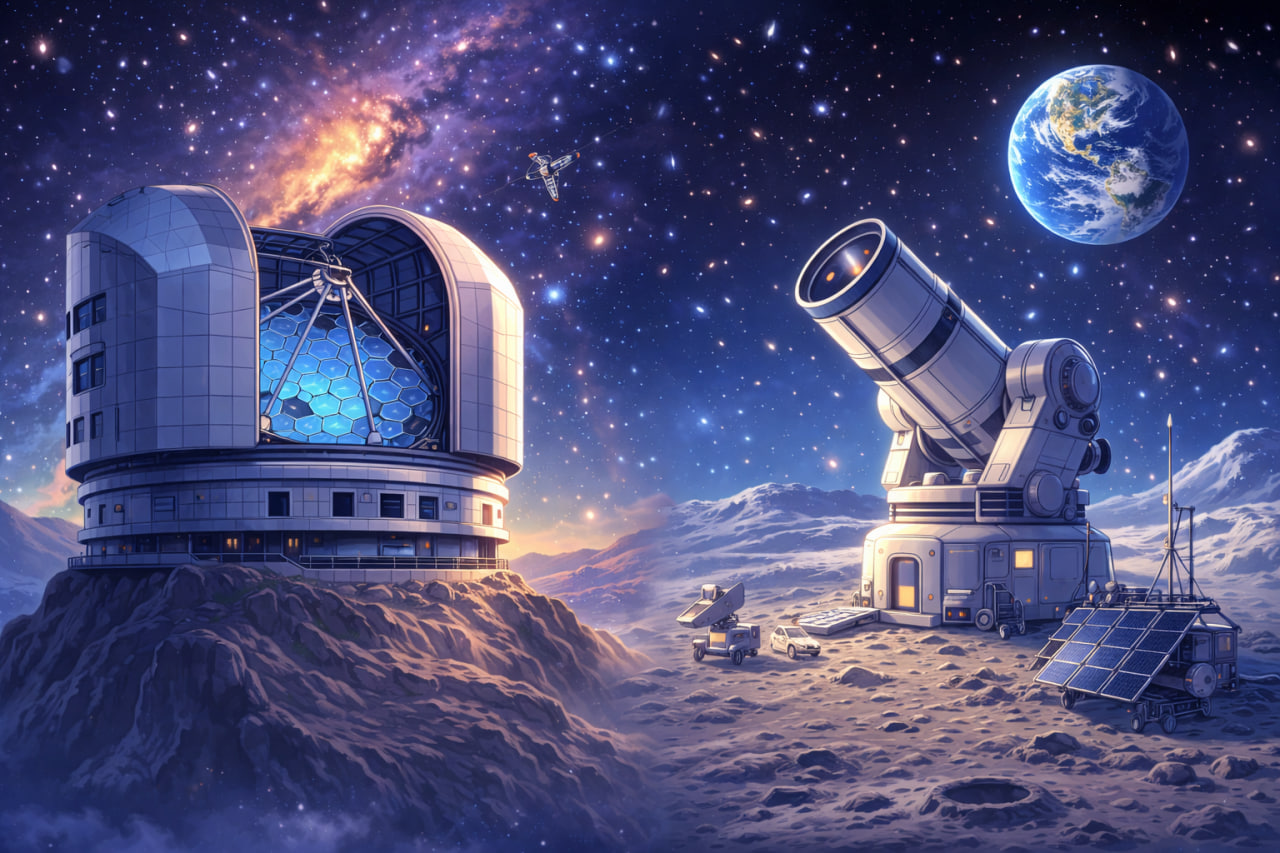
Telescopes of the Future: Extremely Large Telescopes and Lunar Observatories

Humanity has always sought to explore the universe, and telescopes have been the primary tools enabling us to look deeper into space. Today, a new generation of instruments is being developed that promises to revolutionize our understanding of the cosmos. Among them are Extremely Large Telescopes (ELTs) on Earth and the concept of observatories on the Moon, both designed to overcome the limitations of current technology. These advanced systems aim to capture more light, produce sharper images, and observe distant objects that were previously beyond reach. As astronomy enters a new era, these innovations may help answer some of the biggest questions about the origin of the universe, dark matter, and the possibility of life beyond Earth. Understanding how these technologies work reveals why they are considered the future of astronomical discovery.

Nuclear Rocket Engines: Could We Reach Mars in Just One Month?
Cosmic Innovations Hi-Tech Science

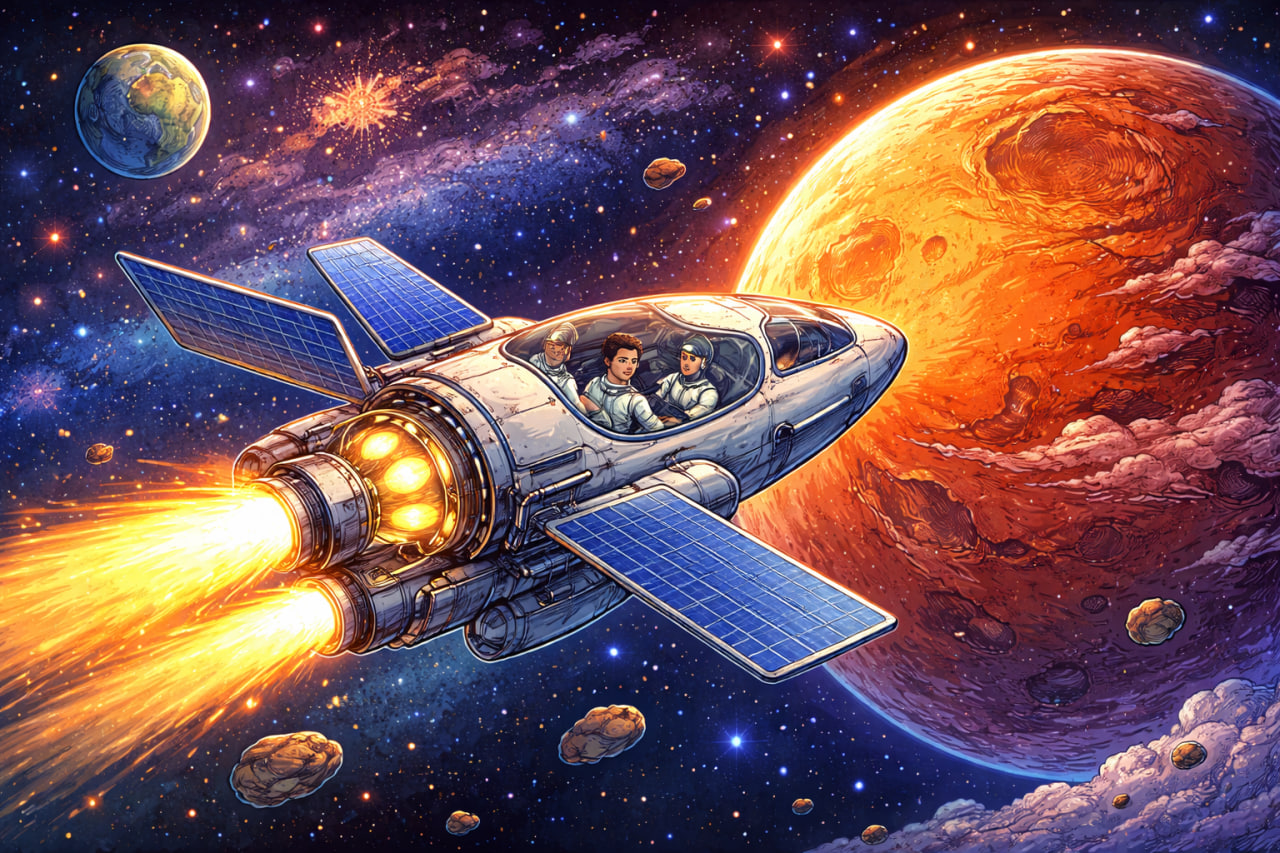
Nuclear Rocket Engines: Could We Reach Mars in Just One Month?

The idea of reaching Mars in just a few weeks sounds like science fiction—but with nuclear rocket engines, it may become a real possibility. Traditional chemical rockets, while powerful, are limited in efficiency and speed. Nuclear propulsion offers a fundamentally different approach, potentially allowing spacecraft to travel faster, farther, and more efficiently than ever before. Scientists and engineers are actively exploring these technologies as a key step toward human missions to Mars and deep space exploration.

Space Mining: Extracting Resources Beyond Earth
Space Stories Cosmic Innovations Hi-Tech

Space Mining: Extracting Resources Beyond Earth

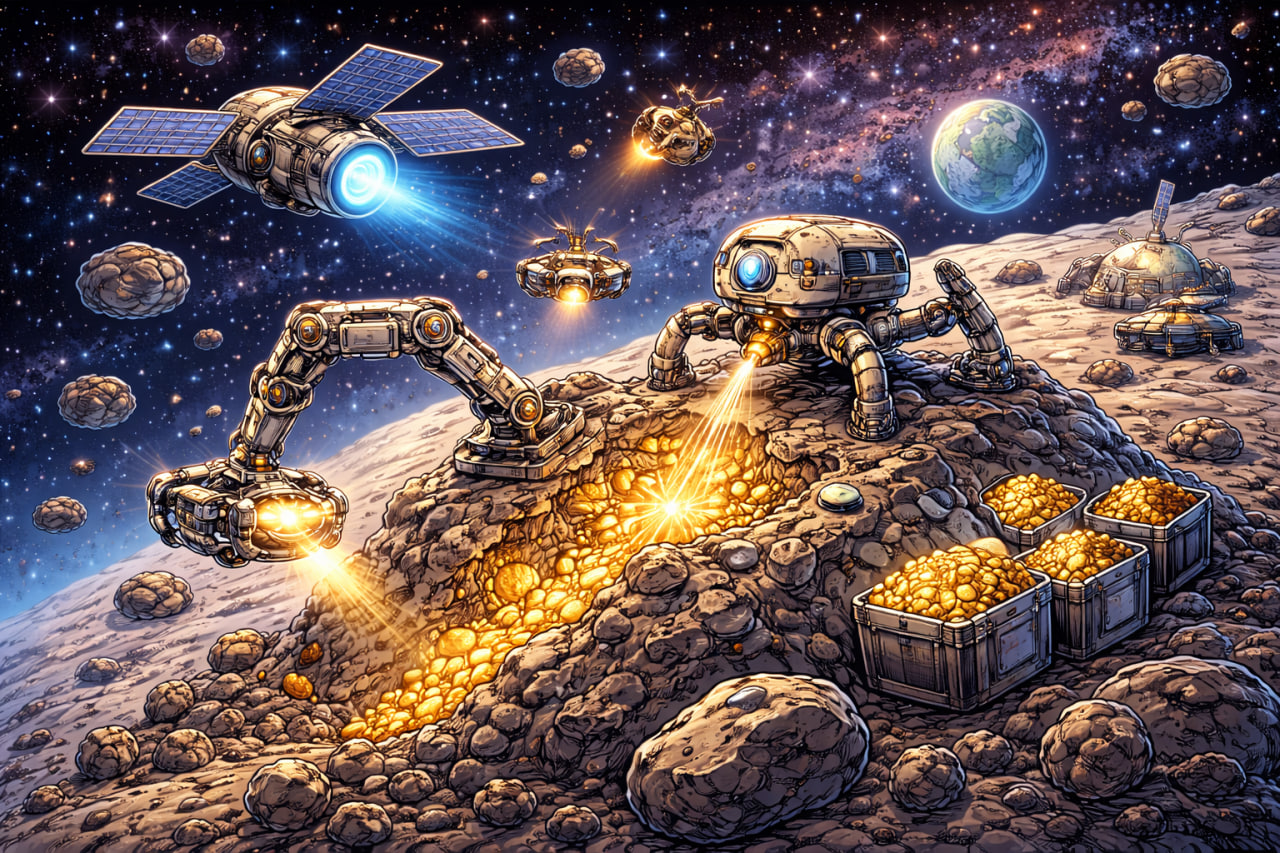
Space mining is the concept of extracting valuable resources from celestial bodies such as asteroids, the Moon, and other planets. Once considered science fiction, it is now becoming a serious field of research as humanity looks for new sources of materials beyond Earth. With increasing demand for metals and energy, space offers vast untapped potential that could reshape the future of industry and exploration.

The History of Astronautics: From Dreams to Deep Space
Cosmic Innovations History Science

The History of Astronautics: From Dreams to Deep Space

Today was the International Day of Human Space Flight—a reminder of one of humanity’s greatest achievements: breaking free from Earth and exploring the cosmos. What began as dreams and theories has evolved into a global effort involving science, engineering, and international cooperation. The history of astronautics is a story of innovation, risk, and the relentless desire to explore the unknown.

Artemis Mission: A New Era of the Lunar Race
Space Stories Cosmic Innovations Earth & Moon

Artemis Mission: A New Era of the Lunar Race

The Artemis program represents humanity’s return to the Moon and marks the beginning of a new phase in space exploration. Led by NASA in collaboration with international and commercial partners, this mission aims not only to land humans on the Moon again but to establish a sustainable presence. Unlike the Apollo missions of the 20th century, Artemis is designed with long-term goals, including preparing for future missions to Mars. It reflects a shift from short-term achievements to continuous exploration and development beyond Earth. This new lunar race is not just about competition—it is about cooperation, innovation, and expanding humanity’s reach into space.

Europa Clipper: NASA’s Mission to Search for Life Beneath Europa’s Ice
Space Stories Cosmic Innovations Solar System

Europa Clipper: NASA’s Mission to Search for Life Beneath Europa’s Ice

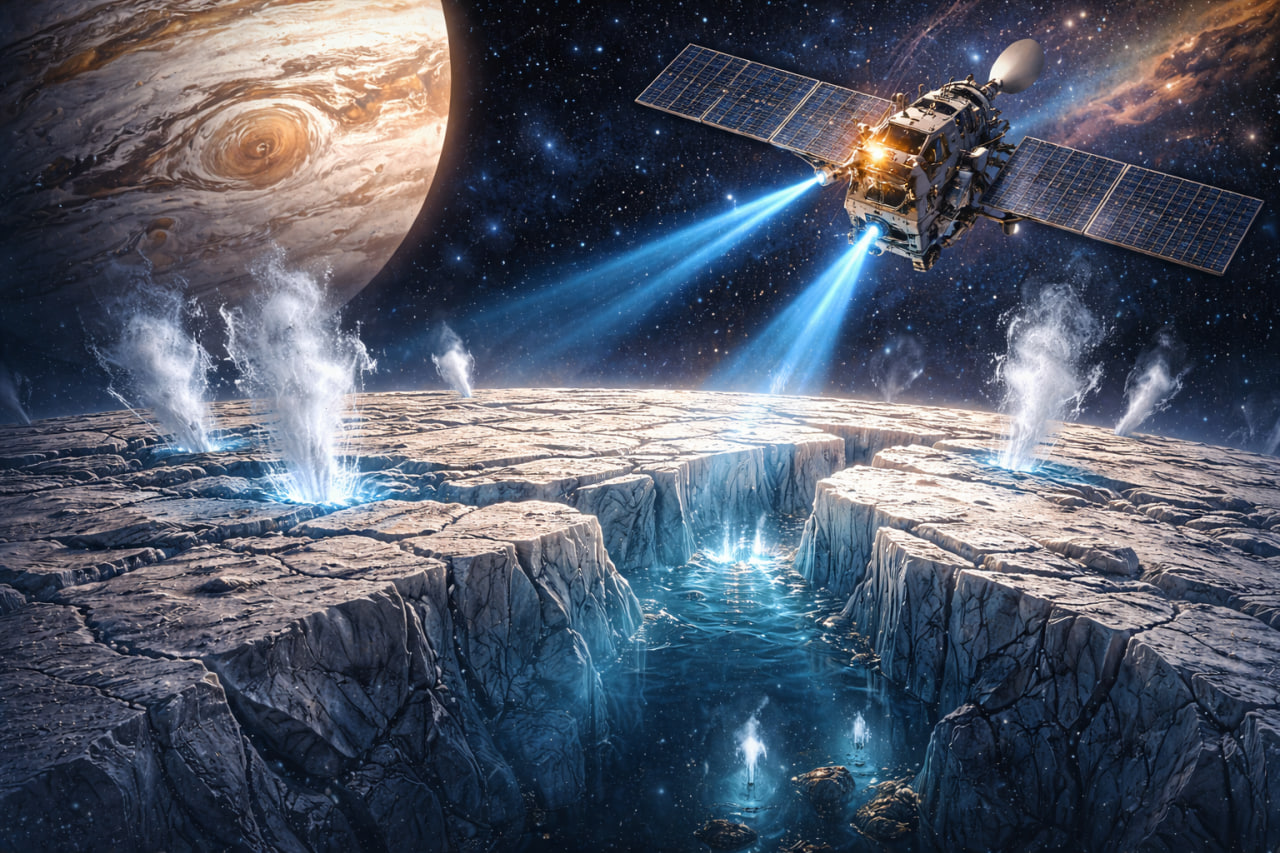
The Europa Clipper mission is one of NASA’s most ambitious projects aimed at exploring the possibility of life beyond Earth. Its target is Europa, one of Jupiter’s moons, which is believed to hide a vast ocean beneath its thick icy crust. Scientists consider Europa one of the most promising places in the solar system to search for extraterrestrial life, thanks to the presence of water, energy sources, and potentially suitable chemical conditions. Rather than landing on the surface, the spacecraft will perform multiple flybys, collecting detailed data about the moon’s structure and environment. This mission represents a major step forward in the search for life in our cosmic neighborhood.

China vs NASA: The New Space Race
Space Stories Cosmic Innovations Smart Technology

China vs NASA: The New Space Race

A new era of space exploration is unfolding, often described as a modern space race between China and the United States. Unlike the Cold War competition, today’s rivalry is more complex, combining elements of competition, technological advancement, and strategic influence. Both China and NASA are pursuing ambitious goals, including Moon bases, Mars exploration, and deep space missions. This new race is not only about prestige but also about leadership in science, innovation, and future space infrastructure. As both sides push forward, the outcome could shape humanity’s presence beyond Earth for decades to come.

How Satellites Are Launched Into Orbit: From Earth to Space
Space Stories Cosmic Innovations Smart Technology

How Satellites Are Launched Into Orbit: From Earth to Space

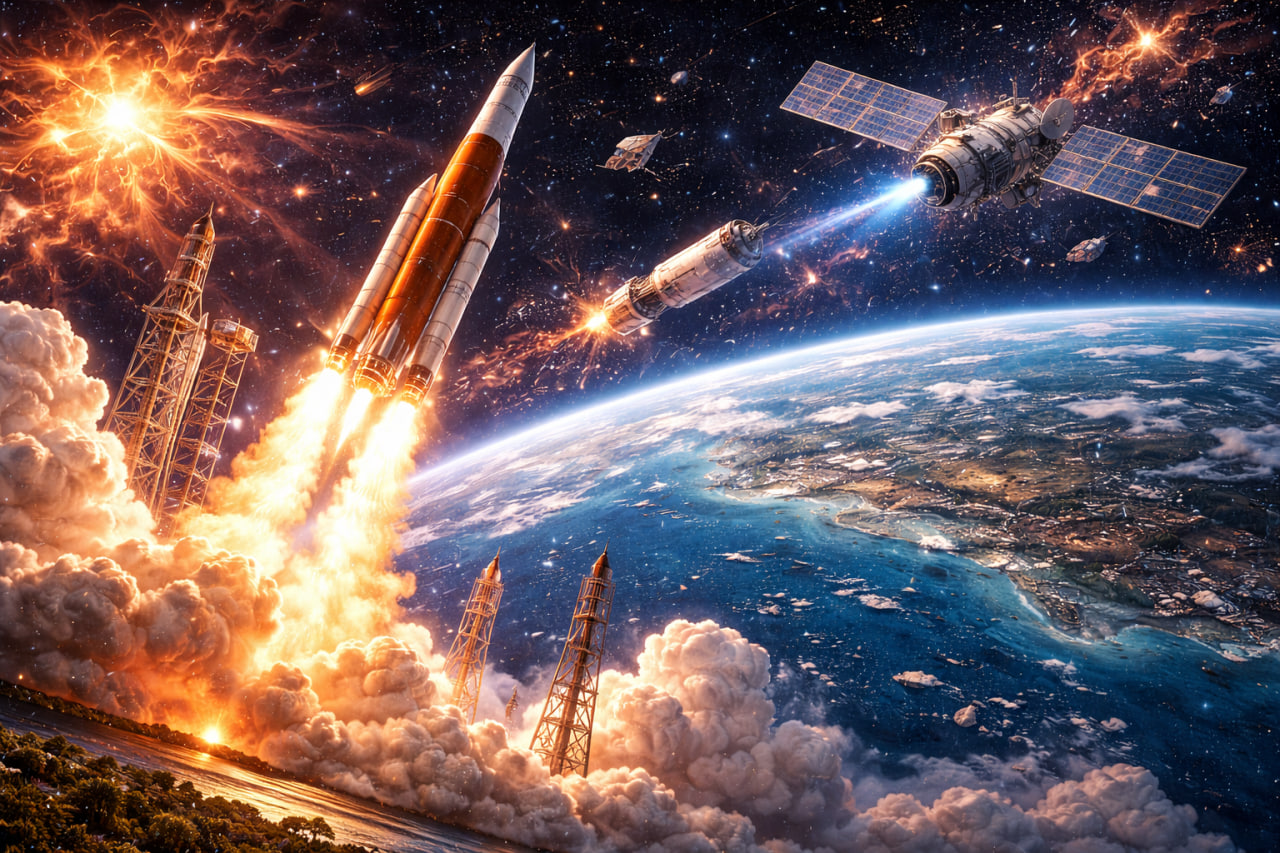
Launching a satellite into orbit is one of the most complex and precise processes in modern engineering. It requires overcoming Earth’s gravity, achieving the correct speed, and placing the satellite on a carefully calculated path around the planet. This process combines rocket science, physics, and advanced navigation systems. Every launch must be precisely timed and executed to ensure the satellite reaches its intended orbit safely and efficiently. Understanding how satellites are launched reveals the incredible coordination and technology behind everyday services like GPS, communication, and weather forecasting.

Space Stations Beyond Earth: Which Planets and Moons Are the Most Promising?
Space Stories Cosmic Innovations Solar System

Space Stations Beyond Earth: Which Planets and Moons Are the Most Promising?

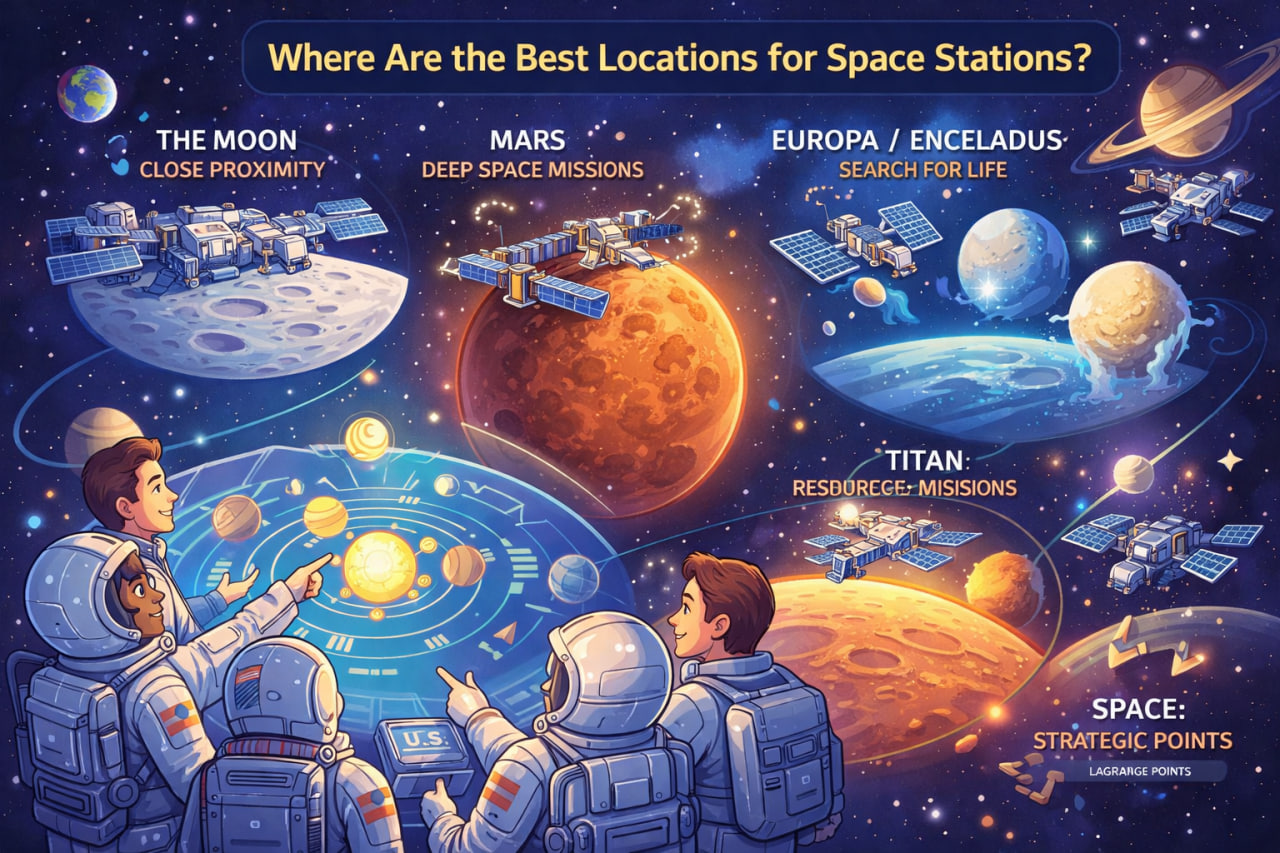
As humanity looks beyond Earth, the idea of placing space stations near other planets and moons becomes increasingly important. These stations could serve as scientific hubs, logistics centers, refueling points, and stepping stones for deep-space exploration. However, not every celestial body is equally suitable for such projects. Factors such as gravity, radiation, access to water ice, orbital stability, and distance from Earth all influence whether a location is practical. Scientists and engineers study these conditions carefully to identify the most promising destinations for long-term infrastructure in space. Understanding where future stations could be built helps define the next stages of human exploration and makes the concept of a multi-planetary civilization more realistic.