Cosmic Innovations

Astroengineering: Dyson Spheres Around Stars — How Could We Detect Them?
Cosmic Innovations New Discoveries Be Smart

Astroengineering: Dyson Spheres Around Stars — How Could We Detect Them?

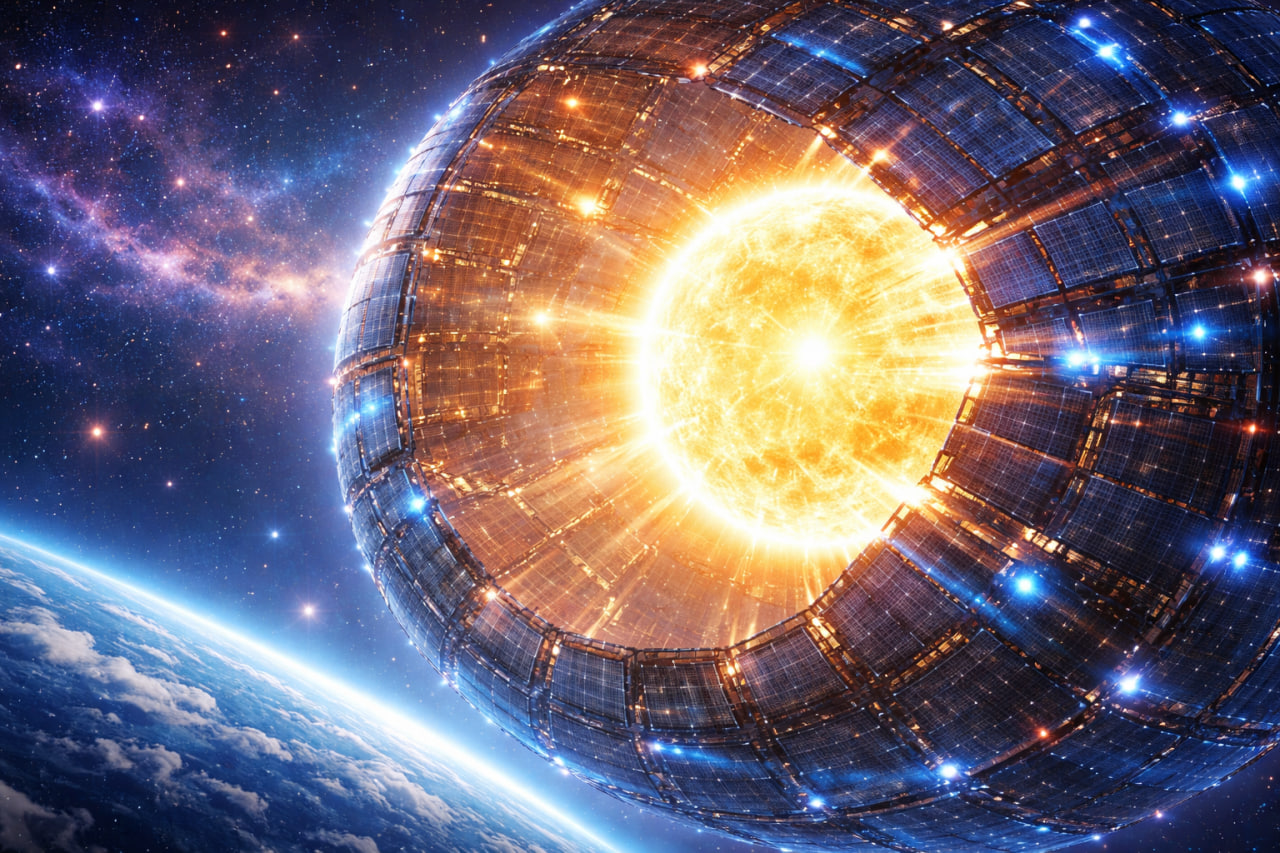
The concept of a Dyson sphere represents one of the most ambitious ideas in astroengineering, proposing a structure built around a star to capture a significant portion of its energy output. First introduced by physicist Freeman Dyson, this idea suggests that an advanced civilization might construct a vast system of satellites or structures to harness stellar energy on a massive scale. While a solid shell is unlikely, more realistic models describe Dyson swarms—large collections of orbiting objects. Although no confirmed Dyson spheres have been observed, scientists actively search for indirect evidence of such megastructures. Detecting them would not only revolutionize astronomy but also provide insight into the existence of highly advanced extraterrestrial civilizations. Understanding how such structures could be observed helps guide modern astrophysical research.

Astroengineering: What Is It and Why Does It Matter?
Cosmic Innovations Science Be Smart

Astroengineering: What Is It and Why Does It Matter?

Astroengineering is a field of science and engineering focused on designing and potentially constructing large-scale structures and systems in space, often on a planetary or even stellar level. Unlike traditional engineering, which operates within the limits of Earth, astroengineering explores projects that could reshape entire planets, harness the energy of stars, or alter cosmic environments. While many of these ideas remain theoretical, they are grounded in real physics and are actively studied as part of future technological possibilities. Concepts such as space habitats, planetary defense systems, and energy megastructures highlight the ambitious scope of this field. Understanding astroengineering allows us to imagine how advanced civilizations—human or otherwise—might expand beyond the constraints of a single planet.

Space-Based Solar Power: Science Fiction or the Near Future of Energy
Cosmic Innovations Hi-Tech New Discoveries

Space-Based Solar Power: Science Fiction or the Near Future of Energy

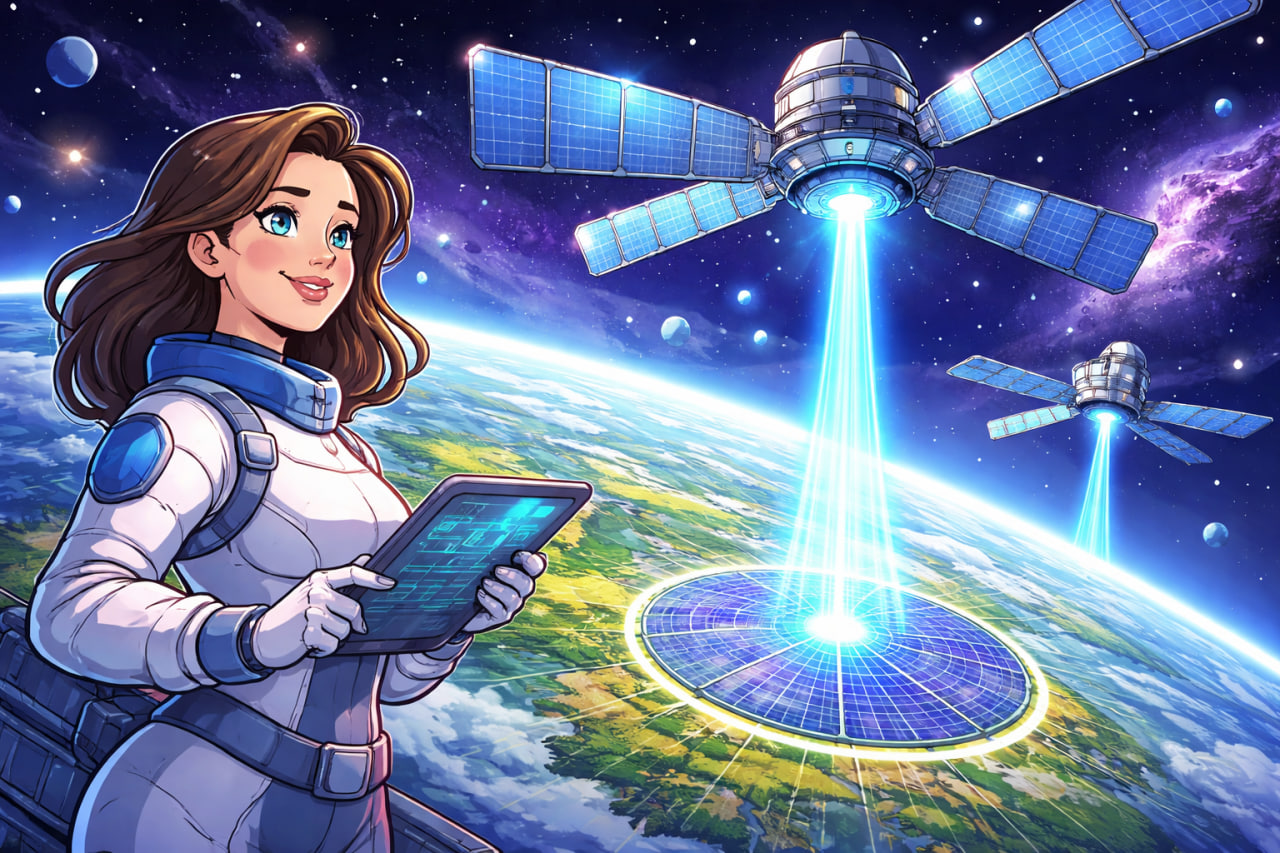
The idea of generating energy in space and transmitting it to Earth has long been associated with science fiction. However, in recent years, this concept—known as space-based solar power (SBSP)—has begun to move closer to reality. With rapid advances in satellite technology, wireless energy transmission, and materials science, scientists and engineers are seriously exploring whether energy from space could become a reliable and scalable source of clean power for the future.

AI for Telescope Data Analysis: Discovering New Planets and Galaxies
Cosmic Innovations AI & Ethics AI

AI for Telescope Data Analysis: Discovering New Planets and Galaxies

Modern telescopes generate enormous volumes of data every night, capturing images and signals from distant regions of the universe. Processing this information manually would take decades, which is why artificial intelligence has become an essential tool in astronomy. AI systems can rapidly analyze patterns in light curves, spectral data, and deep-space imagery. By identifying subtle anomalies and recurring signatures, machine learning models help scientists detect exoplanets, classify galaxies, and uncover previously unnoticed cosmic phenomena. Rather than replacing astronomers, AI enhances their ability to interpret vast datasets efficiently. As telescope technology advances, AI-driven analysis plays an increasingly central role in expanding our understanding of the universe.

Interstellar Travel: The Breakthrough Starshot Project and Other Concepts
Space Stories Cosmic Innovations Hi-Tech

Interstellar Travel: The Breakthrough Starshot Project and Other Concepts

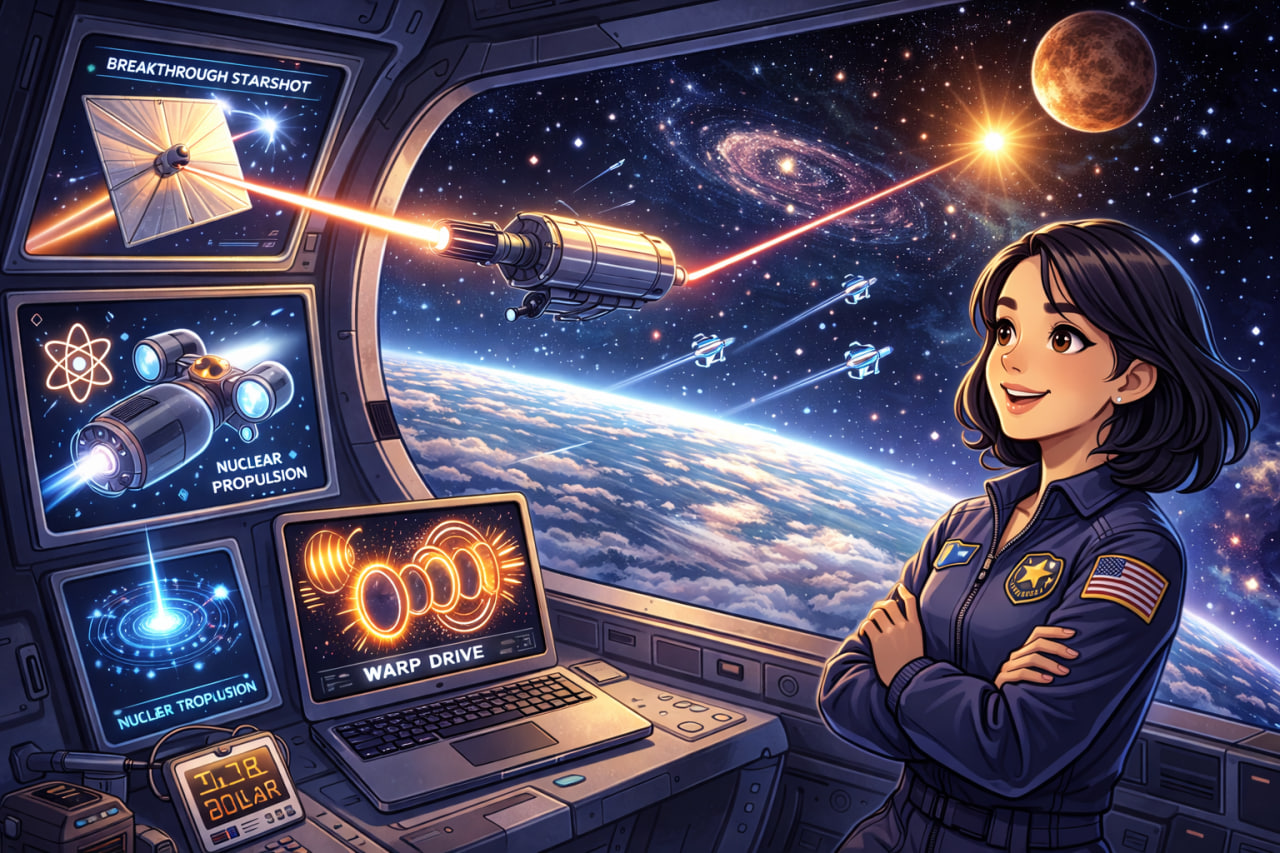
Interstellar travel—the journey beyond our solar system to other stars—has long been a dream of scientists and science fiction writers alike. Unlike missions to Mars or Jupiter, traveling to another star involves distances so vast that conventional spacecraft would require tens of thousands of years to arrive. However, in recent decades, serious scientific initiatives have begun exploring whether interstellar missions could become technically feasible. Among these efforts, Breakthrough Starshot stands out as one of the most ambitious and innovative concepts. While practical interstellar travel remains far beyond current human capability, research and theoretical engineering continue to push the boundaries of what might be possible in the future.

Light Sail Technology: How Spacecraft Can Travel Using Light
Cosmic Innovations Science New Discoveries

Light Sail Technology: How Spacecraft Can Travel Using Light

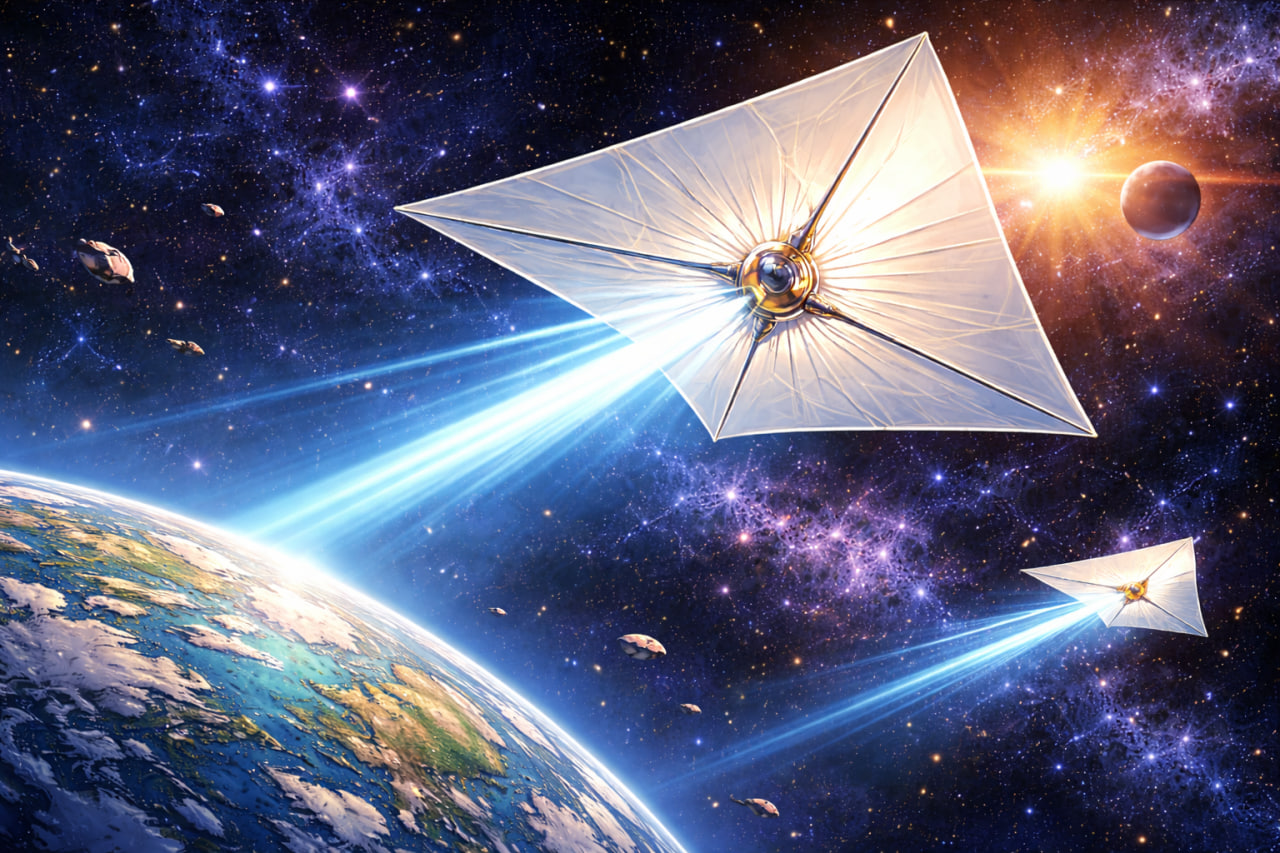
Light sail technology is one of the most innovative propulsion concepts in modern space exploration. Unlike traditional rockets that rely on fuel combustion, light sails use radiation pressure from photons—particles of light—to generate thrust. Although photons have no mass, they carry momentum, and when they strike a reflective surface, they exert a tiny but continuous force. Over time, this gentle push can accelerate a spacecraft to extremely high speeds without carrying heavy fuel. This concept dramatically reduces mass and opens new possibilities for deep-space missions. Light sail propulsion represents a shift from chemical energy to physics-based propulsion, relying on the fundamental properties of light itself.

Radiation Protection During Long-Duration Space Travel
Space Stories Cosmic Innovations Hi-Tech

Radiation Protection During Long-Duration Space Travel

Long-duration space missions expose astronauts to radiation levels far higher than those experienced on Earth. Unlike our planet, which is protected by a magnetic field and thick atmosphere, deep space offers little natural shielding against high-energy particles. During missions to Mars or beyond, crews would spend months or even years outside Earth’s protective magnetosphere. Prolonged exposure to space radiation increases risks of cancer, nervous system damage, and other health complications. Protecting astronauts from radiation is therefore one of the most critical challenges in planning deep-space exploration. Effective solutions require a combination of engineering, biology, and mission design strategies.

Space Medicine: How Long-Term Exposure to Microgravity Changes the Human Body
Space Stories Cosmic Innovations Hi-Tech

Space Medicine: How Long-Term Exposure to Microgravity Changes the Human Body

Space medicine studies how the human body responds to the extreme conditions of space, especially prolonged exposure to microgravity, radiation, and isolation. While astronauts appear to float effortlessly in orbit, the absence of gravity triggers profound physiological changes. The human body evolved under constant gravitational pull, and when that force disappears, multiple systems begin to adapt—sometimes in harmful ways. Missions lasting months aboard space stations have revealed patterns of bone loss, muscle atrophy, cardiovascular shifts, and neurological changes. As space agencies plan missions to Mars and beyond, understanding these effects has become a central priority. Protecting astronaut health during long-duration missions is one of the most complex challenges in modern aerospace science.

A Space Station Around the Moon: Why It Is Needed and How It Could Be Built
Space Stories Cosmic Innovations Earth & Moon

A Space Station Around the Moon: Why It Is Needed and How It Could Be Built

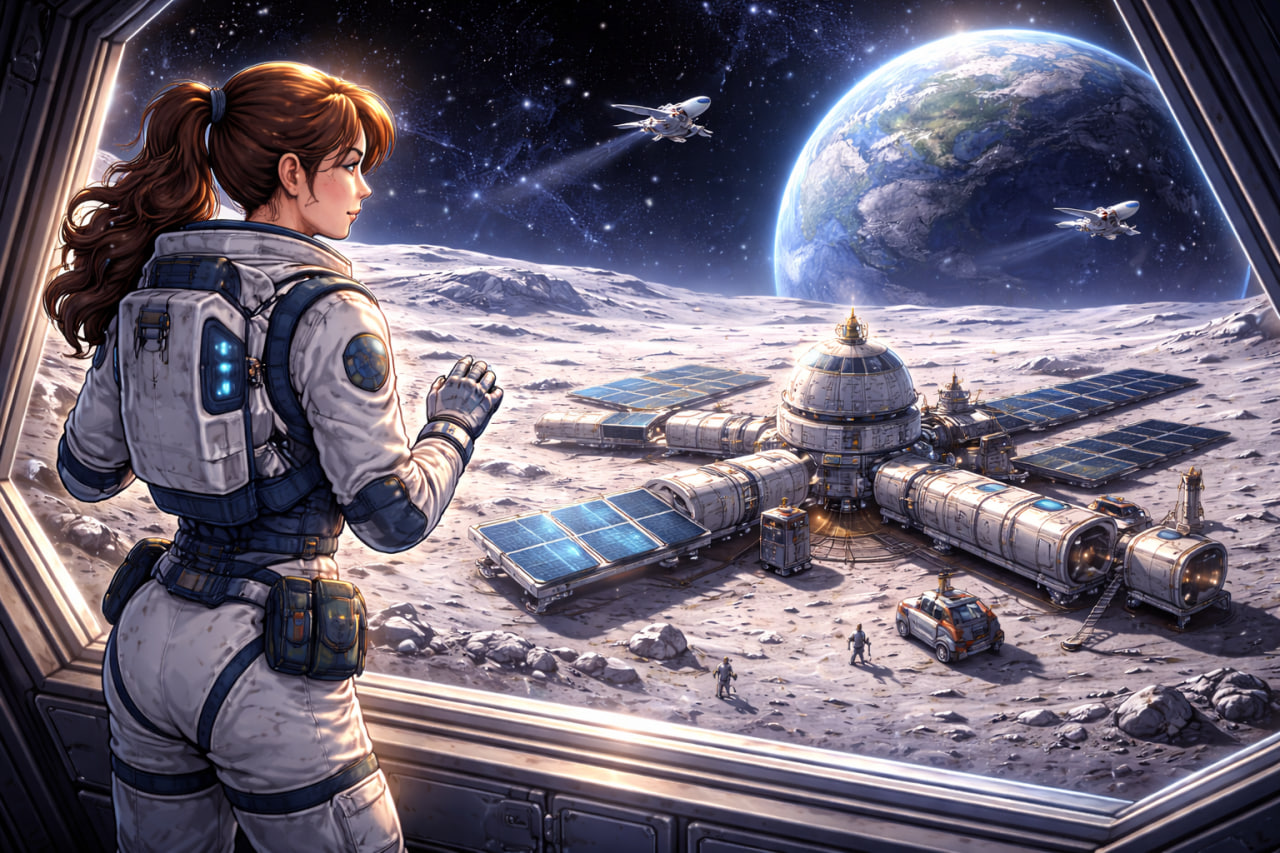
A space station orbiting the Moon represents one of the most important steps in expanding human presence beyond low Earth orbit. Unlike Earth-orbiting stations, a lunar station would serve as a gateway for deep-space missions, scientific research, and long-term exploration. Positioned in lunar orbit, it could support missions to the Moon’s surface and act as a staging point for journeys to Mars. Building such a station is technically complex but considered achievable with modern space engineering. As global interest in lunar exploration grows, a lunar space station is increasingly viewed as a strategic infrastructure project rather than a distant concept. Understanding its purpose and construction challenges reveals how humanity may extend its reach deeper into space.

Is the Colonization of Mars Possible?
Space Stories Cosmic Innovations What if?

Is the Colonization of Mars Possible?

The idea of colonizing Mars has moved from the realm of science fiction into serious scientific and engineering discussion. Advances in space technology, robotics, and life-support systems have made the Red Planet a realistic target for long-term human exploration. Mars is the most Earth-like planet in our solar system in terms of day length, seasons, and the presence of water ice, which makes it a primary candidate for human settlement. However, colonization is not simply about reaching Mars—it involves sustaining human life in one of the most hostile environments known. Understanding whether Mars colonization is possible requires examining scientific feasibility, technological challenges, and human limitations.