New Discoveries

Wound-Healing Glue: A Modern Alternative to Stitches
Bioengineering New Discoveries

Wound-Healing Glue: A Modern Alternative to Stitches

Medical science has made great strides in developing less invasive and more effective ways to treat wounds. Among the most innovative tools is wound-healing glue, a special adhesive designed to close wounds without the need for traditional stitches or staples. This medical breakthrough not only shortens treatment time but also improves patient comfort, reduces scarring, and enhances infection protection.

Moonwalking – Innovation in Footwear
Hi-Tech Smart Technology New Discoveries

Moonwalking – Innovation in Footwear

When people hear moonwalking, they often think of the famous dance move. But in the world of science and technology, the term is also used to describe innovative footwear designs that help humans move more efficiently, as if they were gliding across the ground with less effort—similar to how astronauts walk on the Moon.

How Gravitational Lensing Works
Universe Science New Discoveries

How Gravitational Lensing Works

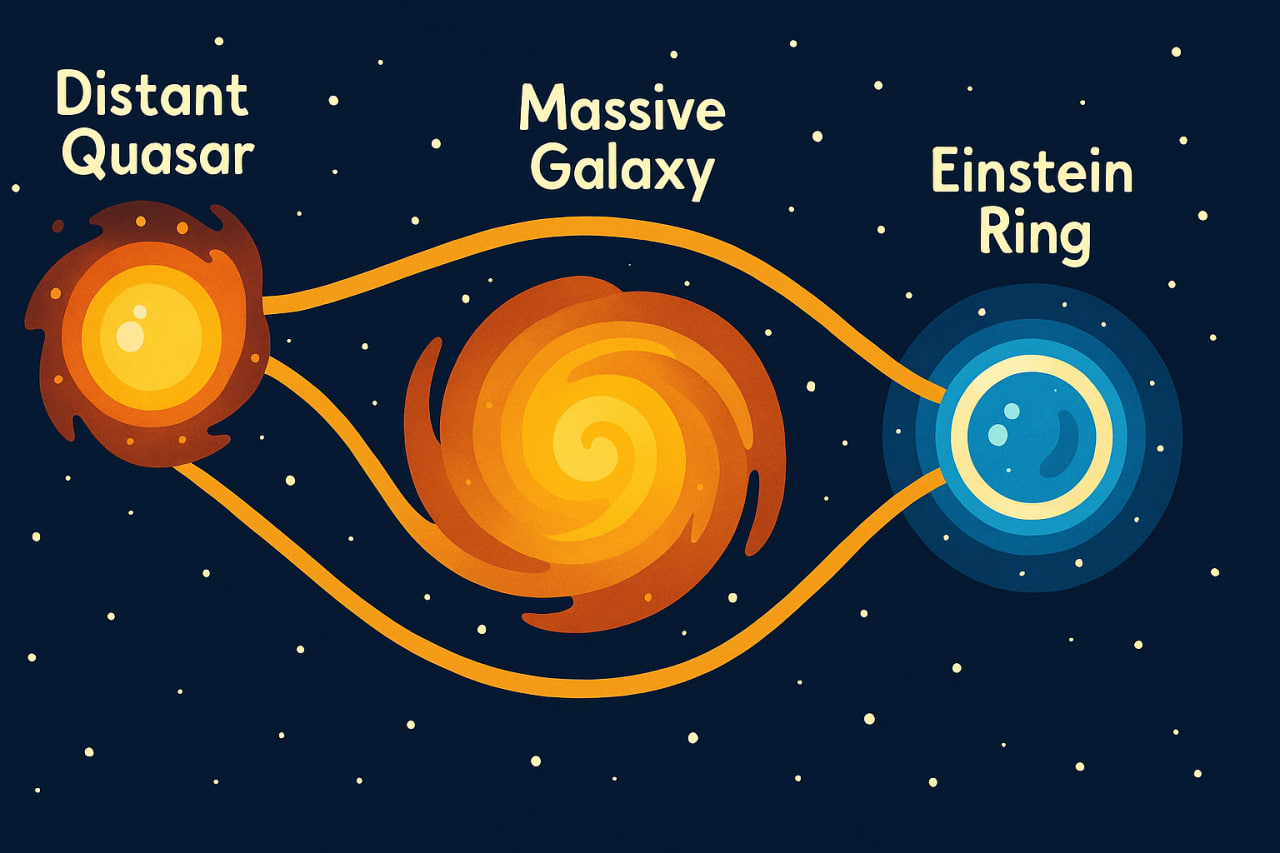
Gravitational lensing is a fascinating effect predicted by Einstein’s theory of general relativity. It occurs when a massive object, such as a galaxy or black hole, bends the path of light coming from a more distant object behind it. This bending of light makes the distant object appear distorted, magnified, or multiplied when observed from Earth.

Why the Hubble Telescope Is Important
Space Stories Cosmic Innovations Hi-Tech

Why the Hubble Telescope Is Important

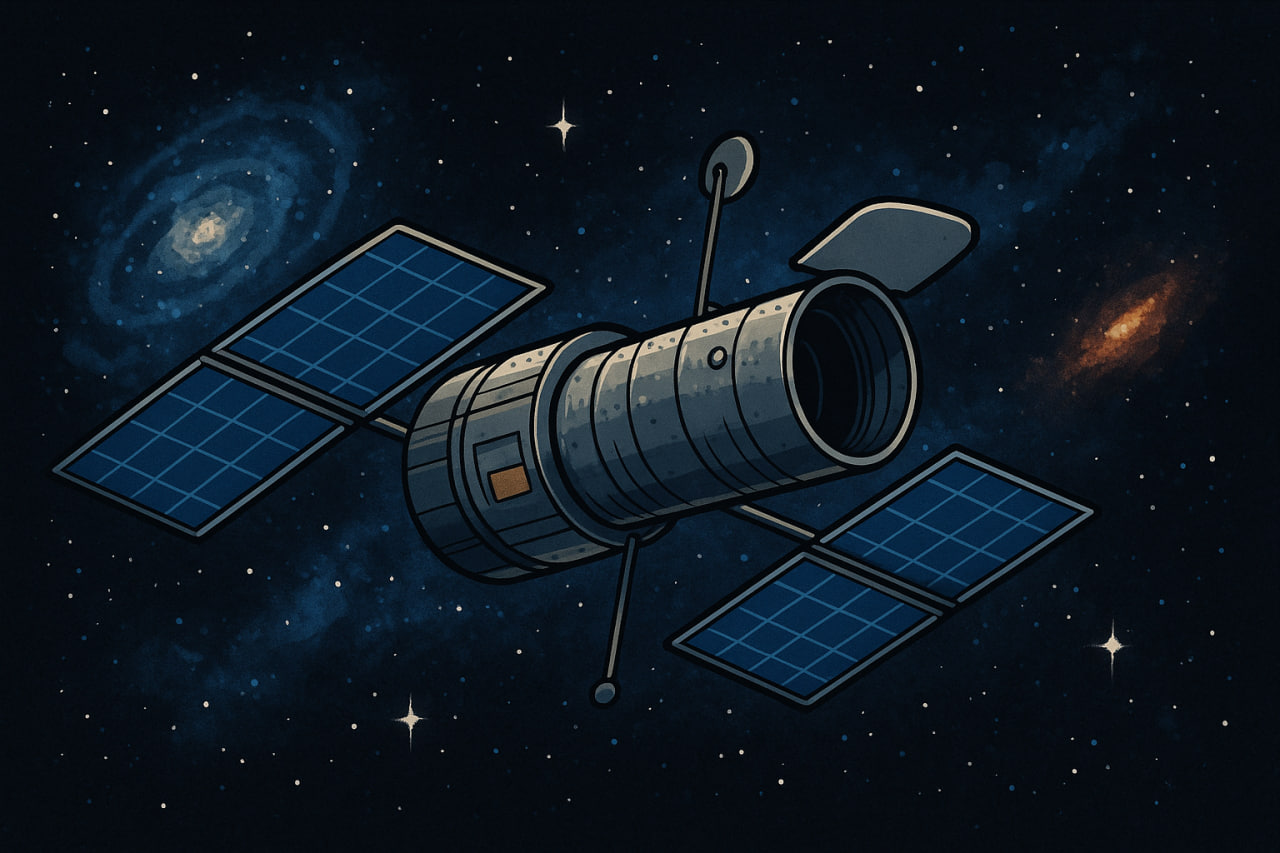
The Hubble Space Telescope is one of the most significant scientific instruments ever built, transforming our understanding of the universe. Launched in 1990 and orbiting outside Earth’s atmosphere, it avoids the distortion caused by air and light pollution. This allows it to capture images of space with unmatched clarity and detail. Hubble has become a key tool for astronomy, providing data that shaped modern cosmology and astrophysics.

How Infrared Telescopes Work
Cosmic Innovations Hi-Tech New Discoveries

How Infrared Telescopes Work

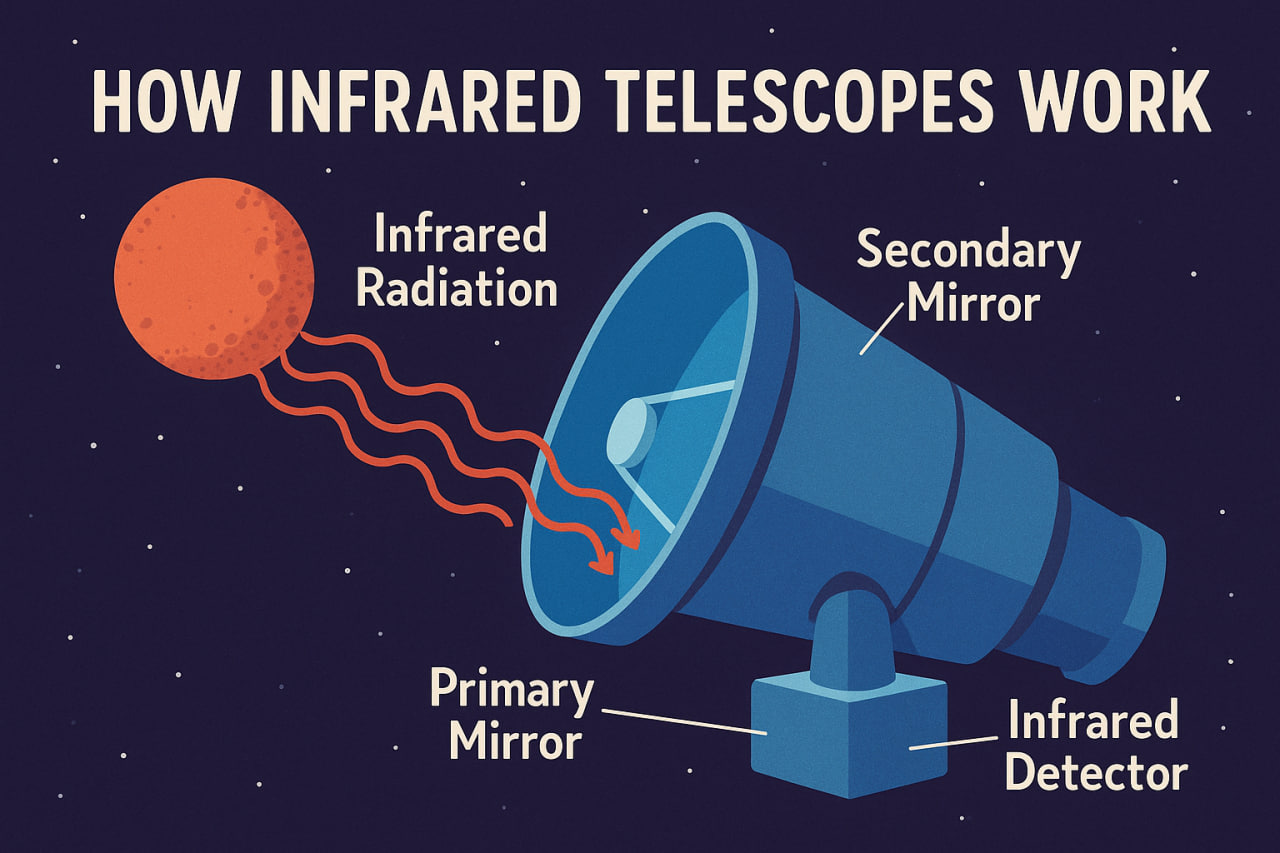
Infrared telescopes are powerful instruments that allow scientists to see parts of the universe invisible to the human eye. Unlike regular optical telescopes, which capture visible light, infrared telescopes detect infrared radiation—a form of light with longer wavelengths than what we can see. This ability makes them essential for studying objects hidden behind dust, exploring cold regions of space, and observing the early universe.

Is It Possible to Freeze Light?
Hi-Tech New Discoveries Be Smart

Is It Possible to Freeze Light?

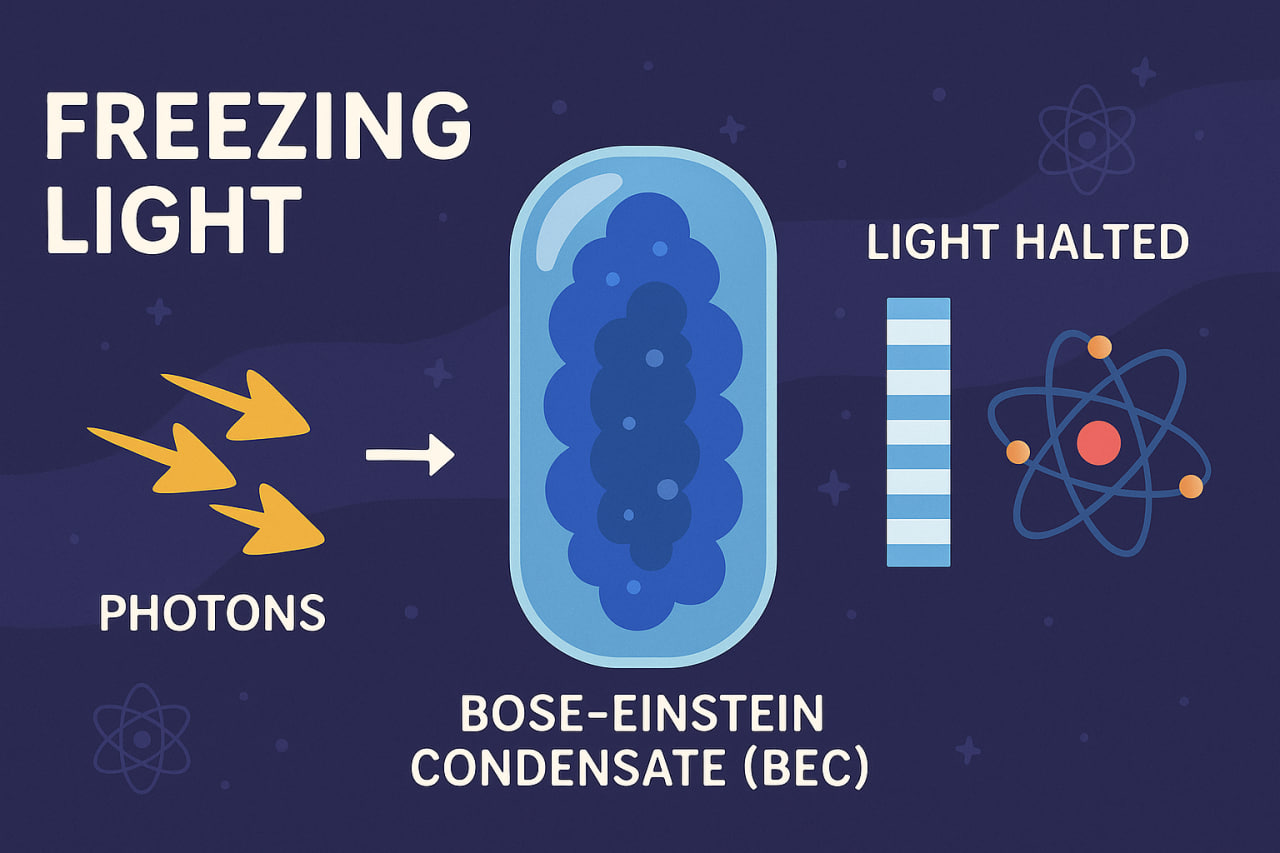
The idea of freezing light may sound like science fiction, but modern physics has shown that it is possible to slow down or even stop light under special conditions. Since light normally travels at about 300,000 kilometers per second in a vacuum, the concept of stopping it entirely is both fascinating and revolutionary.

Atmospheric Water Generators – New Developments
Hi-Tech New Discoveries

Atmospheric Water Generators – New Developments

Atmospheric Water Generators (AWGs) are innovative devices designed to extract drinkable water directly from the air. They operate on the principle that even dry climates contain moisture in the atmosphere, which can be condensed and purified. As freshwater shortages become a global issue, AWGs are emerging as a sustainable solution. Recent technological developments are making these systems more efficient, affordable, and eco-friendly.

What Is Plasma?
Science New Discoveries Be Smart

What Is Plasma?

Plasma is often called the fourth state of matter, alongside solid, liquid, and gas. It is a highly energetic state in which atoms are stripped of some or all of their electrons, creating a mixture of positively charged ions and free electrons. Because of this, plasma behaves differently from ordinary gases, conducting electricity and responding strongly to magnetic and electric fields.

What Are Quasars?
Space Stories Universe New Discoveries

What Are Quasars?

Quasars are among the brightest and most powerful objects in the universe. Their name comes from “quasi-stellar radio sources” because, when first discovered in the 1960s, they looked like faint stars in telescopes but emitted enormous amounts of energy, especially in radio waves. Today, astronomers know that quasars are powered by supermassive black holes at the centers of distant galaxies, where matter falling into the black hole releases extraordinary amounts of light and radiation.

What Is String Theory?
Science New Discoveries

What Is String Theory?

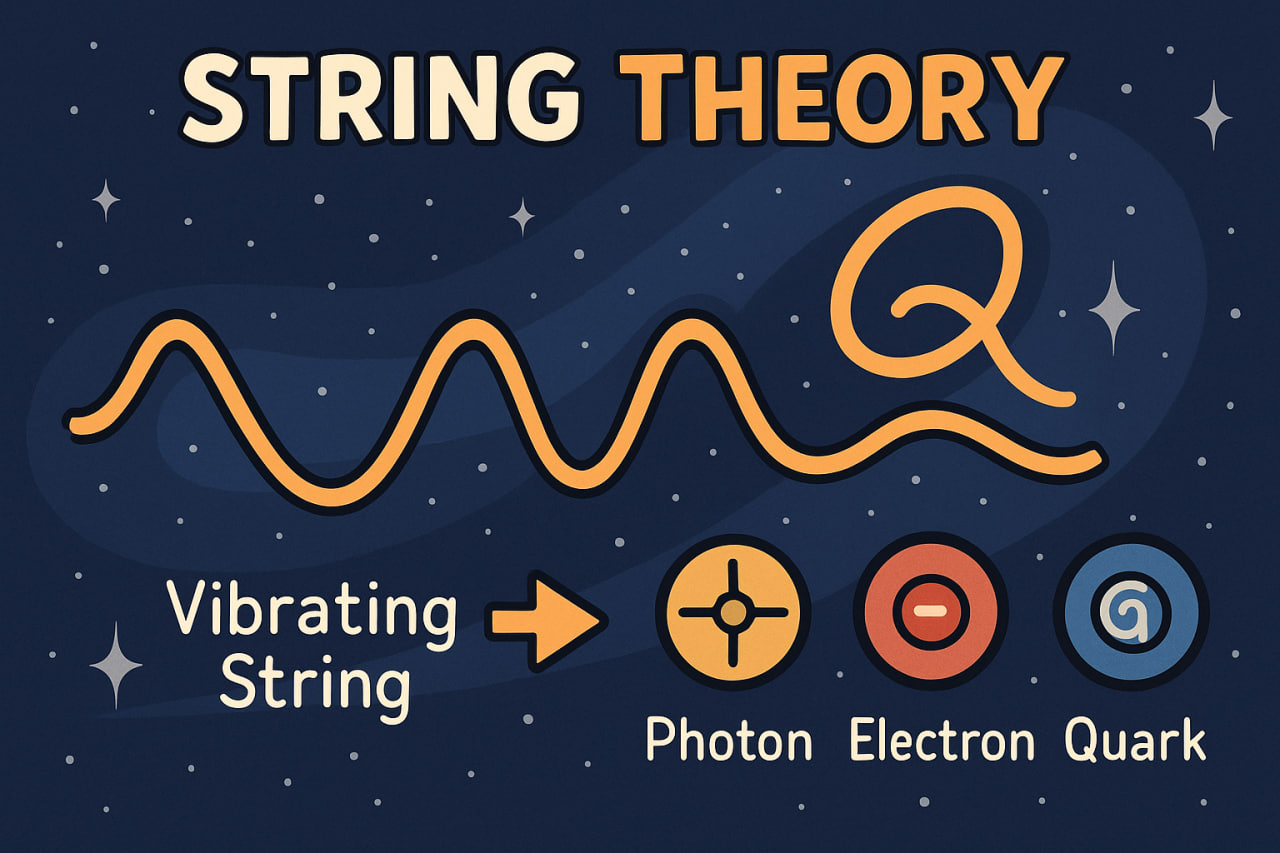
String theory is a theoretical framework in physics that attempts to explain all fundamental forces and particles as vibrations of tiny, one-dimensional objects called strings. Instead of viewing particles like electrons or quarks as point-like, string theory suggests that they are minuscule loops or segments of energy. The vibration patterns of these strings determine the type of particle they represent, whether it be matter or force-carrying particles. This approach provides a possible path toward unifying quantum mechanics and general relativity, which has long been one of science’s greatest challenges.