New Discoveries

How Particle Accelerators Work
Hi-Tech Smart Technology New Discoveries

How Particle Accelerators Work

Particle accelerators are powerful machines that use electromagnetic fields to propel charged particles, such as electrons or protons, to extremely high speeds. Once accelerated, these particles are made to collide with each other or with stationary targets. These collisions allow scientists to study the fundamental building blocks of matter and the forces that govern the universe. Particle accelerators are not only tools for physics research but also have applications in medicine, industry, and technology.


The Role of Science in Sustainable Development
Smart Technology Science New Discoveries

The Role of Science in Sustainable Development

Sustainable development is the pursuit of progress that meets present needs without compromising the ability of future generations to meet theirs. Science plays a crucial role in this process by providing the knowledge, tools, and innovations needed to balance economic growth, environmental protection, and social well-being.

Laboratories of the Future: Automation of Experiments
Hi-Tech Smart Technology Science

Laboratories of the Future: Automation of Experiments

Automated laboratories are transforming scientific research by integrating robotics, artificial intelligence, and advanced data systems to conduct experiments with minimal human intervention. These next-generation labs promise faster results, higher precision, and the ability to handle vast amounts of data — paving the way for groundbreaking discoveries.

Biomimetics: How Technology Copies Nature
Hi-Tech Bioengineering New Discoveries

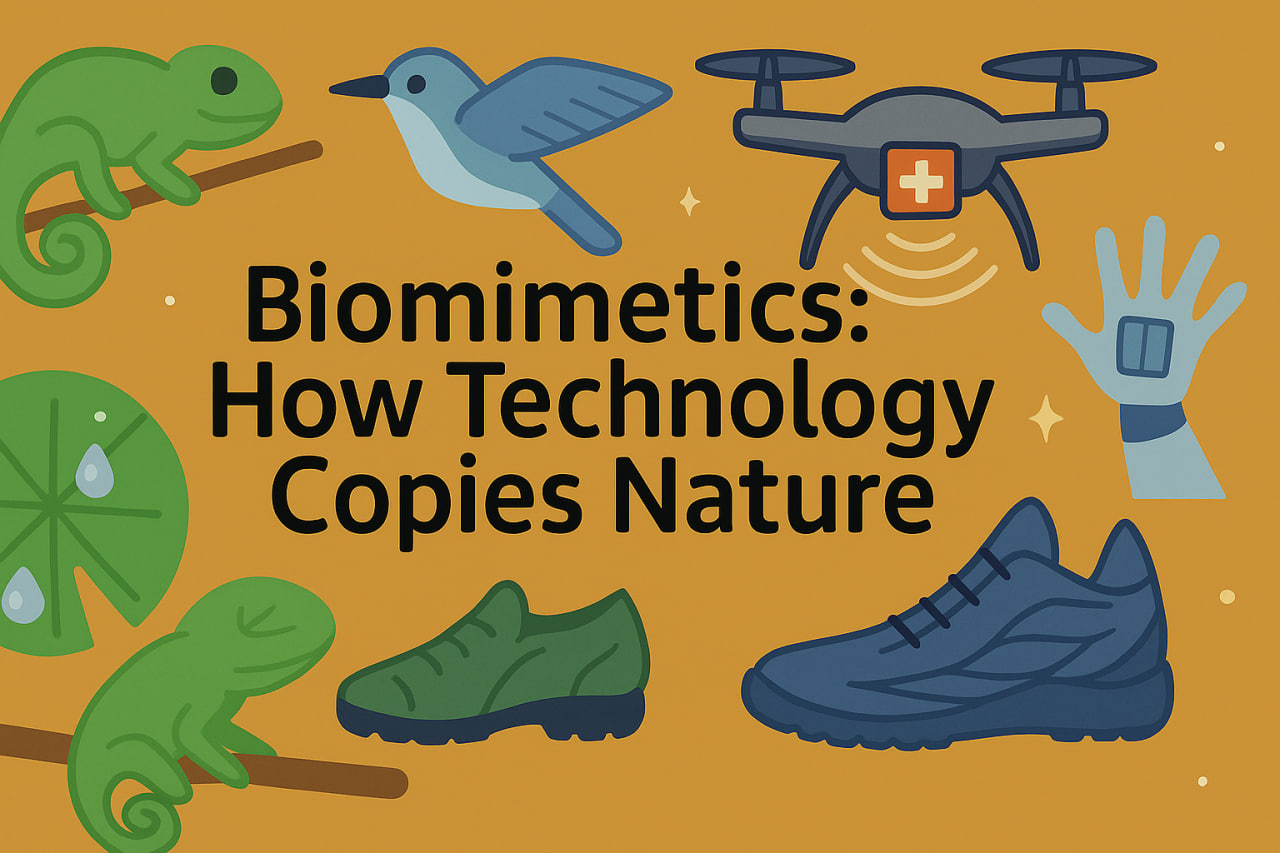
Biomimetics: How Technology Copies Nature

Biomimetics is the science and technology of designing materials, systems, and devices inspired by nature’s solutions. Over millions of years, evolution has refined biological systems to be efficient, adaptive, and sustainable. Engineers, scientists, and designers study these natural strategies to create innovations in robotics, materials science, architecture, and medicine.

Energy of the Future: Thermonuclear Reactors
Hi-Tech Science New Discoveries

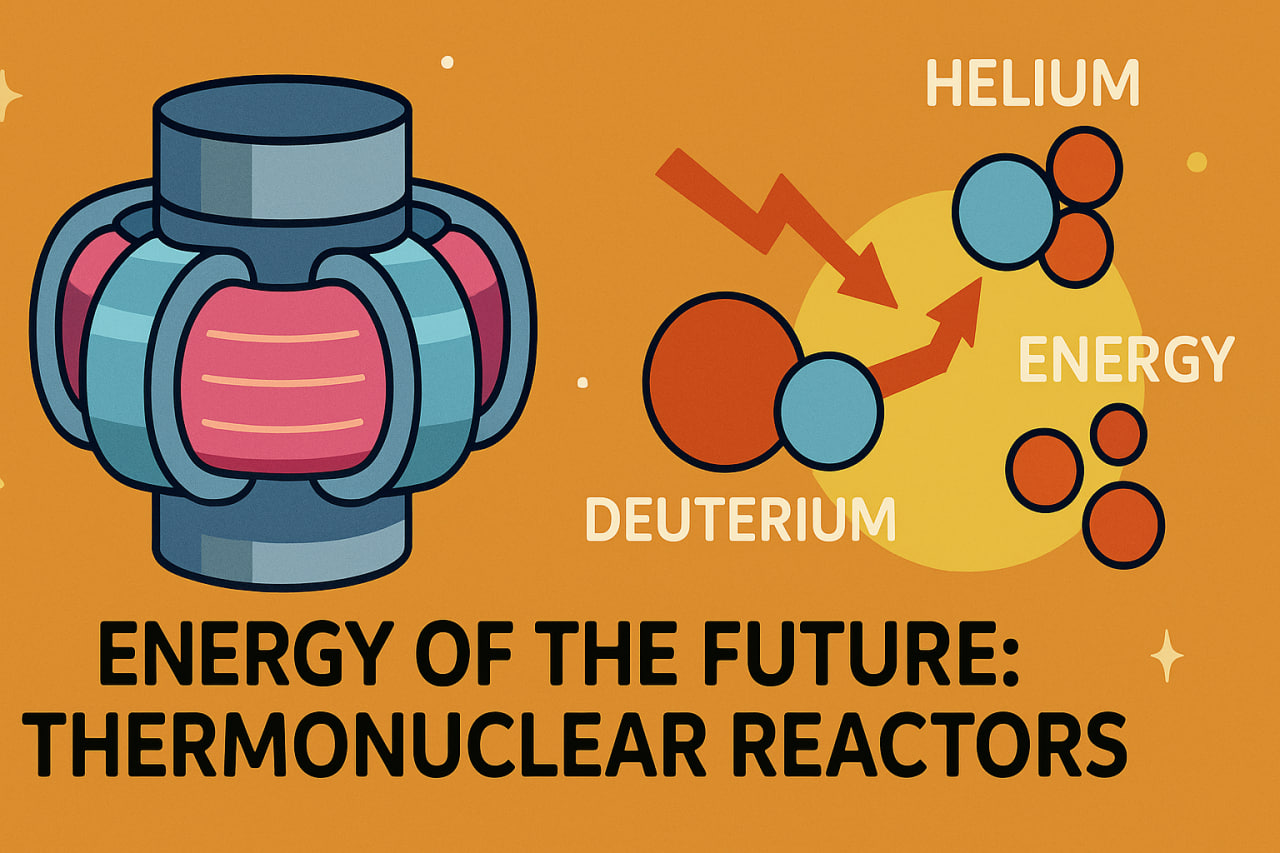
Energy of the Future: Thermonuclear Reactors

Thermonuclear reactors represent one of humanity’s most ambitious technological pursuits — recreating the process that powers the Sun to produce clean, virtually limitless energy on Earth. Instead of burning fossil fuels or splitting heavy atomic nuclei, these reactors fuse light atomic nuclei, releasing enormous amounts of energy without producing greenhouse gases or long-lived radioactive waste.

Quantum Time Crystals
Hi-Tech New Discoveries

Quantum Time Crystals

Quantum time crystals are a recently discovered phase of matter that challenges our traditional understanding of physics. Unlike ordinary materials, which remain static or change only when energy is applied, time crystals continuously oscillate between different states without consuming energy. This perpetual, rhythmic motion is not the same as a perpetual motion machine — it follows the laws of quantum mechanics and thermodynamics, but in an unconventional way.

Metamaterials: Materials with Unusual Properties
Hi-Tech New Discoveries

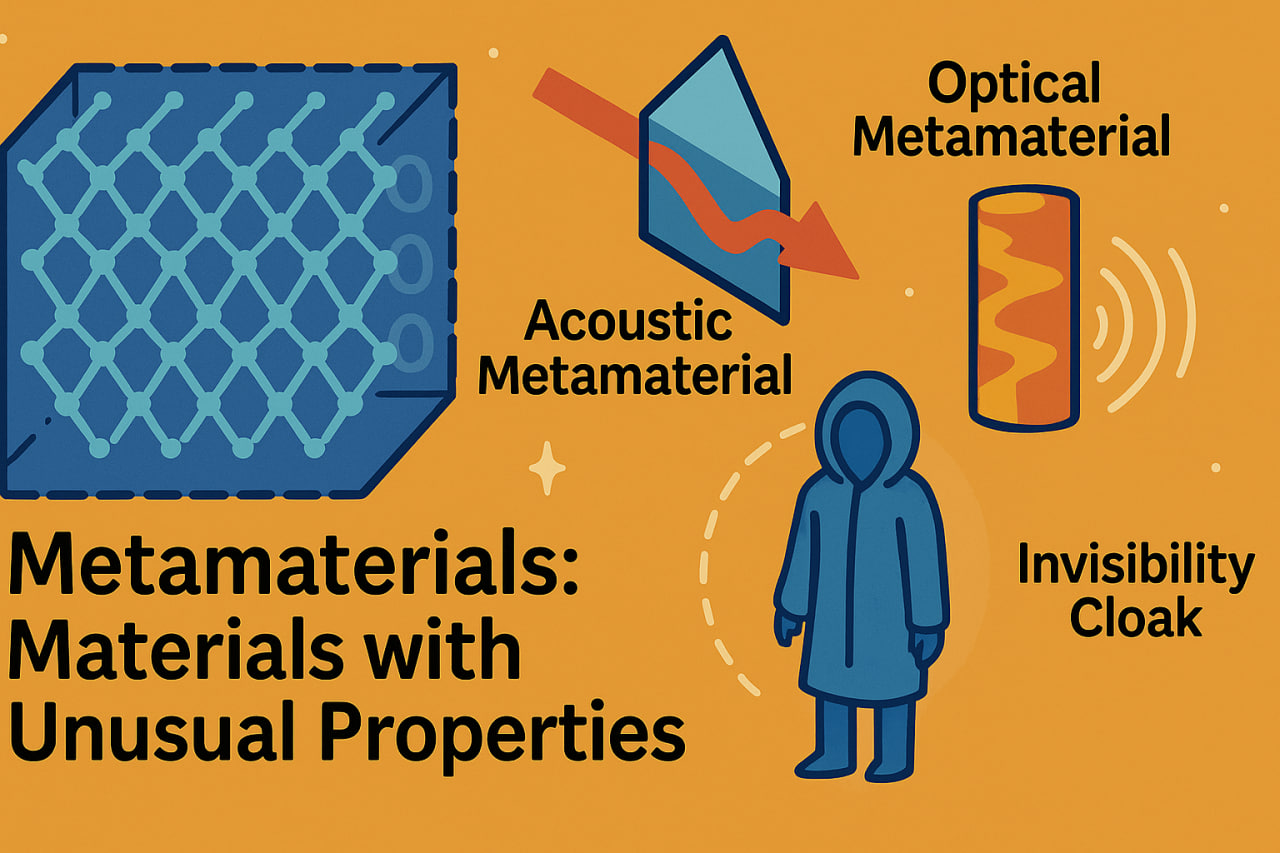
Metamaterials: Materials with Unusual Properties

Metamaterials are engineered substances designed to have properties not found in naturally occurring materials. Their unique characteristics arise not from their chemical composition, but from the precise arrangement of their internal structures on a microscopic or nanoscopic scale. These structures interact with waves — such as light, sound, or electromagnetic radiation — in ways that create extraordinary effects, from bending light backward to making objects appear invisible.

Latest Developments in Life-Saving Technologies
Hi-Tech Smart Technology New Discoveries

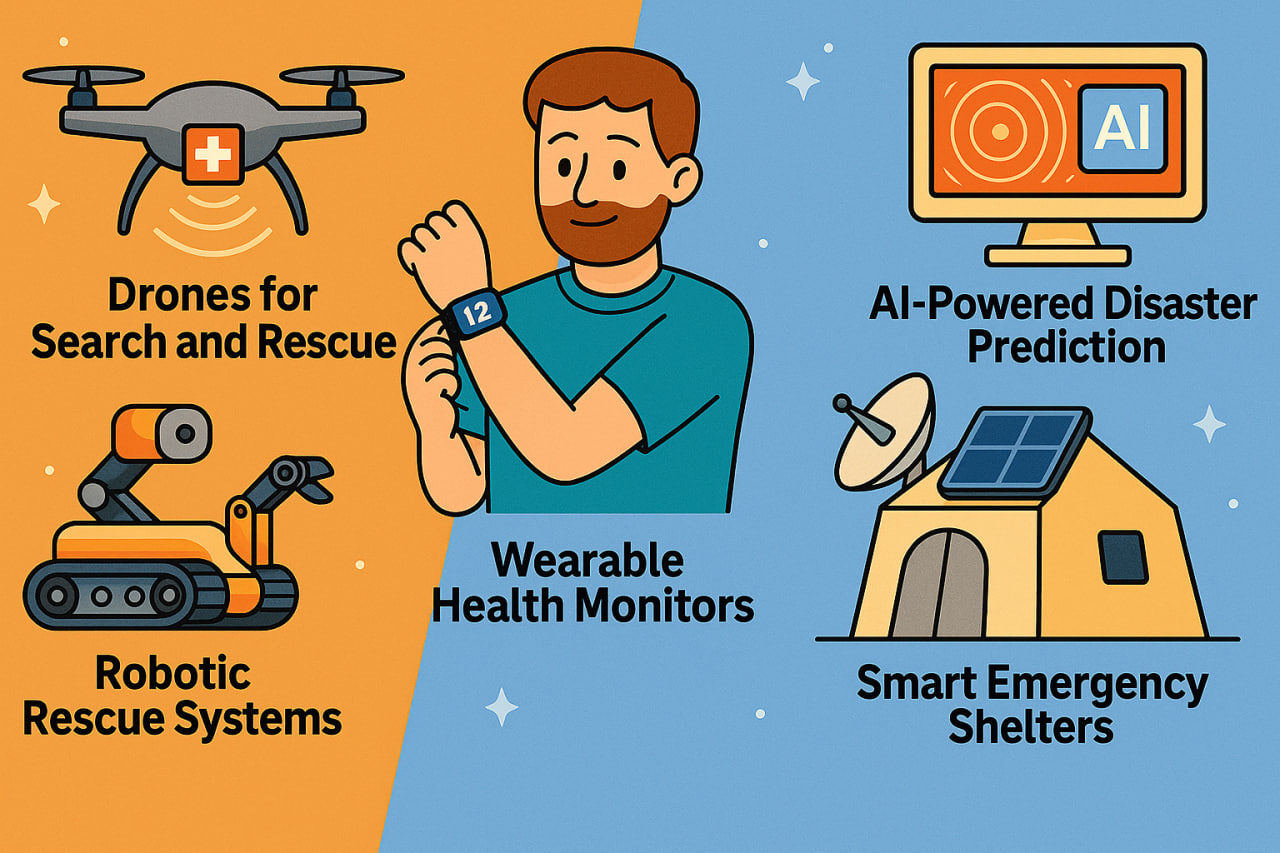
Latest Developments in Life-Saving Technologies

Technological progress has brought a new generation of life-saving tools that help rescue teams act faster, more accurately, and more safely. From natural disasters to medical emergencies, these innovations combine engineering, artificial intelligence, and advanced materials to protect and save lives in extreme situations.

Graphene and Its Applications
Hi-Tech New Discoveries

Graphene and Its Applications

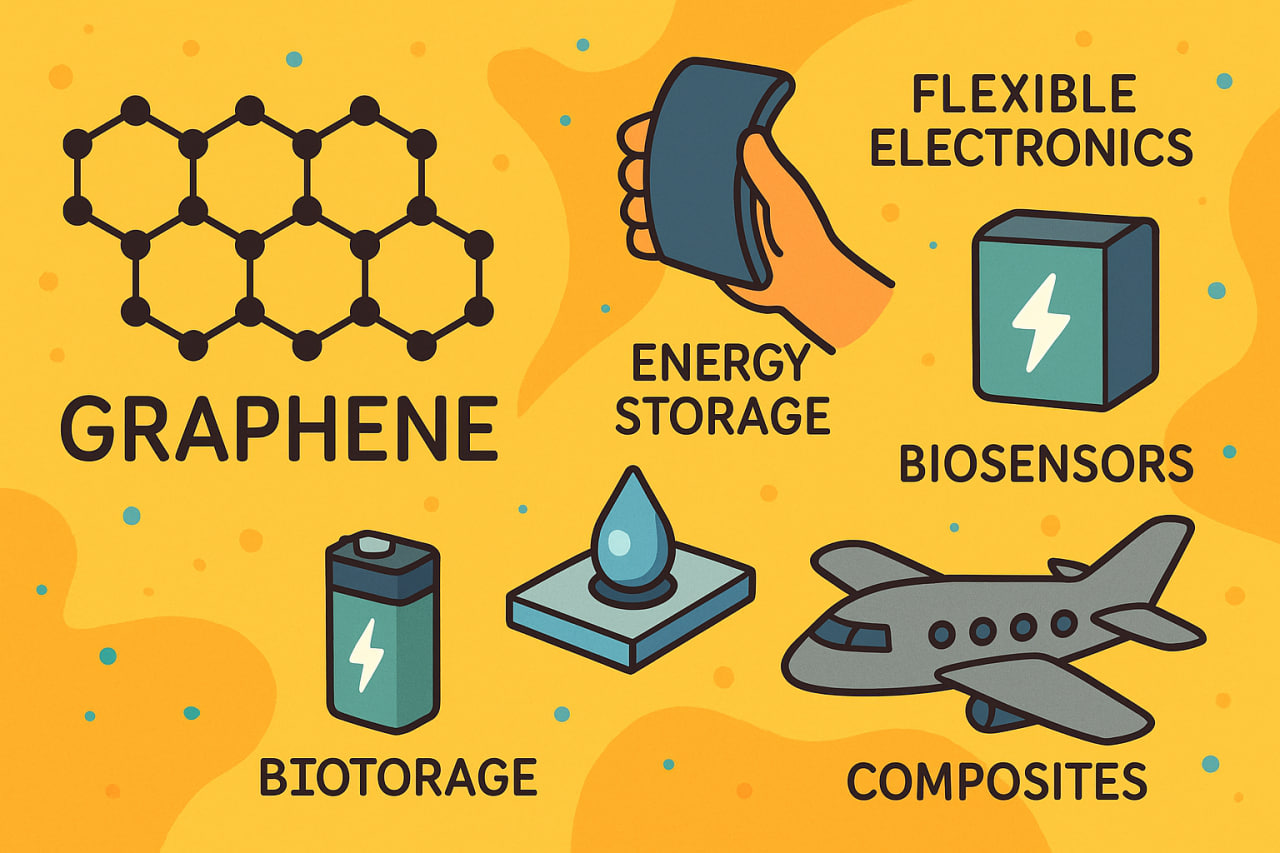
Graphene is a groundbreaking material that has captured the attention of scientists, engineers, and industries around the world. Composed of a single layer of carbon atoms arranged in a hexagonal lattice, it is the thinnest material known, yet remarkably strong, flexible, and conductive. Since its discovery in 2004, graphene has been hailed as a “wonder material” with potential to revolutionize numerous fields, from electronics to medicine.

Technologies in Extreme Conditions: Deserts, the Arctic, and Mars
Hi-Tech New Discoveries

Technologies in Extreme Conditions: Deserts, the Arctic, and Mars

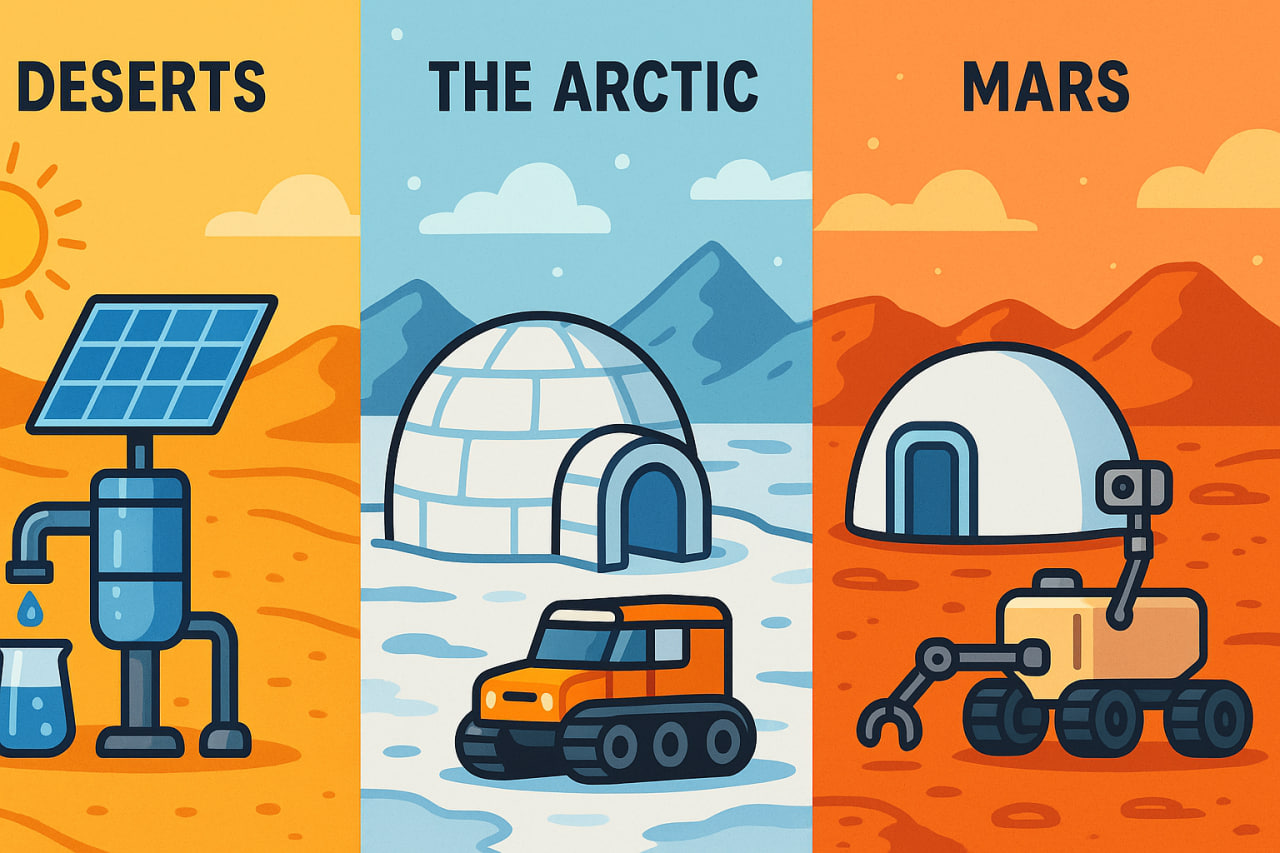
Human innovation has always thrived in challenging environments. From scorching deserts to the freezing Arctic and even the barren landscapes of Mars, technology plays a crucial role in enabling survival, exploration, and development. These environments demand equipment, materials, and systems that can withstand extreme temperatures, limited resources, and harsh terrain.