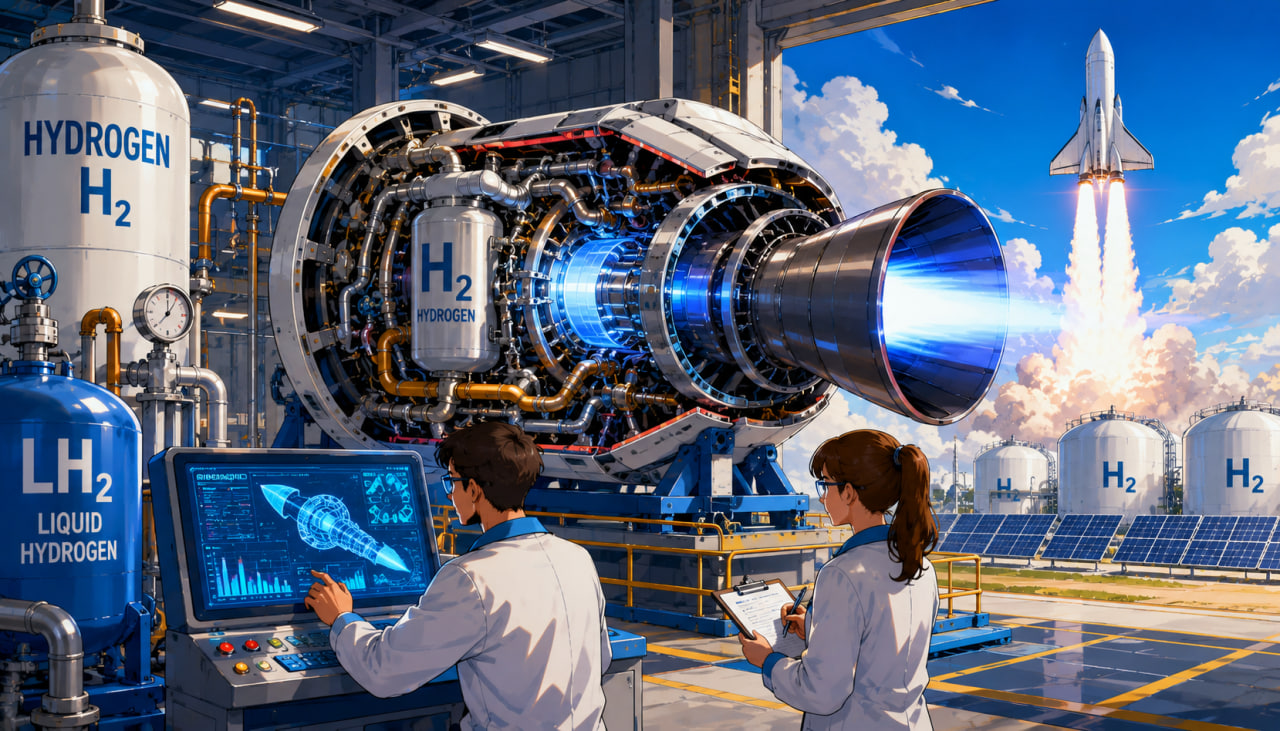
Hydrogen engines are moving from experimental laboratories into construction machinery, heavy trucks, power plants, and motorsport prototypes. Unlike hydrogen fuel cells, which generate electricity electrochemically, hydrogen internal-combustion engines burn hydrogen inside cylinders to produce mechanical power.
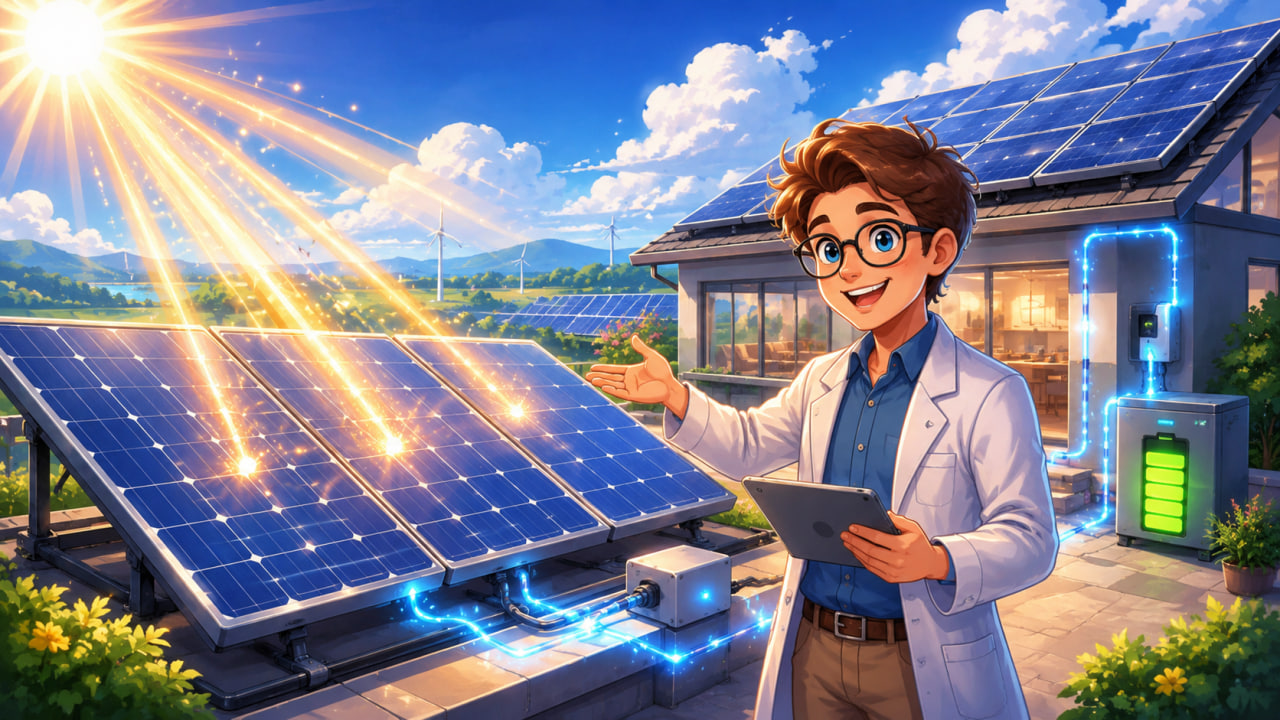
Photovoltaics is the technology that converts sunlight directly into electricity. It powers everything from pocket calculators and rooftop solar panels to satellites, factories, and utility-scale solar farms.
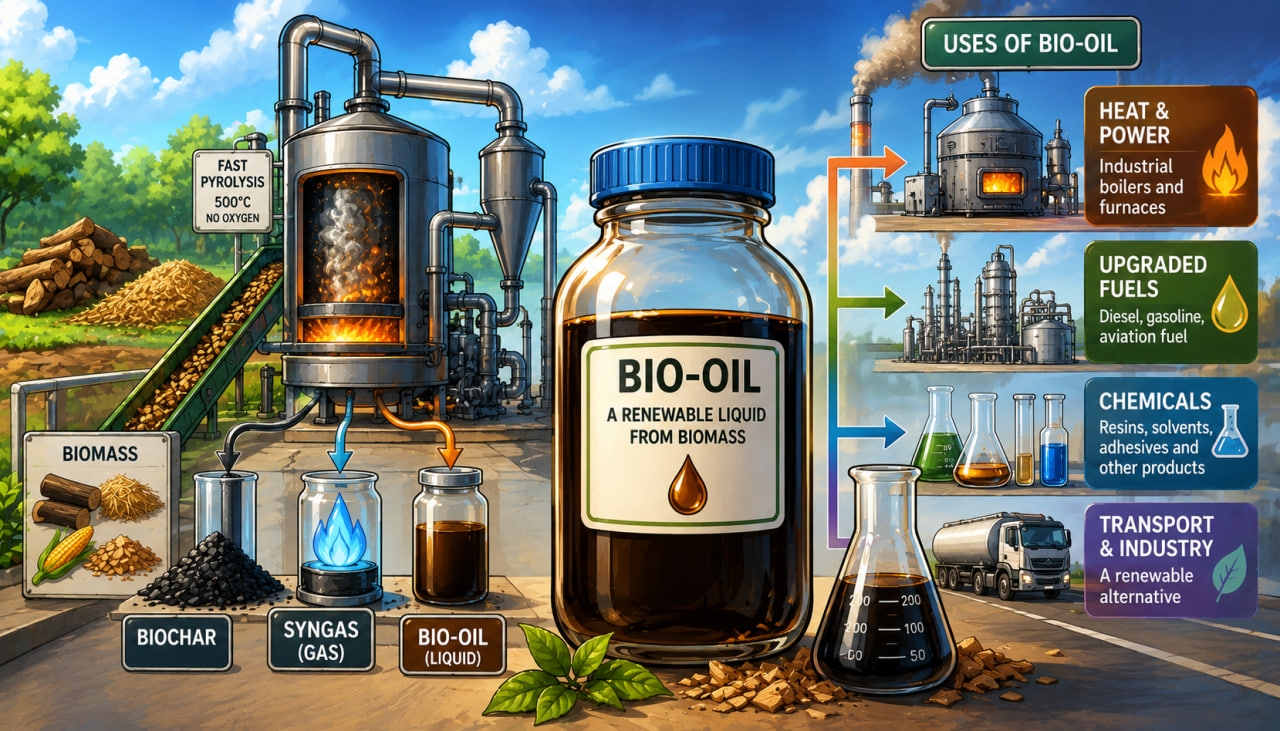
Bio-oil is a dark, energy-rich liquid produced when plant material and other forms of biomass are rapidly heated with little or no oxygen. It is also known as pyrolysis oil, fast-pyrolysis bio-oil, or sometimes bio-crude.
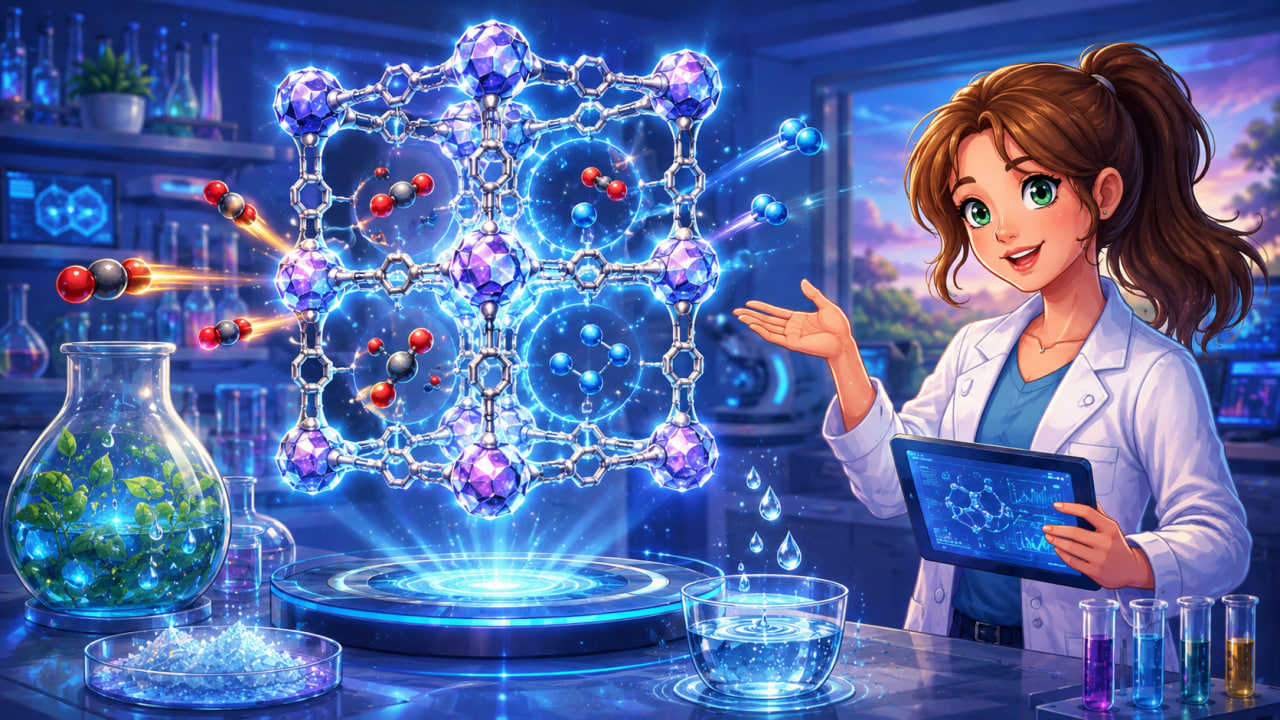
Metal-organic frameworks, commonly known as MOFs, are among the most adaptable materials developed by modern chemistry. Their microscopic structures contain enormous networks of pores that can capture, separate, store, or release selected molecules.
For decades, every mobile phone relied on a small plastic SIM card that identified the user on a cellular network. Whether it was a standard SIM, micro-SIM, or nano-SIM, the principle remained the same: insert a physical card, activate the service, and connect to your mobile operator.
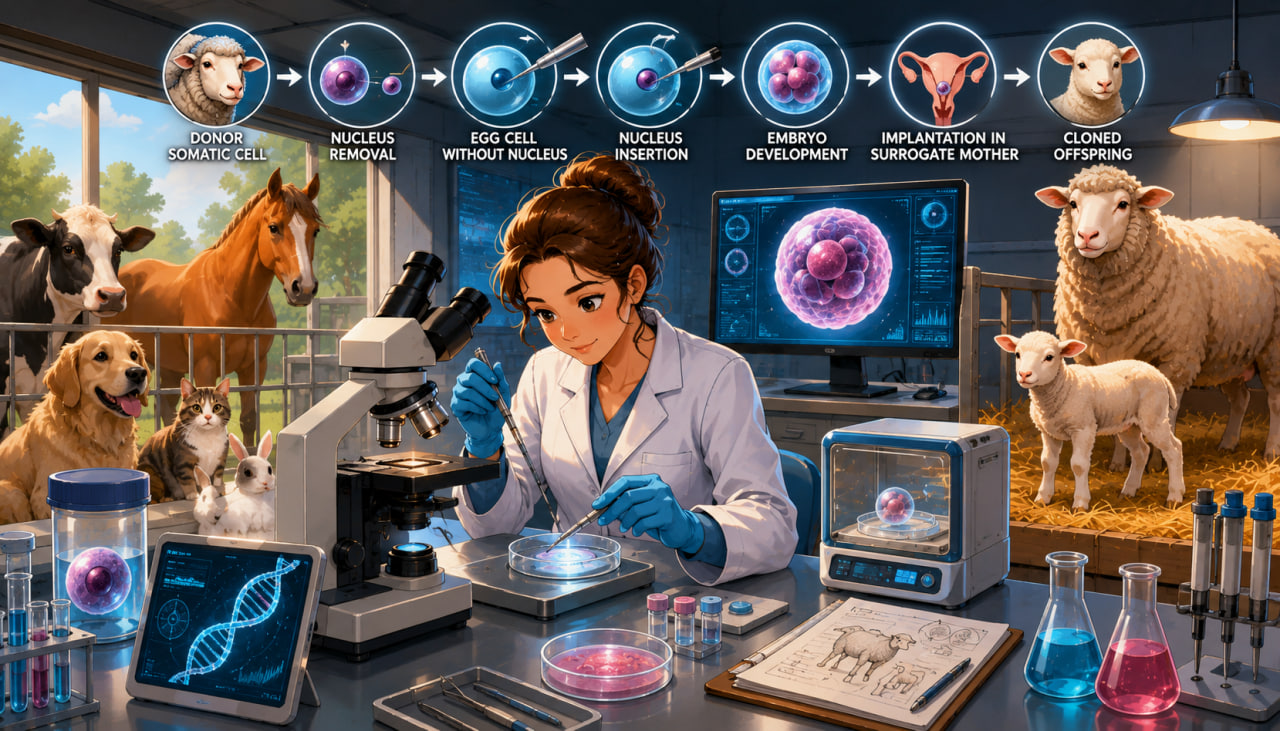
Animal cloning is one of the most fascinating and controversial achievements of modern biotechnology. Once considered the realm of science fiction, cloning became a scientific reality in 1996 with the birth of Dolly the sheep, the world's first mammal cloned from an adult body cell. Since then, scientists have successfully cloned dozens of animal species, including cattle, horses, cats, dogs, rabbits, wolves, and endangered animals. But what exactly is animal cloning? Can it help save endangered species? Does a clone behave exactly like the original animal? And could this technology one day transform conservation, agriculture, and medicine? The answers are more complex than many people realize. Animal cloning is a powerful scientific tool, but it is neither a method for creating identical personalities nor a simple solution to biodiversity loss.
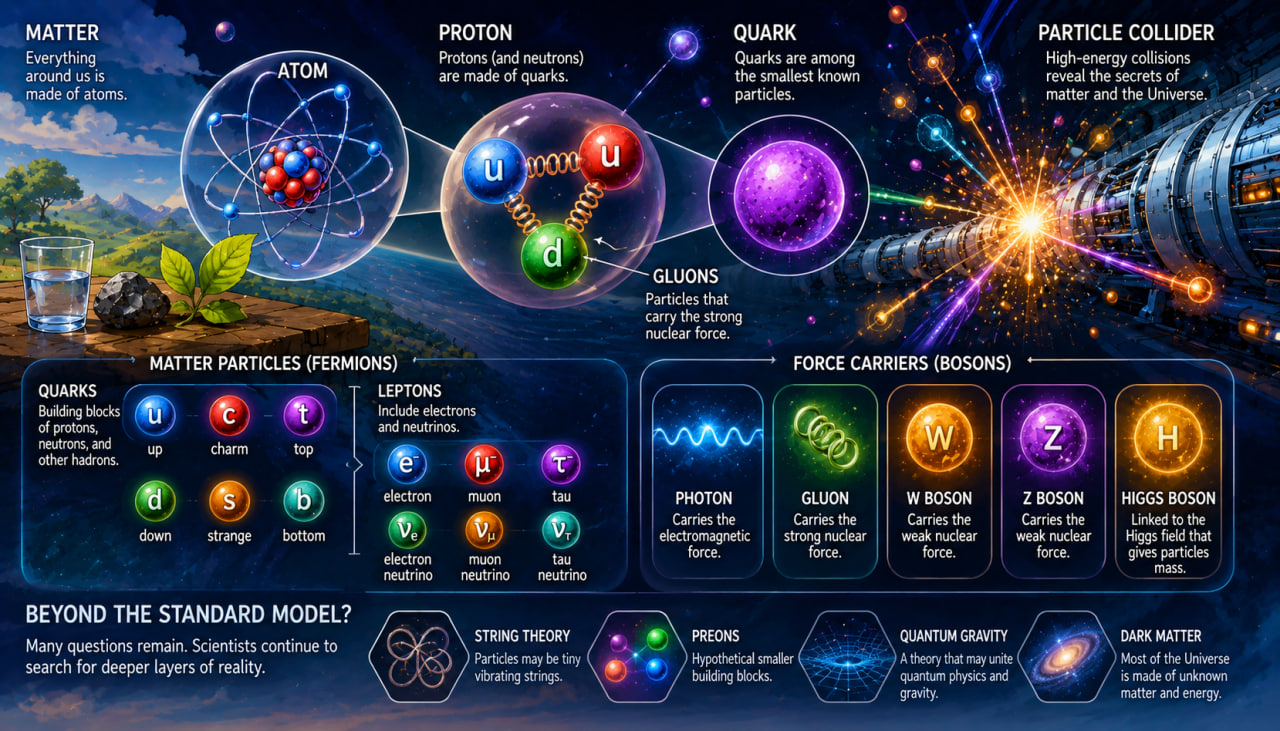
Everything we see in the Universe—from galaxies and stars to living cells and the atoms in our bodies—is built from incredibly tiny particles. For centuries, scientists believed atoms were the smallest indivisible building blocks of matter. Later, atoms were found to contain protons, neutrons, and electrons. Then physicists discovered that even protons and neutrons are composed of even smaller particles called quarks. This naturally leads to one of the biggest questions in modern physics: Are elementary particles truly fundamental, or are they themselves made of something even smaller? According to today's best scientific evidence, elementary particles appear to have no internal structure. However, scientists continue searching for deeper layers of reality that could reshape our understanding of the Universe.
5G is the fifth generation of mobile communication technology. It is the successor to 4G LTE and was designed not only to make smartphones faster, but also to support a new digital infrastructure for cities, industry, transport, medicine, entertainment, and the Internet of Things. For most people, 5G means faster mobile internet, smoother video calls, quicker downloads, and better performance in crowded places. But technically, 5G is much more than a speed upgrade. It is a new network architecture built to connect millions of devices, reduce delay, improve reliability, and support services that older networks were not designed to handle. According to the International Telecommunication Union, 5G, formally known as IMT-2020, is built around three major usage scenarios: enhanced mobile broadband, ultra-reliable low-latency communications, and massive machine-type communications.
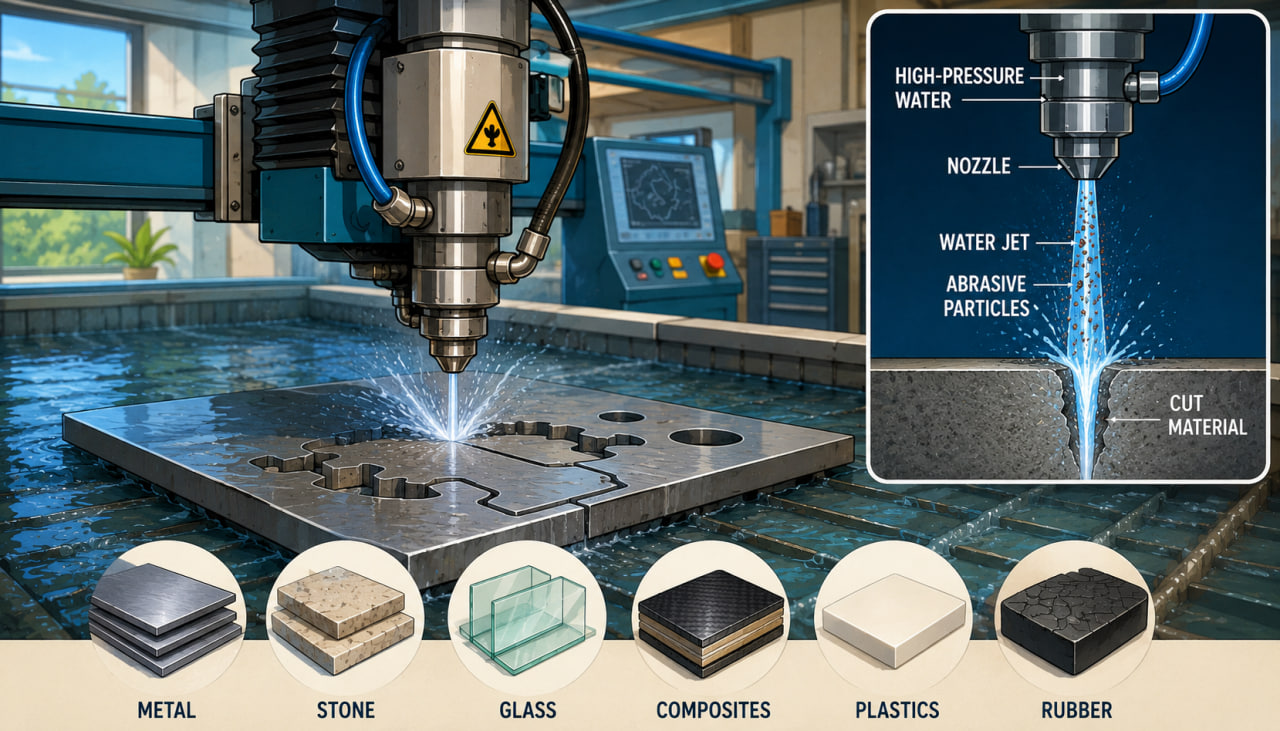
Waterjet cutting is one of the most fascinating manufacturing technologies used today. At first glance, the idea seems almost impossible: how can water, one of the softest and most common substances on Earth, cut through thick steel, stone, glass, or titanium? Yet modern waterjet systems routinely perform these tasks with remarkable precision.
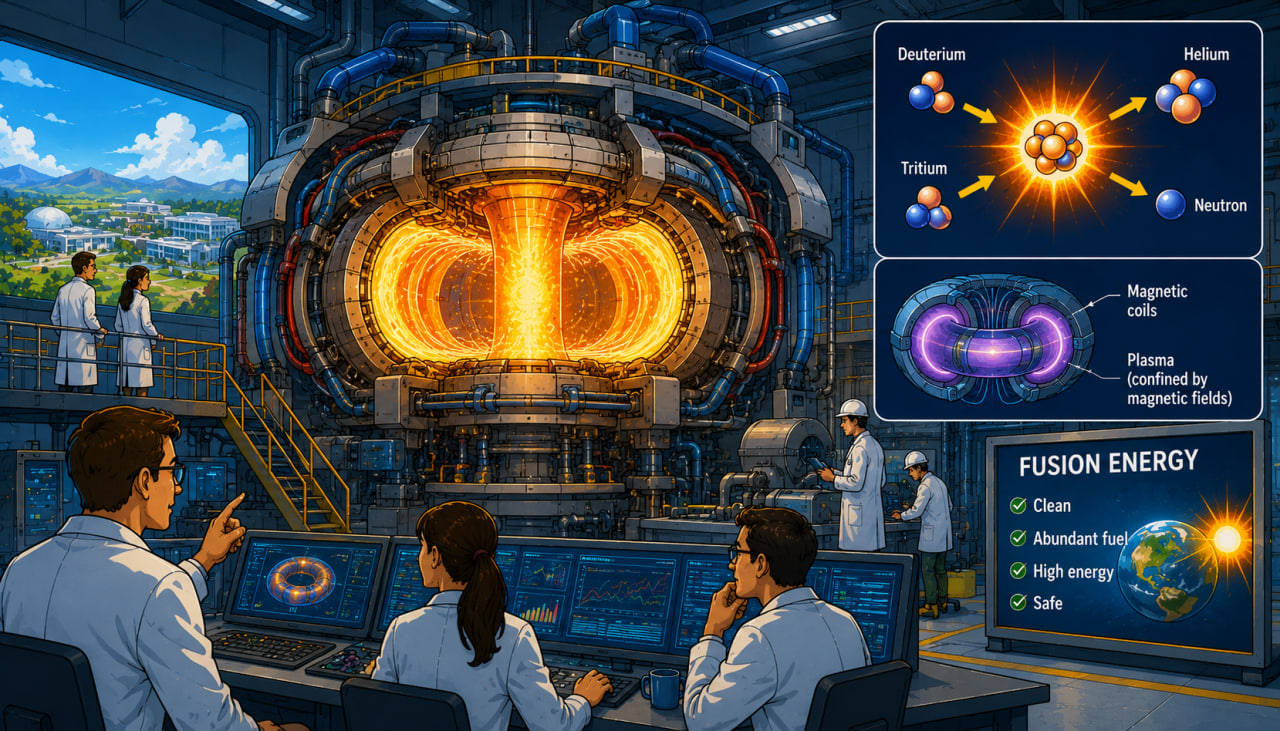
For decades, scientists have pursued one of humanity's most ambitious technological goals: creating a miniature version of the Sun on Earth. Such a breakthrough could provide enormous amounts of clean energy using abundant fuel while producing far less long-lived radioactive waste than conventional nuclear power plants.