Science

Science News 2026: The Biggest Discoveries and Breakthroughs So Far
Neuro-Tech Hi-Tech Bioengineering

Science News 2026: The Biggest Discoveries and Breakthroughs So Far

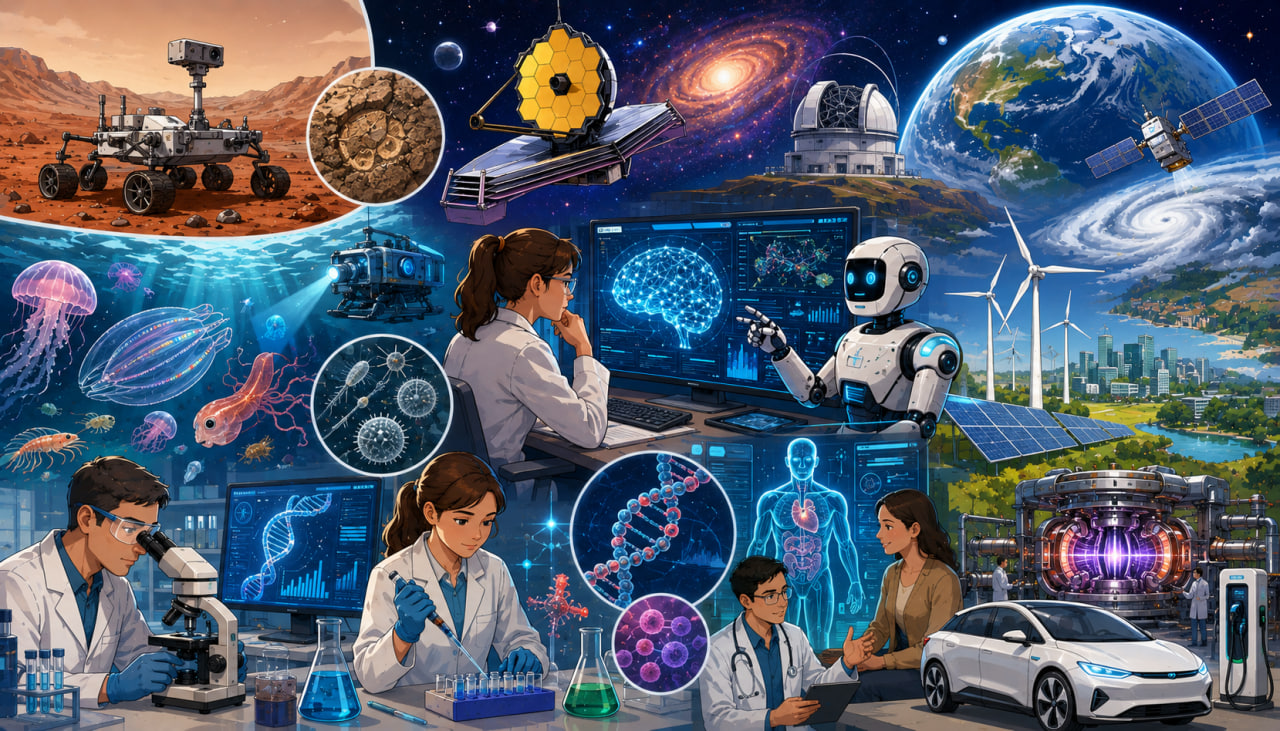
Science in 2026 is moving at an extraordinary pace. From exciting discoveries on Mars and the deep ocean to advances in quantum physics, medicine, artificial intelligence, and astronomy, researchers continue expanding humanity's understanding of the universe. While many breakthroughs are still being verified and refined, several developments have already attracted worldwide attention and may influence science for years to come. This overview highlights some of the most significant scientific news stories of 2026, explaining why they matter and how they could shape the future.


What Is Ball Lightning and How Does It Work? One of Nature's Greatest Mysteries
Science Be Smart Physics

What Is Ball Lightning and How Does It Work? One of Nature's Greatest Mysteries

Few natural phenomena are as mysterious as ball lightning. Unlike ordinary lightning, which appears as a brilliant flash lasting only a fraction of a second, ball lightning is described as a glowing sphere that can float through the air for several seconds before disappearing. For centuries, witnesses have reported luminous balls drifting silently through storms, entering buildings through open windows, and sometimes vanishing with a loud explosion. Despite thousands of eyewitness accounts, ball lightning remains one of the least understood atmospheric phenomena in science. Researchers continue investigating its origin using laboratory experiments, computer simulations, and observations from thunderstorms. While several promising theories exist, no single explanation has yet been universally accepted.

Radar and Sonar: How These Technologies Help Us See the Sky and Explore the Ocean
Smart Technology Science Inventions

Radar and Sonar: How These Technologies Help Us See the Sky and Explore the Ocean

Radar and sonar are two of the most remarkable sensing technologies ever developed. Although they are often mentioned together, they operate in very different environments. Radar uses radio waves to detect objects in the air, on land, and even in space, while sonar relies on sound waves to locate and study objects underwater. Today, these technologies play essential roles in aviation, maritime navigation, military defense, scientific research, weather forecasting, and environmental monitoring. Without radar and sonar, modern transportation and ocean exploration would be far more difficult—and in many cases, far less safe. Understanding how radar and sonar work reveals how humans have learned to "see" where ordinary vision cannot reach.

Oceanography: Exploring the Science of Earth's Oceans
Science Be Smart

Oceanography: Exploring the Science of Earth's Oceans

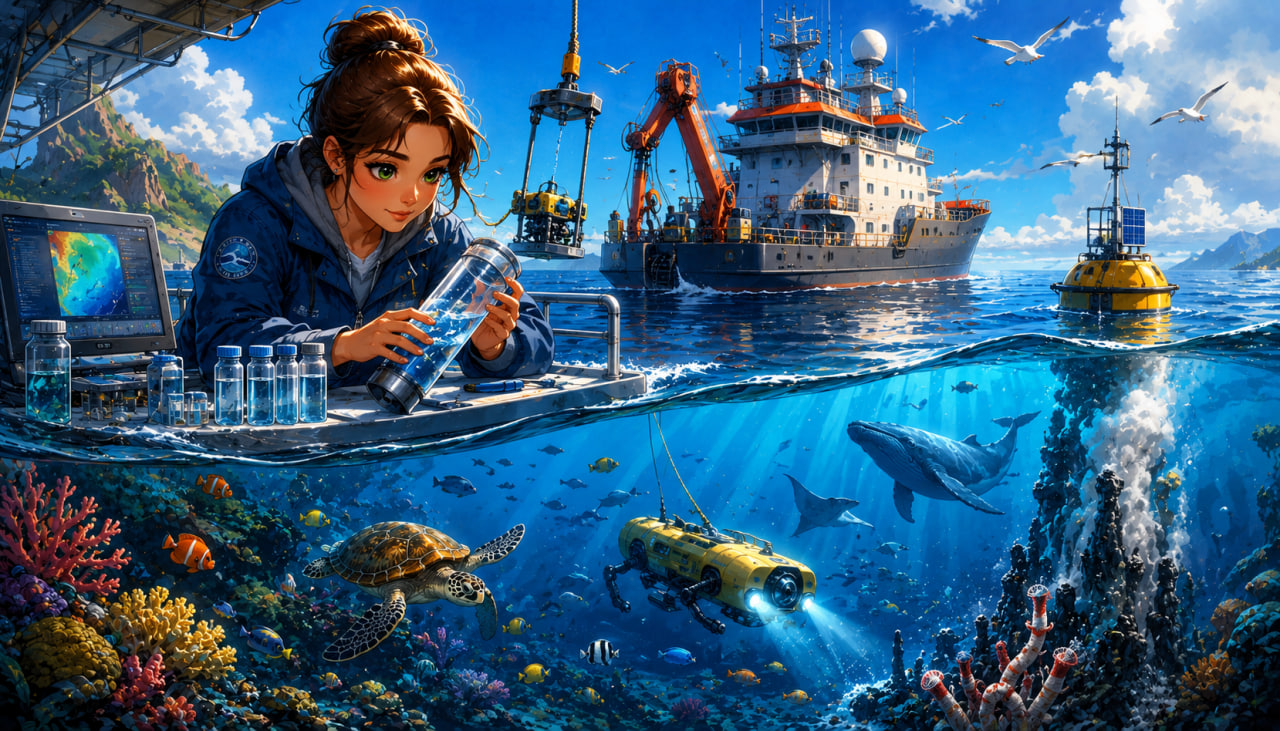
Covering more than 70% of Earth's surface, the oceans play a fundamental role in shaping the planet's climate, supporting biodiversity, regulating weather patterns, and sustaining human life. Yet despite centuries of exploration, scientists estimate that a large portion of the deep ocean remains unexplored. Oceanography—the scientific study of the oceans—helps researchers understand this vast underwater world and its influence on our planet. Modern oceanography combines biology, chemistry, physics, geology, engineering, and satellite technology to answer questions about marine ecosystems, ocean currents, climate change, and the mysterious depths of the sea. As environmental challenges continue to grow, oceanographic research has become more important than ever.

Computer Innovations of 2026: Technologies Shaping the Future of Computing
Hi-Tech Smart Technology Science

Computer Innovations of 2026: Technologies Shaping the Future of Computing

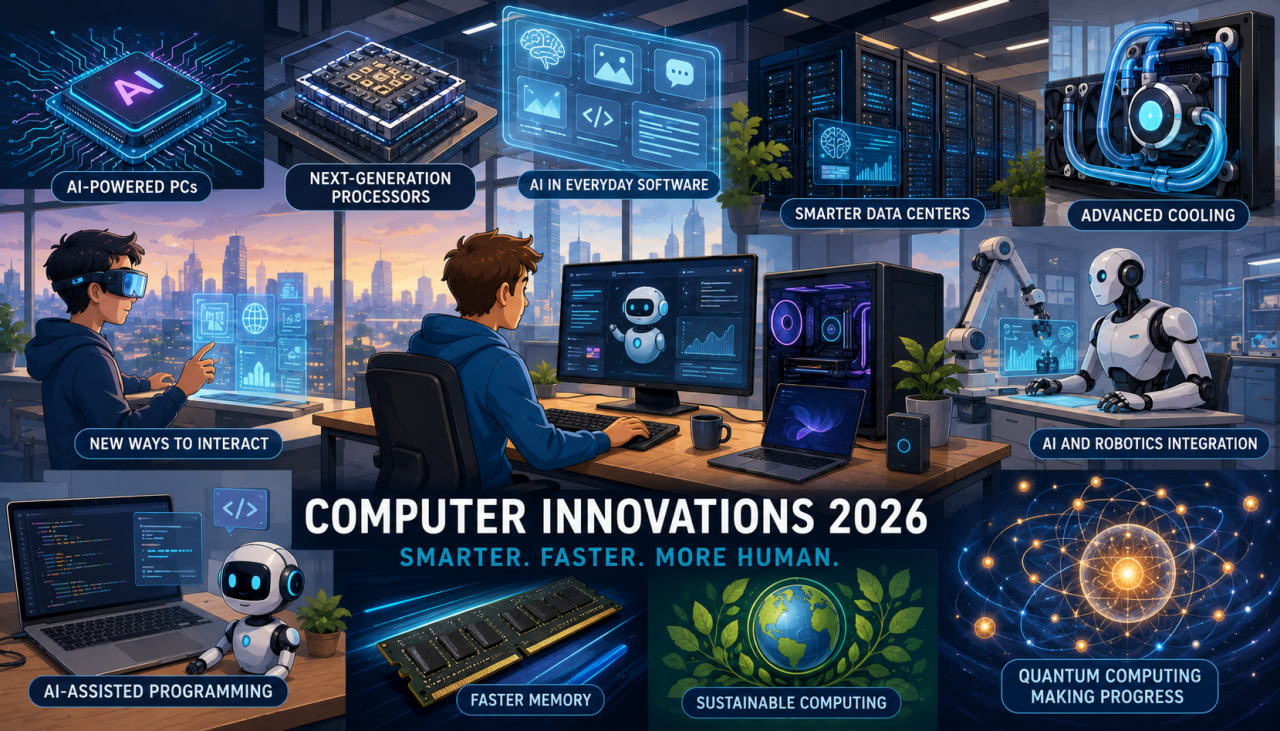
The year 2026 is becoming an exciting period for computer technology. Advances in artificial intelligence, processor design, memory systems, data centers, and human-computer interaction are transforming how computers operate and how people use them. While computers have become increasingly powerful over the past decades, recent innovations are focusing not only on raw performance but also on efficiency, intelligence, and adaptability. From AI-powered personal computers to next-generation chips and emerging quantum technologies, the computing industry is entering a new phase of development. These innovations are expected to influence everything from home computing and gaming to scientific research and industrial automation.

Chemotaxis: How Do Bacteria Find and Consume Food?
Bioengineering Science Be Smart

Chemotaxis: How Do Bacteria Find and Consume Food?

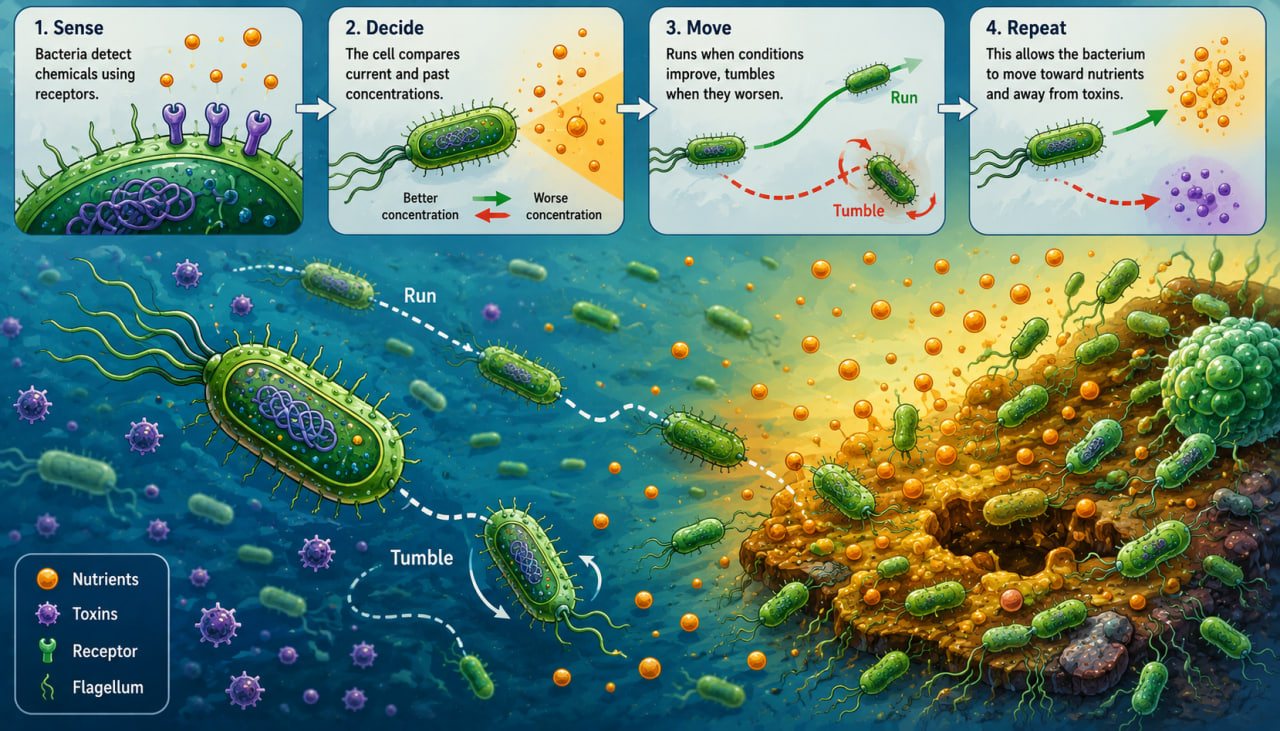
Bacteria are among the smallest and oldest living organisms on Earth. Although a single bacterium is only a tiny fraction of a millimeter in size and lacks a brain or nervous system, many species can perform surprisingly sophisticated behaviors. One of the most remarkable is the ability to locate food sources in their environment. This process is known as chemotaxis—the ability of an organism to move in response to chemical signals. Through chemotaxis, bacteria can detect nutrients, avoid harmful substances, and navigate complex environments with astonishing efficiency. At first glance, it may seem impossible for a microscopic cell to "search" for food. Yet bacteria have evolved molecular systems that allow them to sense chemical gradients and make movement decisions that increase their chances of survival. In many ways, chemotaxis represents one of nature's simplest and most elegant navigation systems.

Immortality: What Does Science Really Say?
Bioengineering Science What if?

Immortality: What Does Science Really Say?

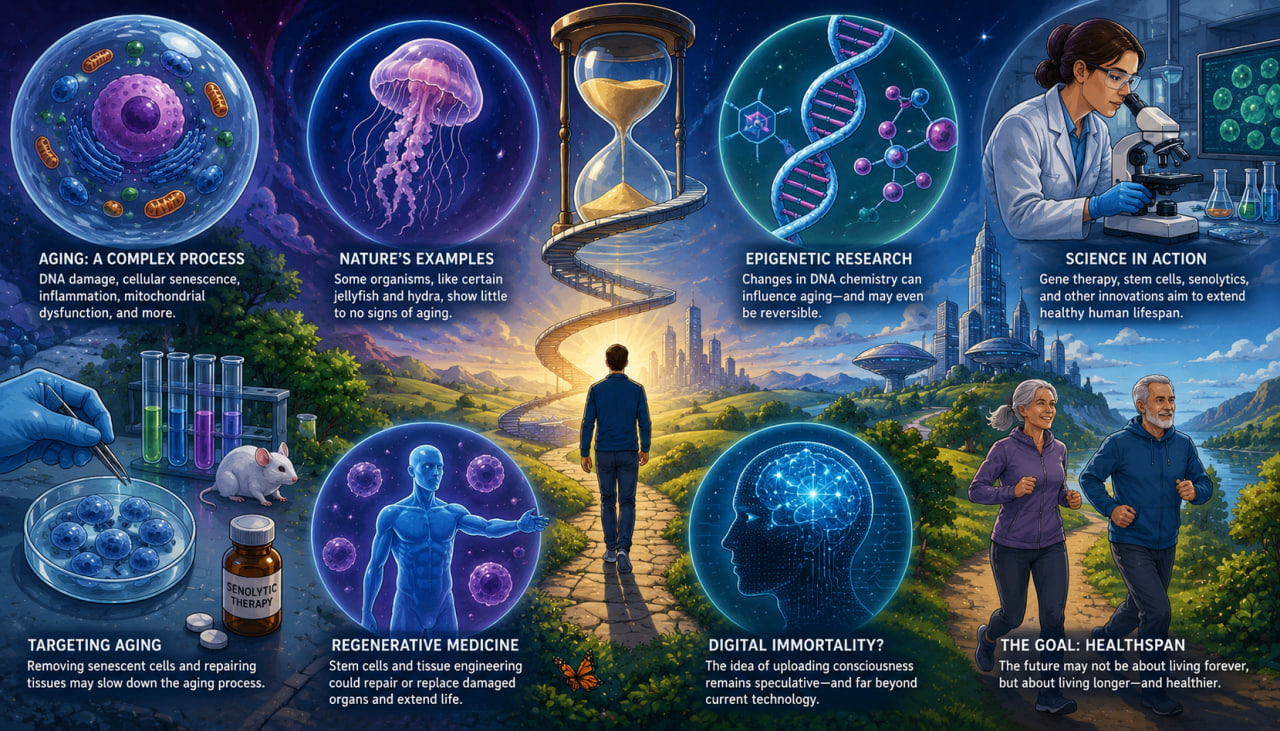
For thousands of years, humanity has dreamed of immortality. Ancient myths spoke of magical elixirs, sacred springs, and divine powers capable of granting eternal life. Today, science has replaced mythology, but the question remains remarkably similar: can humans ever become immortal? Modern biology, genetics, and medicine have dramatically increased life expectancy compared to previous centuries. Diseases that once killed millions can now be prevented or treated. Researchers are actively studying aging, cellular repair, gene therapy, and regenerative medicine. Yet despite these advances, true biological immortality remains one of the greatest scientific challenges. The reality is both more hopeful and more complicated than science fiction often suggests.

Epigenetic Clocks: How the Chemistry of DNA Reveals Biological Age
Bioengineering Science News

Epigenetic Clocks: How the Chemistry of DNA Reveals Biological Age

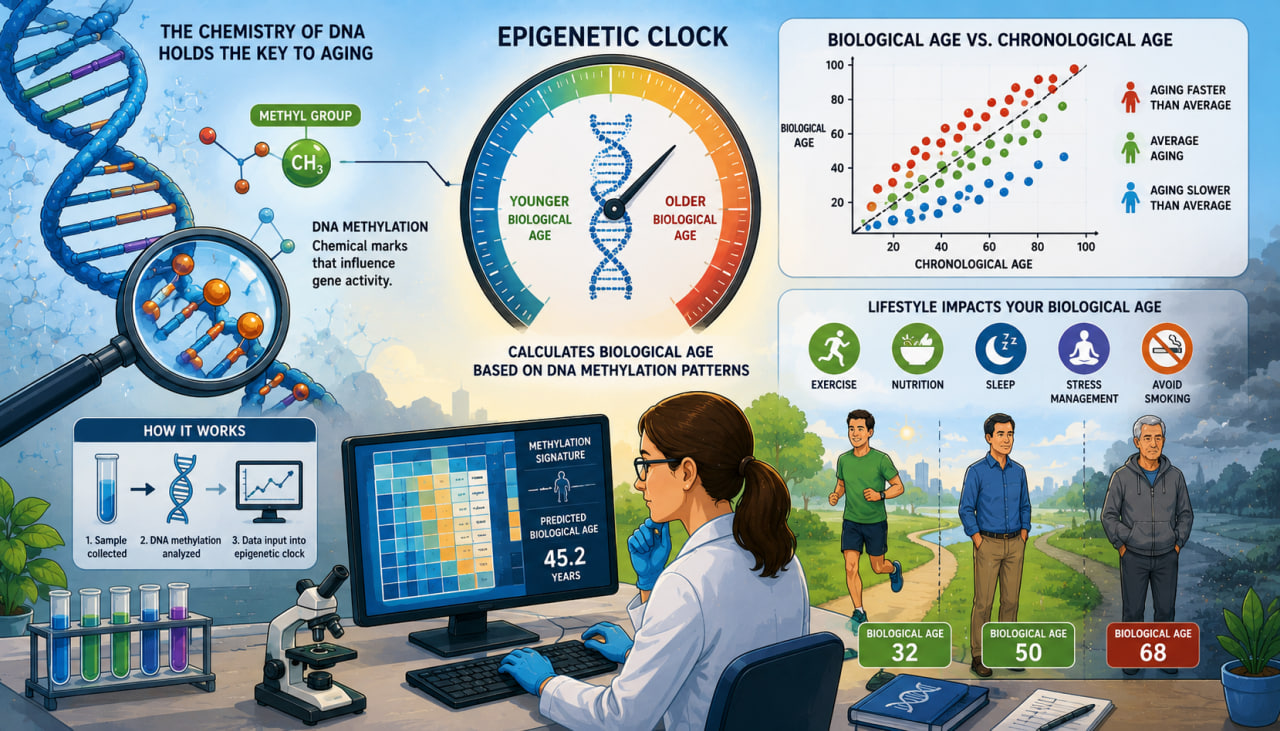
Most people know their chronological age—the number of years that have passed since their birth. However, scientists have increasingly discovered that chronological age does not always match biological age. Two people born on the same day can have remarkably different levels of health, disease risk, and life expectancy. This realization has led researchers to search for reliable ways to measure how old the body truly is. One of the most promising tools to emerge from this effort is the epigenetic clock. By analyzing chemical markers attached to DNA, scientists can estimate biological age with astonishing accuracy and gain insights into how quickly a person is aging. Some modern epigenetic clocks are so precise that they can predict age within a few years and, under certain laboratory conditions, detect changes that occur over relatively short periods. These discoveries are transforming aging research and may eventually help doctors monitor health in entirely new ways.