Science

Age Engineering: Will Aging One Day Be Treated Like a Disease?
Bioengineering Science New Discoveries

Age Engineering: Will Aging One Day Be Treated Like a Disease?

For centuries, aging was considered an inevitable and untouchable part of human life. Today, advances in biotechnology, genetics, and cellular research are challenging that assumption. Scientists increasingly view aging not as a single process, but as a collection of biological mechanisms that might be slowed, modified, or partially reversed. The emerging field often referred to as age engineering focuses on understanding and targeting the cellular drivers of aging. While aging cannot currently be “cured,” researchers are exploring whether its underlying processes can be managed similarly to chronic conditions. The idea of treating aging like a routine medical issue remains speculative, but scientific progress continues to reshape expectations.


René Descartes: The Philosopher Who Redefined Reason and Reality
History Science Be Smart

René Descartes: The Philosopher Who Redefined Reason and Reality

René Descartes was one of the most influential thinkers of the 17th century and is often called the “father of modern philosophy.” Living during a period of profound scientific transformation, he sought to establish knowledge on a foundation of absolute certainty. His work reshaped philosophy, mathematics, and science, laying the groundwork for rationalism and analytic geometry. Descartes believed that reason, rather than tradition or authority, should guide the search for truth. His ideas influenced generations of philosophers, scientists, and mathematicians. Even today, his method of systematic doubt remains central to discussions about knowledge and consciousness.

AI in High-Energy Physics: Searching for New Particles in Colliders
Hi-Tech AI & Ethics Science

AI in High-Energy Physics: Searching for New Particles in Colliders

High-energy physics explores the fundamental building blocks of matter by accelerating particles to near-light speeds and colliding them inside massive detectors. Experiments conducted at particle colliders generate enormous volumes of data, recording billions of particle interactions every second. Identifying meaningful signals within this data is one of the greatest challenges in modern physics. Artificial intelligence has become an essential tool in filtering, classifying, and analyzing collision events. By recognizing subtle statistical patterns, AI systems assist physicists in the search for previously unknown particles. As experiments grow more complex, machine learning accelerates discovery while maintaining scientific rigor.

Technological Singularity: A Point of No Return for Humanity?
AI & Ethics Science AI

Technological Singularity: A Point of No Return for Humanity?

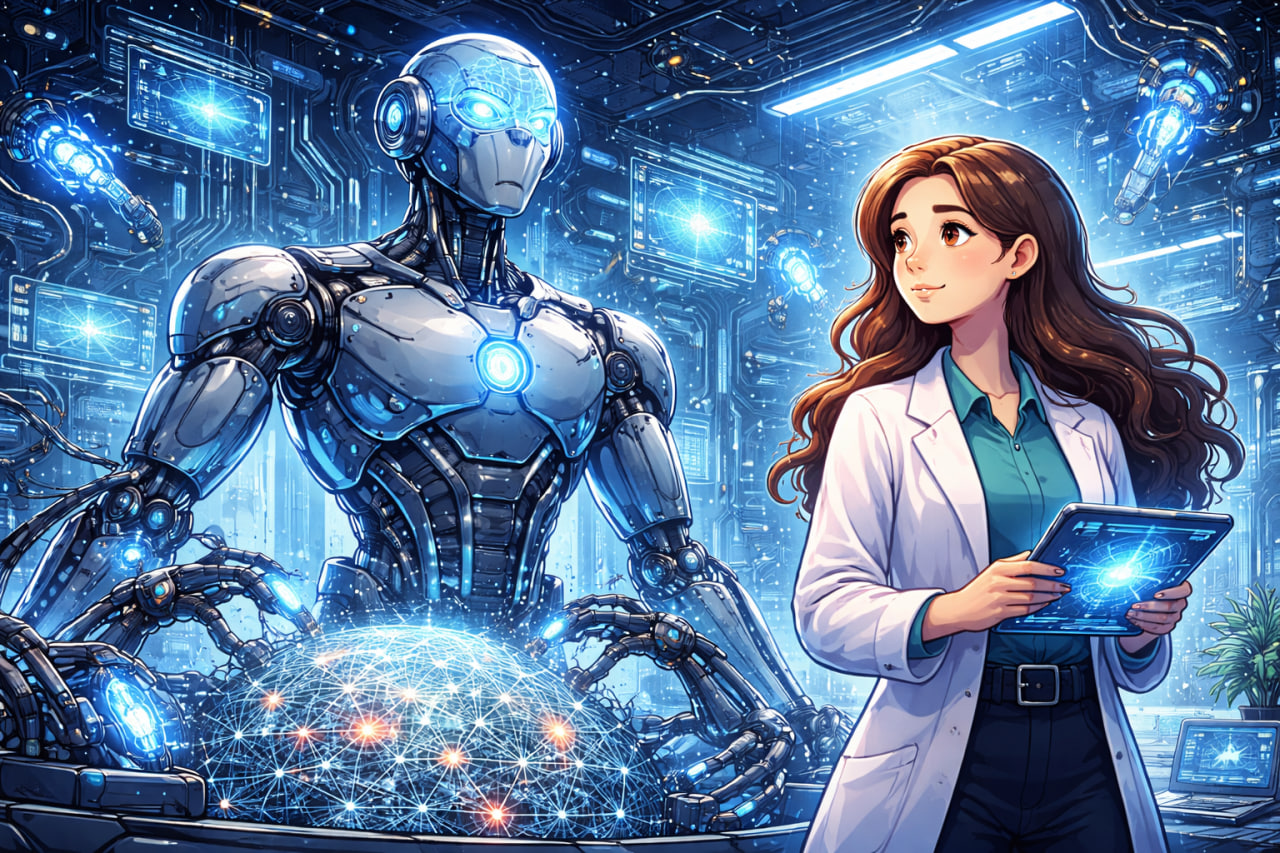
The concept of technological singularity refers to a hypothetical moment when artificial intelligence surpasses human intelligence and begins improving itself at an accelerating rate. This idea suggests a turning point after which technological growth becomes unpredictable and potentially irreversible. Supporters argue that such a transition could transform medicine, energy systems, and scientific discovery beyond current imagination. Critics caution that the concept remains speculative and dependent on breakthroughs that have not yet occurred. The singularity debate raises fundamental questions about human identity, control, and long-term survival. Rather than predicting doom or utopia, researchers examine the conditions under which advanced AI could fundamentally reshape civilization.

Light Sail Technology: How Spacecraft Can Travel Using Light
Cosmic Innovations Science New Discoveries

Light Sail Technology: How Spacecraft Can Travel Using Light

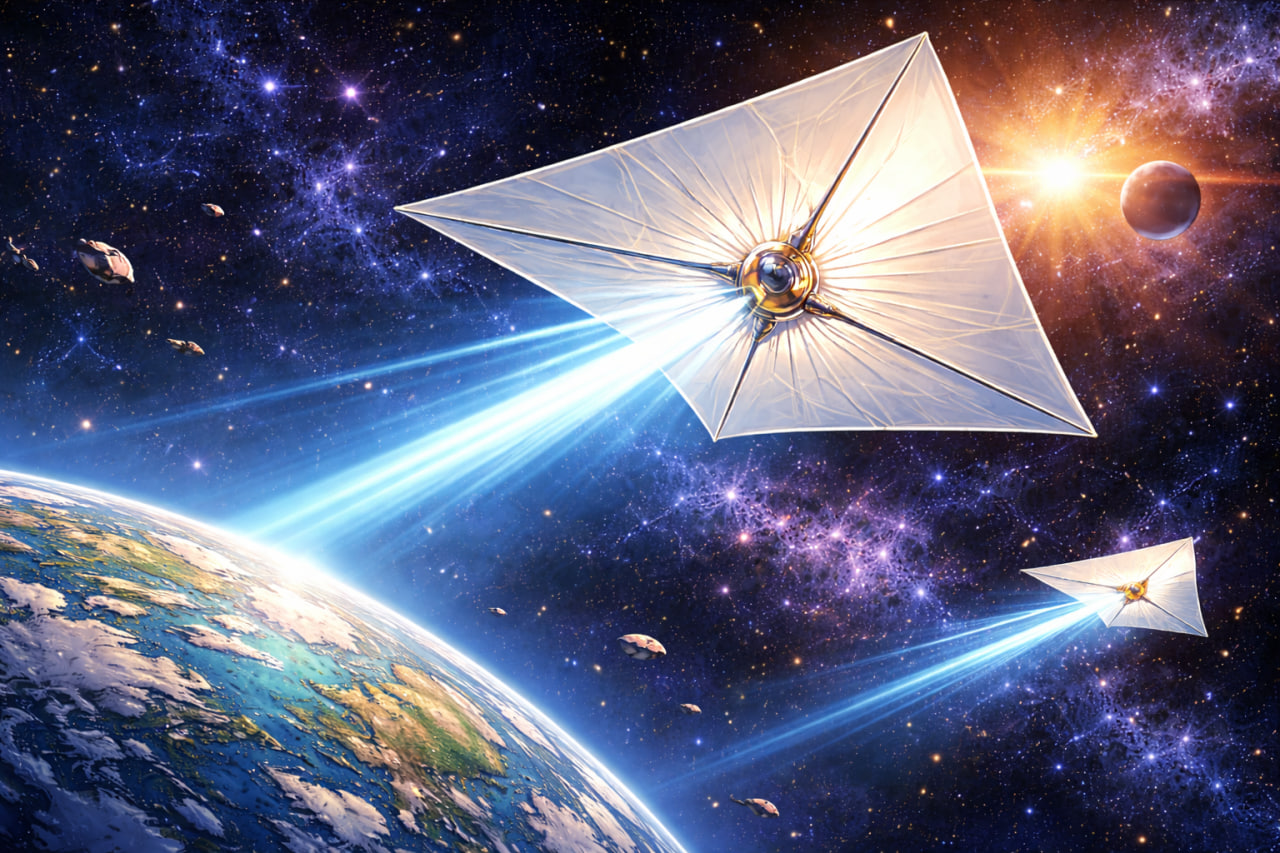
Light sail technology is one of the most innovative propulsion concepts in modern space exploration. Unlike traditional rockets that rely on fuel combustion, light sails use radiation pressure from photons—particles of light—to generate thrust. Although photons have no mass, they carry momentum, and when they strike a reflective surface, they exert a tiny but continuous force. Over time, this gentle push can accelerate a spacecraft to extremely high speeds without carrying heavy fuel. This concept dramatically reduces mass and opens new possibilities for deep-space missions. Light sail propulsion represents a shift from chemical energy to physics-based propulsion, relying on the fundamental properties of light itself.

Leonardo da Vinci: The Mind That Shaped the Renaissance
History Science Be Smart

Leonardo da Vinci: The Mind That Shaped the Renaissance

Leonardo da Vinci is widely regarded as one of the most extraordinary minds in human history, a figure whose influence extends far beyond art alone. Living during the Renaissance, he embodied the ideal of the universal genius, mastering painting, anatomy, engineering, architecture, and natural science. Leonardo approached the world with relentless curiosity, believing that direct observation and experimentation were the keys to understanding reality. His notebooks reveal a mind constantly questioning how nature works, how the human body moves, and how machines could imitate life. Even centuries after his death, Leonardo remains a symbol of the limitless potential of human creativity and intellect.

The History of Robotics: From Mechanical Dreams to Intelligent Machines
History Science Be Smart

The History of Robotics: From Mechanical Dreams to Intelligent Machines

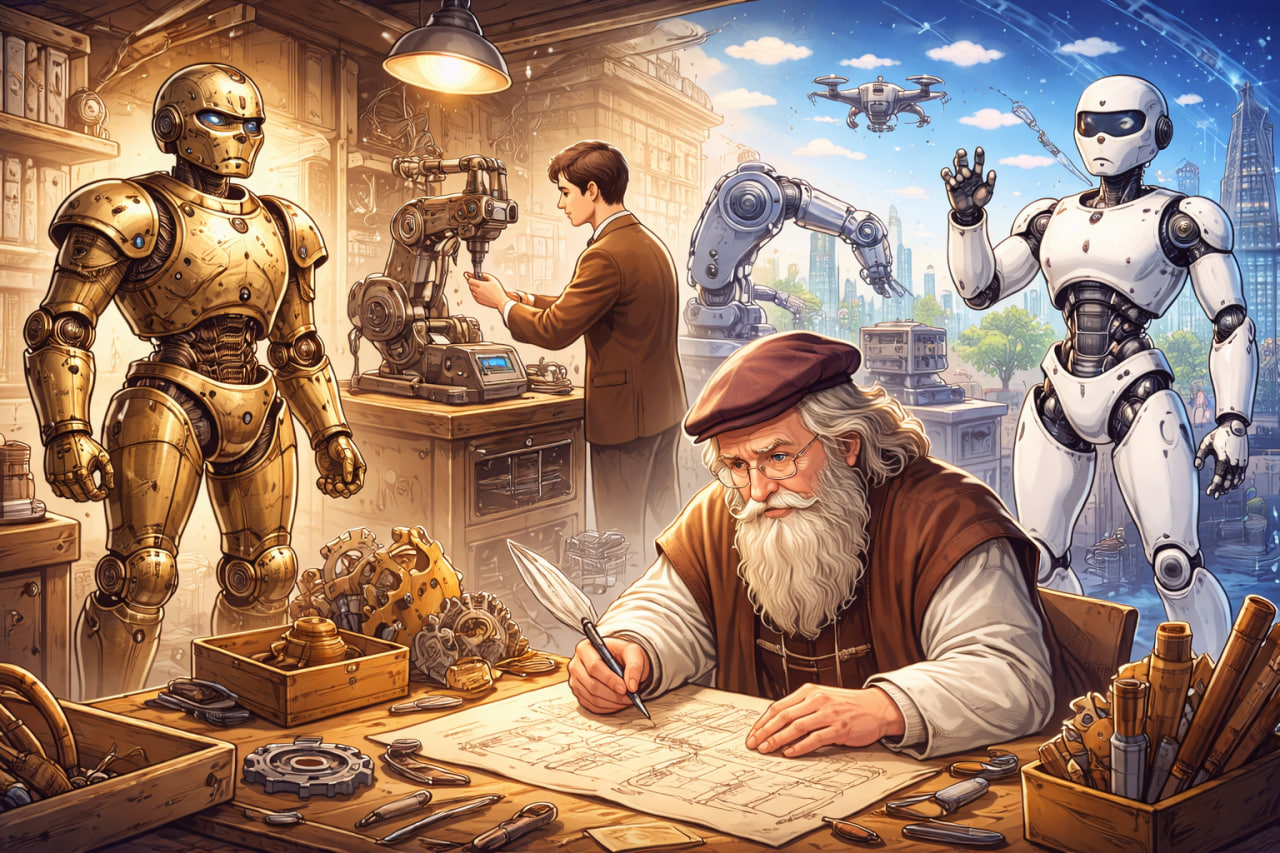
Robotics is often associated with futuristic technology, but its roots stretch deep into human history. Long before computers and artificial intelligence existed, people imagined and built mechanical devices that could imitate living beings or perform tasks automatically. Over centuries, these ideas evolved from simple mechanical toys into complex machines capable of perception, movement, and decision-making. The history of robotics reflects humanity’s desire to extend physical abilities, reduce labor, and explore the boundary between machines and life. Understanding this history helps explain how modern robots emerged and where the field may be heading next.

Leonardo da Vinci’s Mechanical Knight
History Science Be Smart

Leonardo da Vinci’s Mechanical Knight

Leonardo da Vinci’s Mechanical Knight is considered one of the earliest known concepts of a humanoid robot in human history. Designed around the year 1495, this remarkable invention demonstrates how far ahead of his time Leonardo was in combining anatomy, mechanics, and imagination. Although the knight was never built during Leonardo’s lifetime, detailed sketches discovered centuries later reveal a surprisingly sophisticated mechanical system. The Mechanical Knight was not merely a fantasy; it was a functional engineering concept based on precise observation of the human body. Today, it stands as a powerful symbol of the origins of robotics and human–machine design.

Artificial Gravity: How It Works and Why Humanity Needs It
Space Stories Cosmic Innovations Universe

Artificial Gravity: How It Works and Why Humanity Needs It

Artificial gravity is a concept designed to solve one of the most serious challenges of long-term space travel: the absence of natural gravity. While weightlessness may look fascinating, prolonged exposure to microgravity has significant negative effects on the human body, including muscle loss, bone weakening, and cardiovascular changes. To support long-duration missions, space stations, and future colonies, scientists and engineers have explored ways to simulate gravity using physical principles rather than massive planets. Artificial gravity is not science fiction—it is a scientifically grounded idea with real experimental foundations. Understanding how it works reveals how humans may one day live comfortably beyond Earth.

Quantum Entanglement and Its Practical Applications
Hi-Tech Smart Technology Science

Quantum Entanglement and Its Practical Applications

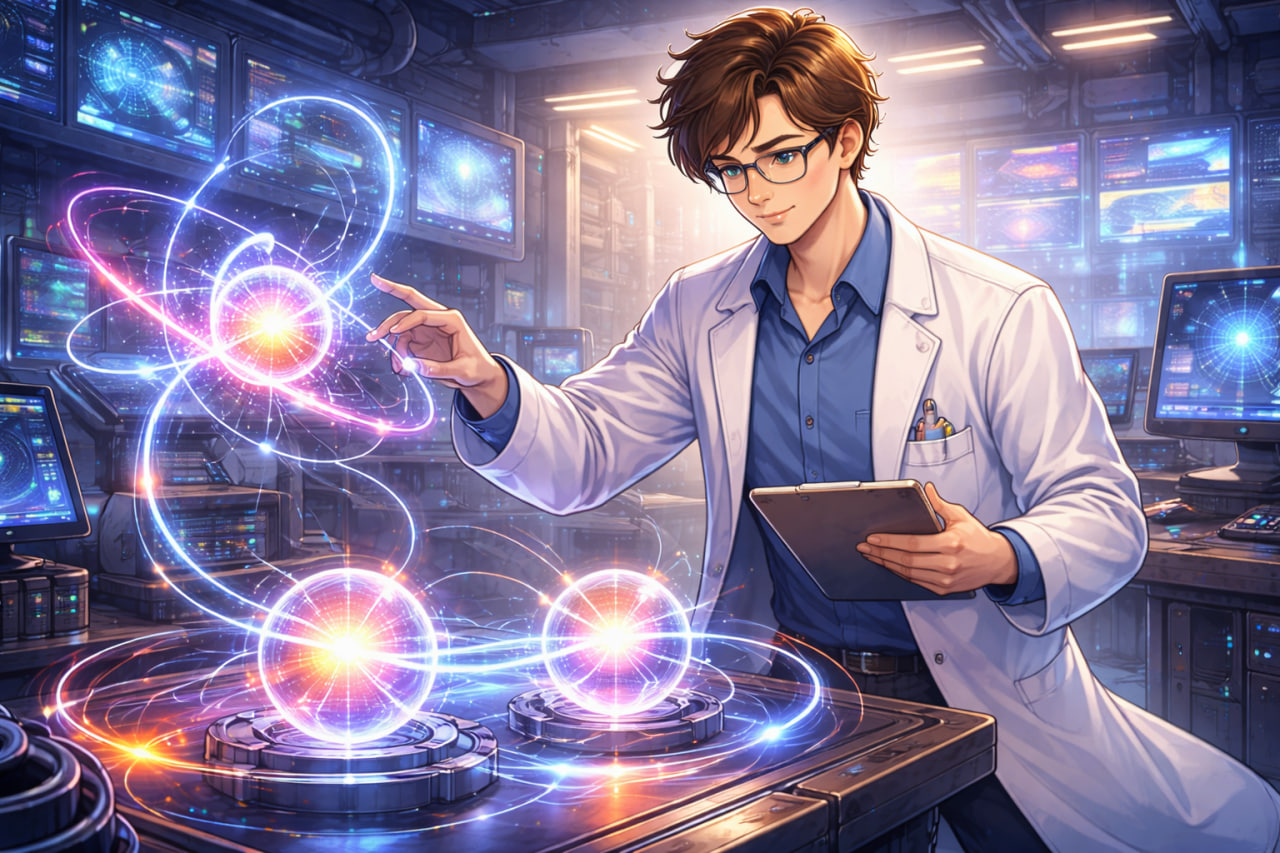
Quantum entanglement is one of the most fascinating and counterintuitive phenomena in modern physics, challenging classical ideas about space, time, and causality. It describes a situation in which two or more particles become so deeply connected that the state of one instantly influences the state of the other, no matter how far apart they are. What once seemed like a purely theoretical curiosity has now become a cornerstone of emerging technologies. Today, quantum entanglement is not only a subject of philosophical debate but also a practical resource for communication, computing, and measurement. Understanding how entanglement works opens a window into the future of technology shaped by the laws of quantum mechanics.