Science

Planck Length: Where Does the Standard Model Break Down?
Universe Science Be Smart

Planck Length: Where Does the Standard Model Break Down?

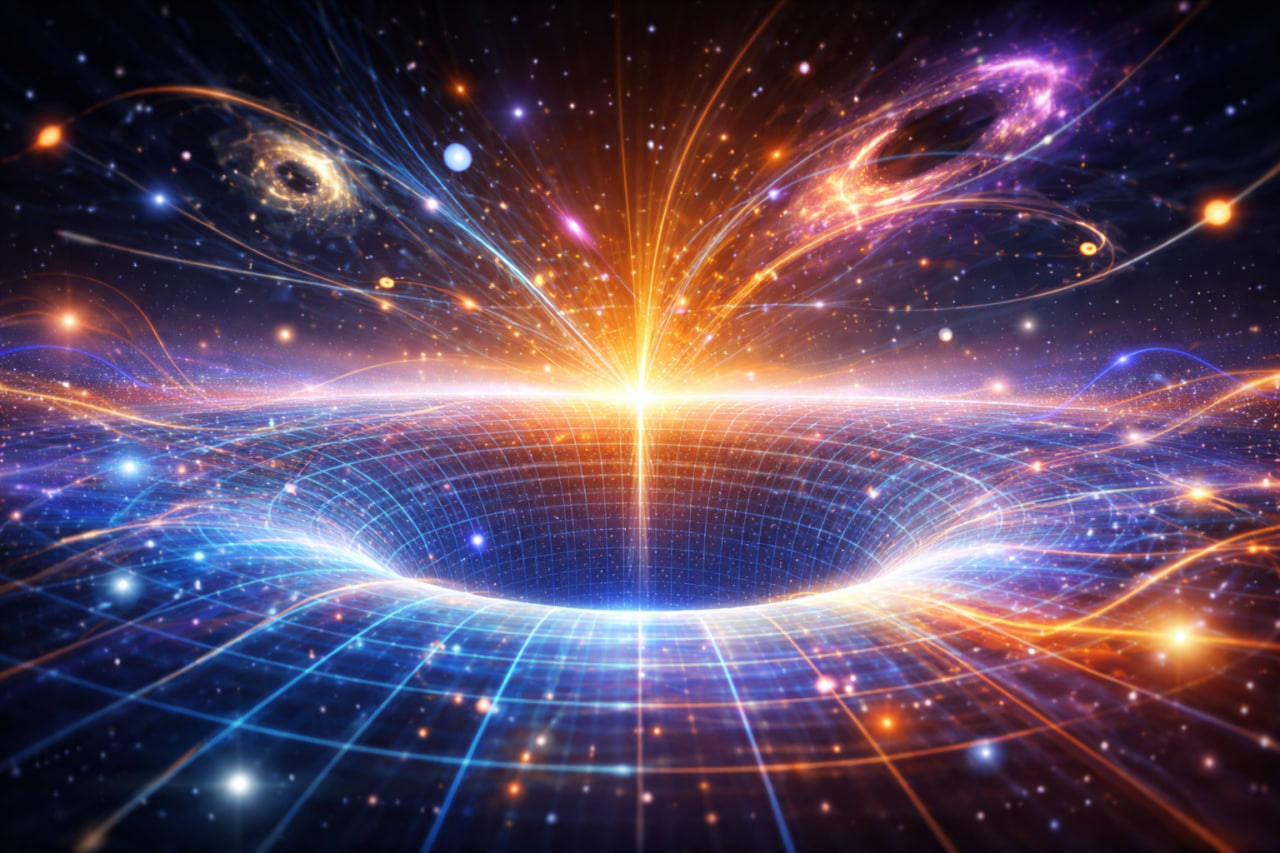
The Planck length represents one of the most fundamental limits in modern physics, marking a scale at which our current understanding of reality begins to break down. At approximately 1.6 × 10⁻³⁵ meters, it is considered the smallest meaningful unit of length, beyond which classical concepts of space and time may no longer apply. While the Standard Model of particle physics successfully describes fundamental particles and forces at accessible scales, it does not incorporate gravity in a fully consistent way. As scientists probe deeper into smaller distances, they encounter theoretical limits where known physics becomes incomplete. The Planck length emerges from combining constants of quantum mechanics, relativity, and gravity, suggesting a boundary where a new theory is required. Understanding this scale is crucial for exploring the unification of physics and the true nature of space-time.
What Einstein and Bohr Argued About: The Great Debate on Quantum Reality
History Science Be Smart

What Einstein and Bohr Argued About: The Great Debate on Quantum Reality

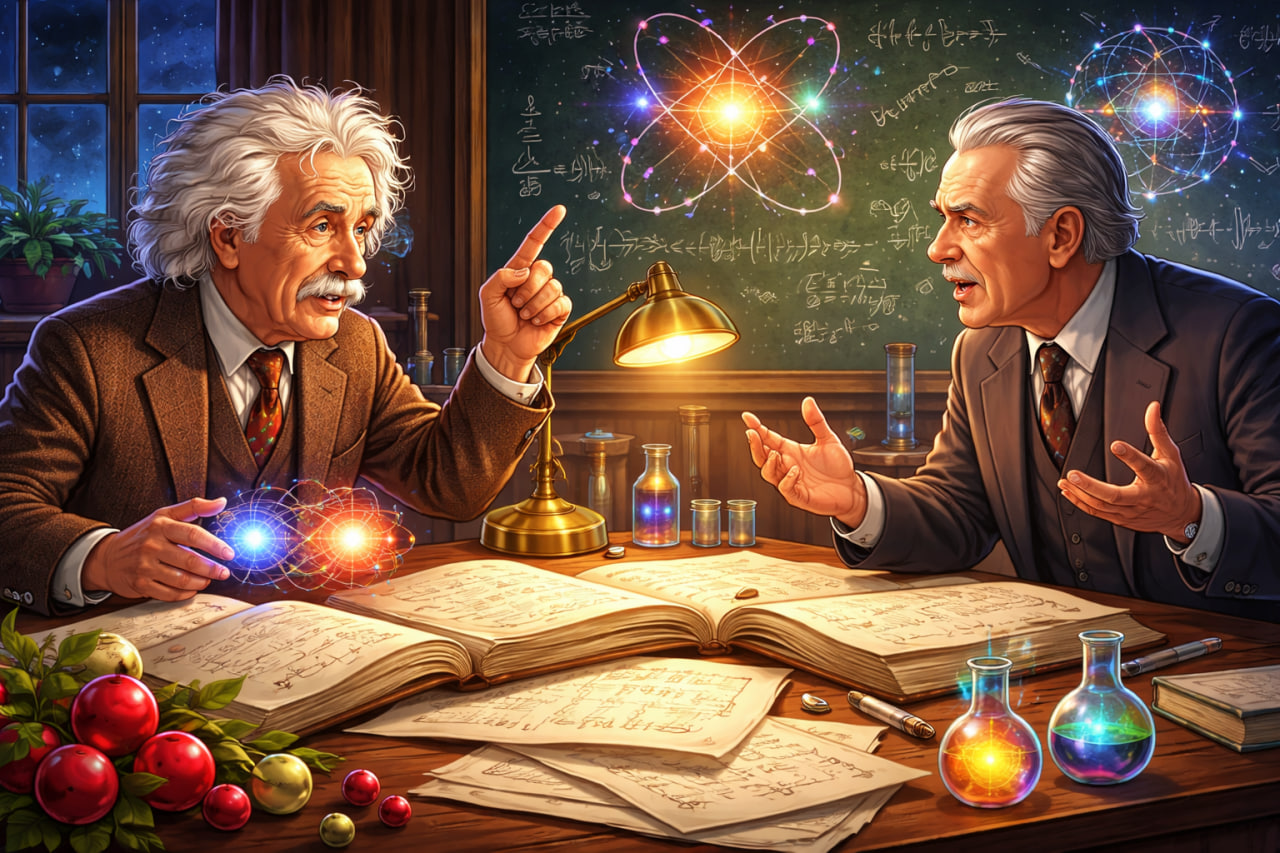
One of the most famous scientific debates in history took place between Albert Einstein and Niels Bohr. Their discussions were not about small details, but about the fundamental nature of reality itself. At the center of their disagreement was quantum mechanics, a theory describing how particles behave at the smallest scales. While both scientists contributed greatly to physics, they had very different views on what quantum theory actually meant.

Science and the Egyptian Pyramids
History Science Be Smart

Science and the Egyptian Pyramids

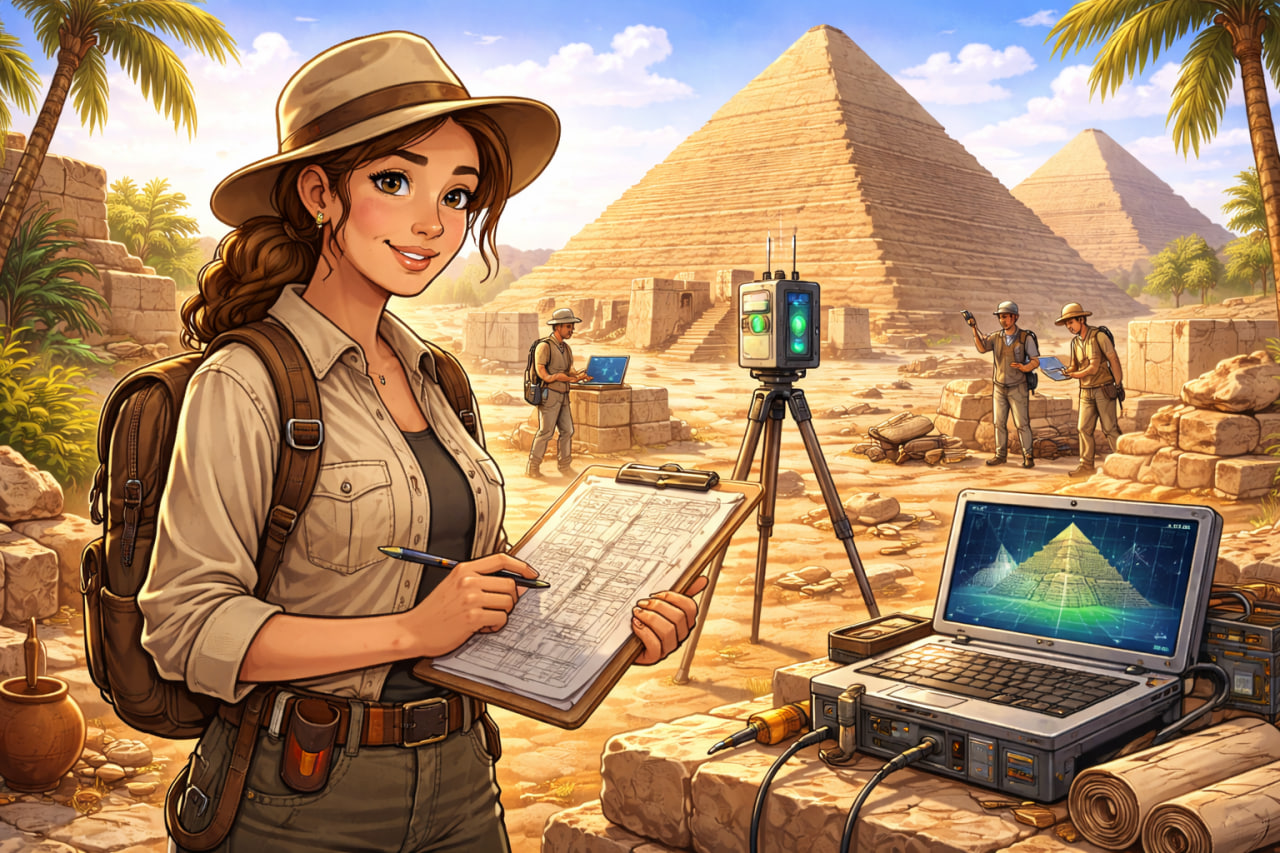
The pyramids of ancient Egypt remain among the most remarkable architectural achievements in human history. Built more than four thousand years ago, these massive stone monuments continue to fascinate scientists, historians, engineers, and archaeologists. While pyramids are often associated with mystery and legends, modern scientific research has revealed much about how they were constructed, why they were built, and what they tell us about the advanced knowledge of ancient Egyptian civilization. By combining archaeology, physics, geology, engineering, and modern scanning technologies, scientists continue to uncover new insights into the design and purpose of these extraordinary structures.

Imhotep: The Legendary Genius of Ancient Egypt
History Science Be Smart

Imhotep: The Legendary Genius of Ancient Egypt

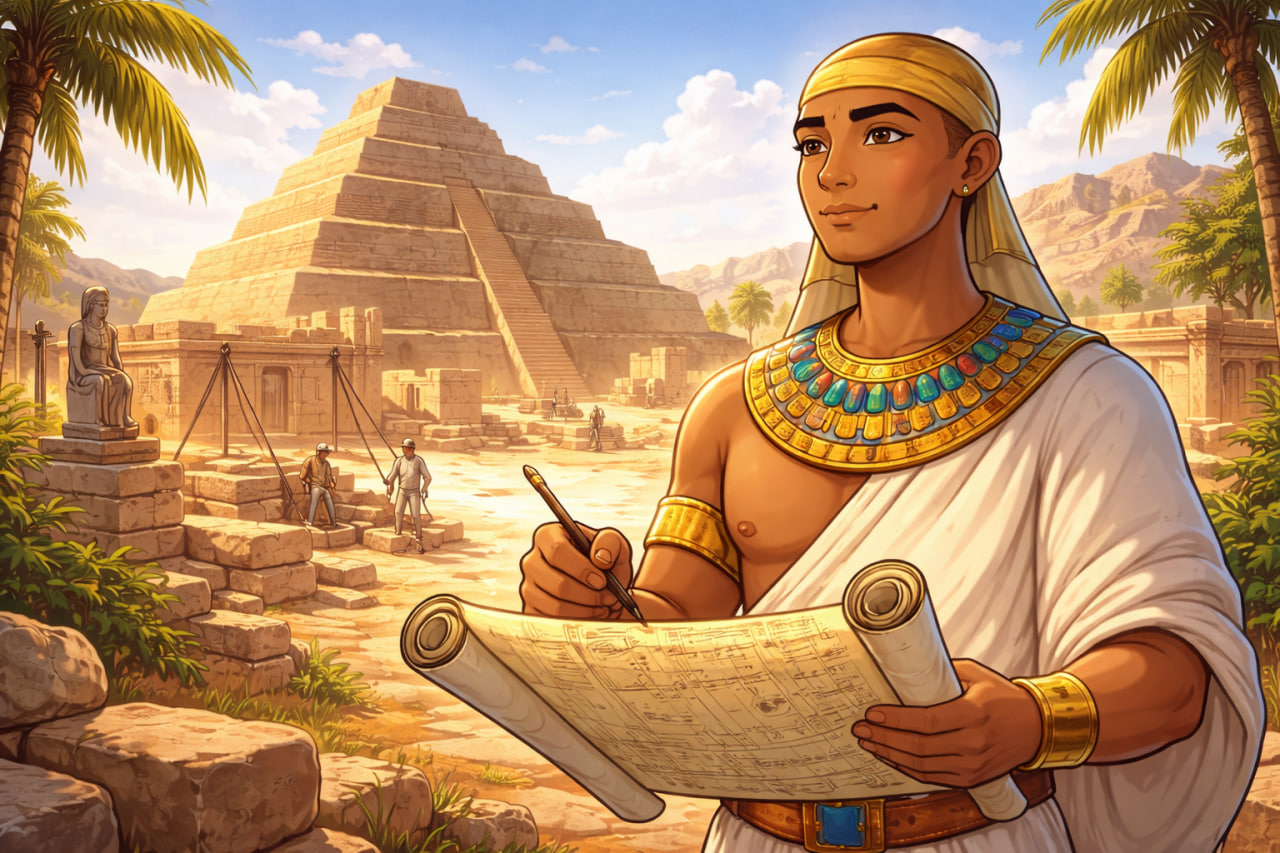
Imhotep is one of the most remarkable figures in the history of ancient Egypt. Living around the 27th century BCE, he served as a high-ranking official during the reign of Pharaoh Djoser of the Third Dynasty. Unlike many ancient historical figures who are remembered only through legends, Imhotep was a real person whose achievements were recorded in inscriptions and historical texts. He is widely regarded as a polymath—a scholar skilled in many fields—including architecture, medicine, engineering, and administration. Over time, his reputation grew so greatly that later generations of Egyptians even began to revere him as a deity of wisdom and healing. Today, Imhotep is remembered as one of the earliest known scientists and architects in human history.

What Are the Fundamental Constants of Our Universe?
Space Stories Universe Science

What Are the Fundamental Constants of Our Universe?

The universe is governed by a set of physical laws that remain consistent everywhere we observe them. These laws depend on specific values known as fundamental physical constants. These constants represent fixed numerical values that appear in the equations describing how the universe behaves. They determine how particles interact, how gravity works, how light travels, and how atoms form. Without these constants, the laws of physics would not produce a stable universe capable of forming stars, planets, and life. Scientists study these constants carefully because they help reveal the deep structure of reality and the rules that govern the cosmos.

Smart Grids: How Intelligent Networks Are Transforming Energy Distribution
Hi-Tech Smart Technology Science

Smart Grids: How Intelligent Networks Are Transforming Energy Distribution

Modern energy systems are undergoing a major transformation as digital technologies reshape the way electricity is generated, distributed, and consumed. One of the most important developments in this transformation is the emergence of smart grids, advanced electricity networks that use digital communication, sensors, and automation to manage energy more efficiently. Traditional power grids were designed for a one-way flow of electricity—from large power plants to homes and businesses. Smart grids, however, enable a two-way exchange of information and energy, allowing producers and consumers to interact dynamically within the system. This technological shift helps improve reliability, reduce energy losses, and integrate renewable energy sources such as solar and wind power into national electricity networks. As energy demand continues to grow, smart grids are becoming a key component of modern infrastructure designed to support a more flexible and sustainable energy system.

The Energy Storage Challenge: Breakthroughs in Battery Technologies
Hi-Tech Science Inventions

The Energy Storage Challenge: Breakthroughs in Battery Technologies

As renewable energy becomes a larger part of the global power system, one critical challenge continues to shape the future of energy infrastructure: energy storage. Solar panels and wind turbines generate electricity only when the sun shines or the wind blows, which means energy production does not always match demand. To solve this imbalance, scientists and engineers are developing advanced battery technologies capable of storing electricity for later use. Efficient energy storage systems allow renewable power to be saved during periods of high production and released when demand increases. These innovations are essential for building reliable and flexible energy systems that can support modern societies without relying heavily on fossil fuels. As a result, breakthroughs in battery technology are becoming one of the most important areas of research in the global transition to clean energy.

Electrolysis: Splitting Water to Power the Future
Science New Discoveries Inventions

Electrolysis: Splitting Water to Power the Future

Electrolysis is a fundamental scientific process that is gaining renewed attention in the global search for clean energy technologies. At its core, electrolysis uses electricity to split water into its basic elements—hydrogen and oxygen. Although the concept has been known for more than two centuries, modern engineering and renewable energy systems are giving this technology new importance. When powered by renewable electricity such as wind or solar energy, electrolysis can produce green hydrogen, a fuel that releases no carbon emissions when used. Because hydrogen can store and transport energy, electrolysis is increasingly seen as a bridge between renewable electricity and sectors that require dense, transportable fuels. Scientists, engineers, and energy planners are now studying how large-scale electrolysis systems could reshape global energy infrastructure in the coming decades.

The History of Astronomy: From Ancient Skywatchers to Modern Space Science
History Science Be Smart

The History of Astronomy: From Ancient Skywatchers to Modern Space Science

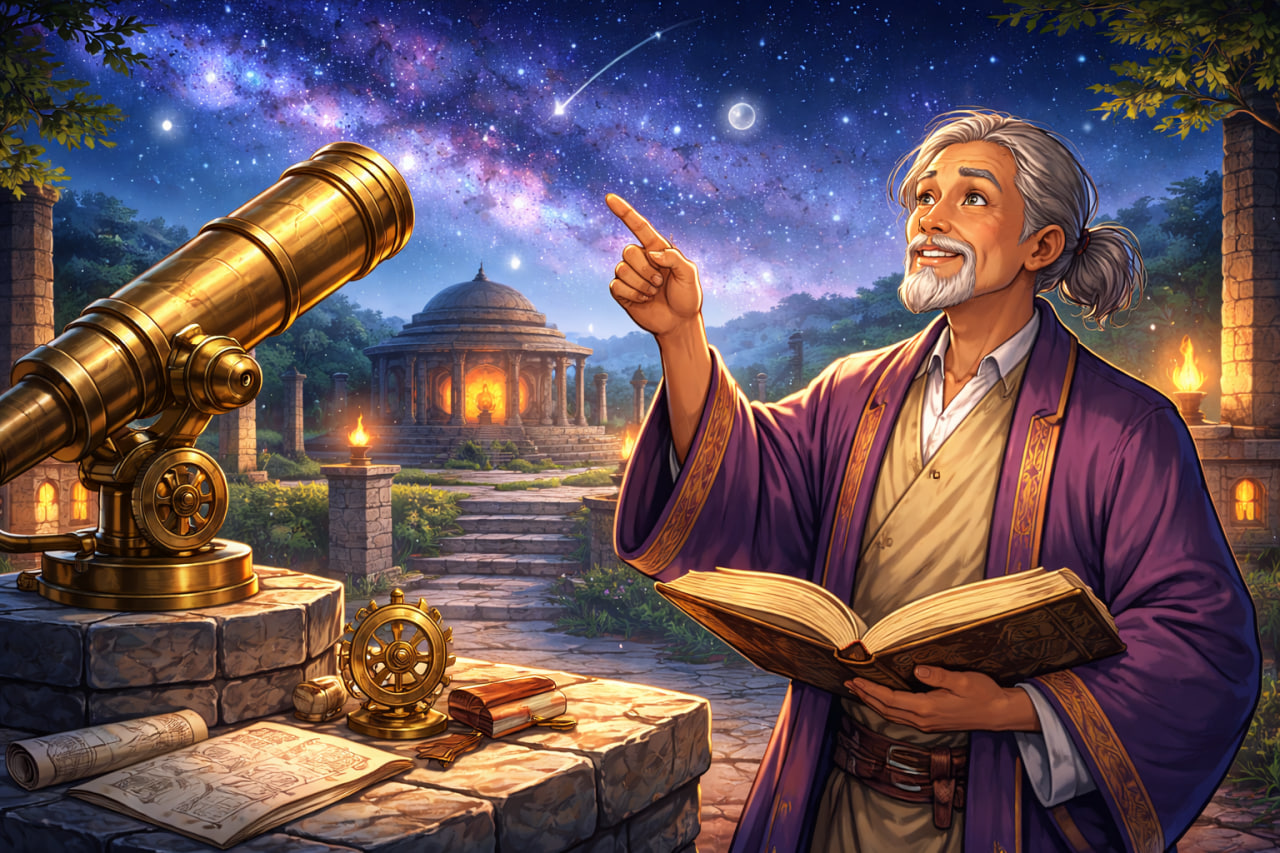
Astronomy is one of the oldest sciences in human history, born from humanity’s natural curiosity about the night sky. For thousands of years, people observed the movements of stars, planets, and the Moon, seeking to understand patterns that governed time, seasons, and navigation. Early civilizations built monuments aligned with celestial events and developed calendars based on astronomical observations. Over centuries, these observations evolved into scientific theories that transformed our understanding of the universe. Today, astronomy combines advanced telescopes, satellites, and space probes to study objects billions of light-years away. The long journey from simple skywatching to modern astrophysics reflects humanity’s enduring desire to explore the cosmos and understand our place within it.

Folk Beliefs and What Science Says About Them
Science Be Smart

Folk Beliefs and What Science Says About Them

Folk beliefs have accompanied humanity for centuries, shaping traditions, daily rituals, and cultural identity. From weather predictions based on animal behavior to superstitions about luck, these beliefs often arise from attempts to explain natural phenomena before modern science existed. While some traditions reflect early observational knowledge, others persist despite lacking empirical support. Understanding folk beliefs through a scientific lens does not necessarily diminish their cultural value; rather, it helps distinguish symbolic meaning from measurable reality. In many cases, traditions emerged from repeated experiences that appeared consistent, even if the underlying mechanisms were misunderstood. Exploring the relationship between folklore and science reveals how human curiosity evolves over time.