Science

Can We Create a Mini Black Hole on Earth?
Hi-Tech Science New Discoveries

Can We Create a Mini Black Hole on Earth?

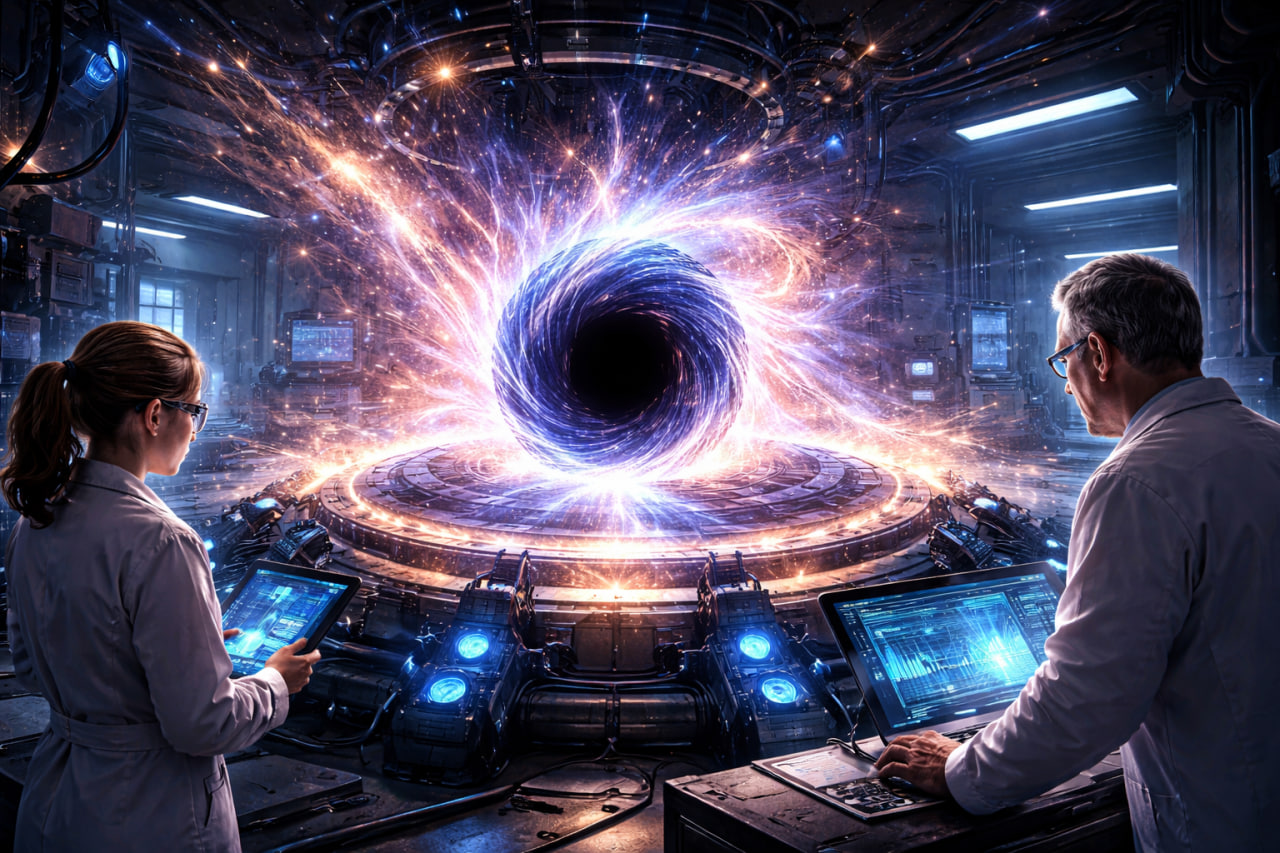
The idea of creating a mini black hole on Earth sounds like something from science fiction, but it is actually a topic that scientists have seriously explored in theoretical physics. Black holes are regions of space where gravity is so strong that nothing—not even light—can escape. They usually form when massive stars collapse under their own gravity. However, some theories suggest that extremely small black holes, known as micro black holes, could exist or even be created under the right conditions. The question is whether current human technology is capable of producing such an object, and if so, whether it would pose any danger.

Weightlessness: What It Is and How It Can Benefit Humans
Space Stories Science Be Smart

Weightlessness: What It Is and How It Can Benefit Humans

The state of weightlessness, also known as microgravity, occurs when objects appear to have no weight and float freely in space. This condition is commonly experienced by astronauts orbiting Earth aboard spacecraft such as the International Space Station. Contrary to popular belief, weightlessness does not mean the absence of gravity. Instead, it happens when objects are in a continuous state of free fall, moving around Earth at high speed while being pulled by gravity at the same time. This creates the sensation of floating. Understanding weightlessness is essential not only for space exploration but also for scientific research that can benefit life on Earth.

Can We Build a Spacecraft That Passes Through the Sun’s Corona?
Space Stories Science Solar System

Can We Build a Spacecraft That Passes Through the Sun’s Corona?

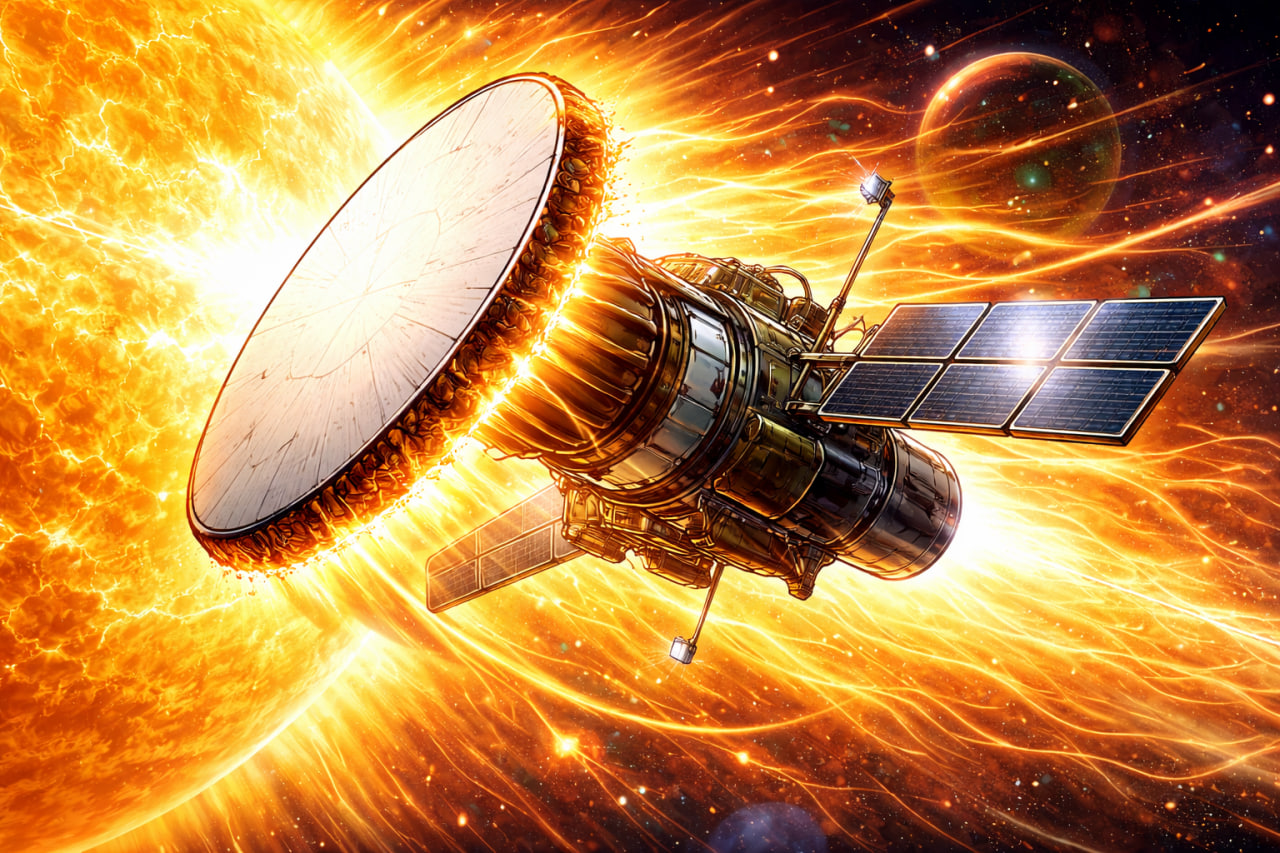
At first glance, sending a spacecraft into the Sun’s atmosphere sounds impossible. The Sun is an extremely hostile environment, with temperatures reaching millions of degrees and intense radiation that can destroy most materials. However, modern science has already taken a major step toward this goal. NASA’s Parker Solar Probe has successfully flown through the solar corona, proving that such missions are not only possible but already a reality. The challenge is not just reaching the Sun, but surviving its extreme conditions. Understanding how this is achieved reveals how advanced engineering and physics make the impossible possible.

Telescopes of the Future: Extremely Large Telescopes and Lunar Observatories
Cosmic Innovations Hi-Tech Smart Technology

Telescopes of the Future: Extremely Large Telescopes and Lunar Observatories

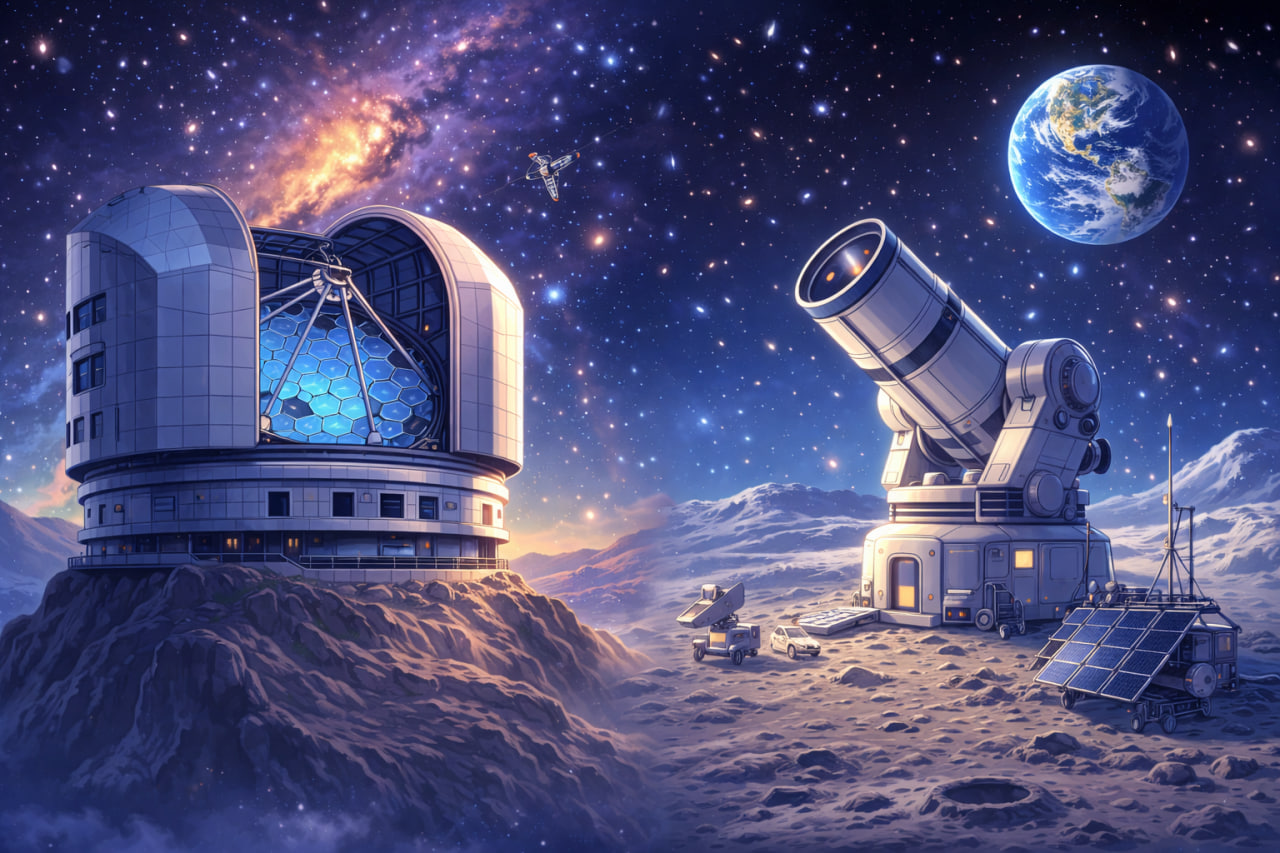
Humanity has always sought to explore the universe, and telescopes have been the primary tools enabling us to look deeper into space. Today, a new generation of instruments is being developed that promises to revolutionize our understanding of the cosmos. Among them are Extremely Large Telescopes (ELTs) on Earth and the concept of observatories on the Moon, both designed to overcome the limitations of current technology. These advanced systems aim to capture more light, produce sharper images, and observe distant objects that were previously beyond reach. As astronomy enters a new era, these innovations may help answer some of the biggest questions about the origin of the universe, dark matter, and the possibility of life beyond Earth. Understanding how these technologies work reveals why they are considered the future of astronomical discovery.

The First Human Spaceflight: How It Happened
History Science Be Smart

The First Human Spaceflight: How It Happened

The first human spaceflight marked one of the most significant milestones in the history of science and exploration. It was a moment when humanity crossed a boundary that had existed for all of history—the boundary between Earth and space. This achievement was not only a technological breakthrough but also a powerful symbol of human curiosity, courage, and ambition. During the early 1960s, the world was deeply engaged in the space race, a competition between global superpowers striving to demonstrate scientific and technological superiority. The success of sending a human into orbit required years of research, testing, and risk-taking, as engineers worked to solve problems that had never been encountered before. Understanding how this historic mission unfolded reveals both the complexity of early space travel and the determination behind one of humanity’s greatest achievements.

Nuclear Rocket Engines: Could We Reach Mars in Just One Month?
Cosmic Innovations Hi-Tech Science

Nuclear Rocket Engines: Could We Reach Mars in Just One Month?

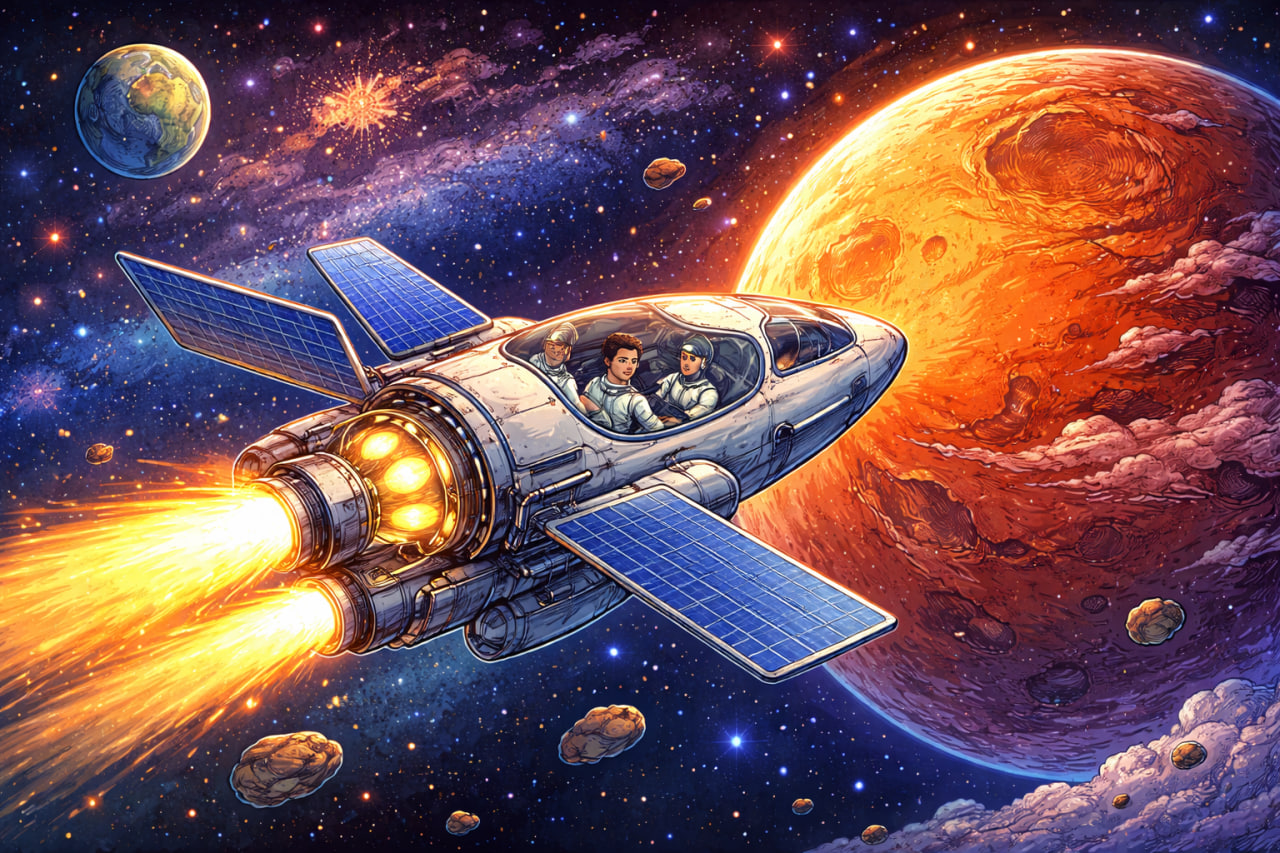
The idea of reaching Mars in just a few weeks sounds like science fiction—but with nuclear rocket engines, it may become a real possibility. Traditional chemical rockets, while powerful, are limited in efficiency and speed. Nuclear propulsion offers a fundamentally different approach, potentially allowing spacecraft to travel faster, farther, and more efficiently than ever before. Scientists and engineers are actively exploring these technologies as a key step toward human missions to Mars and deep space exploration.

The History of Astronautics: From Dreams to Deep Space
Cosmic Innovations History Science

The History of Astronautics: From Dreams to Deep Space

Today was the International Day of Human Space Flight—a reminder of one of humanity’s greatest achievements: breaking free from Earth and exploring the cosmos. What began as dreams and theories has evolved into a global effort involving science, engineering, and international cooperation. The history of astronautics is a story of innovation, risk, and the relentless desire to explore the unknown.

Mercury: A Mysterious Metal with Dangerous Properties
Science Be Smart

Mercury: A Mysterious Metal with Dangerous Properties

Mercury is one of the most unusual elements in nature. It is the only metal that exists in a liquid state at room temperature, giving it a unique appearance and behavior. Known since ancient times, mercury has been used in medicine, industry, and science, but it is also highly toxic and dangerous to living organisms. Its dual nature—useful yet hazardous—makes it one of the most studied elements in environmental and health sciences. Understanding mercury helps reveal how certain substances can both benefit and threaten life on Earth.

Cosmic Microwave Background: The Echo of the Big Bang
Space Stories Universe Science

Cosmic Microwave Background: The Echo of the Big Bang

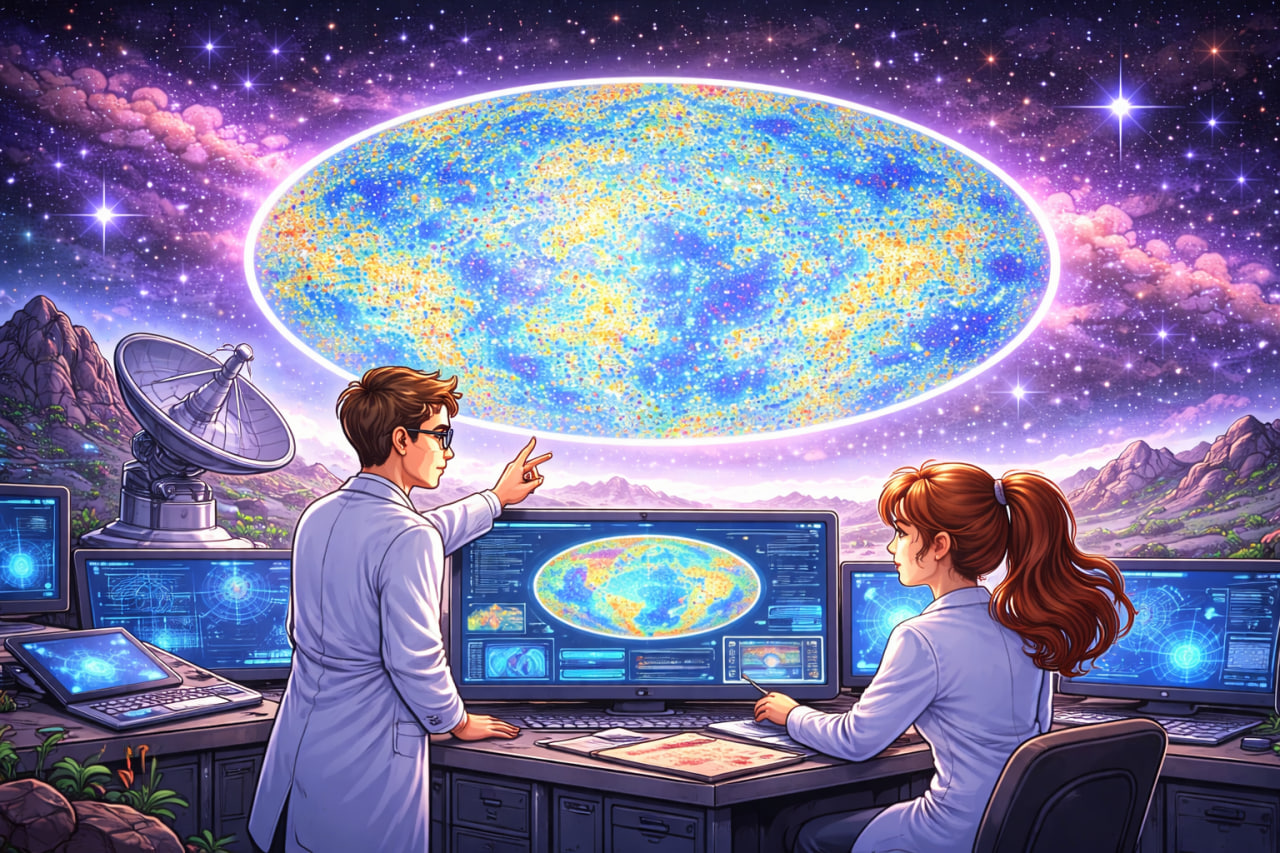
The cosmic microwave background (CMB) is one of the most important discoveries in modern cosmology, often described as the afterglow of the Big Bang. It is a faint radiation that fills the entire universe, detectable in every direction and providing a snapshot of the cosmos when it was only about 380,000 years old. At that early stage, the universe had cooled enough for electrons and protons to combine into neutral atoms, allowing light to travel freely for the first time. This moment, known as recombination, effectively released the radiation we now observe as the CMB. Studying this ancient signal allows scientists to understand the origin, structure, and evolution of the universe. It is not just a background noise—it is a detailed map of the early cosmos encoded in radiation.

Redshift: How the Universe Reveals Its Expansion
Universe Science New Discoveries

Redshift: How the Universe Reveals Its Expansion

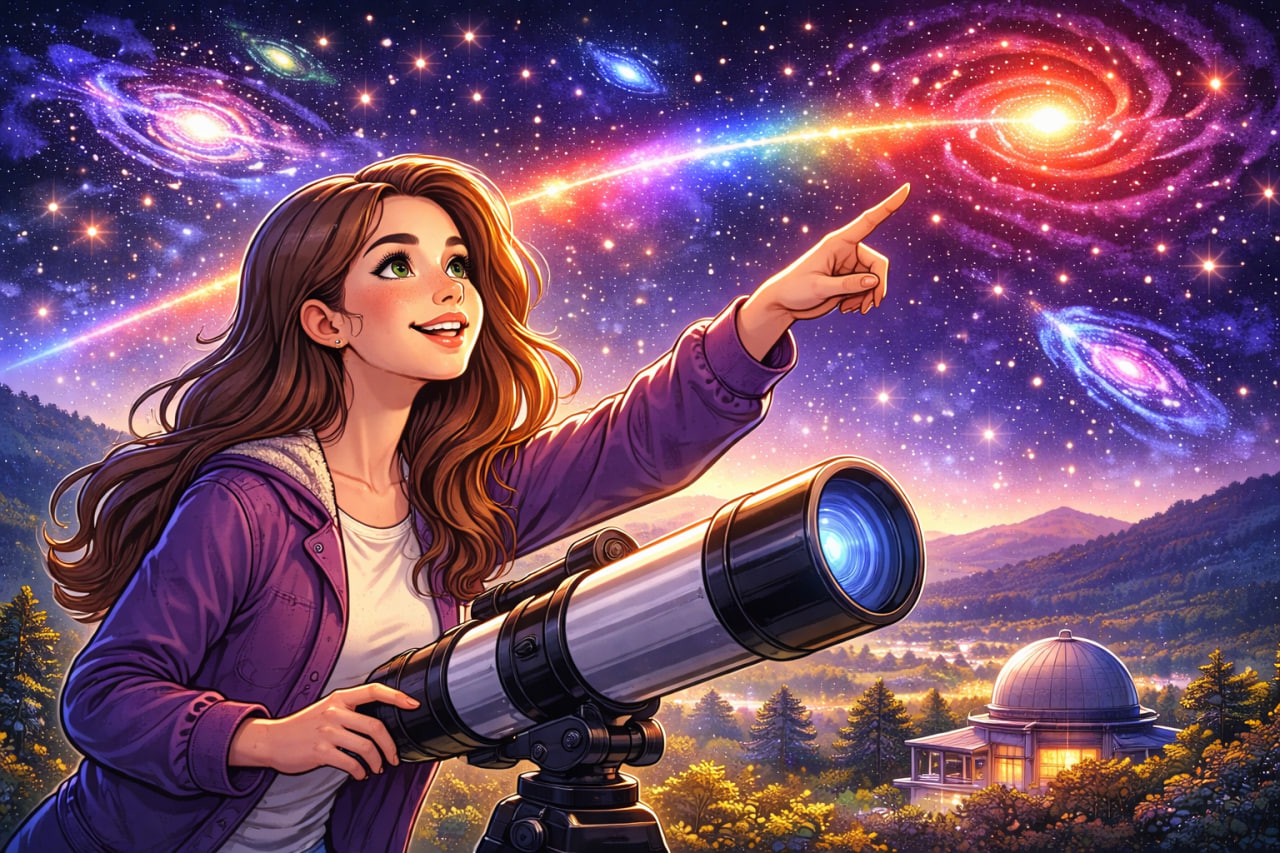
Redshift is one of the most important concepts in modern astronomy, helping scientists understand how the universe is expanding and evolving over time. It refers to the phenomenon where light from distant objects shifts toward the red end of the spectrum as it travels through space. This effect occurs because the universe itself is expanding, stretching the wavelength of light along with it. By measuring redshift, astronomers can determine how far away galaxies are and how fast they are moving away from us. This simple yet powerful concept has transformed our understanding of the cosmos, providing key evidence for the expanding universe and supporting the Big Bang theory. Redshift acts like a cosmic ruler, allowing scientists to map the structure and history of the universe.