Science

What Is Oil and Where Did It Come From? A Complete Guide to Petroleum Formation
History Science Be Smart

What Is Oil and Where Did It Come From? A Complete Guide to Petroleum Formation

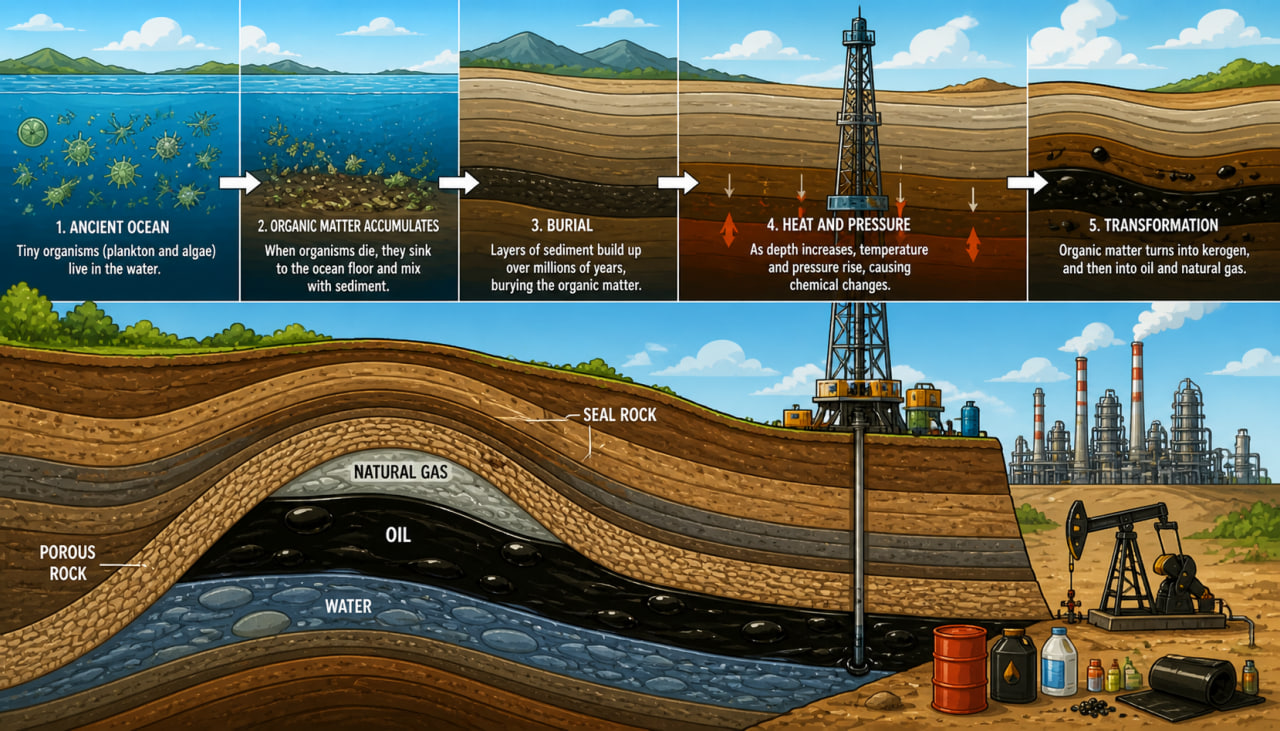
Oil, also known as petroleum, is one of the most important natural resources in modern civilization. It fuels transportation, powers industries, and serves as the foundation for countless everyday products. But where does oil actually come from? The answer lies deep in Earth’s history. Scientists have discovered that oil is formed from ancient organic matter that transformed over millions of years under extreme conditions. Understanding oil helps explain both its value and its environmental impact.

Could Bunkers Save Humanity If Global Water Levels Rose by 5 Kilometers?
Science Be Smart What if?

Could Bunkers Save Humanity If Global Water Levels Rose by 5 Kilometers?

The idea of global water levels rising by 5 kilometers is an extreme and hypothetical scenario far beyond any known natural process. However, exploring this concept allows us to understand the limits of human survival systems, including underground bunkers. While bunkers are often seen as ultimate survival shelters, their effectiveness depends on environmental conditions, engineering limits, and long-term sustainability.

The Fermi Paradox: If the Universe Is Full of Life, Where Is Everyone?
Space Stories Universe Science

The Fermi Paradox: If the Universe Is Full of Life, Where Is Everyone?

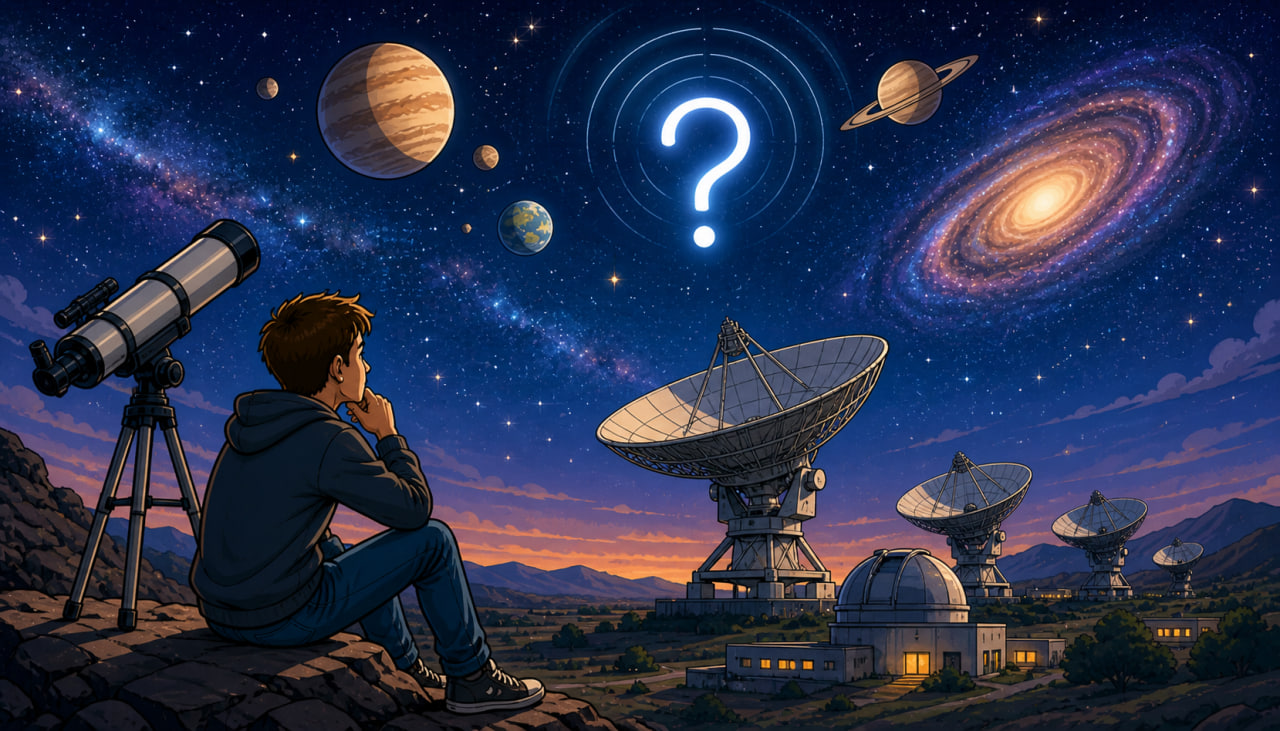
The Fermi Paradox is one of the most fascinating questions in science and philosophy. It highlights a contradiction between the high probability of extraterrestrial life and the complete lack of evidence for it. In simple terms, if intelligent life should exist elsewhere in the universe, why haven’t we found any signs of it? This paradox forces us to rethink our assumptions about life, intelligence, and the cosmos.

Future Polymers: Materials That Can Change Their Shape
Hi-Tech Smart Technology Science

Future Polymers: Materials That Can Change Their Shape

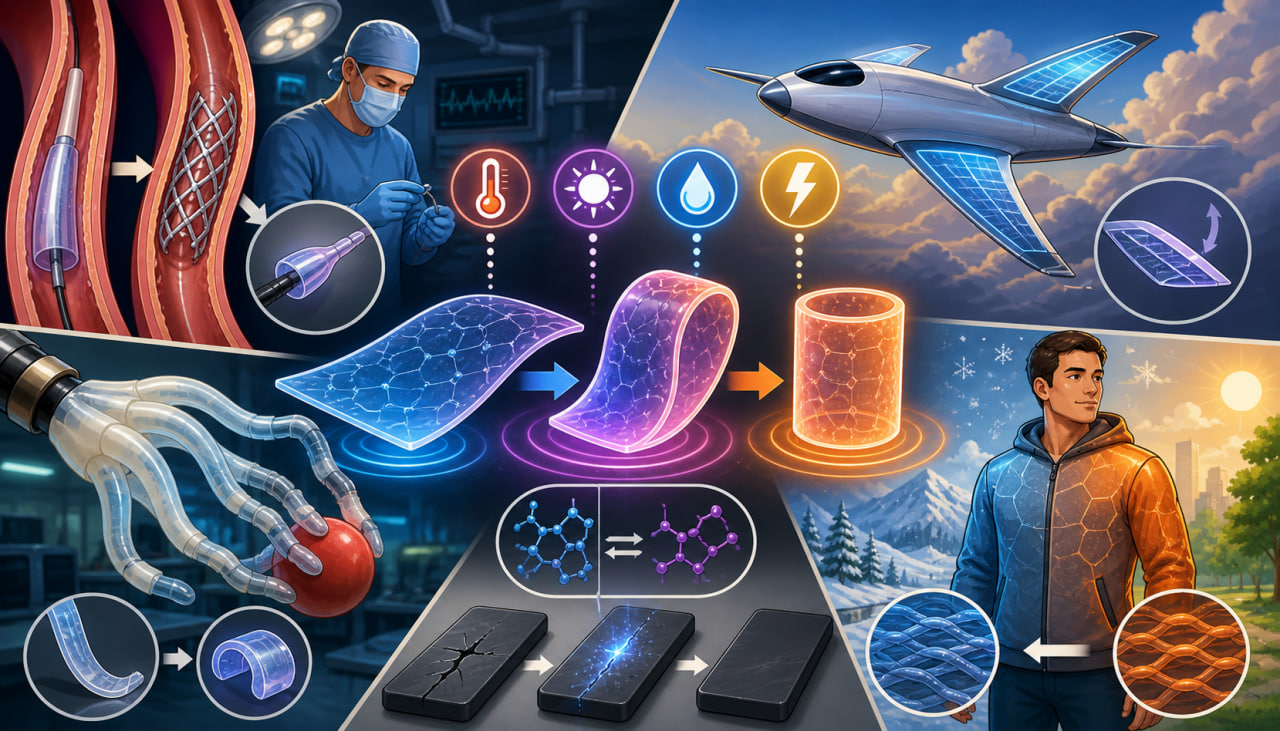
Materials that can change shape on their own sound like science fiction, but they are already becoming a reality. Known as shape-changing polymers or smart polymers, these advanced materials respond to external stimuli such as heat, light, moisture, or electric fields. They have the potential to transform industries ranging from medicine to aerospace. Understanding how these materials work reveals a new generation of adaptive technologies that can respond to the environment in real time.

The History of Robotics: From Ancient Ideas to Intelligent Machines
History Hi-Tech Science

The History of Robotics: From Ancient Ideas to Intelligent Machines

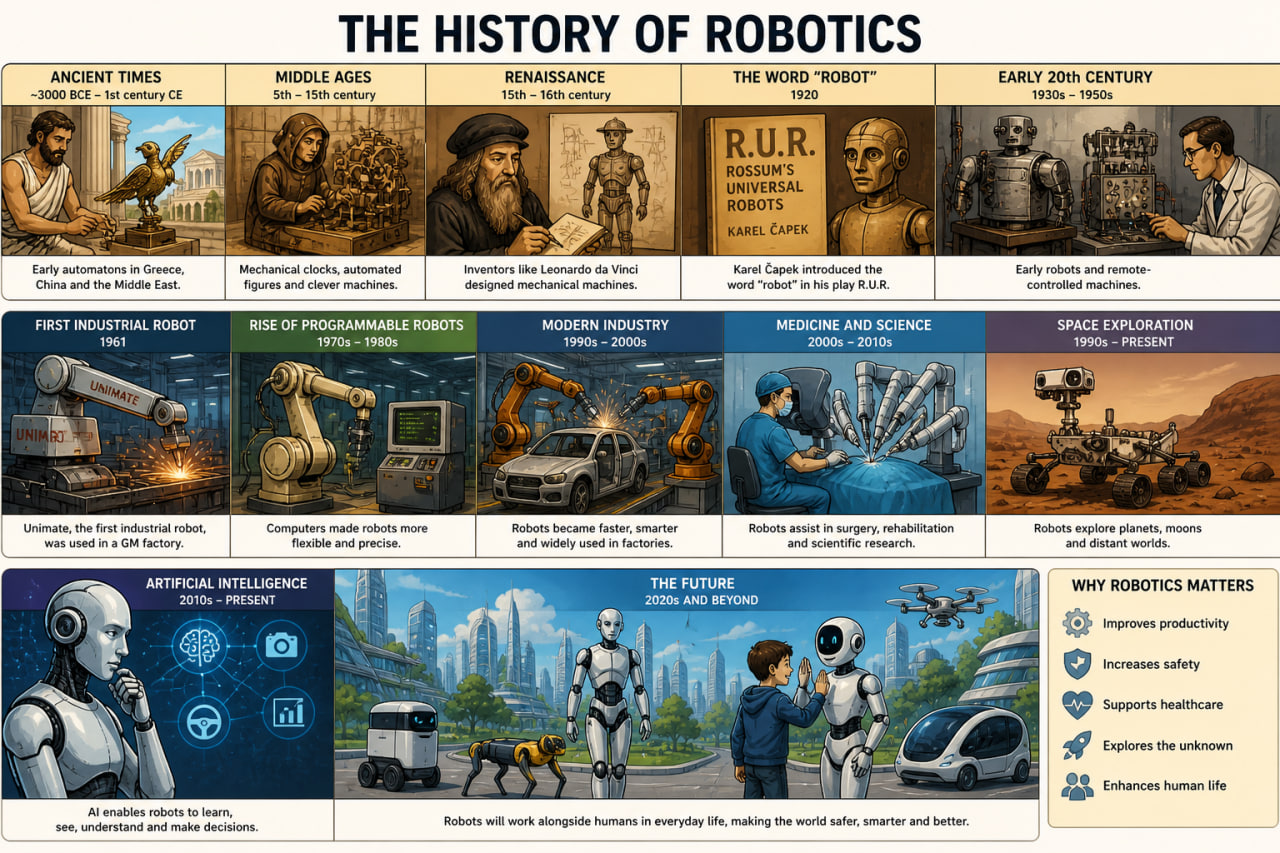
Robotics is one of the most exciting fields of modern technology, but its roots go back thousands of years. The idea of creating machines that can move and act like humans has fascinated people across different cultures and eras. Today, robots are used in industry, medicine, space exploration, and everyday life. Understanding the history of robotics helps us see how human imagination and engineering have evolved together over time.

Piezoelectric Effect: How to Generate a Spark by Compressing a Crystal
Science Be Smart Physics

Piezoelectric Effect: How to Generate a Spark by Compressing a Crystal

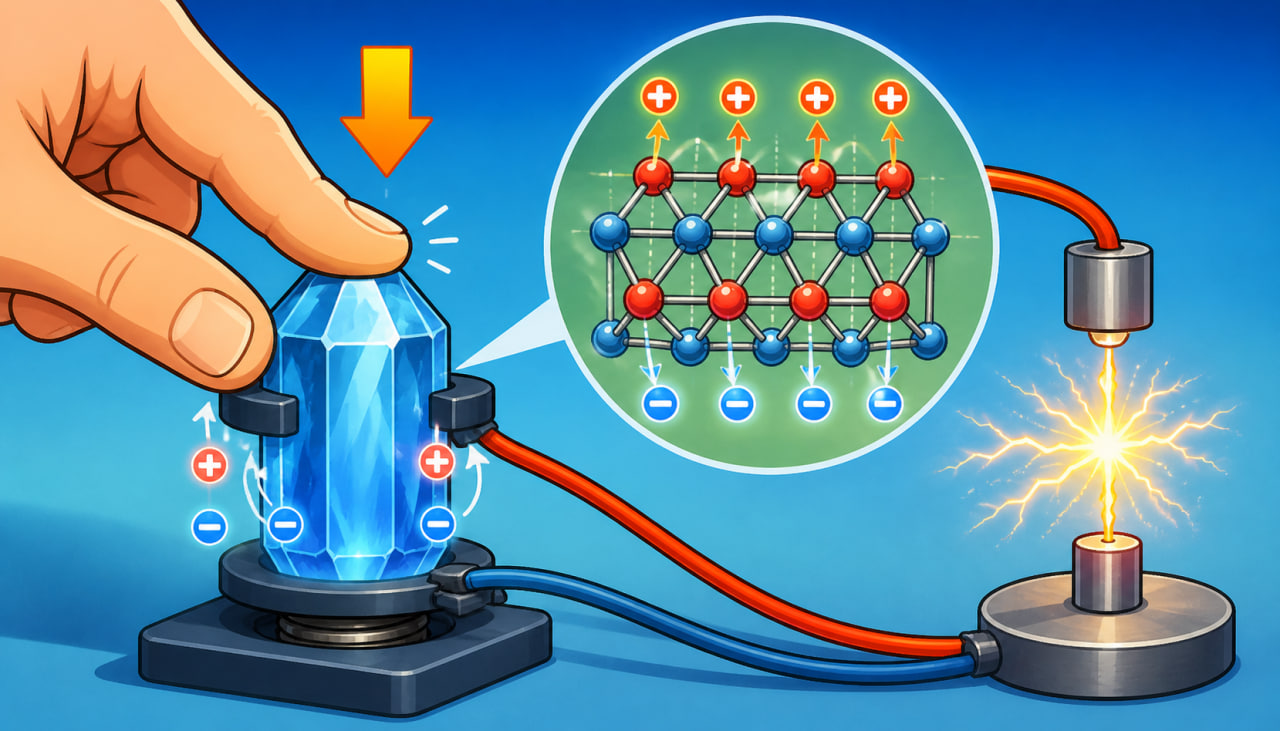
The piezoelectric effect is one of the most fascinating phenomena in physics and materials science. It allows certain materials to generate electricity when they are mechanically stressed. This principle is widely used in everyday devices such as lighters, sensors, and microphones. Understanding how it works reveals how mechanical energy can be directly converted into electrical energy.

How Pyramids Are Built: Engineering Secrets of Ancient Structures
Science Be Smart What if?

How Pyramids Are Built: Engineering Secrets of Ancient Structures

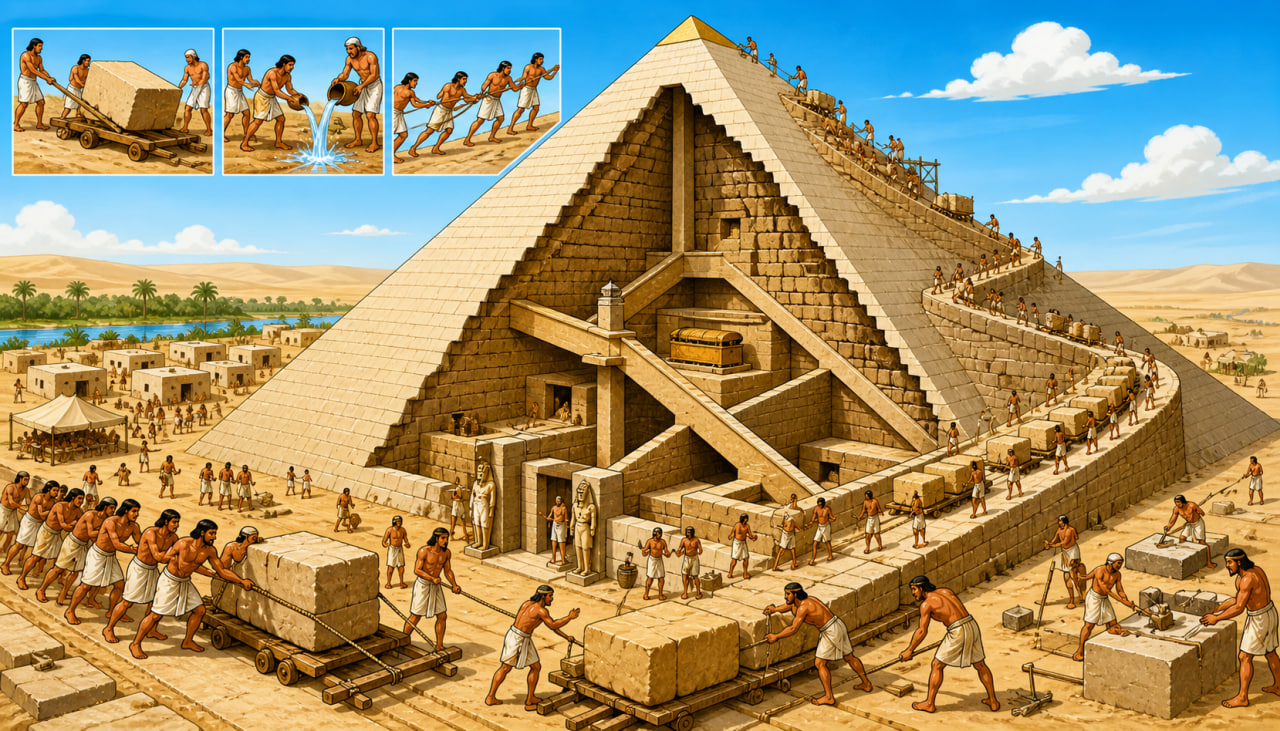
Pyramids are among the most impressive architectural achievements in human history. Found in regions such as Egypt and Mesoamerica, they continue to inspire curiosity and admiration. The most famous examples, like the pyramids of Giza, demonstrate an extraordinary level of planning, organization, and engineering skill. Understanding how pyramids are built helps us appreciate the ingenuity of ancient civilizations and their ability to solve complex construction challenges without modern technology.

Electrostatic Machine: How It Works and Why It Matters
Science Tesla&Co Inventions

Electrostatic Machine: How It Works and Why It Matters

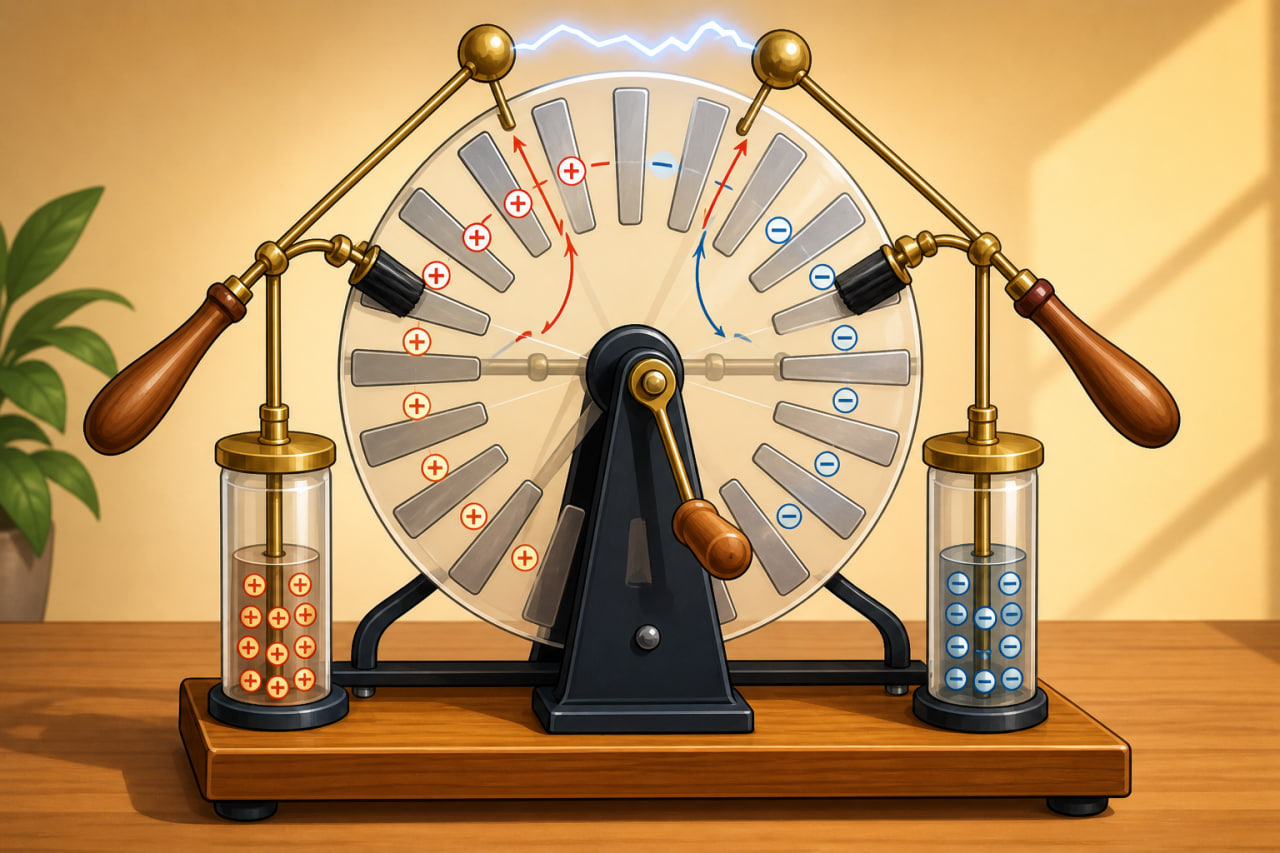
Electrostatic machines are devices that generate electricity through the buildup and separation of electric charges. Unlike modern electrical generators that rely on magnetic fields and continuous current, these machines produce high voltage static electricity with very low current. They played a key role in early scientific discoveries and remain important for education and demonstrations today.

How Stars Are Born and Die: The Life Cycle of Stars
Space Stories Universe Science

How Stars Are Born and Die: The Life Cycle of Stars

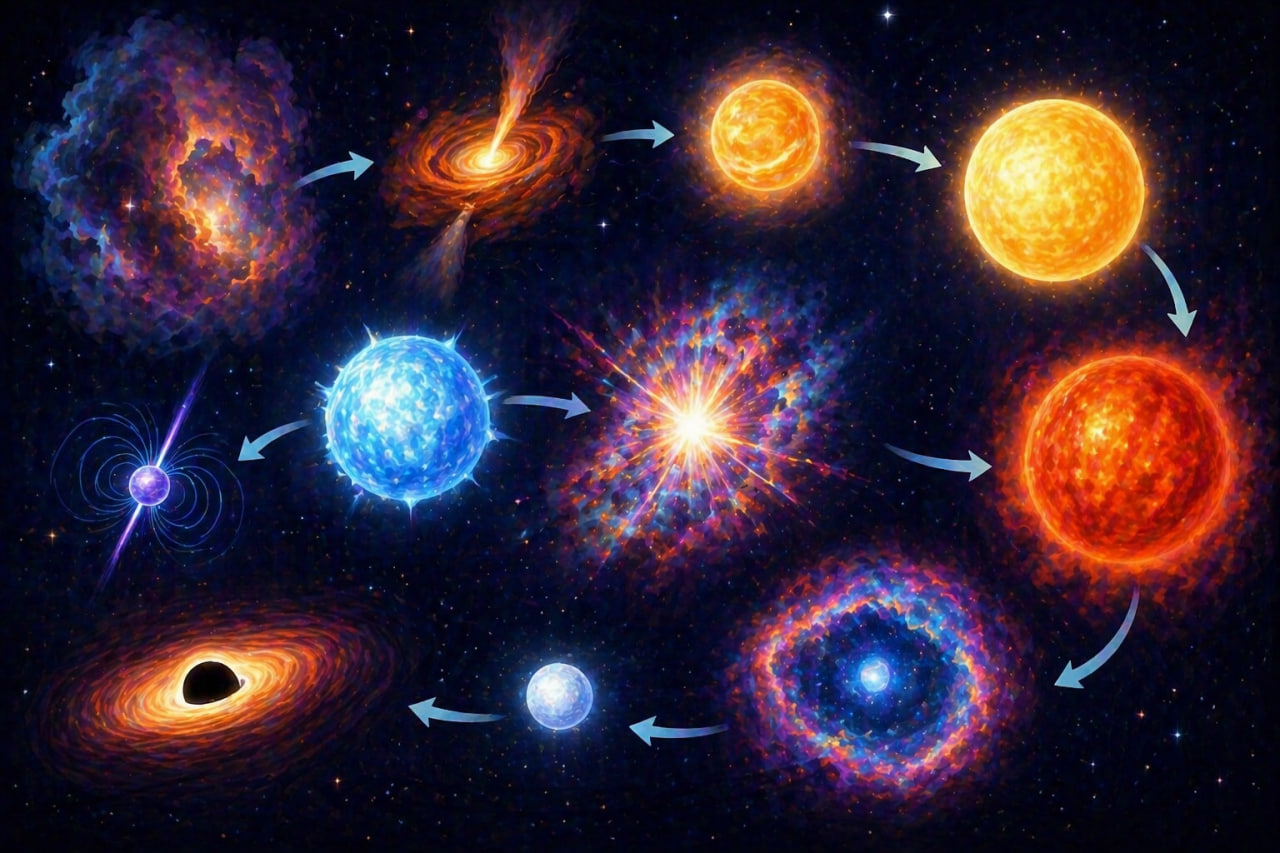
Stars are among the most fundamental objects in the universe. They light up galaxies, create the elements necessary for life, and shape cosmic evolution. Yet, like all things, stars are not eternal. They are born, evolve, and eventually die—sometimes quietly, sometimes in spectacular explosions. Understanding the life cycle of stars reveals how the universe itself changes over time.