Science

Schrödinger’s Cat: Explaining One of Quantum Physics’ Most Famous Thought Experiments
Science Be Smart Physics

Schrödinger’s Cat: Explaining One of Quantum Physics’ Most Famous Thought Experiments

Few scientific ideas became as famous and mysterious as: Schrödinger’s Cat Even people with little interest in physics often heard phrases like: “The cat is both alive and dead.” At first glance, the idea sounds absurd or even humorous. However, Schrödinger’s Cat was actually created to demonstrate a serious scientific problem inside: Quantum mechanics This thought experiment became one of the most famous attempts to explain how strange the quantum world truly is. Quantum physics describes reality at extremely small scales involving: Atoms Electrons Photons Subatomic particles At these scales, nature behaves very differently from everyday human experience. Understanding Schrödinger’s Cat helps explain complex ideas involving: Probability Observation Measurement Quantum states Reality itself Although the experiment sounds simple, it continues influencing modern physics, philosophy, computing, and debates about consciousness.

The Mathematics of Music: Why Some Chords Sound Pleasant and Others Do Not
Science New Discoveries Be Smart

The Mathematics of Music: Why Some Chords Sound Pleasant and Others Do Not

Music has fascinated humanity for thousands of years. Across cultures and civilizations, people discovered that certain combinations of sounds feel harmonious, emotional, and satisfying, while others create tension, discomfort, or instability. But why does this happen? The answer lies partly in: Mathematics Physics Human biology Brain perception Acoustic patterns Music is deeply connected to numerical relationships between sound frequencies. Long before modern science existed, ancient thinkers noticed that musical harmony follows surprisingly precise mathematical structures. Today, scientists and musicians continue studying why some chords sound: Pleasant Stable Emotional Beautiful while others sound: Tense Dissonant Unresolved Chaotic The mathematics of music reveals that human hearing is closely connected to physical patterns hidden inside sound itself.

Food of the Future: When Will We Be Able to Assemble It From Atoms?
Bioengineering Smart Technology Science

Food of the Future: When Will We Be Able to Assemble It From Atoms?

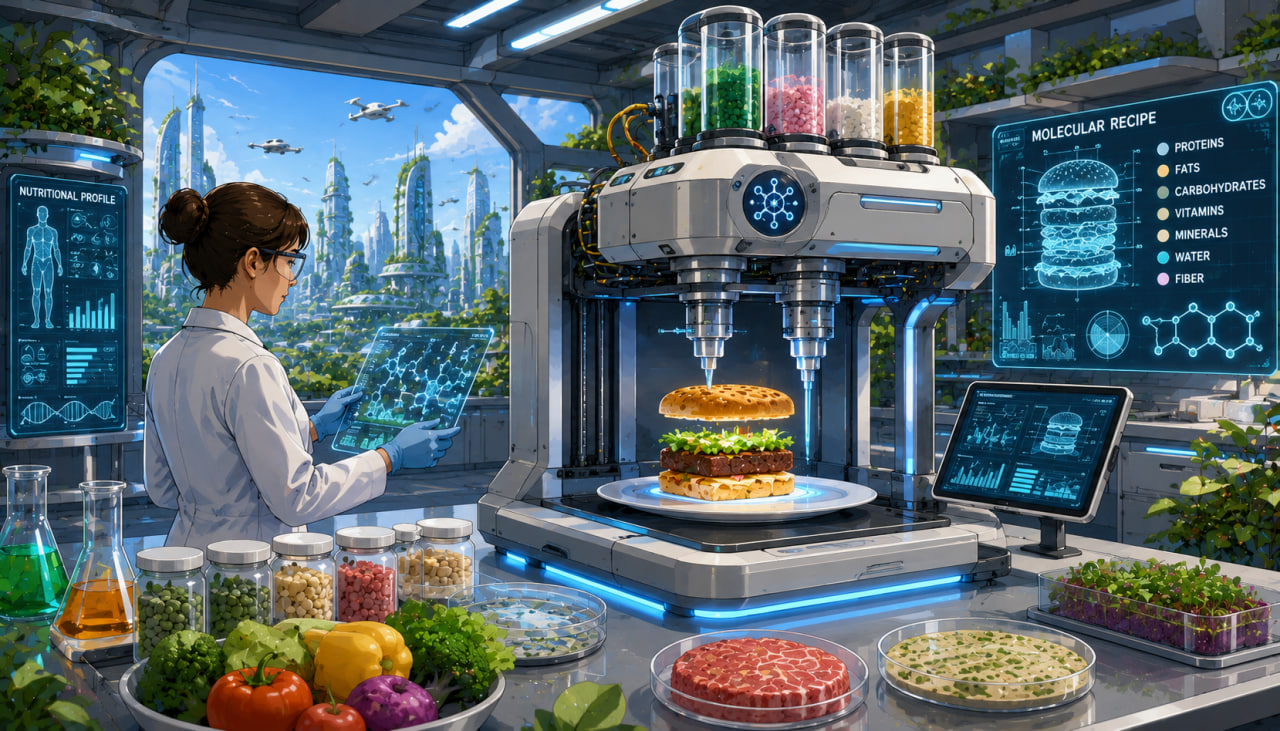
Human civilization has always depended on food technology. Agriculture transformed ancient societies, refrigeration changed global trade, and industrial food production allowed cities with millions of inhabitants to exist. Today, however, scientists and futurists are imagining something even more radical: Could humanity eventually create food directly from atoms or molecular building blocks? The idea sounds like science fiction, yet modern science is already exploring technologies involving: Molecular engineering Synthetic biology 3D food printing Lab-grown meat Precision fermentation Nanotechnology Future food systems may dramatically transform how humanity produces nutrition, especially as the world faces: Population growth Climate change Resource shortages Agricultural pressure Although true “atomic food assembly” remains far beyond current capabilities, many researchers believe future food production may become increasingly programmable and technologically controlled.

How Glass and Glass Products Are Made and Recycled
Science Be Smart Inventions

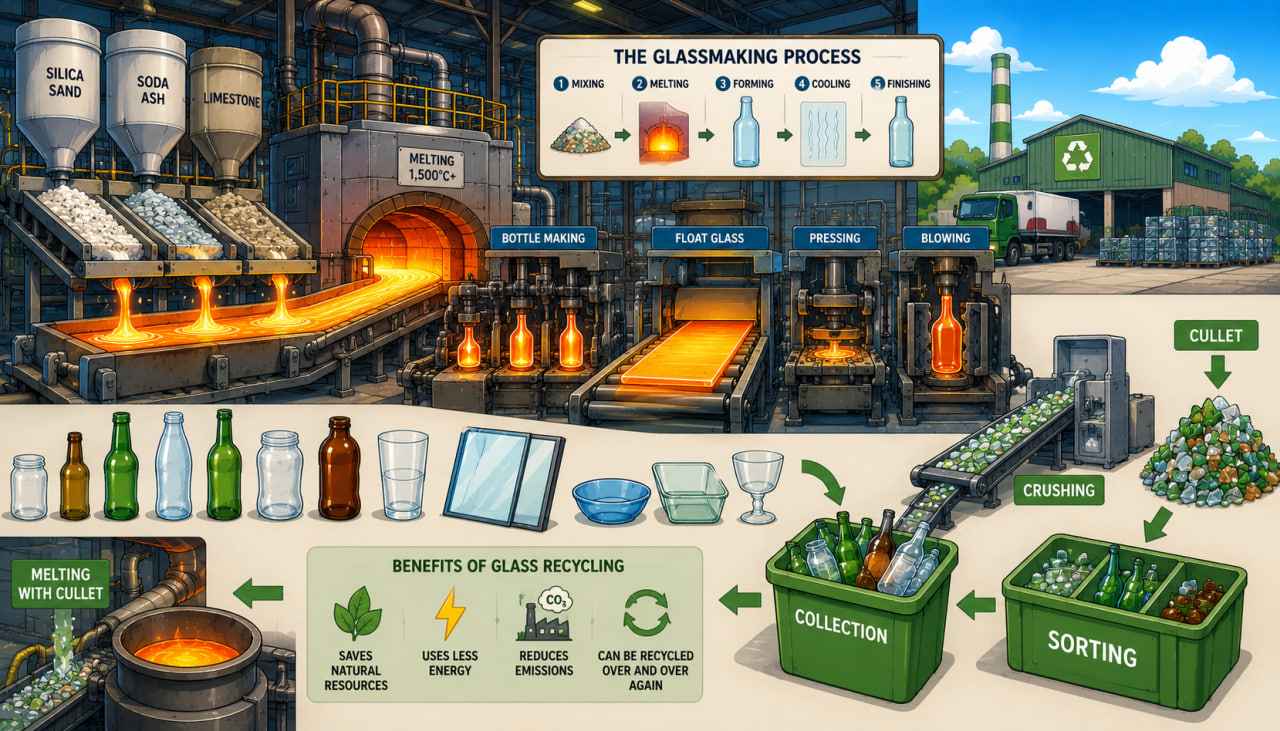
How Glass and Glass Products Are Made and Recycled

Glass is one of the most important materials in modern civilization. It is used in: Windows Bottles Smartphones Laboratory equipment Solar panels Vehicles Electronics Although glass appears simple and fragile, it is actually a highly engineered material with unique physical and chemical properties. One of the most remarkable aspects of glass is that it can often be recycled repeatedly without major loss of quality. Modern glass production combines: High-temperature industrial processes Precision engineering Chemistry Environmental technologies At the same time, glass recycling plays an increasingly important role in reducing: Industrial waste Energy consumption Raw material extraction Environmental pollution Understanding how glass is produced and recycled helps explain why this ancient material remains essential in the modern technological world.

Scientific Innovations of 2026: Technologies That Are Changing Humanity
Hi-Tech Science New Discoveries

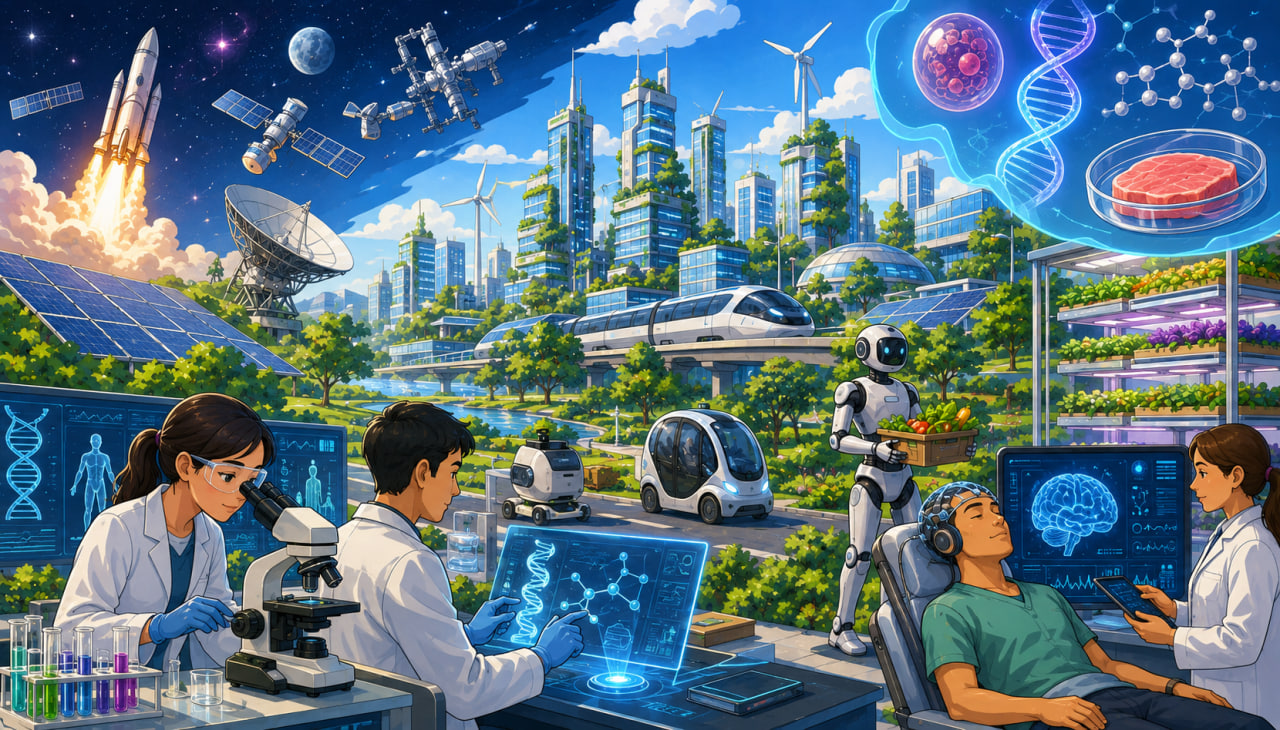
Scientific Innovations of 2026: Technologies That Are Changing Humanity

The year 2026 is becoming a remarkable period for science and technology. Advances once considered futuristic are rapidly entering real-world use. Artificial intelligence systems are transforming medicine and research, renewable energy technologies are becoming more efficient, robotics is entering daily life, and biotechnology is moving toward personalized healthcare on an unprecedented scale. Scientists today work in an era where discoveries spread globally almost instantly, accelerating innovation across nearly every field. Governments, universities, and private companies are investing billions into technologies that may reshape civilization during the next decades. The scientific innovations emerging in 2026 are not limited to laboratories anymore. Many are already influencing: Healthcare Transportation Energy systems Space exploration Agriculture Artificial intelligence Climate technologies Some experts believe humanity is entering one of the fastest periods of scientific transformation in history.

Electrostatic Charge of Plastic: Why Plastic Builds Static Electricity
Science Be Smart Physics

Electrostatic Charge of Plastic: Why Plastic Builds Static Electricity

Almost everyone has experienced static electricity caused by plastic. A plastic comb attracting hair, cling film sticking to surfaces, synthetic clothing crackling in dry weather, or tiny electric shocks after touching plastic materials are all common examples of electrostatic charge in everyday life. Although static electricity may seem harmless or even amusing, the phenomenon is scientifically important and widely studied in physics, engineering, electronics, chemistry, and industrial safety. Electrostatic charge affects: Manufacturing systems Electronics production Medical equipment Dust accumulation Industrial explosions Material science Plastic materials are especially prone to building electrostatic charge because of their molecular structure and electrical properties. Modern science continues exploring how electrostatic behavior influences both technology and the environment.

Air Conditioners: How They Work, Their Benefits, and What Experts Recommend
Hi-Tech Science Be Smart

Air Conditioners: How They Work, Their Benefits, and What Experts Recommend

Air conditioners have become one of the most important technologies for modern comfort and public health. In many regions of the world, especially during increasingly intense summer heatwaves, air conditioning is no longer considered a luxury but a necessity. From homes and offices to hospitals, schools, and transportation systems, air conditioners help people stay safe and productive during hot weather. However, despite their widespread use, many people still do not fully understand how air conditioning works, how it affects health, or how to use it correctly. Modern experts emphasize that air conditioners can greatly improve quality of life when used responsibly and maintained properly.

How the Moon Influences Our Planet
Science Solar System Earth & Moon

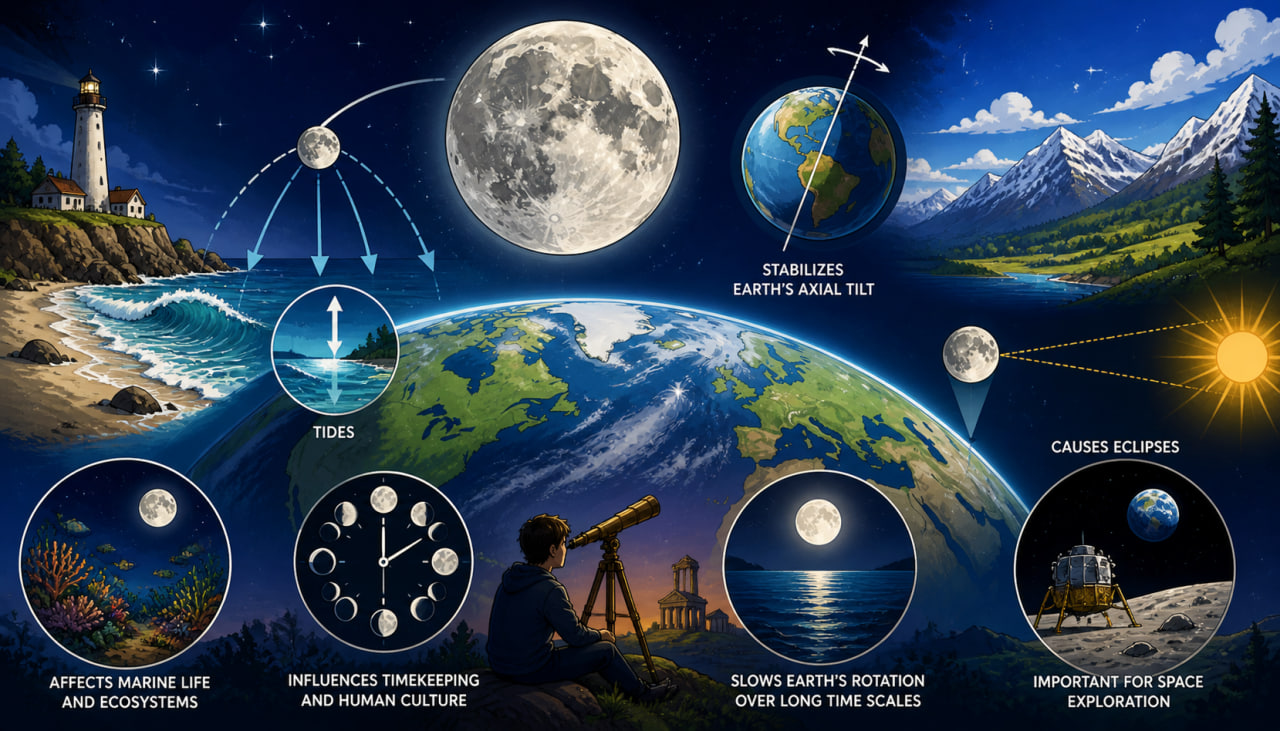
How the Moon Influences Our Planet

Earth’s natural satellite, the Moon, has fascinated humanity for thousands of years. Visible almost every night, it affects not only the beauty of the night sky, but also many important processes on our planet. Although the Moon appears calm and distant, its gravitational influence shapes Earth’s oceans, climate stability, biological rhythms, and even the long-term evolution of life itself. Without the Moon, Earth would likely be a very different world. Modern astronomy and planetary science show that this satellite plays a much greater role than many people realize.

Echolocation: How Animals “See” With Sound
Neuro-Tech Science Be Smart

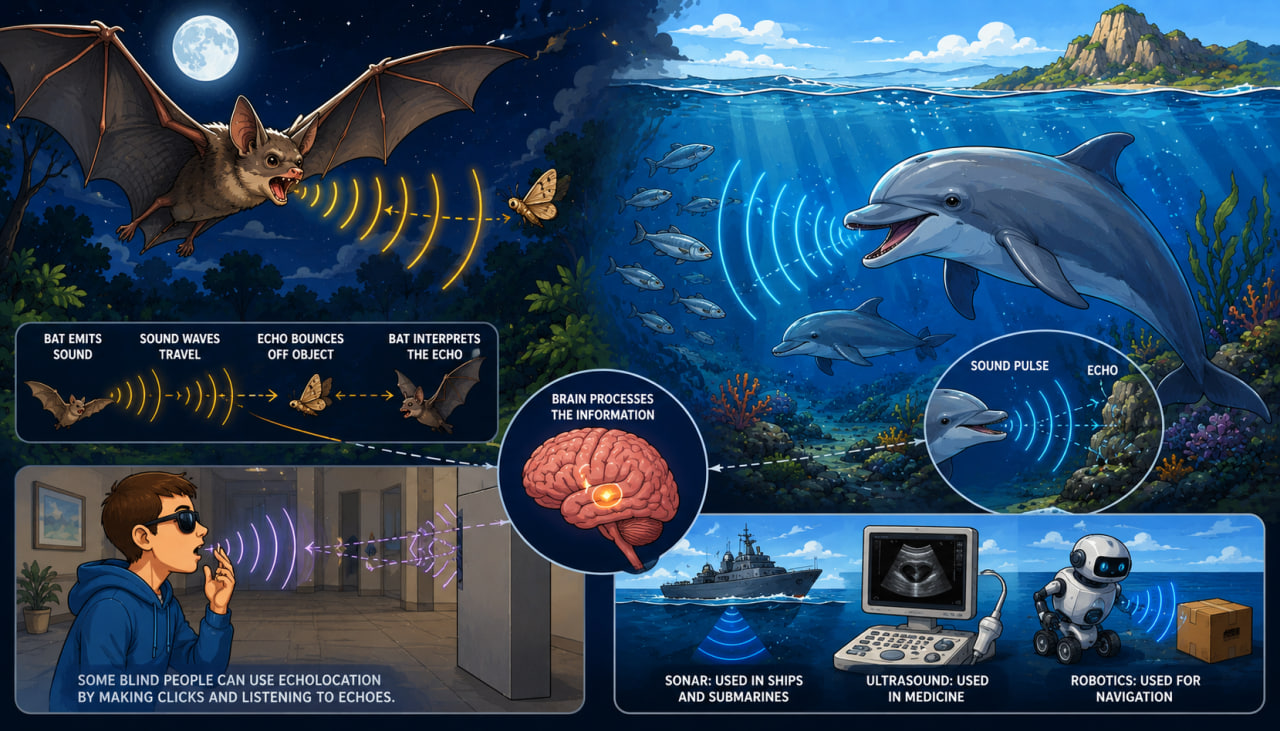
Echolocation: How Animals “See” With Sound

Echolocation is one of the most fascinating biological abilities in nature. It allows animals to navigate, hunt, and understand their surroundings using sound instead of vision. Bats flying in complete darkness and dolphins swimming through deep ocean waters rely on echolocation to survive. This remarkable system demonstrates how evolution created alternative ways to perceive the world beyond ordinary sight. Scientists also use the principles of echolocation in technologies such as sonar, medicine, and robotics.

How Diamonds Are Grown: The Science Behind Lab-Created Gems
Science Physics News

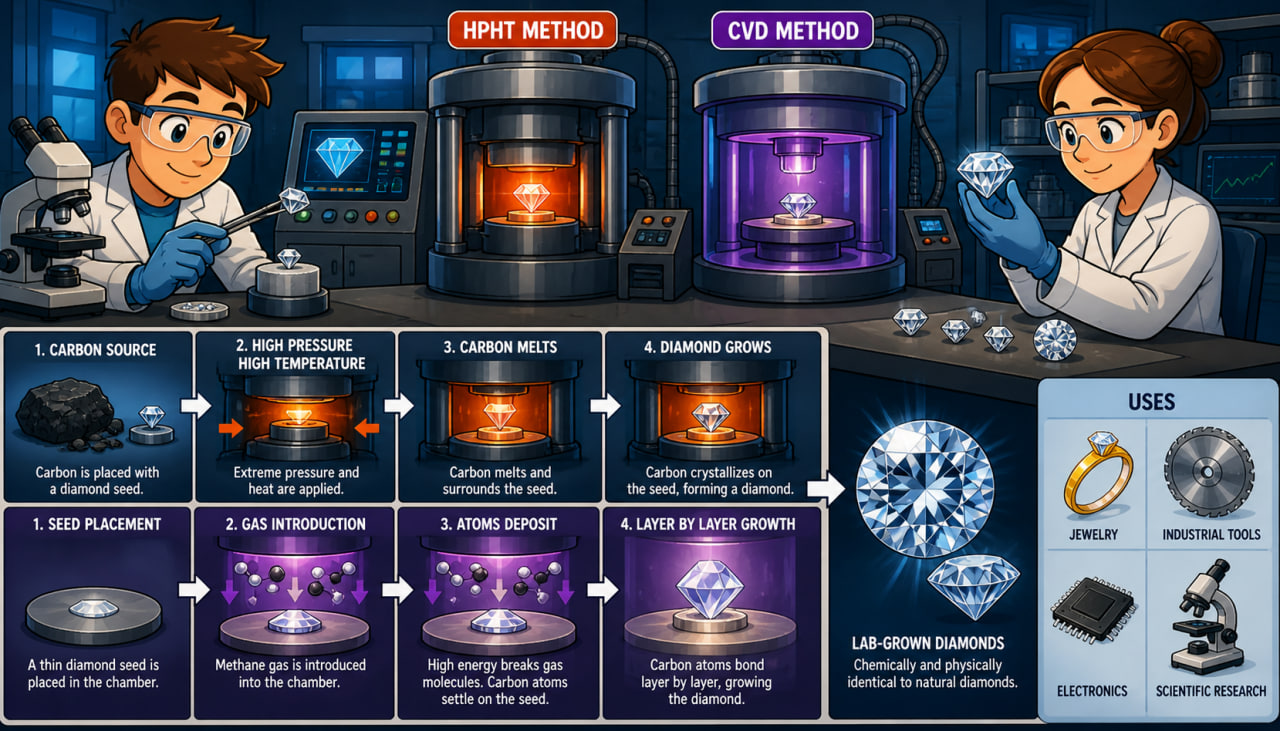
How Diamonds Are Grown: The Science Behind Lab-Created Gems

Diamonds have long been associated with rarity, beauty, and immense value. Traditionally formed deep within the Earth over billions of years, diamonds are now being produced in laboratories using advanced technology. These lab-grown diamonds are chemically and physically identical to natural ones. Understanding how they are created reveals how science can replicate one of nature’s most extraordinary processes in a controlled environment.