Universe

Asteroid Psyche: A Metallic World Unlike Any Other
Space Stories Universe Solar System

Asteroid Psyche: A Metallic World Unlike Any Other

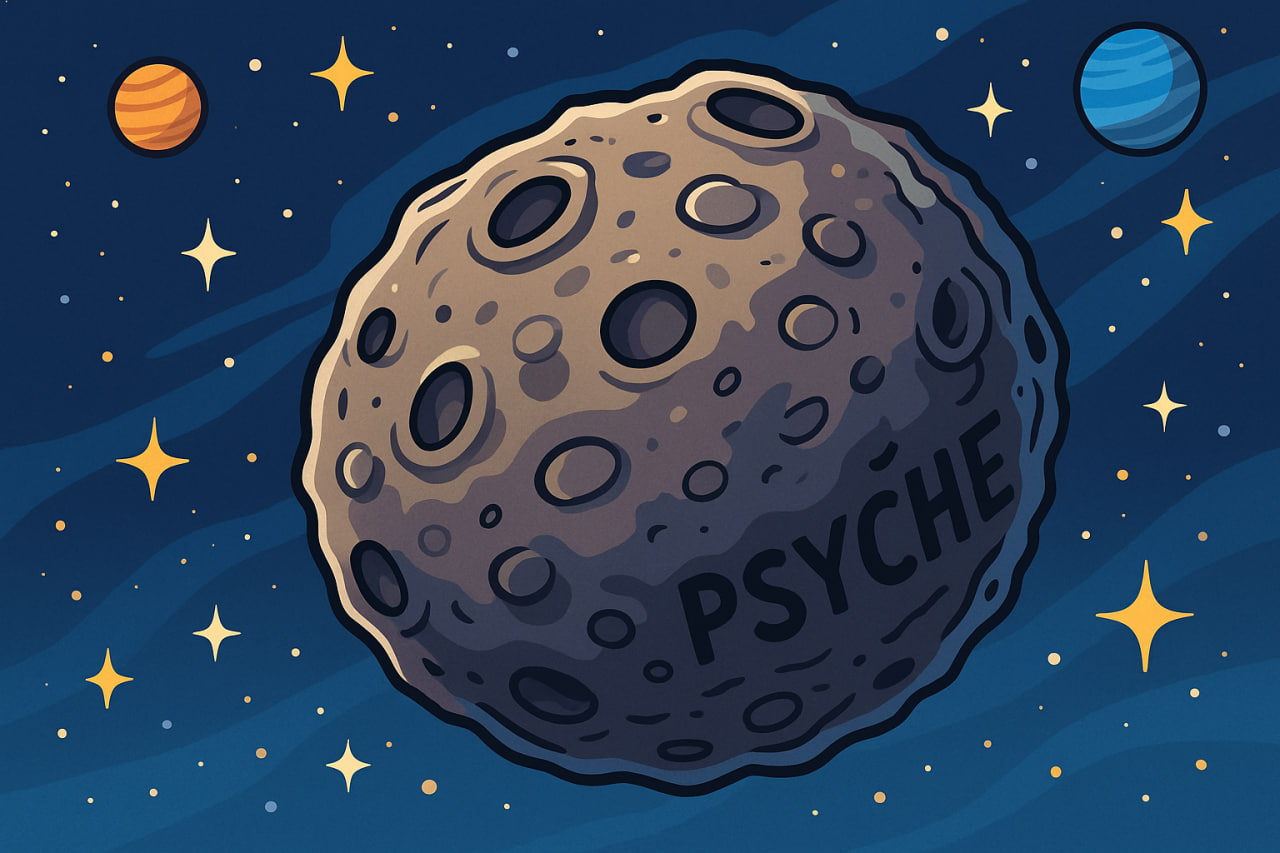
Asteroid Psyche is one of the most unusual and scientifically valuable objects in our solar system. Located in the asteroid belt between Mars and Jupiter, Psyche stands out because it appears to be composed largely of metal — primarily iron and nickel — resembling the core of a planet. Most asteroids are rocky or icy, but Psyche may represent the exposed metallic heart of an ancient world that never fully formed. This makes it a unique window into the early stages of planetary evolution. Understanding Psyche could reveal how rocky planets like Earth developed their layered internal structures billions of years ago.
The Moon: Earth’s Mysterious and Essential Companion
Space Stories Universe Solar System

The Moon: Earth’s Mysterious and Essential Companion

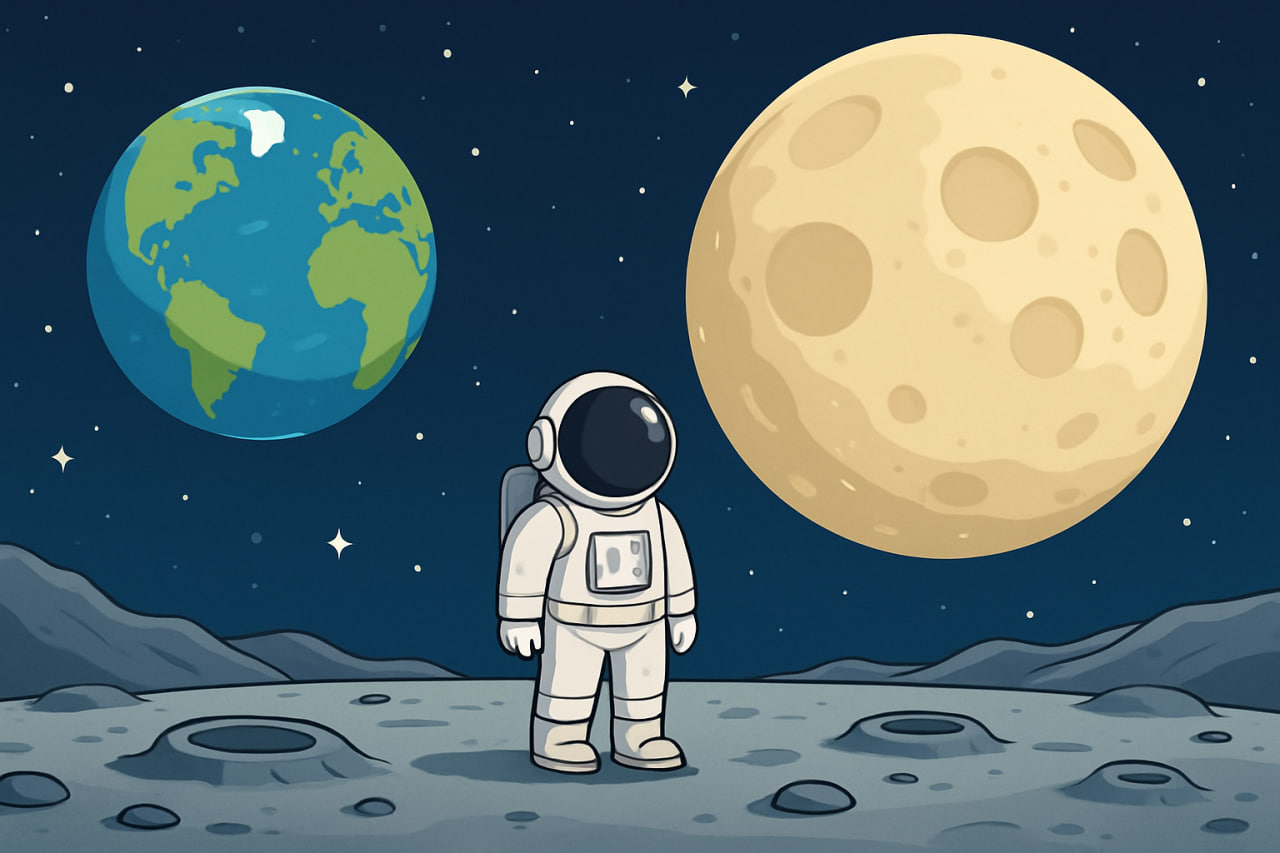
The Moon is Earth’s only natural satellite and one of the most influential celestial bodies in our solar system. For thousands of years, it has shaped human culture, guided navigation, inspired mythology, and sparked scientific curiosity. Beyond its symbolic meaning, the Moon plays a crucial physical role in stabilizing Earth’s climate, regulating ocean tides, and influencing biological rhythms. Its desolate, airless surface contains clues to the early formation of the solar system, while its gravitational pull has shaped life on Earth in profound ways. From ancient astronomers to modern space missions, the Moon remains a gateway to scientific discovery and a stepping stone toward future space exploration.

The Standard Model: The Fundamental Blueprint of Particles and Forces
Universe Science Be Smart

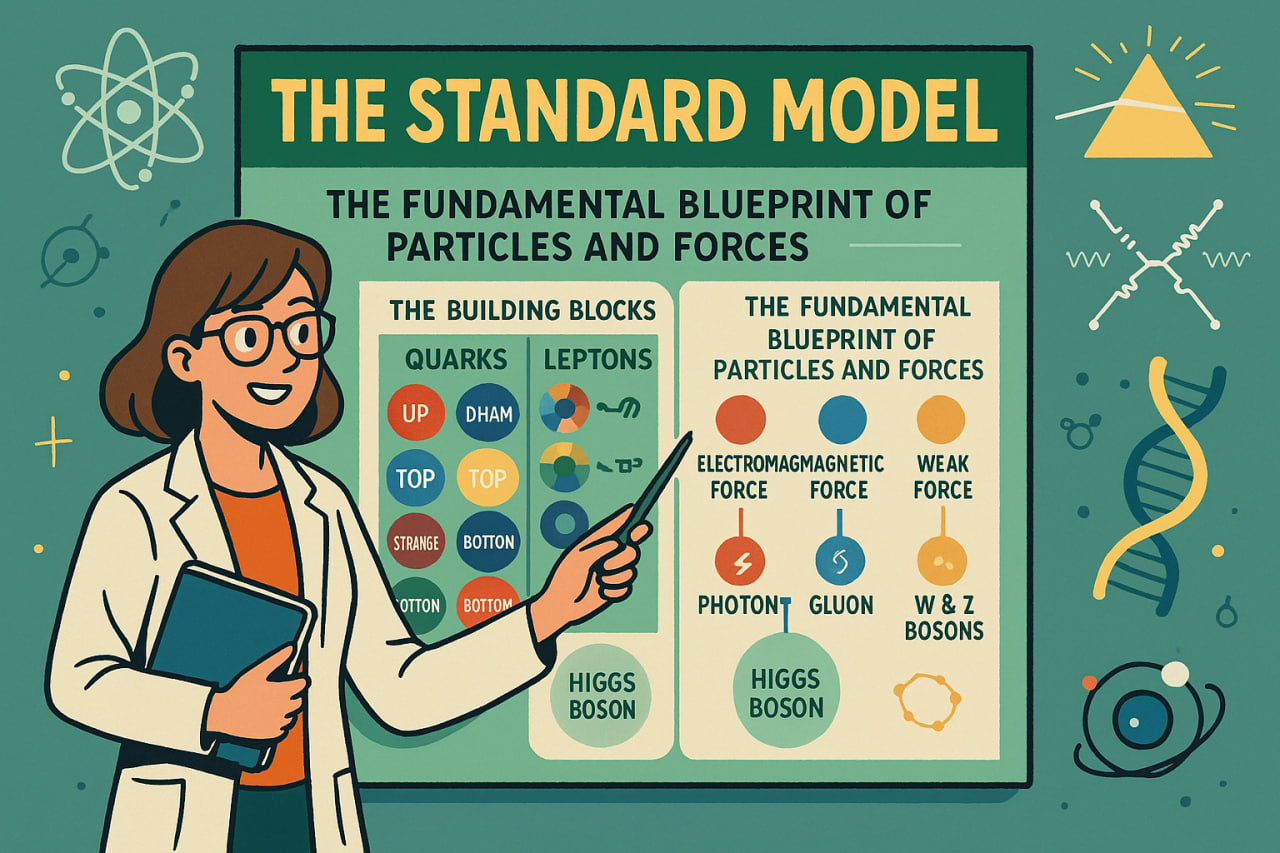
The Standard Model: The Fundamental Blueprint of Particles and Forces

The Standard Model of particle physics is the most successful scientific theory describing the basic building blocks of the universe. It explains how all known fundamental particles interact through three of the four fundamental forces: the electromagnetic, weak, and strong forces. Although gravity is not included in the Standard Model, this framework has accurately predicted particle behavior for decades and remains the foundation of modern physics. It helps scientists understand everything from the structure of atoms to the fusion powering the Sun.

Matter–Antimatter Asymmetry: Why the Universe Exists at All
Universe Science New Discoveries

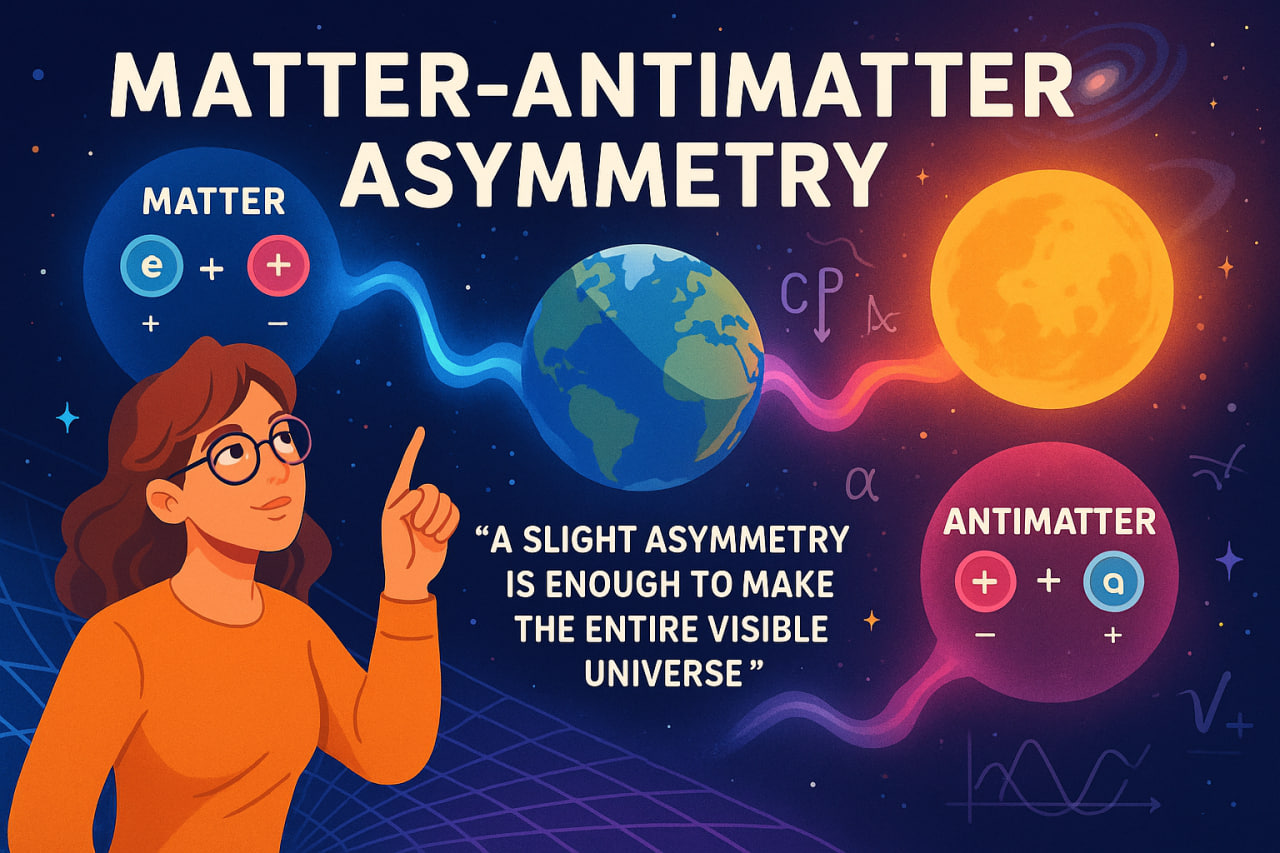
Matter–Antimatter Asymmetry: Why the Universe Exists at All

The matter–antimatter asymmetry is one of the deepest and most fascinating mysteries in modern physics. According to the known laws of particle physics, the Big Bang should have produced equal amounts of matter and antimatter. But if that had happened, matter and antimatter would have instantly annihilated each other, leaving behind nothing but light. Instead, our universe contains galaxies, planets, humans — all made of matter. Antimatter, by contrast, is almost completely absent. This imbalance, known as baryon asymmetry, remains one of the most important unsolved problems in cosmology and particle physics.

Venus: What We Have Learned After Decades of Observation
Space Stories Universe Solar System

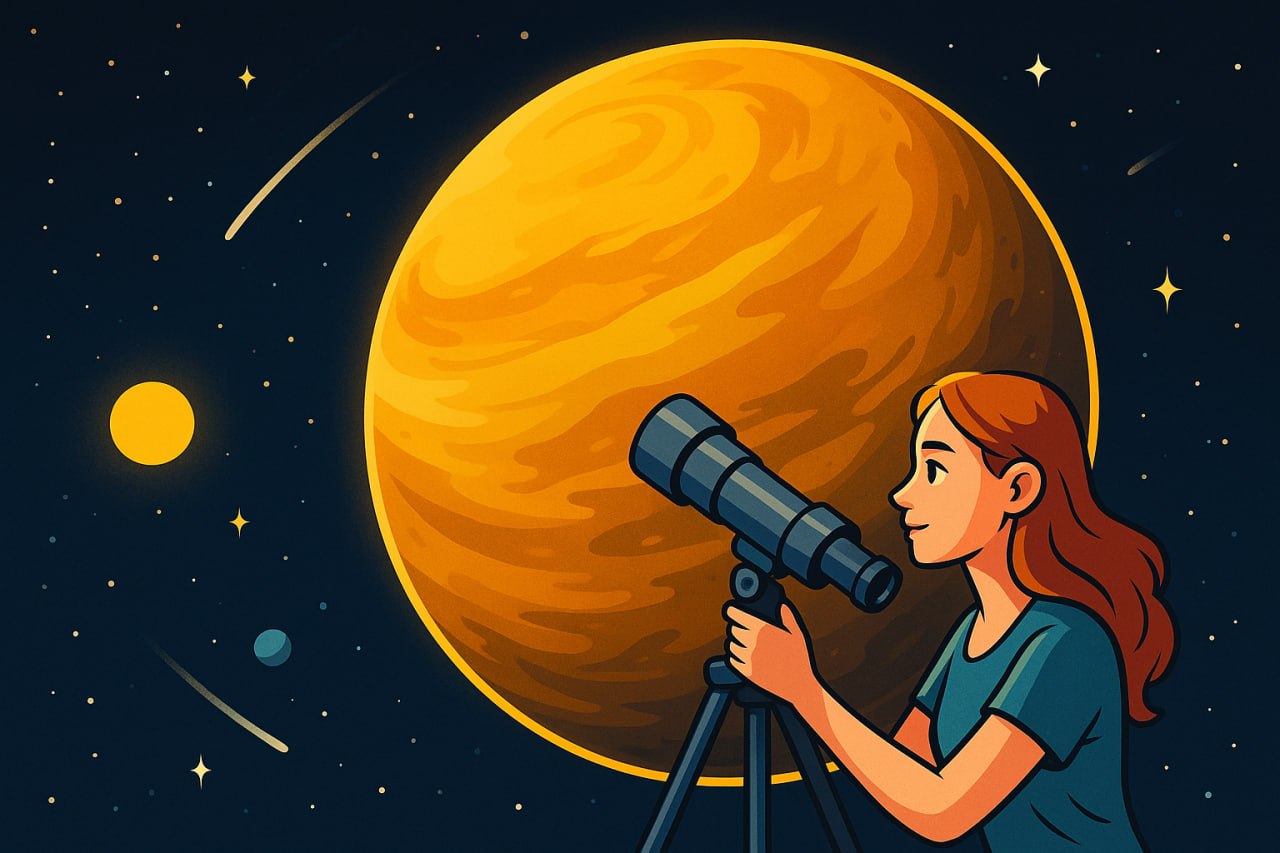
Venus: What We Have Learned After Decades of Observation

Venus, often called Earth’s “twin,” is one of the most fascinating and mysterious planets in the Solar System. Despite being similar to Earth in size, mass, and composition, Venus evolved into an extreme world dominated by scorching temperatures, crushing atmospheric pressure, and clouds of toxic acid. Over the past several decades, scientists have observed Venus through telescopes, orbiters, landers, and radar-mapping missions, gradually revealing the planet’s surface, atmosphere, geology, and climate. These observations have transformed our understanding of planetary evolution, climate change, volcanic activity, and atmospheric chemistry. Venus may be harsh and inhospitable today, but its history and behavior offer crucial insights into the past — and perhaps the future — of Earth itself.

Rogue Planets: The Mysterious Worlds Drifting Through the Galaxy
Space Stories Universe

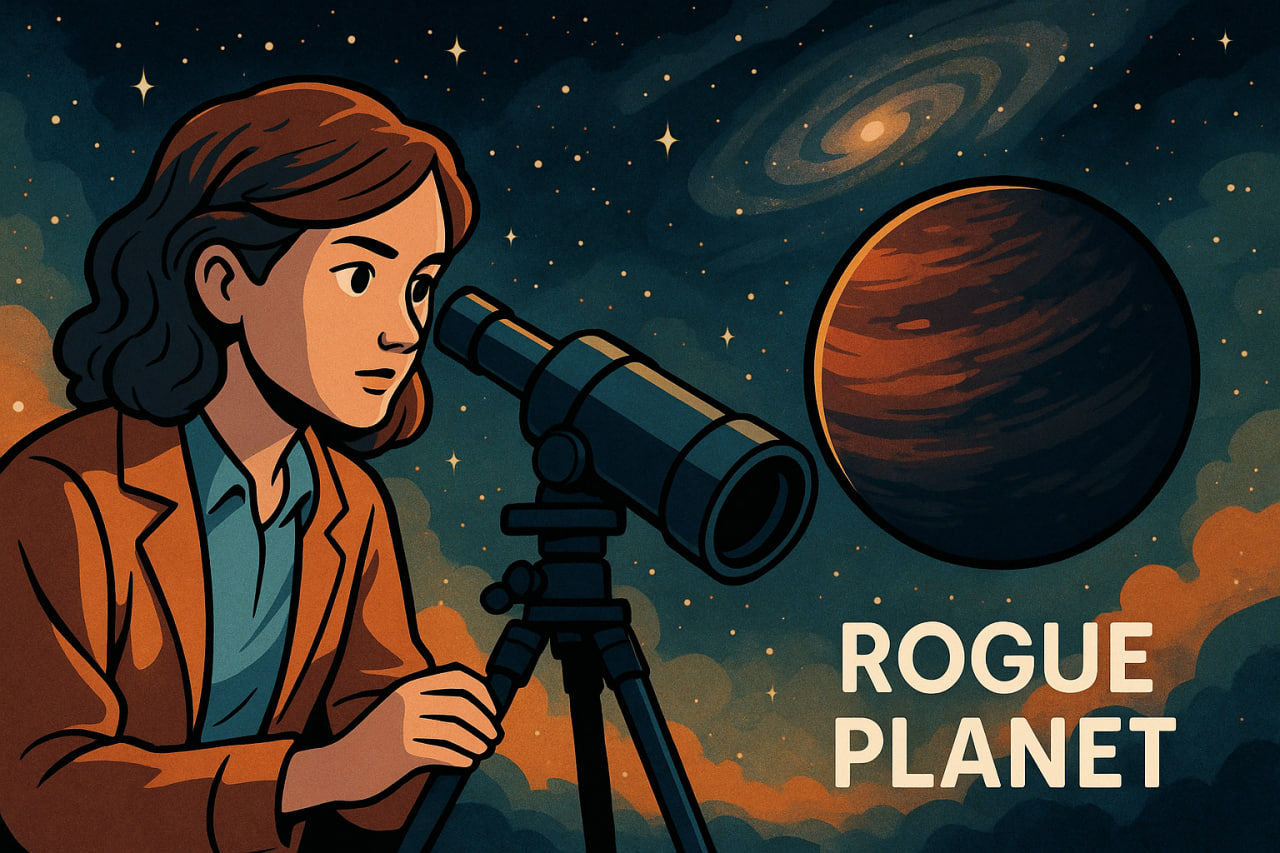
Rogue Planets: The Mysterious Worlds Drifting Through the Galaxy

Rogue planets, also known as free-floating planets or orphan planets, are planetary-mass objects that travel through space without orbiting a star. Unlike Earth, Jupiter, or other planets bound to a solar system, rogue planets drift alone in the darkness of interstellar space. Their existence challenges traditional ideas about how planetary systems form and evolve. Some rogue planets may have been violently ejected from their home systems; others may have formed independently, similar to small brown dwarfs. These worlds offer a fascinating glimpse into the chaotic processes that shape the universe and raise profound questions about how common—and how unusual—planetary environments can be.

JUNO: NASA’s Mission to Uncover the Secrets of Jupiter
Space Stories Universe Solar System

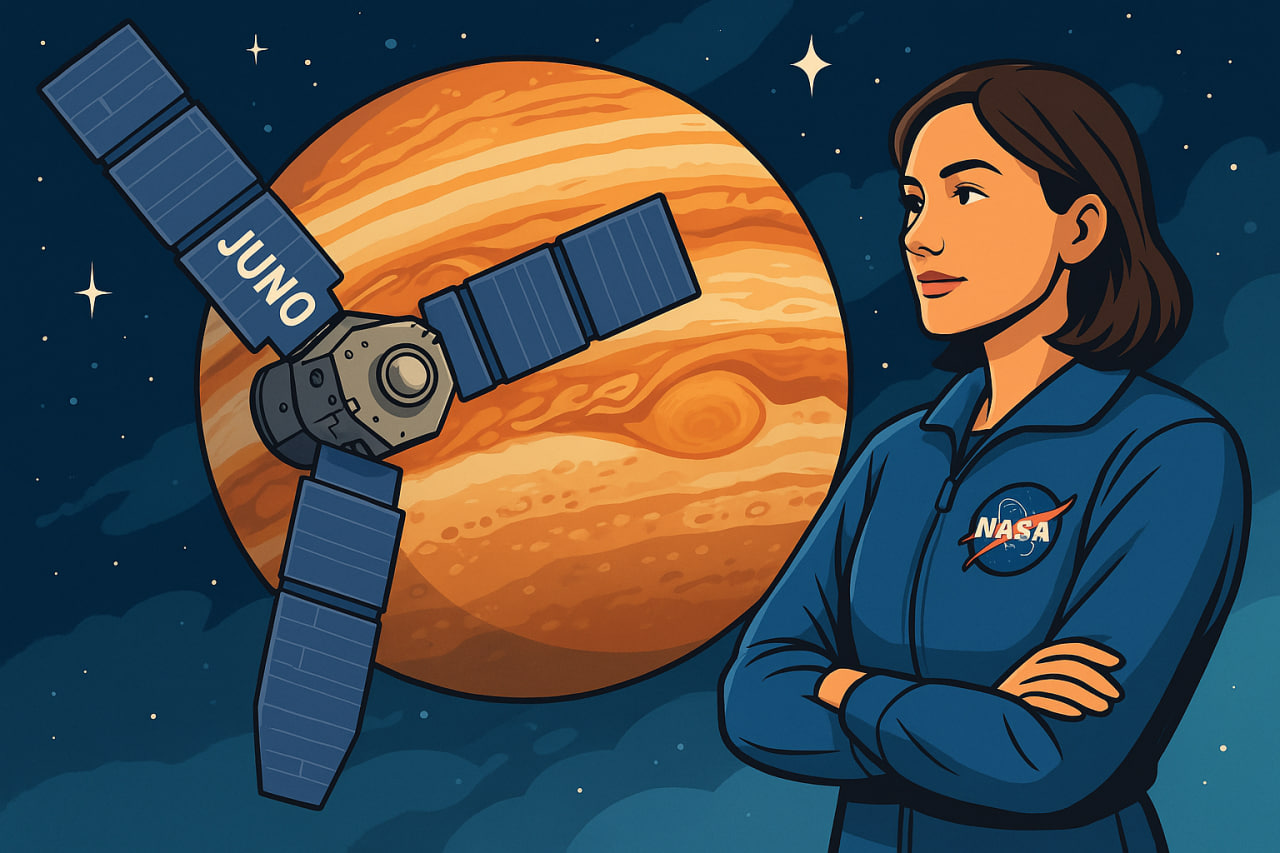
JUNO: NASA’s Mission to Uncover the Secrets of Jupiter

Launched in 2011, NASA’s Juno spacecraft is one of the most ambitious and scientifically groundbreaking missions ever sent to the outer Solar System. Designed to study Jupiter — the largest and most ancient planet — Juno seeks to uncover clues about the formation of our planetary system, the composition of gas giants, and the deep internal processes that drive their powerful magnetic fields and extreme weather systems. By orbiting Jupiter in a highly elongated polar orbit, Juno collects data from regions never before observed, offering unprecedented insight into the mysteries hidden beneath Jupiter’s dense and stormy atmosphere. As the spacecraft continues to send back discoveries, scientists gain a clearer picture of how giant planets shape the evolution of planetary environments and the potential conditions for life elsewhere.

What Is a Gas Giant? Understanding the Giants of Our Solar System
Space Stories Universe Solar System

What Is a Gas Giant? Understanding the Giants of Our Solar System

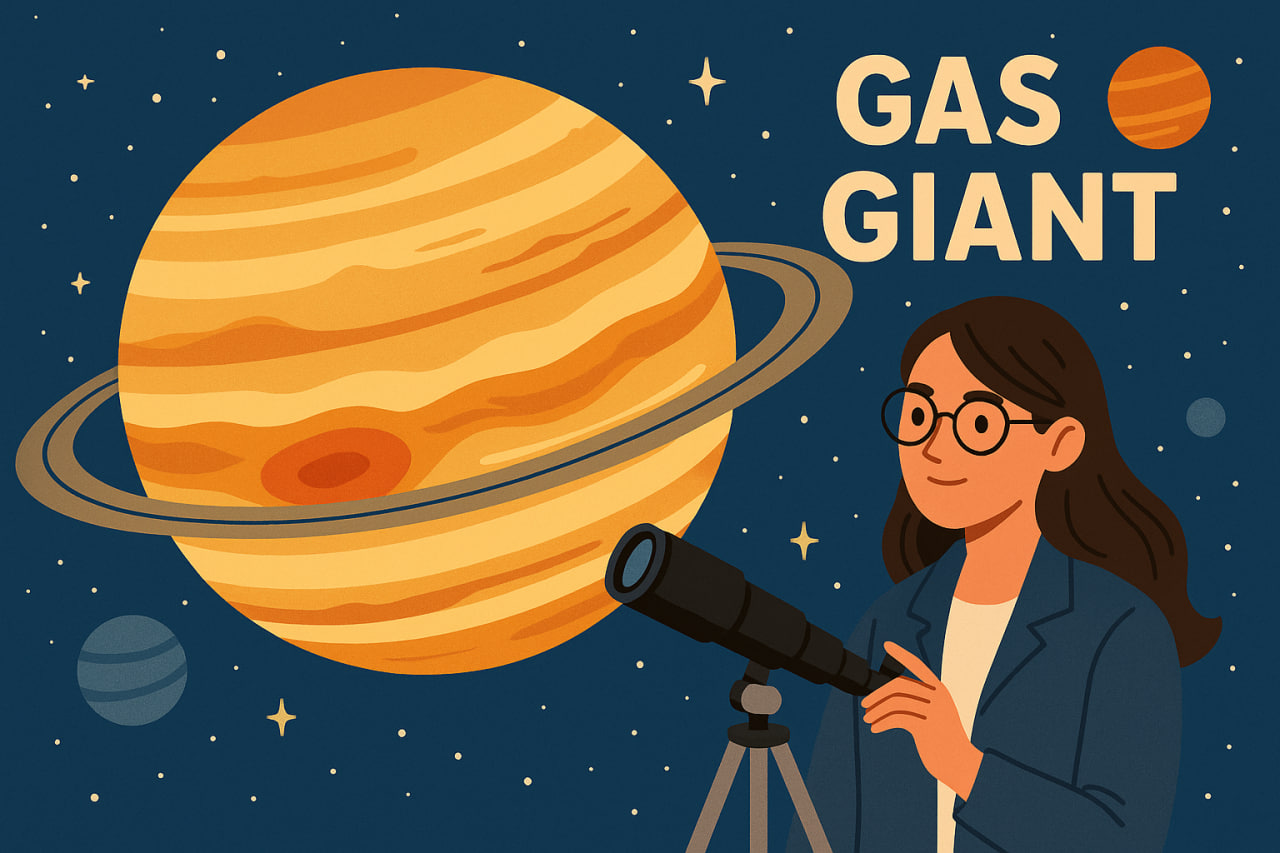
Gas giants are enormous planets composed mostly of hydrogen, helium, and other light gases rather than solid rock. These colossal worlds — such as Jupiter and Saturn in our Solar System — are known for their thick atmospheres, extreme weather systems, powerful magnetic fields, and massive gravitational influence. Unlike terrestrial planets like Earth or Mars, gas giants do not have a solid surface; instead, their atmospheres gradually transition into deeper layers of compressed gas and liquid under immense pressure. Studying gas giants helps scientists understand how planets form and evolve, how atmospheres behave under extreme conditions, and how giant planets influence the structure of planetary systems. Gas giants also offer clues about distant exoplanets, since many planets discovered around other stars belong to this category.

Lunar Eclipse: A Spectacular Alignment of Earth, Moon, and Sun
Space Stories Universe Solar System

Lunar Eclipse: A Spectacular Alignment of Earth, Moon, and Sun

A lunar eclipse is one of the most captivating celestial events visible from Earth, occurring when the Earth passes directly between the Sun and the Moon, casting its shadow across the lunar surface. Unlike solar eclipses, which require special eye protection and are visible only from narrow paths, lunar eclipses can be observed safely with the naked eye and are visible from entire continents. Throughout history, lunar eclipses have inspired myths, scientific discoveries, and cultural traditions. Today, they offer astronomers a valuable opportunity to study Earth’s atmosphere and the Moon’s surface under unique lighting conditions. Understanding how lunar eclipses form reveals both the elegance of celestial mechanics and the interconnected motions of our planet and its natural satellite.

Solar Wind: The Powerful Stream of Particles Flowing From the Sun
Space Stories Universe Be Smart

Solar Wind: The Powerful Stream of Particles Flowing From the Sun

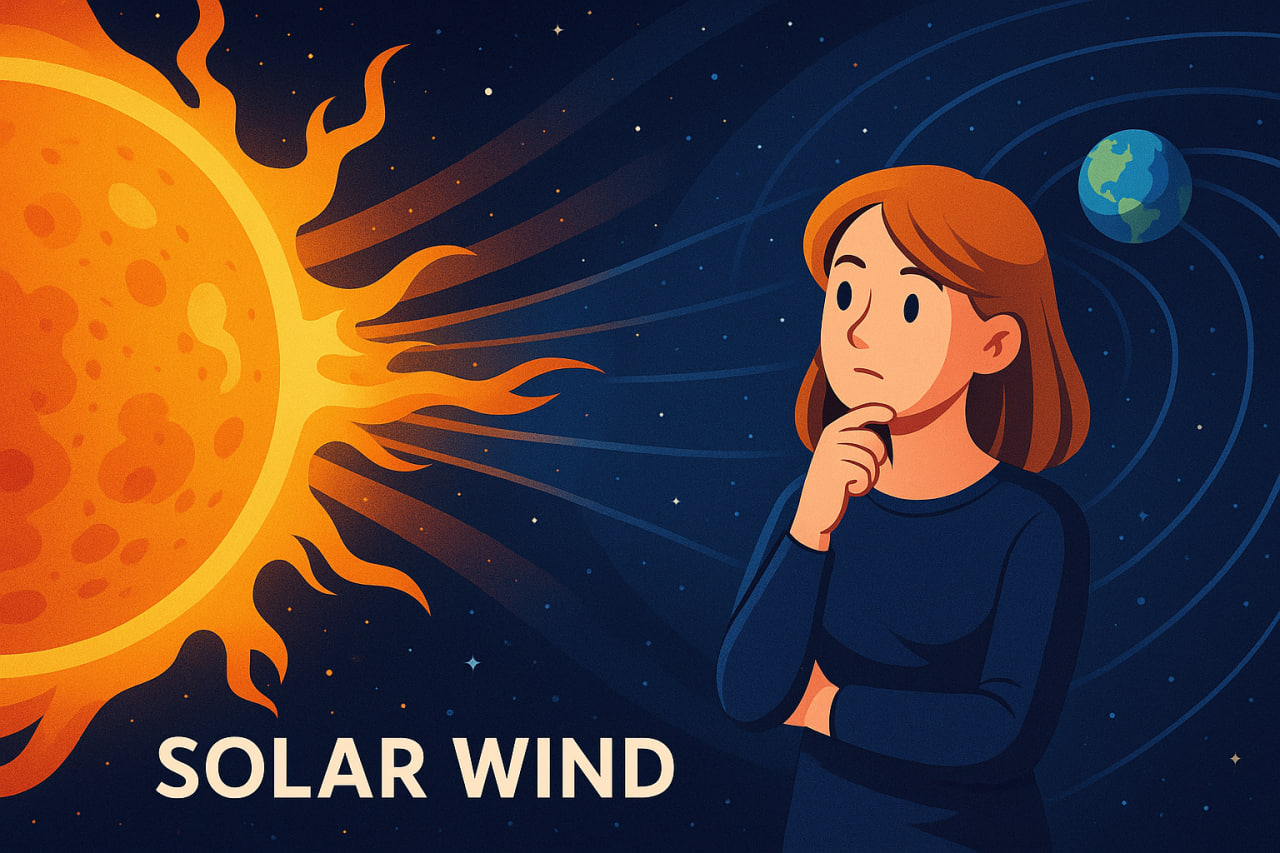
The solar wind is a continuous stream of charged particles — mainly electrons and protons — that flows outward from the Sun at incredible speeds. This invisible but powerful force shapes the space environment throughout the entire Solar System. As it travels across space, the solar wind interacts with planetary atmospheres, magnetic fields, and even technological systems on Earth. Although it cannot be felt directly, the solar wind plays a crucial role in creating auroras, driving space weather, and influencing long-term planetary evolution. Understanding how the solar wind behaves helps scientists protect satellites, forecast geomagnetic storms, and study the dynamic relationship between the Sun and Earth.