Universe

Why Comets Are So Fascinating for Researchers
Space Stories Universe Science

Why Comets Are So Fascinating for Researchers

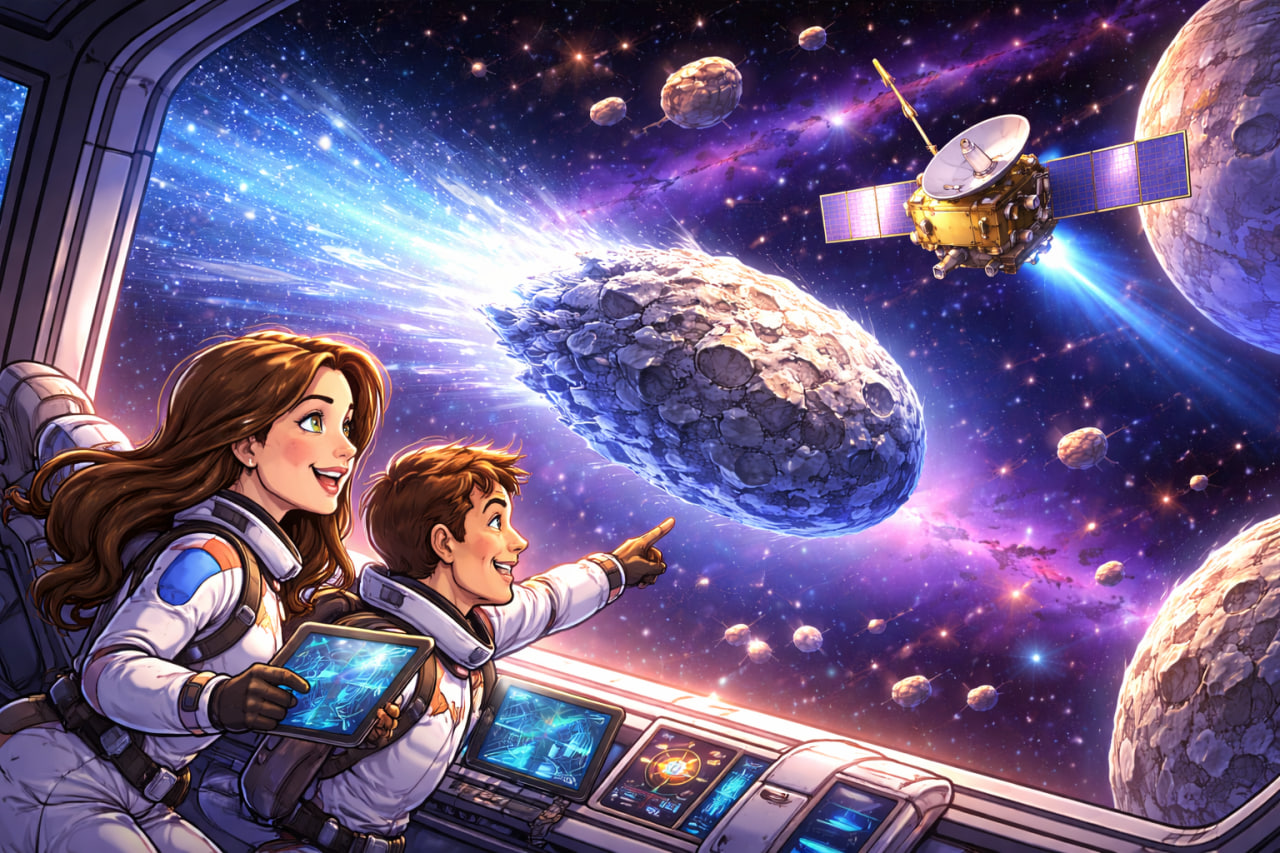
Comets are among the most intriguing objects in the Solar System, often described as frozen messengers from its earliest history. These icy bodies travel along elongated orbits, occasionally approaching the Sun and developing spectacular glowing tails visible from Earth. For researchers, comets are far more than beautiful celestial events; they are time capsules that preserve material from the era when planets were forming. By studying comets, scientists gain insight into the chemical composition, physical conditions, and dynamic processes that shaped the early Solar System. Their unpredictable behavior and dramatic transformations near the Sun make them natural laboratories for understanding how matter behaves in extreme environments.
Why the Moon Is So Fascinating for People on Earth
Space Stories Universe Solar System

Why the Moon Is So Fascinating for People on Earth

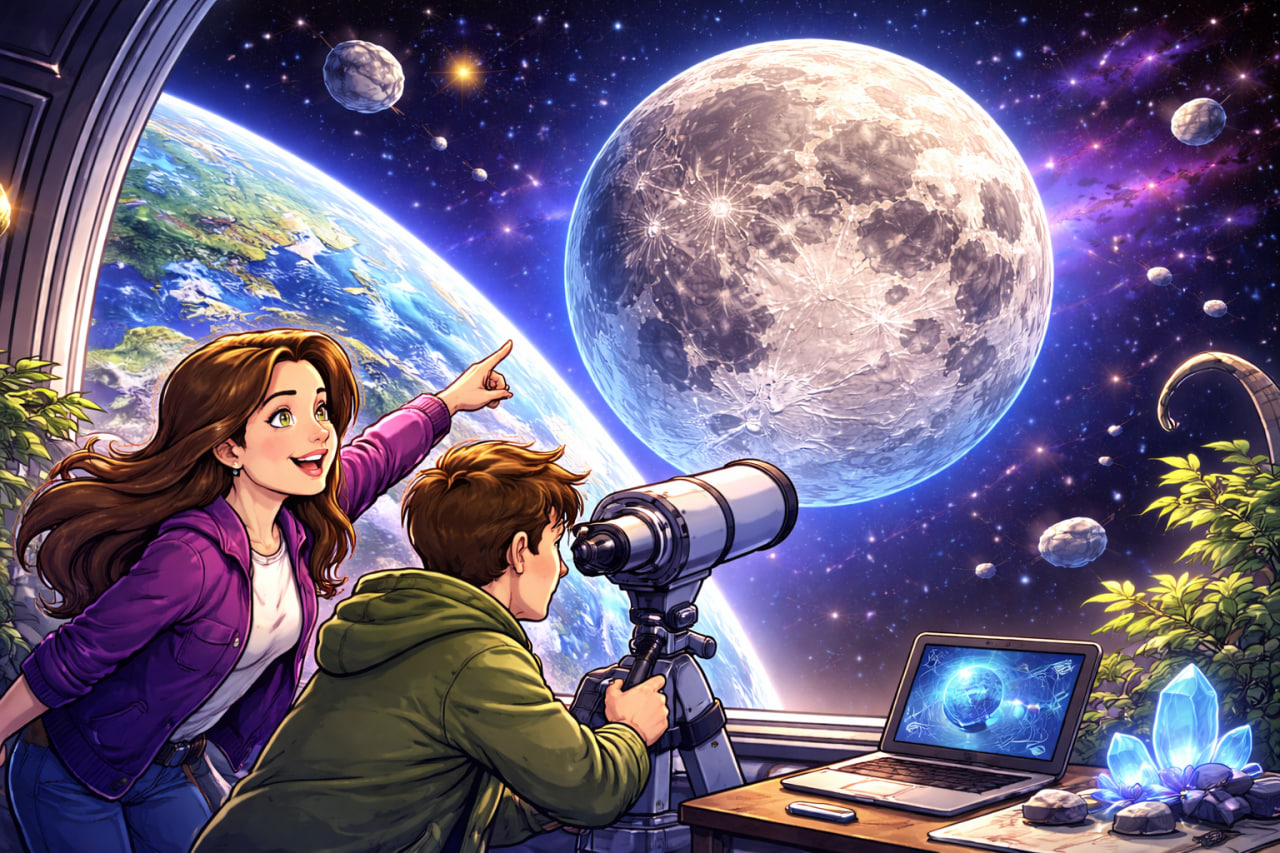
The Moon has captivated humanity since the earliest days of civilization, serving as a constant presence in the night sky and a powerful symbol in culture, science, and imagination. As Earth’s only natural satellite, it influences natural processes, inspires exploration, and offers unique opportunities for scientific discovery. Unlike distant planets, the Moon is close enough to study in great detail, making it a natural laboratory for understanding planetary evolution. Its surface preserves records of cosmic events that Earth has long erased through weather and tectonics. For modern humanity, the Moon is not only an object of curiosity but also a gateway to future space exploration and technological progress.

What Lies Beyond the Solar System?
Space Stories Universe

What Lies Beyond the Solar System?

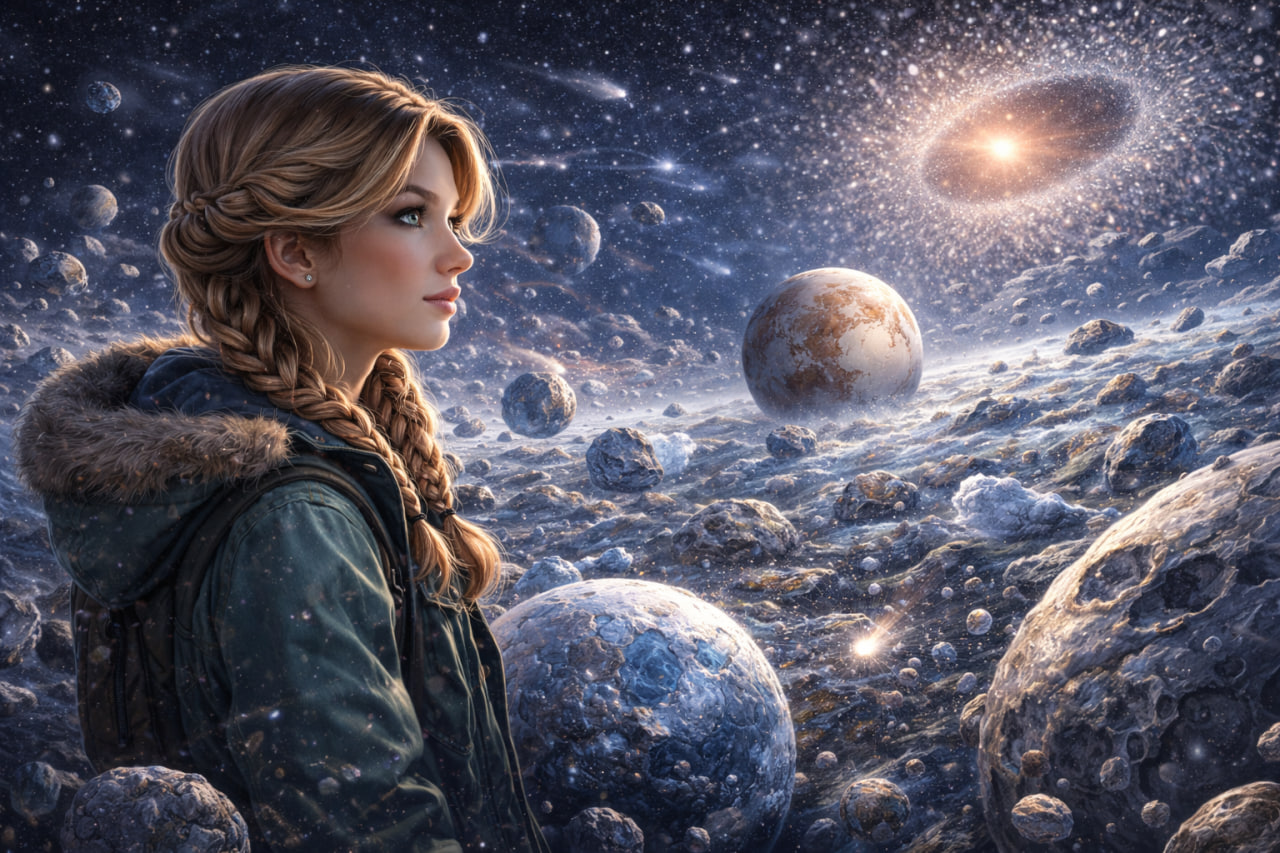
For centuries, humanity believed the Solar System marked the boundary of the known universe, but modern astronomy has revealed that it is only a tiny island within a vast cosmic ocean. Beyond the orbit of Neptune begins a region filled with icy remnants, mysterious gravitational forces, and distant cosmic structures that challenge our understanding of space. These regions are not empty voids; they contain matter, radiation, and clues about how planetary systems form and evolve. Studying what lies beyond the Solar System helps scientists understand the origins of stars, planets, and even the conditions that make life possible elsewhere. Advances in telescopes and space missions continue to push these boundaries outward, transforming speculation into measurable science. What lies beyond is not a single place, but a layered structure of cosmic neighborhoods extending far into interstellar and galactic space.

The Kuiper Belt and the Oort Cloud: Icy Worlds at the Edge of the Solar System
Space Stories Universe Solar System

The Kuiper Belt and the Oort Cloud: Icy Worlds at the Edge of the Solar System

Far beyond the orbit of Neptune lies a vast and mysterious region of the Solar System, populated by frozen remnants from its formation. These distant domains—the Kuiper Belt and the Oort Cloud—are composed of icy bodies that preserve clues about the earliest stages of planetary history. Although invisible to the naked eye and difficult to study directly, they play a crucial role in shaping the Solar System’s structure and evolution. Comets, orbital dynamics, and even planetary migration are deeply connected to these remote regions. Understanding them expands our perception of the Solar System from a compact planetary neighborhood into a vast, layered cosmic system. These icy worlds mark the true boundary between our planetary system and interstellar space.

Gravitational Waves: How We Hear Black Hole Collisions
Space Stories Universe Science

Gravitational Waves: How We Hear Black Hole Collisions

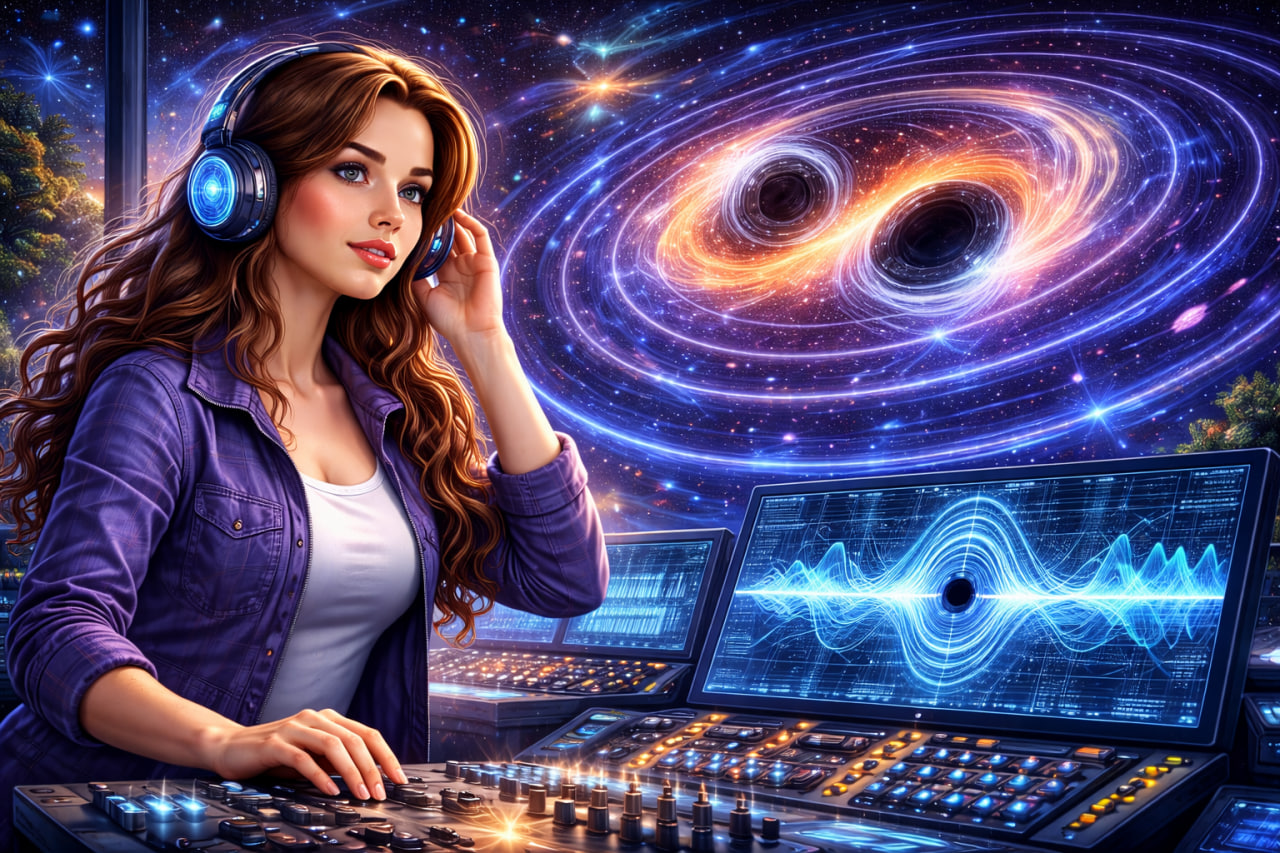
Gravitational waves are one of the most extraordinary discoveries in modern physics, allowing humanity to observe the universe in a completely new way. Unlike light or radio signals, gravitational waves carry information through tiny distortions of spacetime itself, produced by some of the most violent cosmic events imaginable. When black holes collide, they do not emit sound in the traditional sense, yet scientists often describe these events as being “heard” rather than seen. This metaphor reflects how detectors translate spacetime vibrations into measurable signals. Understanding how gravitational waves work reveals how researchers study invisible phenomena occurring billions of light-years away. These discoveries have transformed astrophysics and opened a new era of observational astronomy.

Venus: Earth’s Hellish Sister and the Mystery of Its Climate
Space Stories Universe Solar System

Venus: Earth’s Hellish Sister and the Mystery of Its Climate

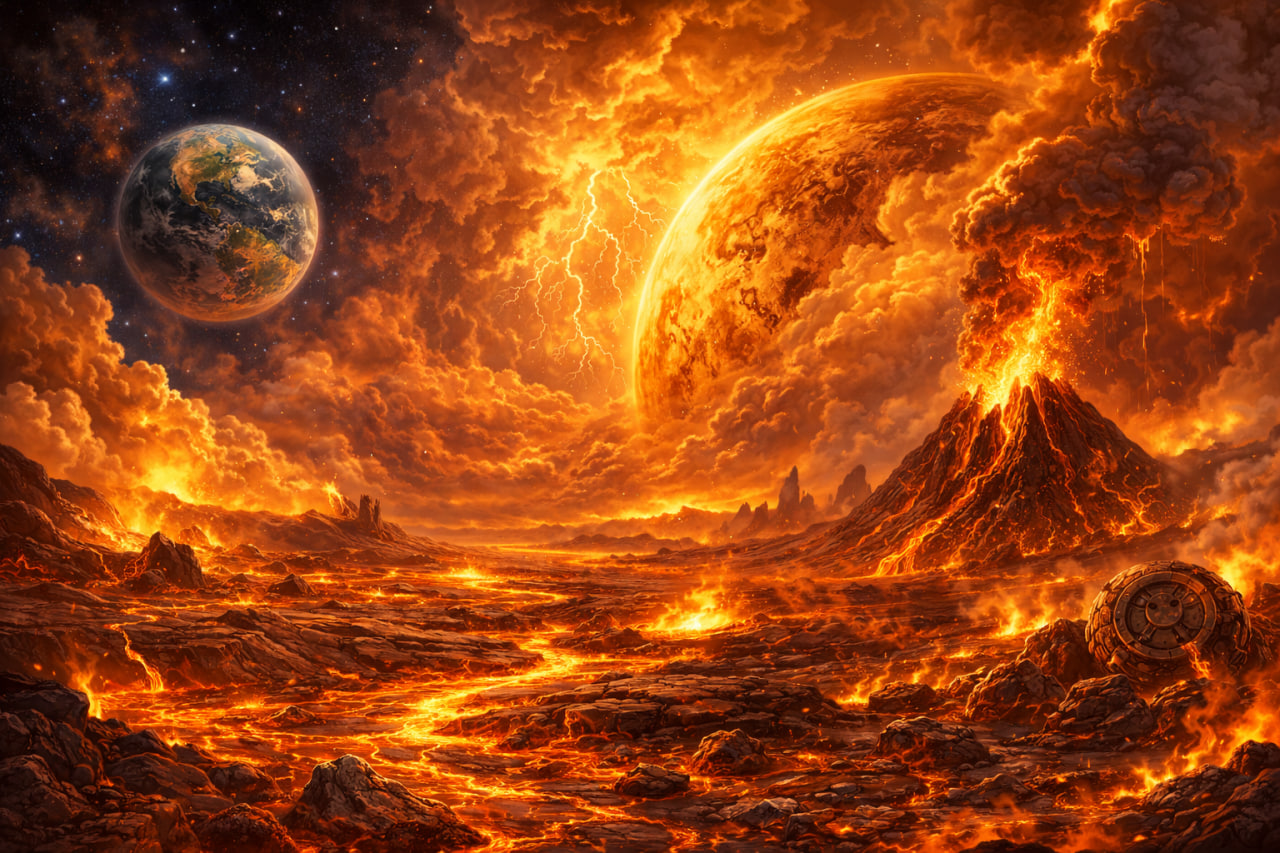
Venus is often called Earth’s sister planet because of its similar size, mass, and rocky composition, yet its environment could not be more different. While Earth supports life, Venus is a world of extreme heat, crushing pressure, and toxic clouds. Surface temperatures are hot enough to melt lead, and the atmosphere is dominated by carbon dioxide and sulfuric acid. These conditions make Venus one of the most hostile places in the Solar System. Understanding why two seemingly similar planets evolved so differently is one of the most important questions in planetary science. Venus offers a powerful lesson about climate, planetary evolution, and the fragility of habitability.

How Mars Could Be Made Habitable: Science, Challenges, and Limits
Space Stories Universe Solar System

How Mars Could Be Made Habitable: Science, Challenges, and Limits

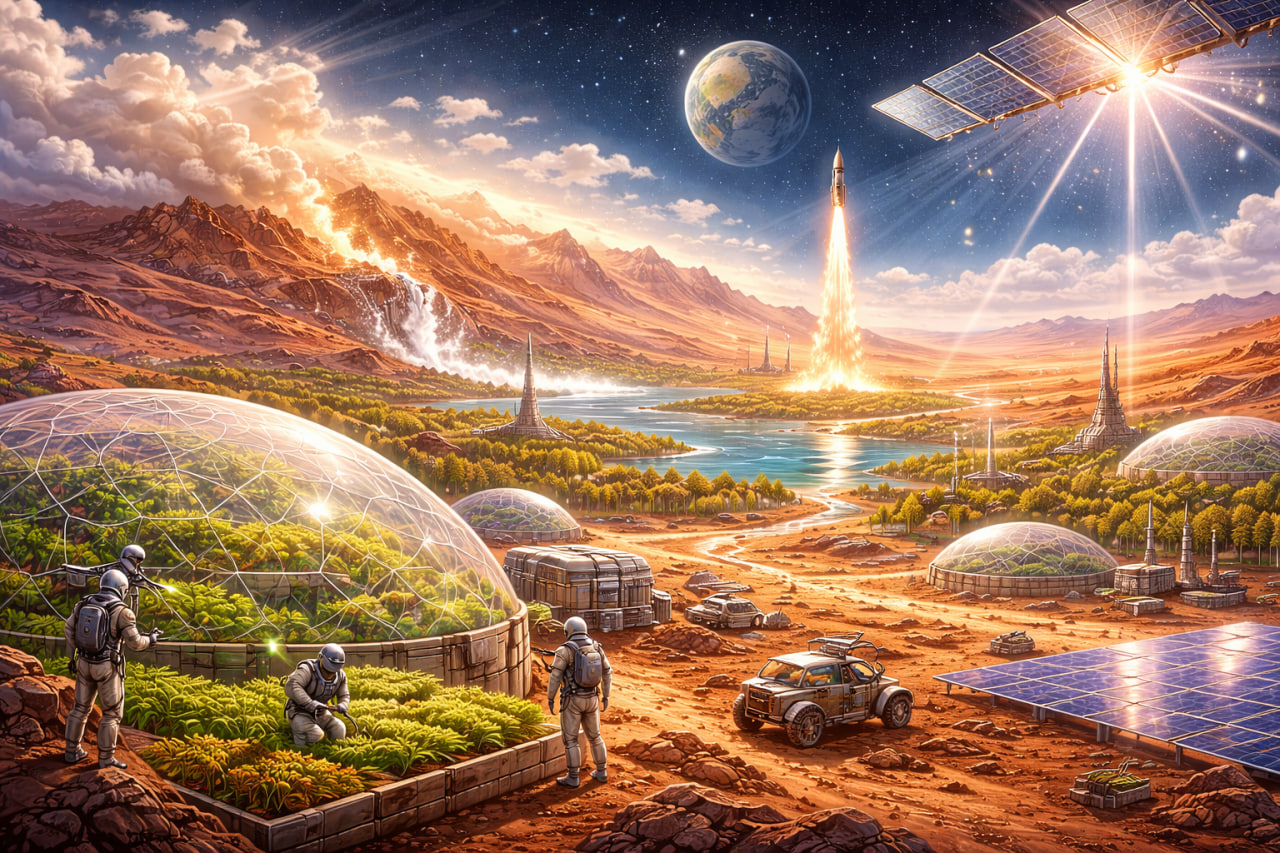
The idea of making Mars suitable for human life has fascinated scientists, engineers, and science fiction writers for decades. Mars is often considered the most Earth-like planet in the Solar System, yet its current conditions are extremely hostile to life as we know it. The planet is cold, dry, and exposed to intense radiation, with a thin atmosphere incapable of supporting liquid water on the surface. Transforming Mars into a habitable world, a process often called terraforming, would require changes on a planetary scale. While some aspects are theoretically possible, others remain far beyond current technological capabilities. Understanding what would be required helps separate scientific discussion from speculation.

How Is Our Universe Structured?
Space Stories Universe

How Is Our Universe Structured?

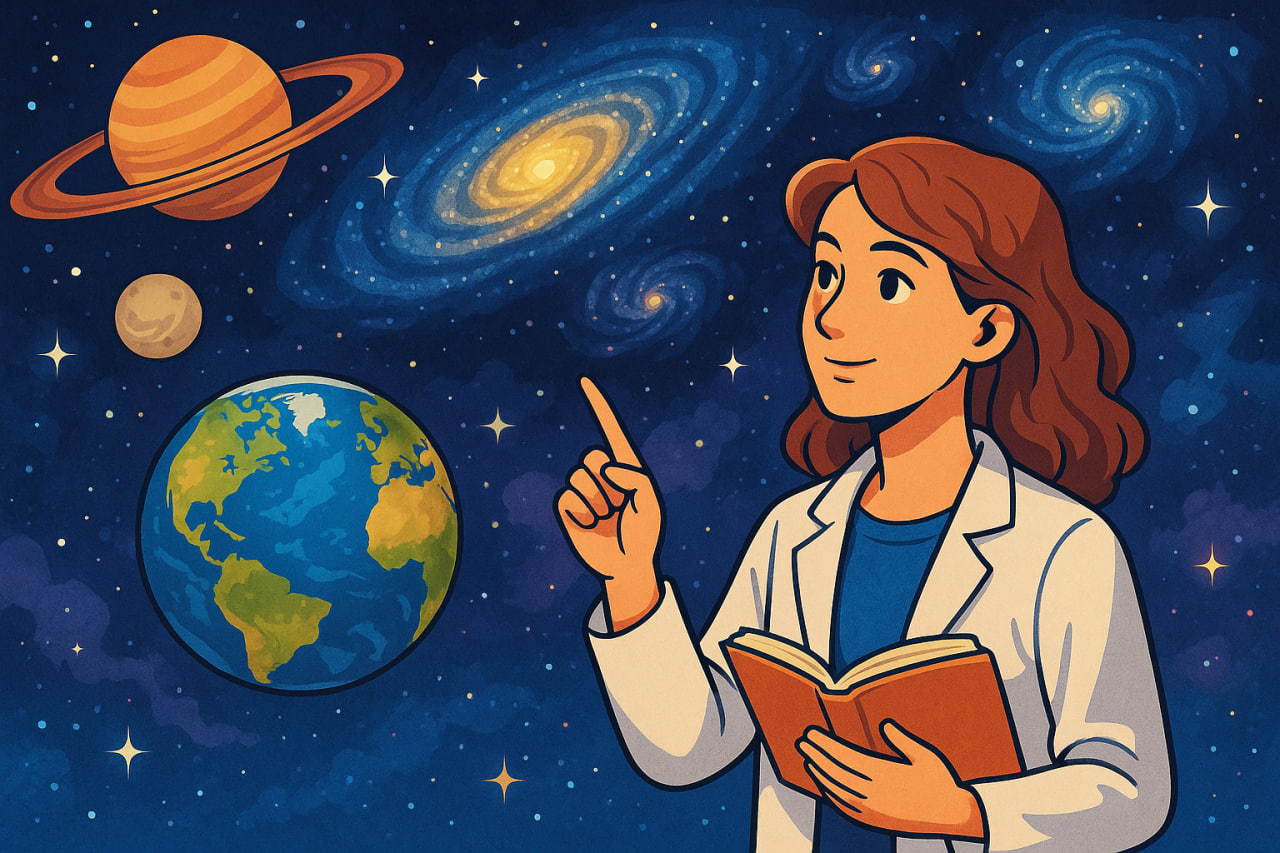
The Universe is an immense and complex system that extends far beyond what the human eye can observe. It includes everything that exists: space, time, matter, energy, and the physical laws that govern them. Despite its enormous scale, scientists have been able to uncover many aspects of how the Universe is organized by studying light, radiation, and gravitational effects across vast distances. From tiny subatomic particles to colossal galaxy clusters, every level of structure follows certain patterns shaped by fundamental forces. Understanding how the Universe is structured allows us to trace its origin, explain its evolution, and predict its possible future. Although many mysteries remain unsolved, modern cosmology provides a coherent framework that connects observations with theory.

The Second Law of Thermodynamics and Our Universe
Space Stories Universe Science

The Second Law of Thermodynamics and Our Universe

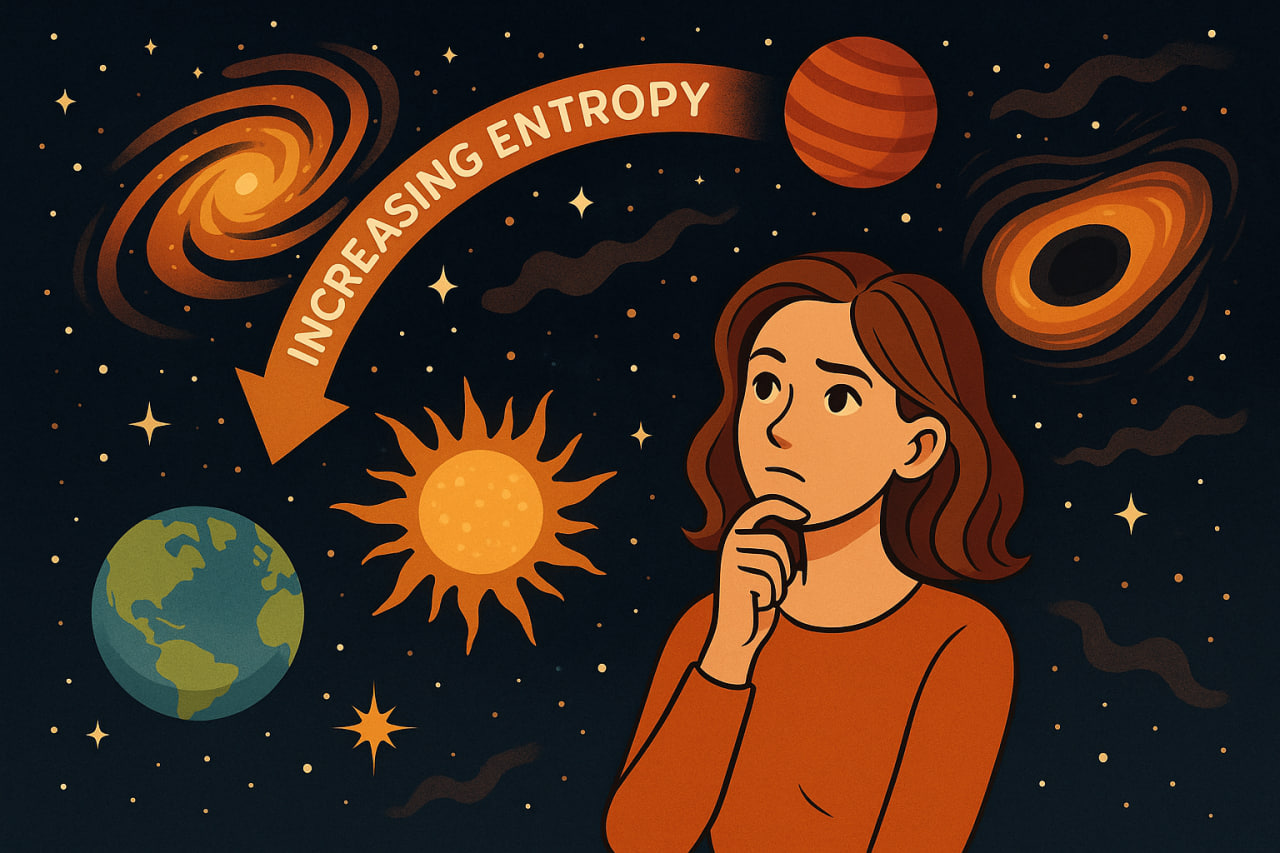
The second law of thermodynamics is one of the most fundamental principles in physics, shaping how energy flows and how the Universe evolves over time. At its core, this law describes the natural tendency of systems to move toward disorder, a concept measured by entropy. From melting ice to the life cycle of stars, the second law governs processes on every scale, from microscopic particles to the entire cosmos. It explains why time appears to move in one direction and why certain events cannot be reversed. Understanding this law is essential for grasping how the Universe began, how it functions today, and how it may ultimately end. Far from being an abstract rule, the second law is deeply woven into the structure of reality itself.

Gravity: The Force That Shapes the Universe
Space Stories Universe Science

Gravity: The Force That Shapes the Universe

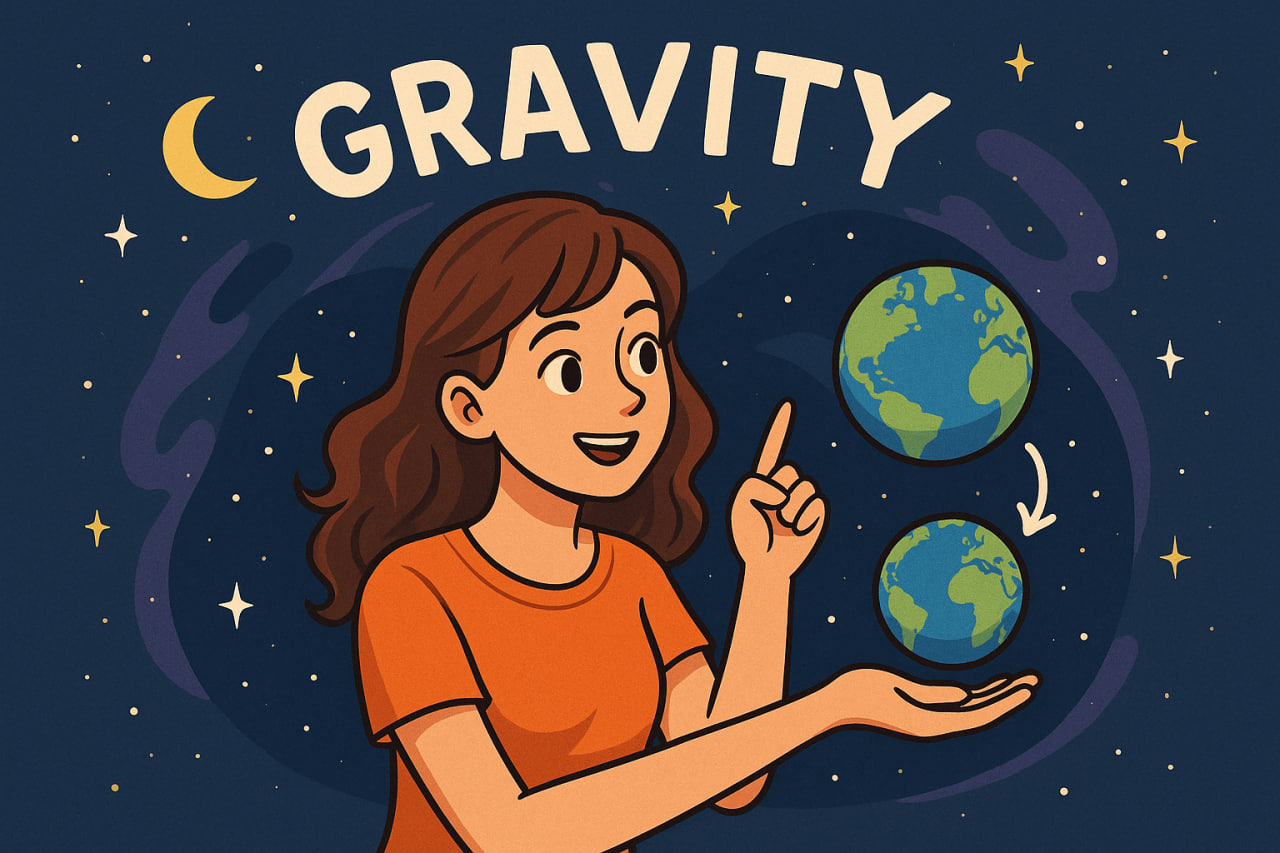
Gravity is one of the four fundamental forces of nature, yet it is the one most deeply woven into everyday experience and the structure of the Universe itself. From keeping our feet on the ground to governing the motion of galaxies, gravity acts across vast distances and immense scales. Unlike other forces, gravity affects all objects with mass or energy, making it truly universal. For centuries, scientists have sought to understand its nature, from classical descriptions to modern theories that connect gravity with space and time. Although gravity appears weak compared to other forces, its cumulative effects dominate the architecture of the cosmos. Understanding gravity is essential for explaining how the Universe formed, how it evolves, and how it may ultimately end.