Universe

Baryon Asymmetry: Why There Is More Matter Than Antimatter
Universe Science Be Smart

Baryon Asymmetry: Why There Is More Matter Than Antimatter

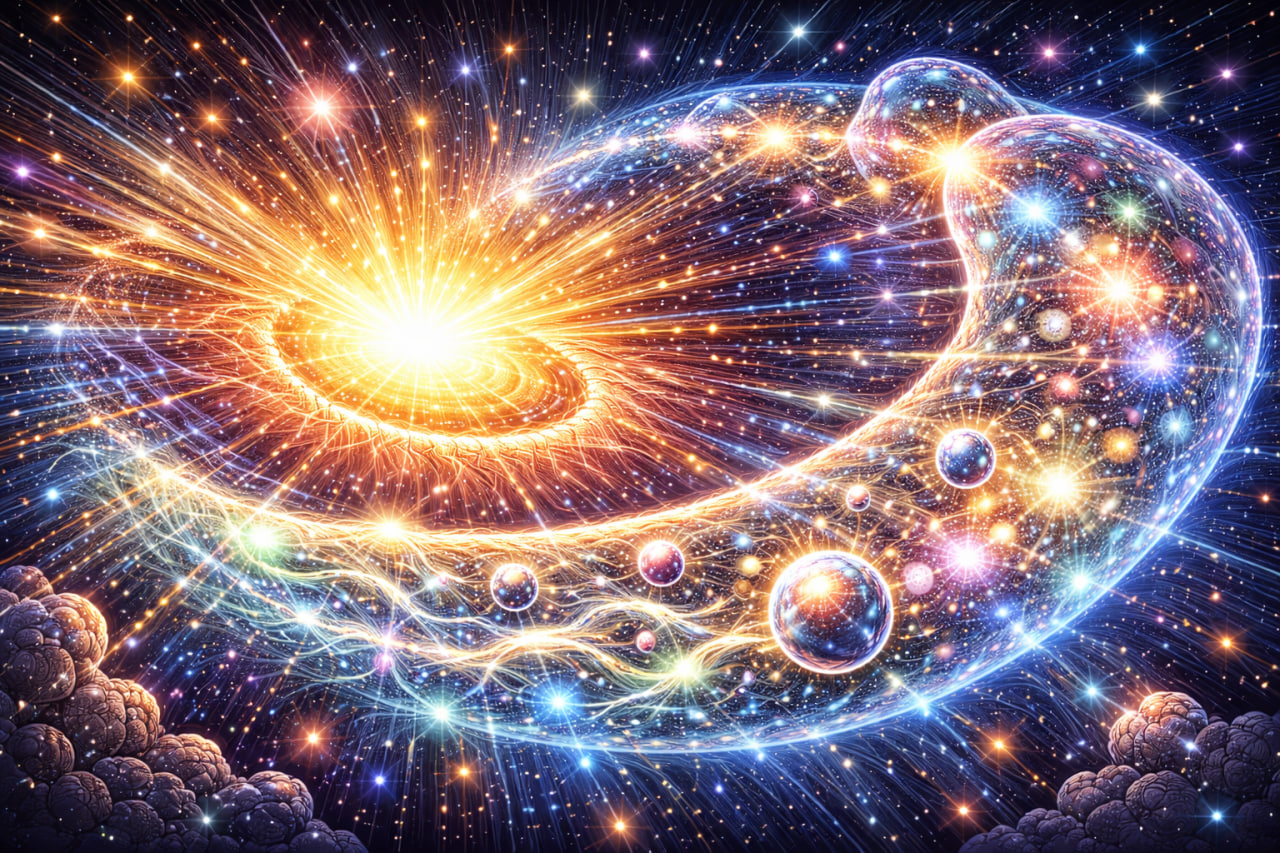
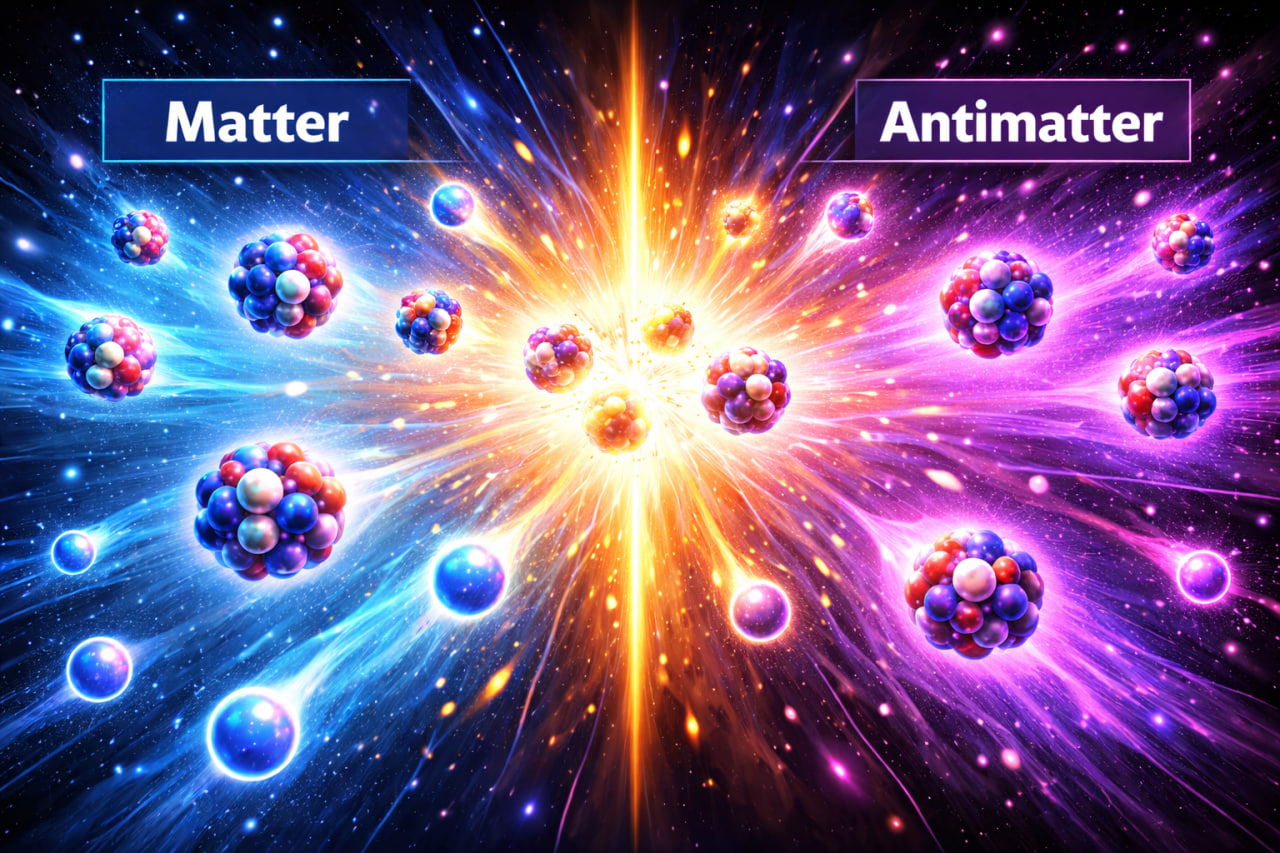
According to the known laws of physics, the Big Bang should have produced matter and antimatter in equal amounts. If that symmetry had remained perfect, particles and antiparticles would have annihilated each other completely, leaving behind a universe filled mostly with radiation. Yet the observable universe is clearly dominated by matter: stars, planets, galaxies, and life itself exist because matter survived. This imbalance is known as baryon asymmetry, one of the most profound unsolved problems in modern physics. Understanding why matter won over antimatter is essential for explaining why the universe exists in its current form.
Betelgeuse: A Red Supergiant Near the End of Its Life
Space Stories Universe

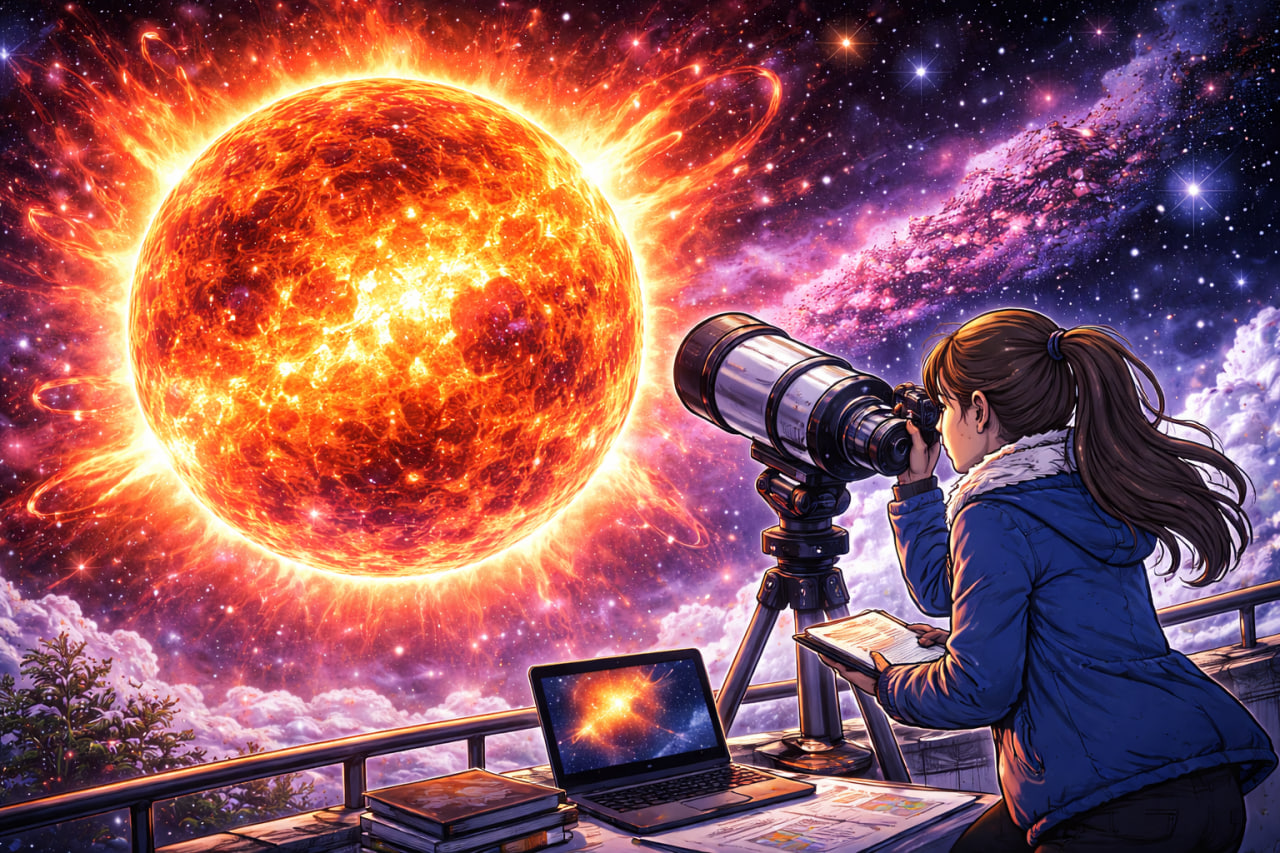
Betelgeuse: A Red Supergiant Near the End of Its Life

Betelgeuse is one of the most famous and closely studied stars in the night sky, easily recognizable by its reddish glow and enormous size. Located in the constellation Orion, it is a red supergiant—a rare and short-lived stage in stellar evolution. Unlike stable stars such as the Sun, Betelgeuse is highly variable, constantly changing in brightness, size, and surface structure. These fluctuations make it an exceptional natural laboratory for understanding how massive stars age and die. For astronomers, Betelgeuse offers a rare opportunity to observe stellar processes that usually unfold far beyond human timescales.

The Cosmic Web: What the Large-Scale Structure of the Universe Is Made Of
Space Stories Universe Science

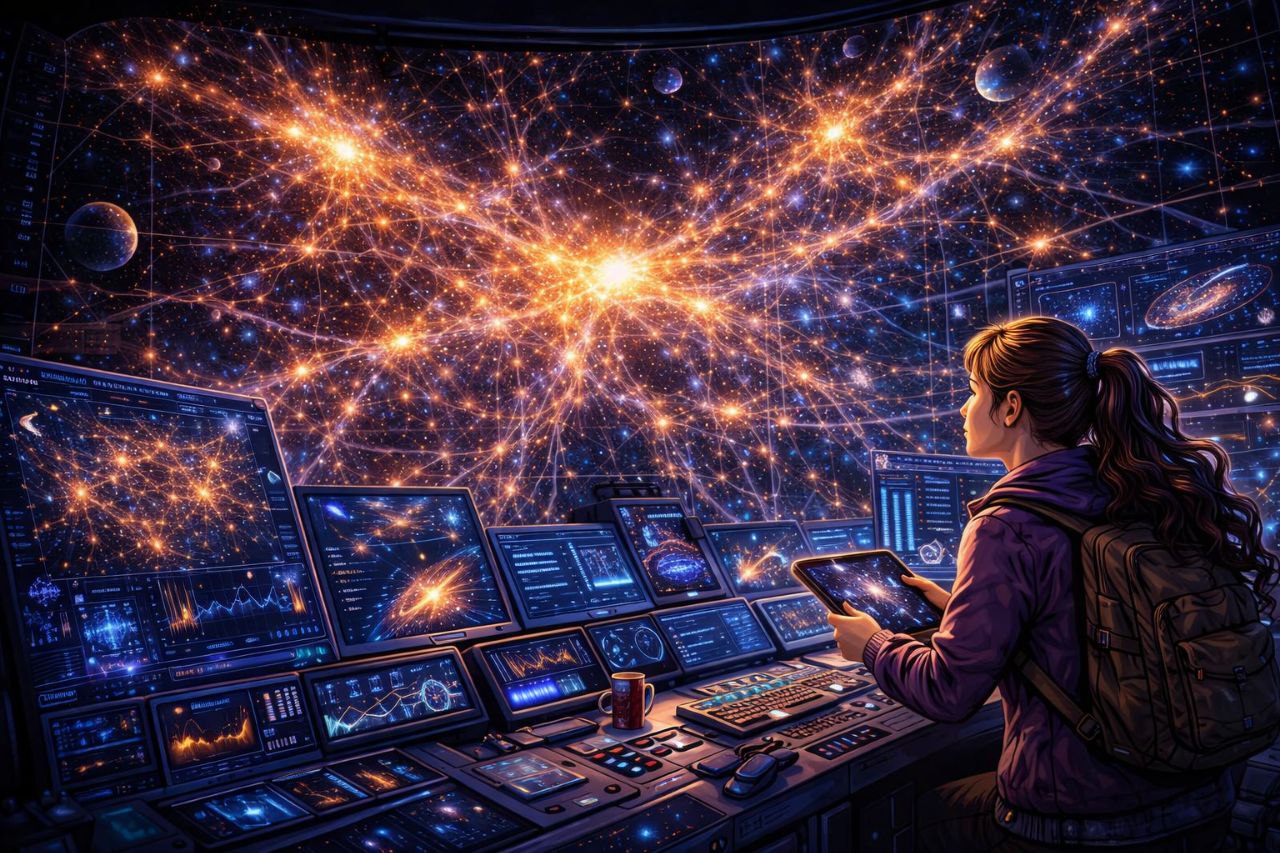
The Cosmic Web: What the Large-Scale Structure of the Universe Is Made Of

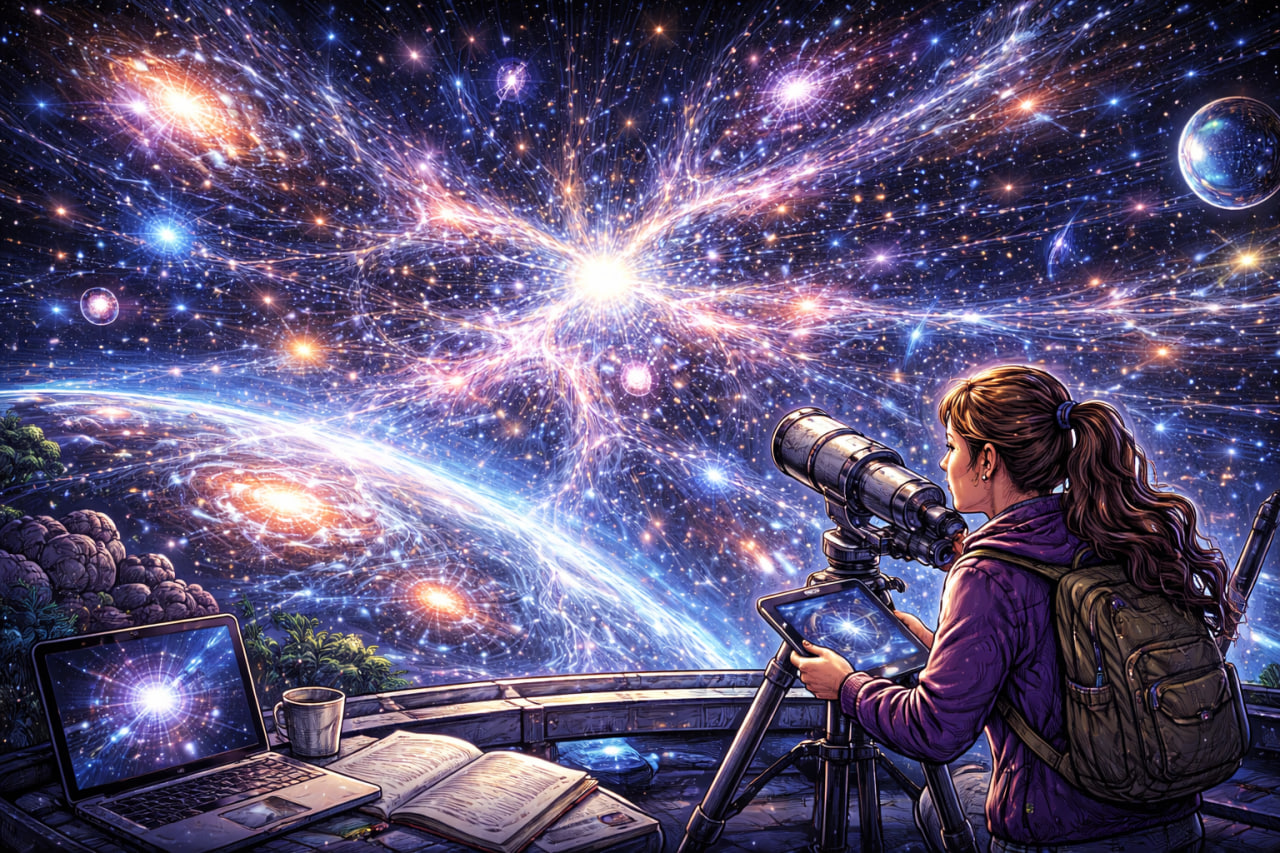
When we look at the universe on its largest scales, galaxies are not scattered randomly through space. Instead, they form an immense, interconnected structure known as the cosmic web. This web-like pattern stretches across hundreds of millions of light-years and represents the largest known organization of matter in the universe. Filaments of galaxies weave through vast empty regions, intersecting at dense nodes where galaxy clusters form. Understanding the cosmic web allows scientists to see how gravity shaped the universe from its earliest moments to the present day.

Cosmic Inflation: How the Universe Expanded in an Instant
Space Stories Cosmic Innovations Universe

Cosmic Inflation: How the Universe Expanded in an Instant

One of the most influential ideas in modern cosmology is the concept of cosmic inflation, a brief period of extremely rapid expansion that occurred at the very beginning of the universe’s history. According to this theory, space itself expanded exponentially within a tiny fraction of a second after the Big Bang. This sudden growth helps explain why the universe appears vast, smooth, and nearly uniform in all directions. Inflation does not describe an explosion of matter into space, but rather the stretching of space itself. By addressing fundamental puzzles left unanswered by earlier models, inflation has become a cornerstone of contemporary cosmological theory.

What Does Our Universe Look Like? Scientific Views and Models
Space Stories Universe Science

What Does Our Universe Look Like? Scientific Views and Models

At the largest scales imaginable, the universe appears calm, structured, and surprisingly uniform. Yet this apparent simplicity hides an extraordinary level of complexity that scientists are still working to understand. Modern cosmology does not describe the universe based on visual appearance alone, but through measurements of light, motion, and geometry across billions of light-years. Because no observer can step outside the universe to look at it from afar, its overall shape and structure must be inferred indirectly. As a result, our picture of the universe is built from theory, observation, and mathematical models rather than direct images.

Exoplanet Atmospheres: Chemical Analysis from Light-Years Away
Space Stories Cosmic Innovations Universe

Exoplanet Atmospheres: Chemical Analysis from Light-Years Away

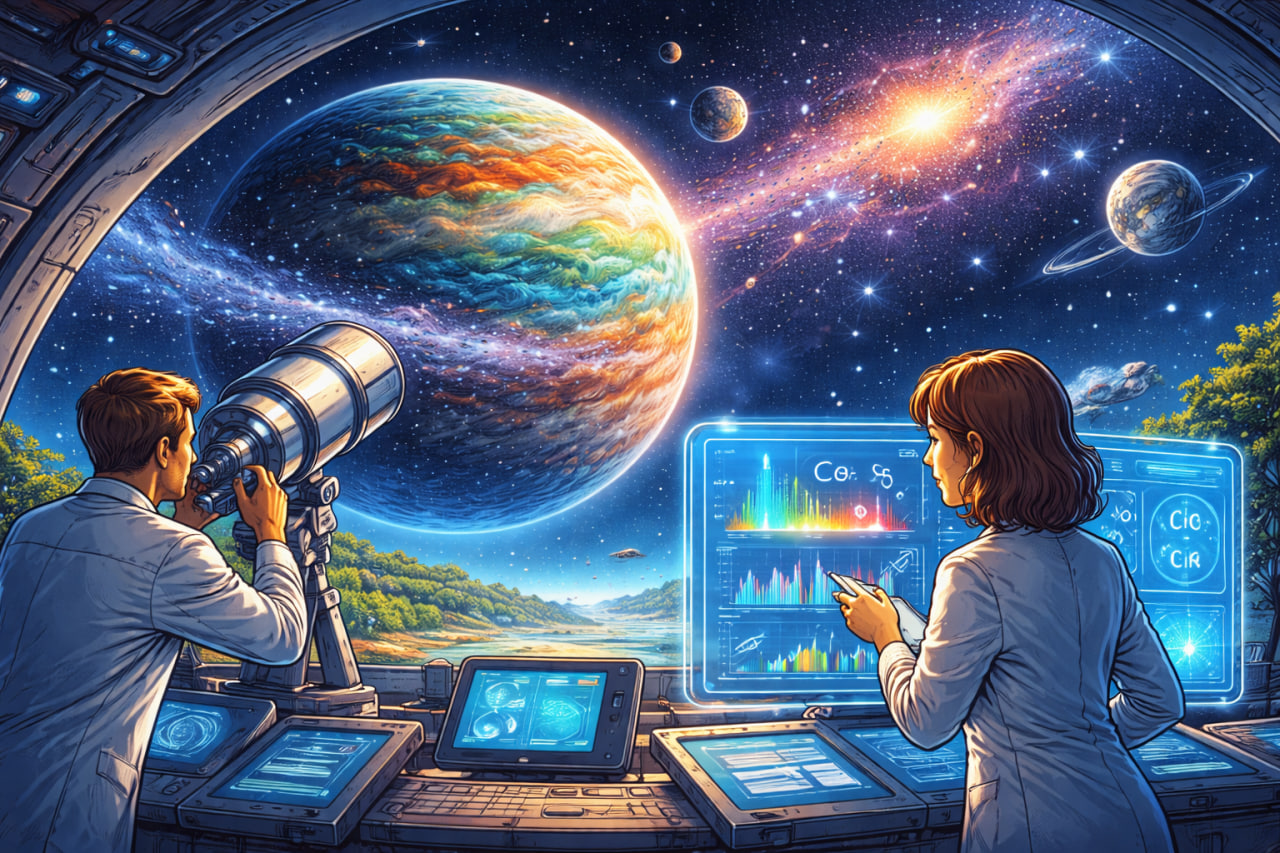
For centuries, planets beyond our solar system were purely theoretical, existing only in speculation and science fiction. Today, astronomers not only detect exoplanets, but also analyze the chemical composition of their atmospheres, despite distances measured in dozens or thousands of light-years. This remarkable achievement is possible thanks to advances in telescope technology, spectroscopy, and data analysis. By studying how starlight interacts with planetary atmospheres, scientists can identify gases, infer temperatures, and even assess whether a planet might support life. Atmospheric analysis has become one of the most powerful tools in modern astronomy, transforming exoplanets from distant dots into complex, physical worlds.

Super-Earths: The Most Common Planets Missing from Our Solar System
Space Stories Universe Be Smart

Super-Earths: The Most Common Planets Missing from Our Solar System

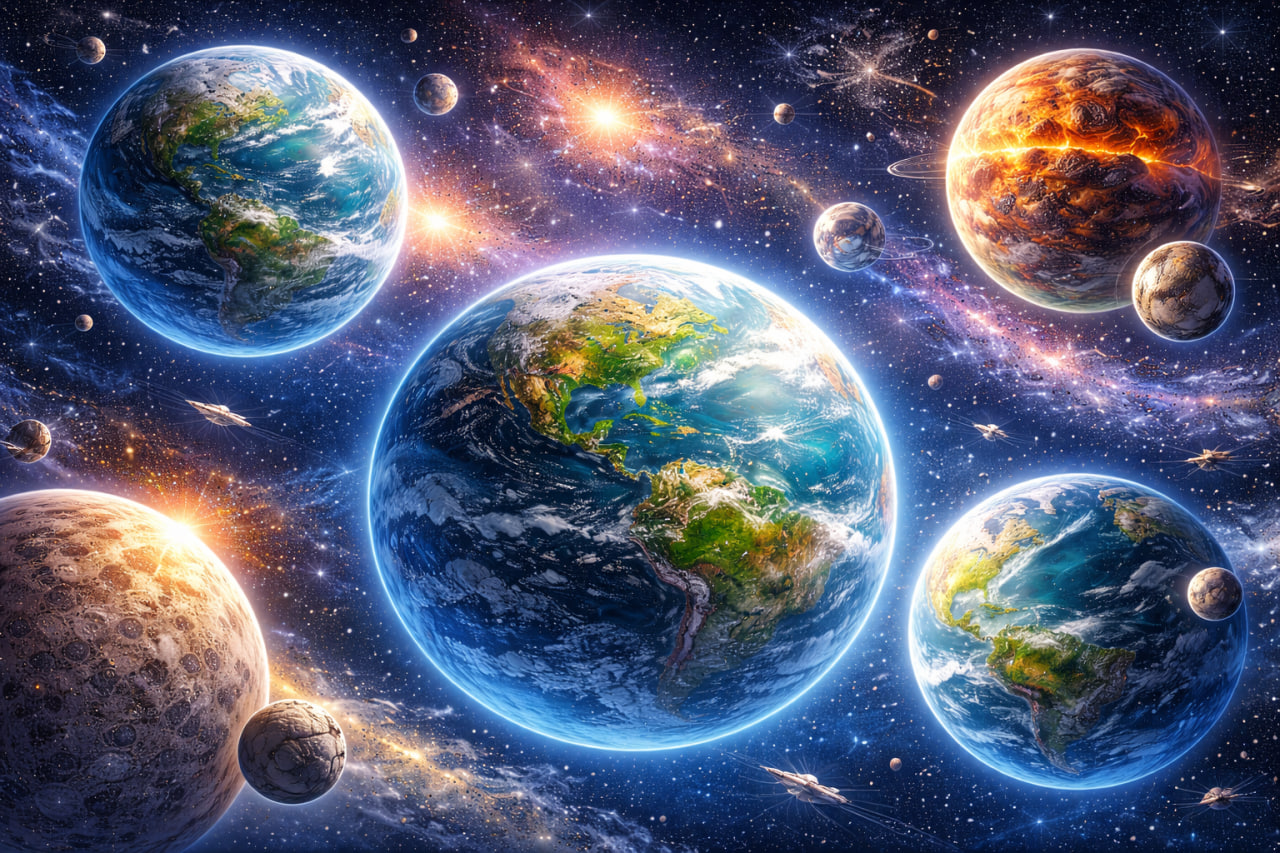
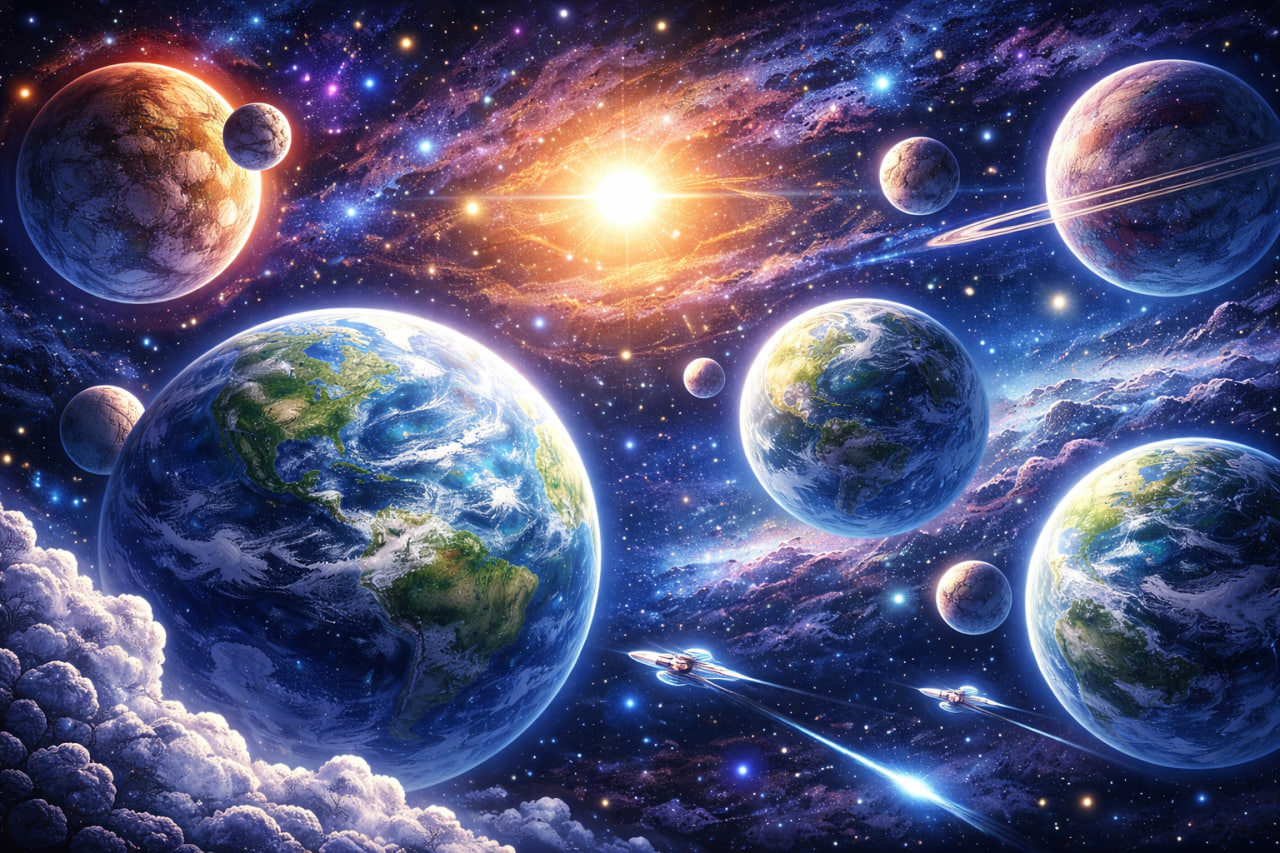
Among the thousands of exoplanets discovered so far, one class stands out for its abundance and mystery: super-Earths. These planets are more massive than Earth but lighter than ice giants like Neptune, occupying a size range that does not exist in our own solar system. Despite being the most frequently detected type of planet in the Milky Way, super-Earths are completely absent around the Sun. This paradox has made them a central focus of modern planetary science. By studying super-Earths, astronomers hope to understand not only how planetary systems form, but also why our own system appears so unusual compared to the galactic norm.

Tau Ceti and Other Star Systems with Potentially Habitable Worlds
Space Stories Universe

Tau Ceti and Other Star Systems with Potentially Habitable Worlds

For decades, the search for habitable worlds focused mainly on planets similar to Earth and stars similar to the Sun. However, modern astronomy has revealed that potentially life-supporting environments may exist in a wide variety of star systems. Among the most discussed candidates is Tau Ceti, a nearby Sun-like star surrounded by several intriguing planets. Alongside Tau Ceti, a growing list of stellar systems has captured scientific attention due to their location, stability, and planetary configurations. Studying these systems helps scientists understand where life might arise and how common habitable conditions may be in our galaxy.

Trojan Asteroids: Ancient Companions of Planets
Space Stories Universe Solar System

Trojan Asteroids: Ancient Companions of Planets

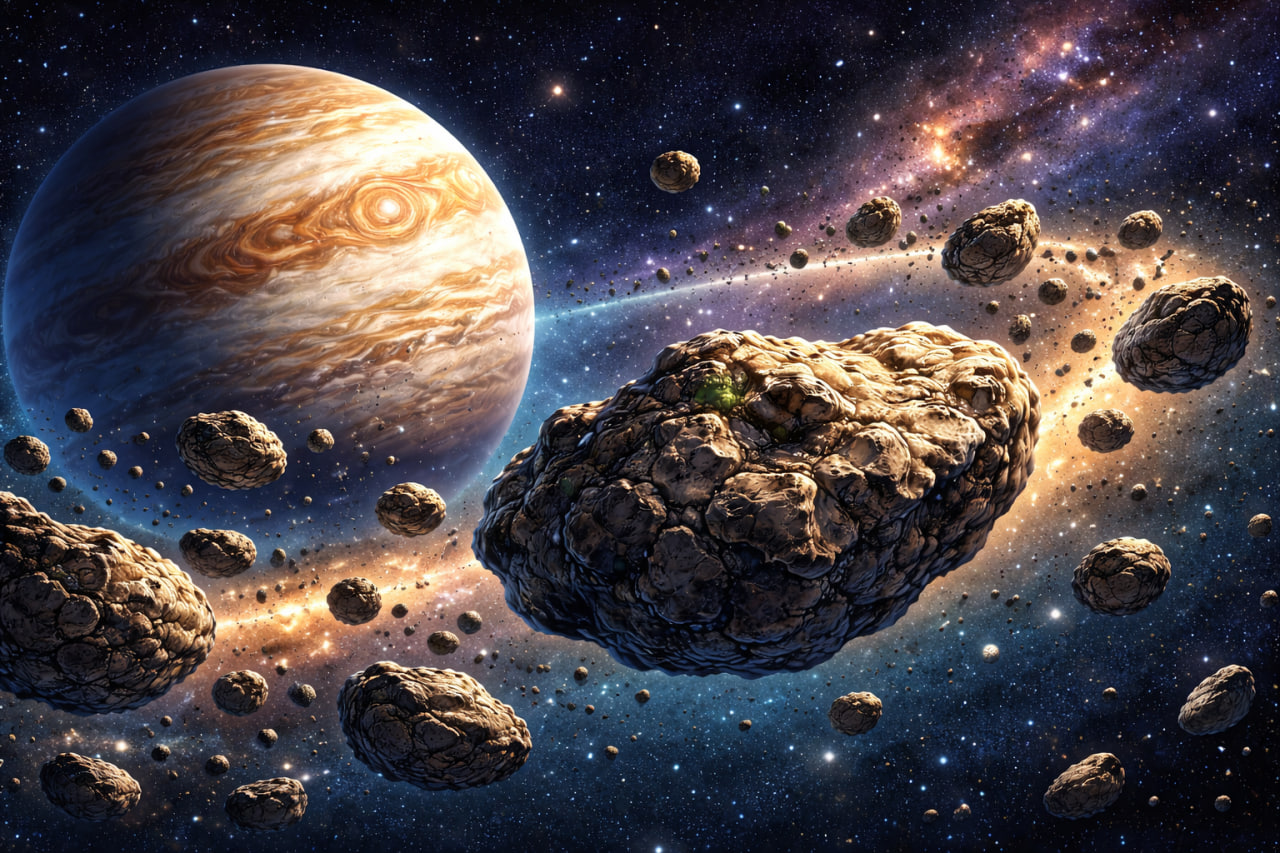
Trojan asteroids are a unique group of small celestial bodies that share an orbit with a planet while remaining locked in stable gravitational positions. Unlike typical asteroids found in the main asteroid belt, Trojans travel alongside planets, clustered around special points where gravitational forces balance perfectly. These objects are considered cosmic fossils, preserving information about the early Solar System. Studying Trojan asteroids helps scientists understand how planets formed, migrated, and interacted billions of years ago. Although they move through space at enormous speeds, their orbital relationship with planets remains remarkably stable. Trojan asteroids reveal that even in a dynamic Solar System, long-term balance is possible.

Lagrange Points: Where Gravity Finds Perfect Balance
Space Stories Universe Science

Lagrange Points: Where Gravity Finds Perfect Balance

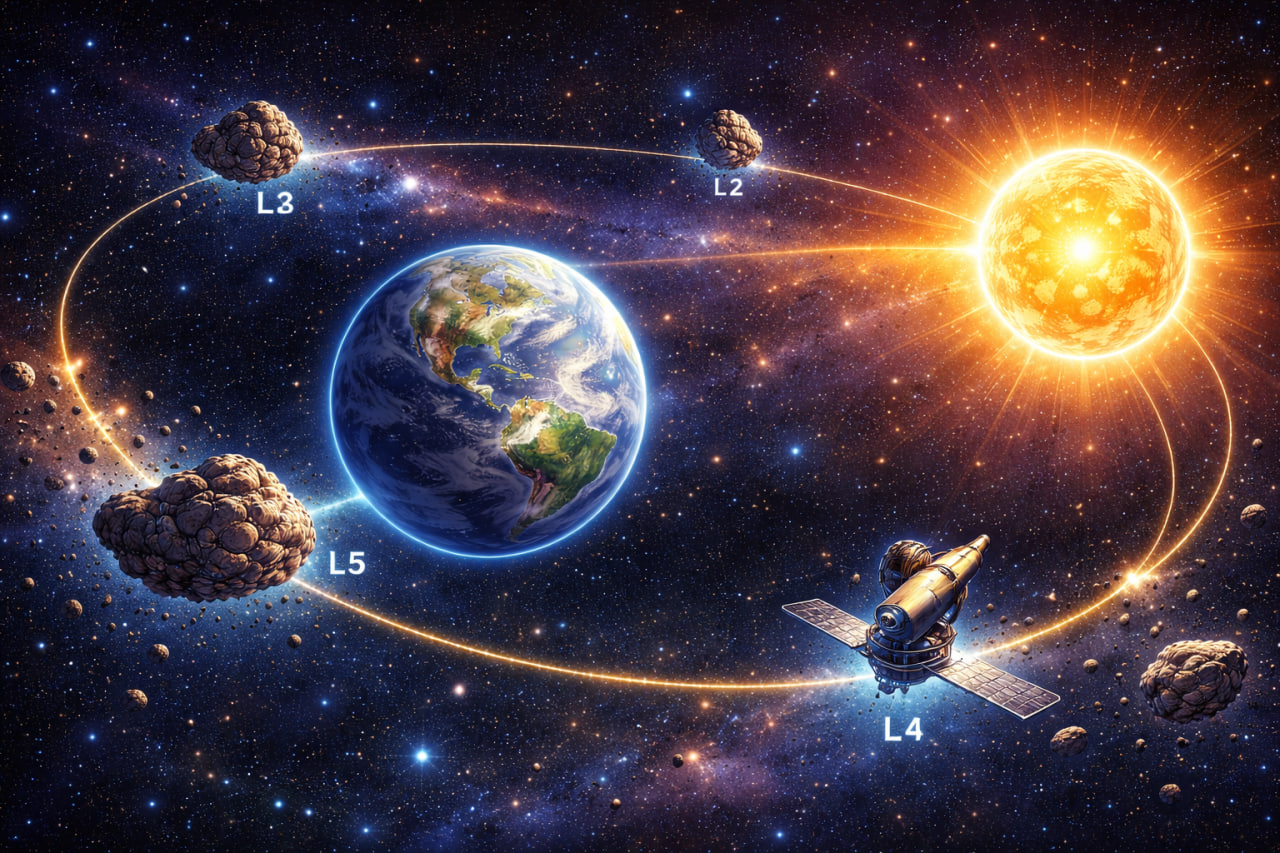
A Lagrange point is a special position in space where the gravitational forces of two large bodies, such as the Sun and a planet, balance in a way that allows a smaller object to remain stable. At these points, an object can stay in place relative to the two larger bodies with minimal energy expenditure. Lagrange points are not physical objects, but regions of gravitational equilibrium that emerge from orbital mechanics. They play a crucial role in modern astronomy, space exploration, and satellite placement. Understanding Lagrange points helps scientists and engineers use gravity as a natural tool rather than fighting against it. These invisible locations demonstrate how balance can exist even in a constantly moving universe.