Universe

White Holes: Theoretical Opposites of Black Holes
Space Stories Universe What if?

White Holes: Theoretical Opposites of Black Holes

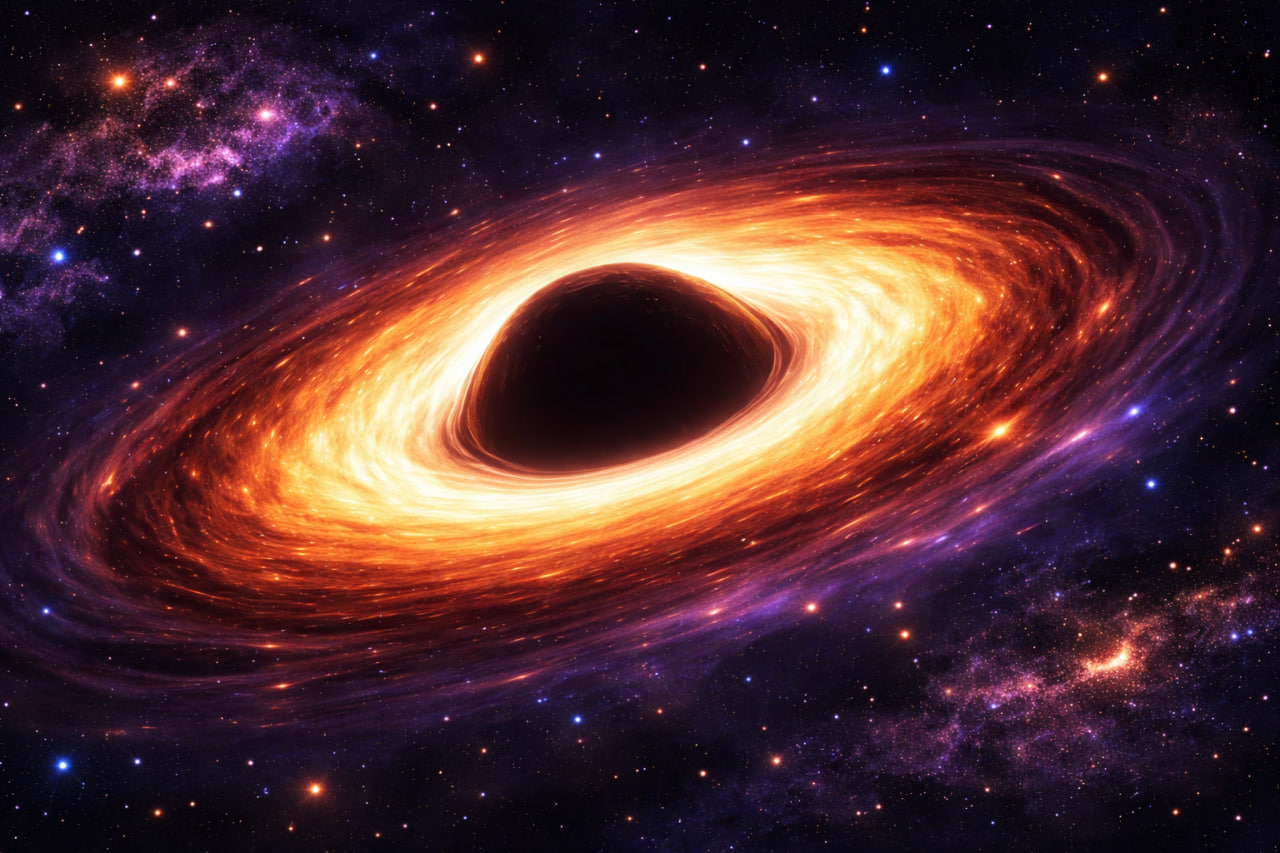
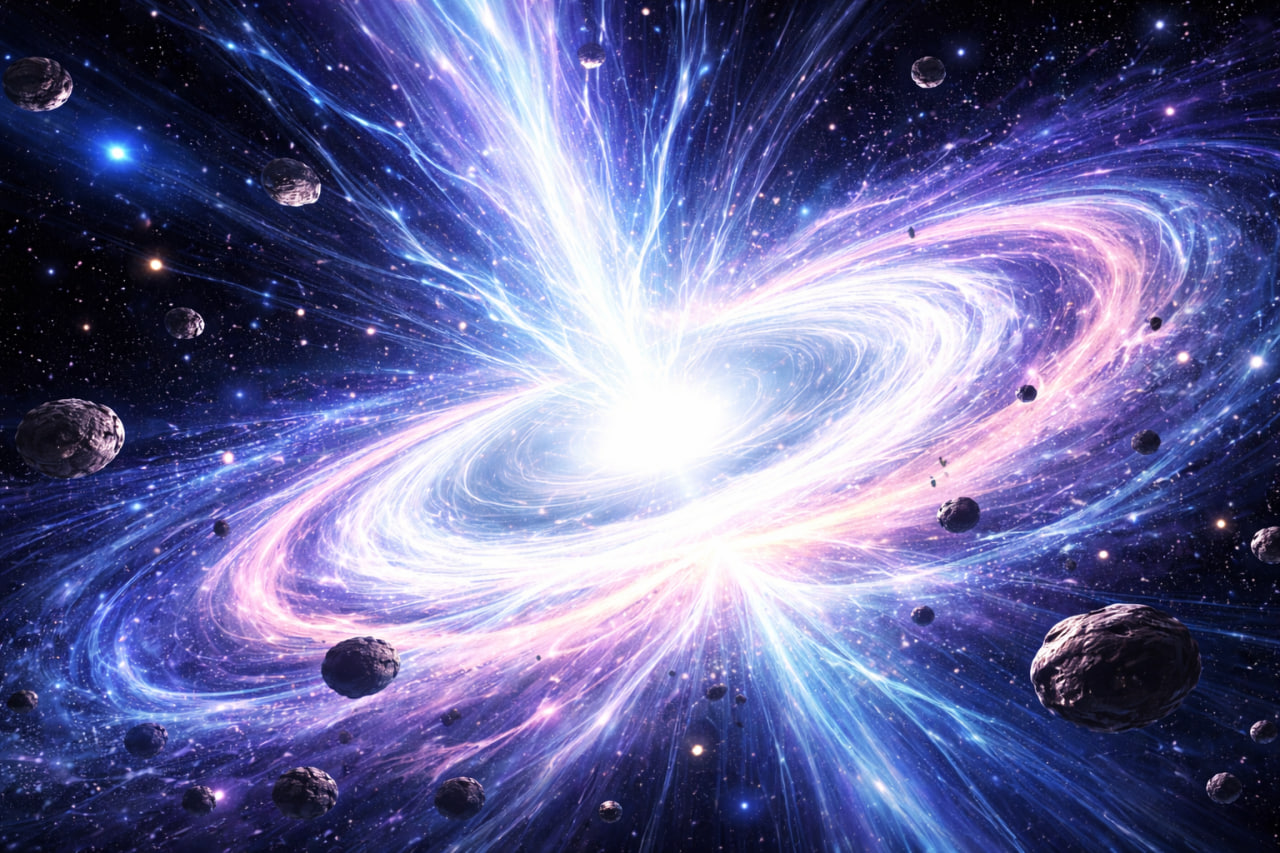
White holes are one of the most intriguing and speculative concepts in modern theoretical physics. Unlike black holes, which trap everything that crosses their event horizon, white holes are imagined as regions of space where matter and energy can only escape, never enter. They emerge not from direct observation, but from mathematical solutions to Einstein’s equations of general relativity. While black holes are now well-documented astronomical objects, white holes remain hypothetical, challenging scientists to rethink the nature of time, gravity, and the structure of the universe. The idea of white holes pushes physics to its conceptual limits, blending rigorous mathematics with deep philosophical questions. Understanding white holes helps illuminate how much we still do not know about spacetime.
Planetary Collisions with Cosmic Objects
Space Stories Universe What if?

Planetary Collisions with Cosmic Objects

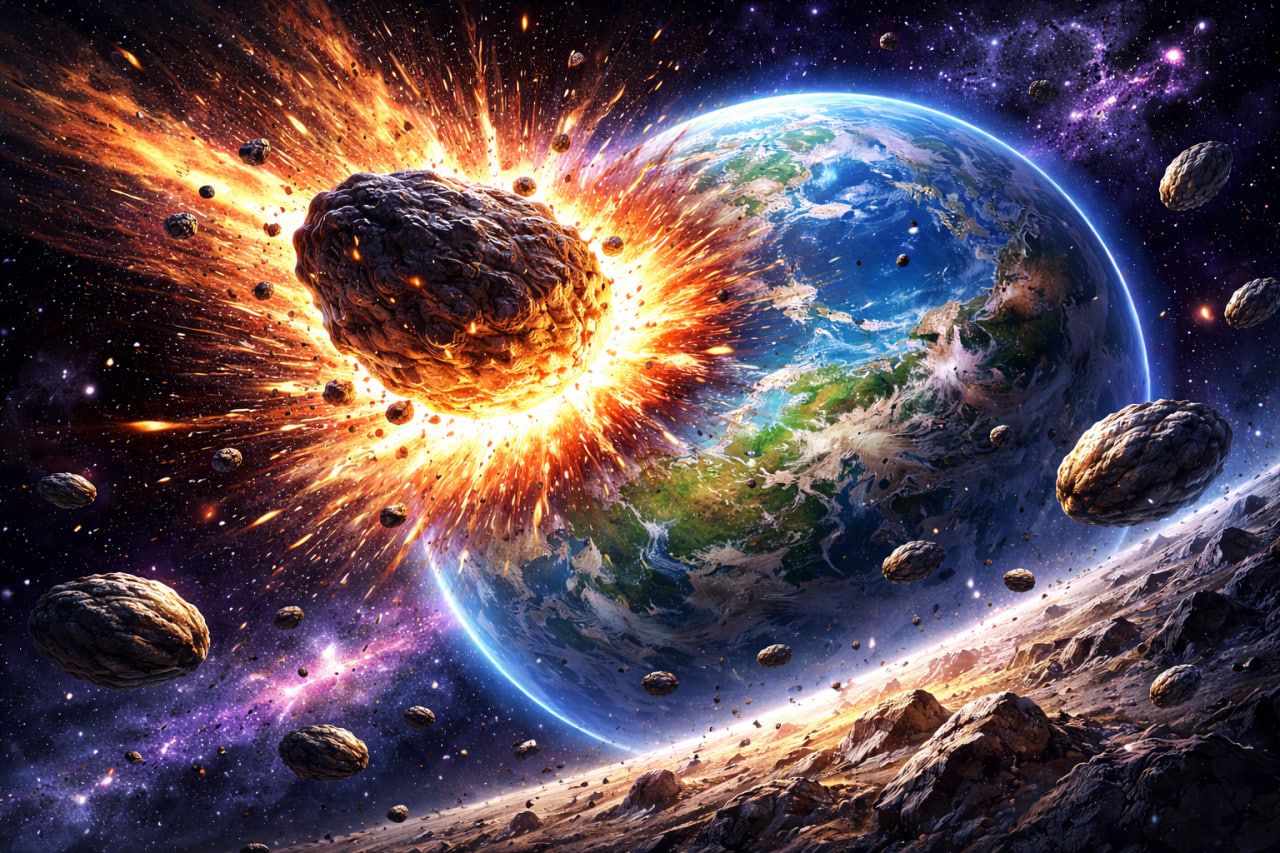
Collisions between planets and cosmic objects are among the most powerful and transformative events in the universe. Asteroids, comets, and even protoplanets have repeatedly reshaped planetary surfaces, atmospheres, and evolutionary paths since the birth of the solar system. Although such impacts are rare on human timescales, they play a fundamental role in shaping worlds over millions and billions of years. From the formation of moons to mass extinctions and the delivery of water and organic compounds, planetary collisions are deeply connected to the history of life and geology. Modern astronomy studies these events not as distant catastrophes, but as key mechanisms of planetary evolution. Understanding how and why planets collide with cosmic objects reveals how dynamic and interconnected the universe truly is.

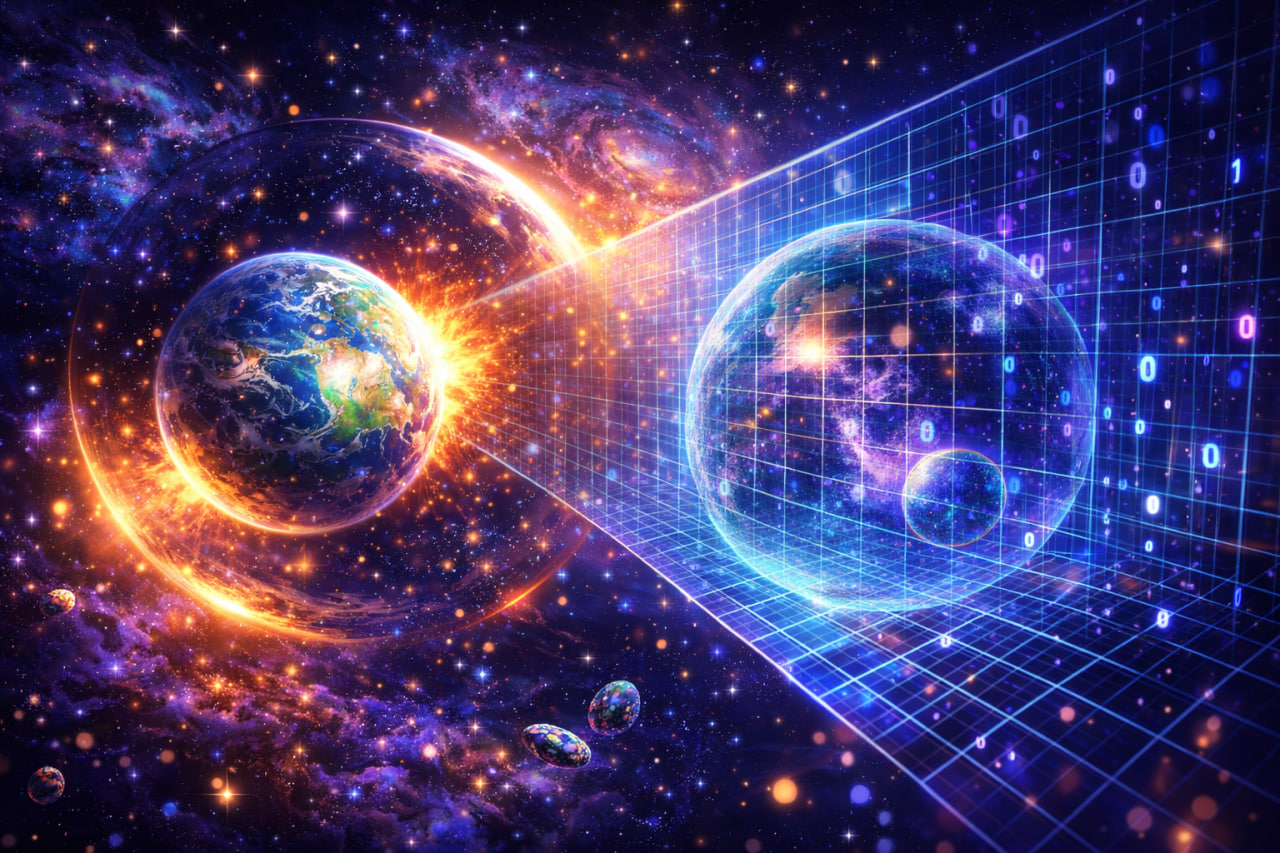
The Holographic Principle
Cosmic Innovations Universe Science

The Holographic Principle

The holographic principle is one of the most radical ideas in modern theoretical physics, proposing that all the information contained within a volume of space can be fully described by data encoded on its boundary. In simple terms, this means that a three-dimensional reality may emerge from information stored on a two-dimensional surface. What sounds like science fiction arises directly from attempts to reconcile gravity, quantum mechanics, and thermodynamics. The principle challenges everyday intuition about space, depth, and locality, forcing physicists to rethink what “inside” and “outside” truly mean. Over the past decades, the holographic principle has become a powerful conceptual tool in the search for a unified description of nature. Understanding it offers a glimpse into how reality itself may be structured at the deepest level.

Photographing Black Holes
Space Stories Universe New Discoveries

Photographing Black Holes

For decades, black holes were considered fundamentally unobservable objects, detectable only through indirect effects on surrounding matter and light. The idea of actually photographing a black hole once belonged more to science fiction than to real science. However, advances in radio astronomy, data processing, and global scientific collaboration made what seemed impossible a reality. The first images of black holes did not capture the object itself, but rather the shadow it casts against glowing material around it. These photographs marked a historic moment, confirming predictions made by Einstein’s theory of general relativity over a century ago. Understanding how black holes are photographed reveals both the limits of human technology and the extraordinary ingenuity used to overcome them.

Alfvén Waves
Universe Science New Discoveries

Alfvén Waves

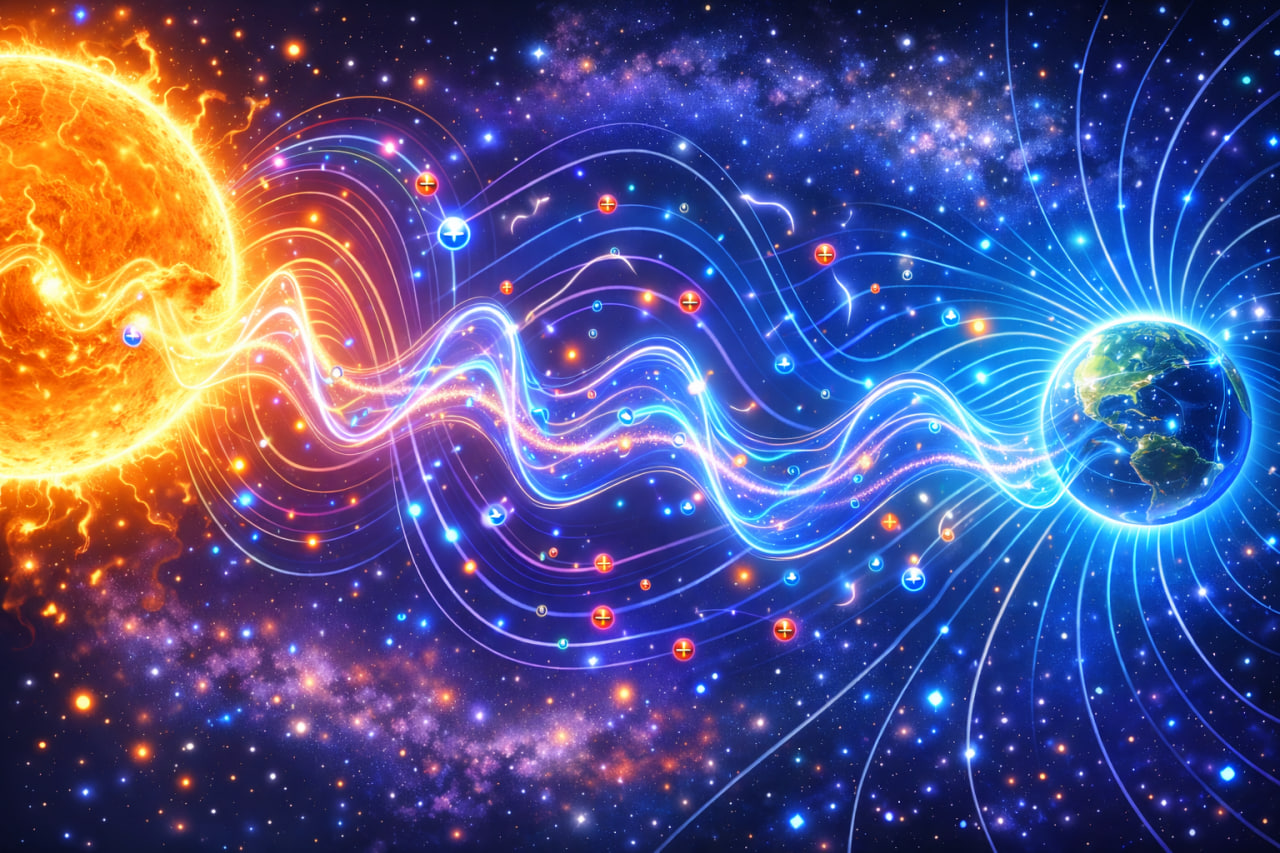
Alfvén waves are one of the most important phenomena in plasma physics and astrophysics, revealing how energy and information travel through magnetized space. They describe oscillations that occur when charged particles interact with magnetic fields, producing wave-like motions that can propagate over vast distances. These waves play a key role in shaping the behavior of plasmas found in stars, the solar wind, and planetary magnetospheres. Although invisible to the human eye, Alfvén waves influence processes ranging from space weather to energy transport in the universe. Their discovery helped bridge the gap between electromagnetism and fluid dynamics. Understanding Alfvén waves is essential for explaining how cosmic plasmas remain dynamic and structured.

The Ether Theory
History Universe Science

The Ether Theory

The ether theory is one of the most important historical ideas in physics, illustrating how scientific understanding evolves over time. For centuries, scientists believed that space could not be truly empty and that a special medium—called ether—filled the universe and carried light and electromagnetic waves. This concept shaped early theories of optics, electricity, and cosmology, influencing some of the greatest minds in science. Although the ether was eventually rejected by modern physics, its role in scientific development remains highly significant. Studying the ether theory helps explain how evidence, experimentation, and new frameworks transform scientific thought. It also demonstrates that even incorrect ideas can drive progress when tested rigorously.

The Shipov Theory of Physical Vacuum
Universe Science New Discoveries

The Shipov Theory of Physical Vacuum

The theory of the physical vacuum proposed by Georgy Shipov represents one of the most controversial and unconventional concepts in modern theoretical physics. Unlike standard models that describe vacuum as a quantum field with fluctuating energy, Shipov’s approach treats the vacuum as a structured, dynamic medium with its own geometry and physical properties. This theory attempts to go beyond classical general relativity and quantum field theory by introducing additional degrees of freedom linked to space-time itself. Although not accepted within mainstream physics, the theory has attracted attention for its ambition to unify gravity, inertia, and fundamental interactions. Understanding Shipov’s ideas requires distinguishing between established physics and speculative theoretical frameworks. For this reason, the theory is best approached as a philosophical and mathematical hypothesis rather than an experimentally confirmed model.

What Is a Torsion Field
Universe Science New Discoveries

What Is a Torsion Field

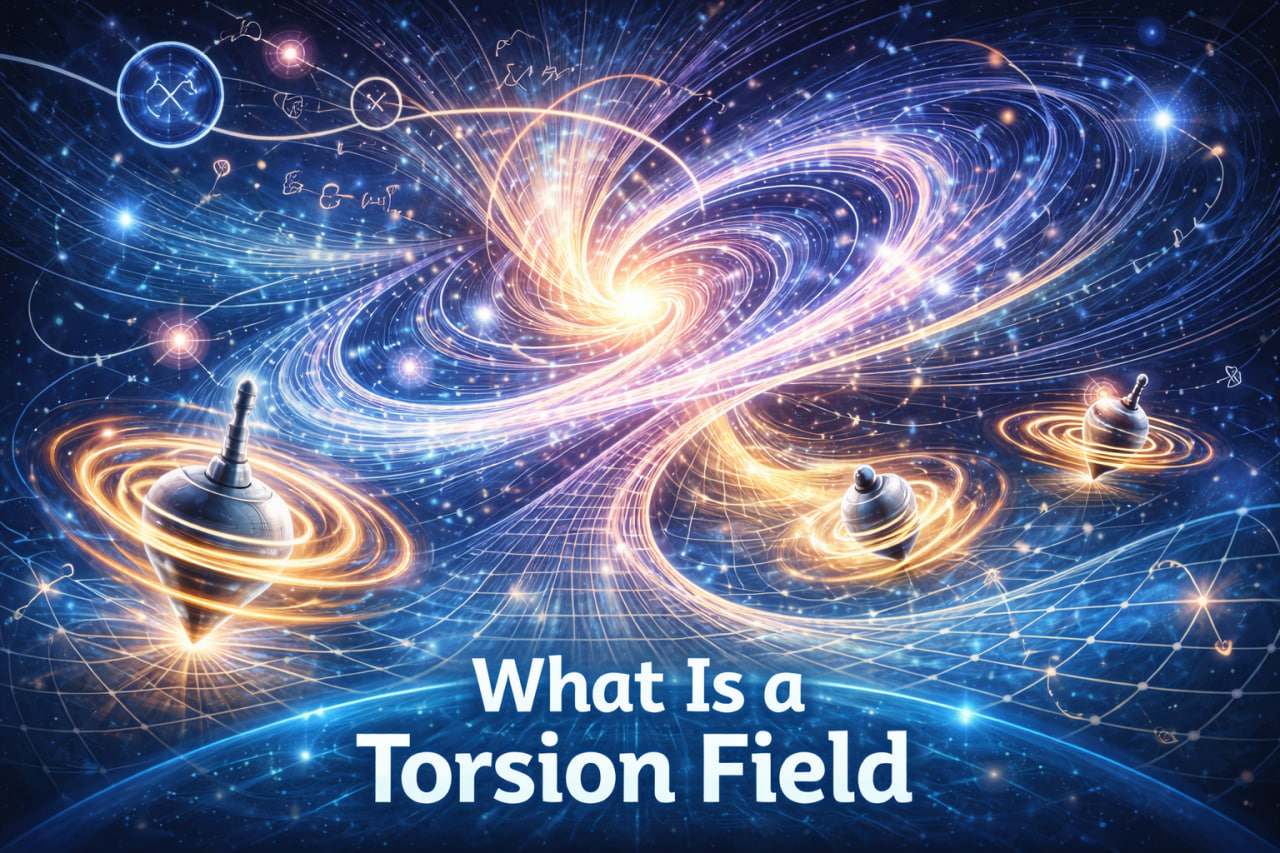
The concept of a torsion field is one of the most debated ideas at the boundary between theoretical physics and speculative science. It is often presented as an extension of classical notions of space, proposing that reality may include additional geometric properties beyond curvature and electromagnetic fields. While torsion appears as a well-defined concept in some advanced geometric theories of gravity, the idea of an independent, physically detectable “torsion field” influencing matter remains controversial. Supporters describe it as a subtle field connected to rotation, spin, and information transfer, while mainstream physics remains highly skeptical. To understand what a torsion field is claimed to be, it is essential to clearly separate mathematical torsion in accepted physics from torsion fields as proposed in alternative theories. This distinction is crucial for an accurate and responsible discussion of the topic.

Magnetars: The Most Powerful Magnets in the Universe
Space Stories Universe New Discoveries

Magnetars: The Most Powerful Magnets in the Universe

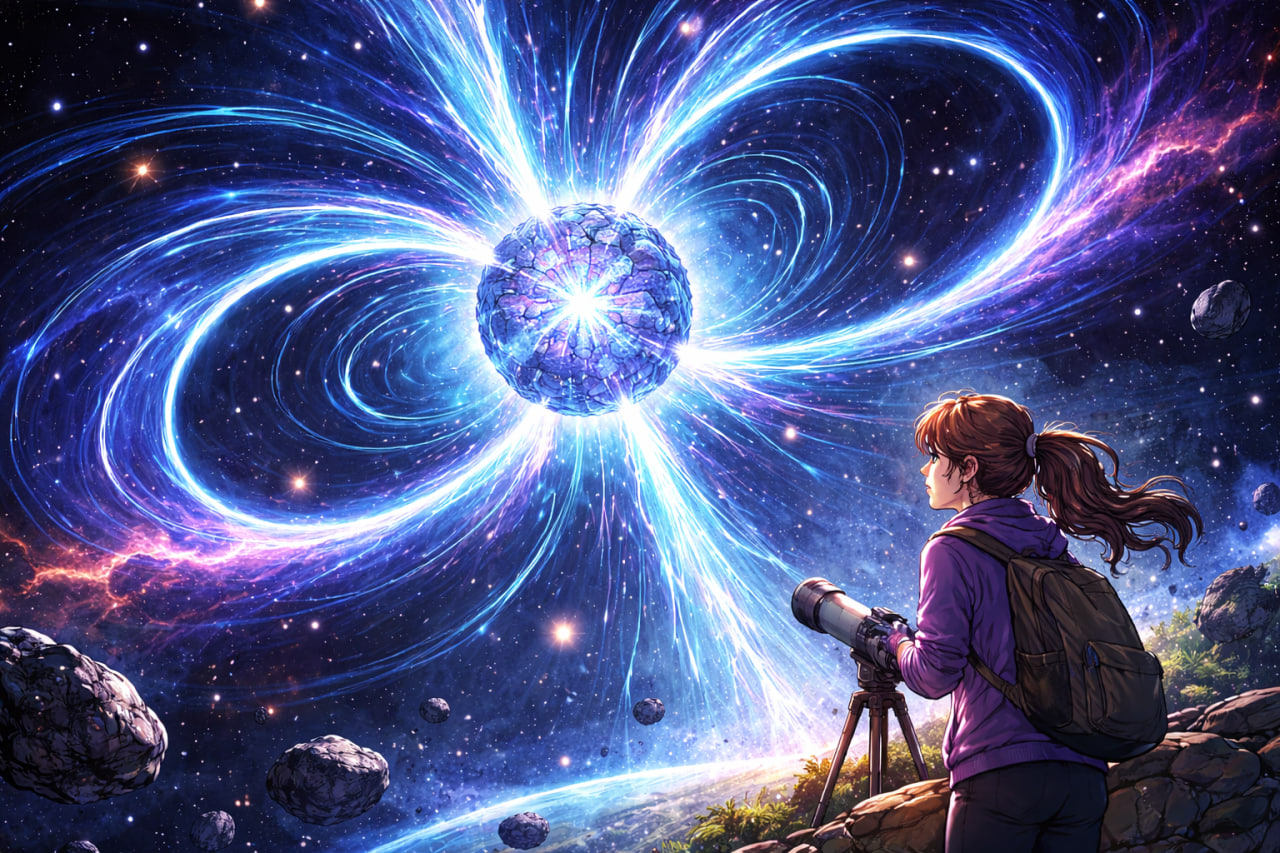
Magnetars are among the most extreme and mysterious objects known in astrophysics. They are a rare type of neutron star distinguished not by their mass or size, but by their extraordinary magnetic fields, the strongest ever observed in the universe. These magnetic fields are so intense that they reshape matter, distort atomic structures, and release enormous bursts of energy. Although magnetars are relatively small on cosmic scales, their influence can be felt across vast distances. Studying magnetars provides insight into physics under conditions impossible to recreate on Earth.

Starquakes: Cracks in the Strongest Stars in the Universe
Space Stories Universe New Discoveries

Starquakes: Cracks in the Strongest Stars in the Universe

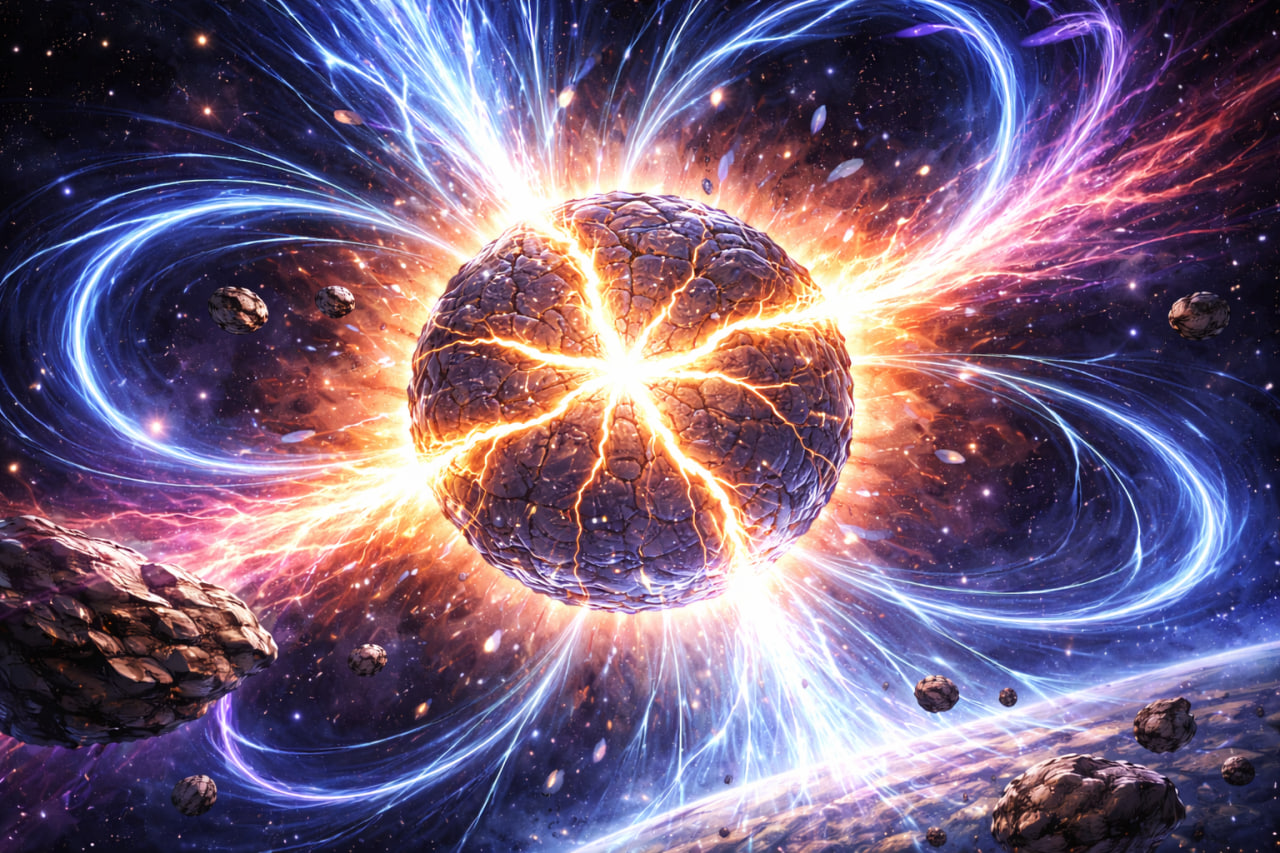
A starquake is one of the most extreme seismic events known in astrophysics. Unlike earthquakes on Earth, starquakes occur on neutron stars, where gravity, density, and magnetic forces reach extraordinary levels. These events involve sudden fractures in a star’s rigid outer crust, releasing vast amounts of energy in a fraction of a second. Although starquakes happen far beyond our solar system, their effects can be detected across the galaxy. Studying starquakes helps scientists understand matter under conditions impossible to replicate on Earth.