Be Smart

Asbestos: The “Miracle Mineral” That Became a Global Health Hazard
Be Smart Inventions News

Asbestos: The “Miracle Mineral” That Became a Global Health Hazard

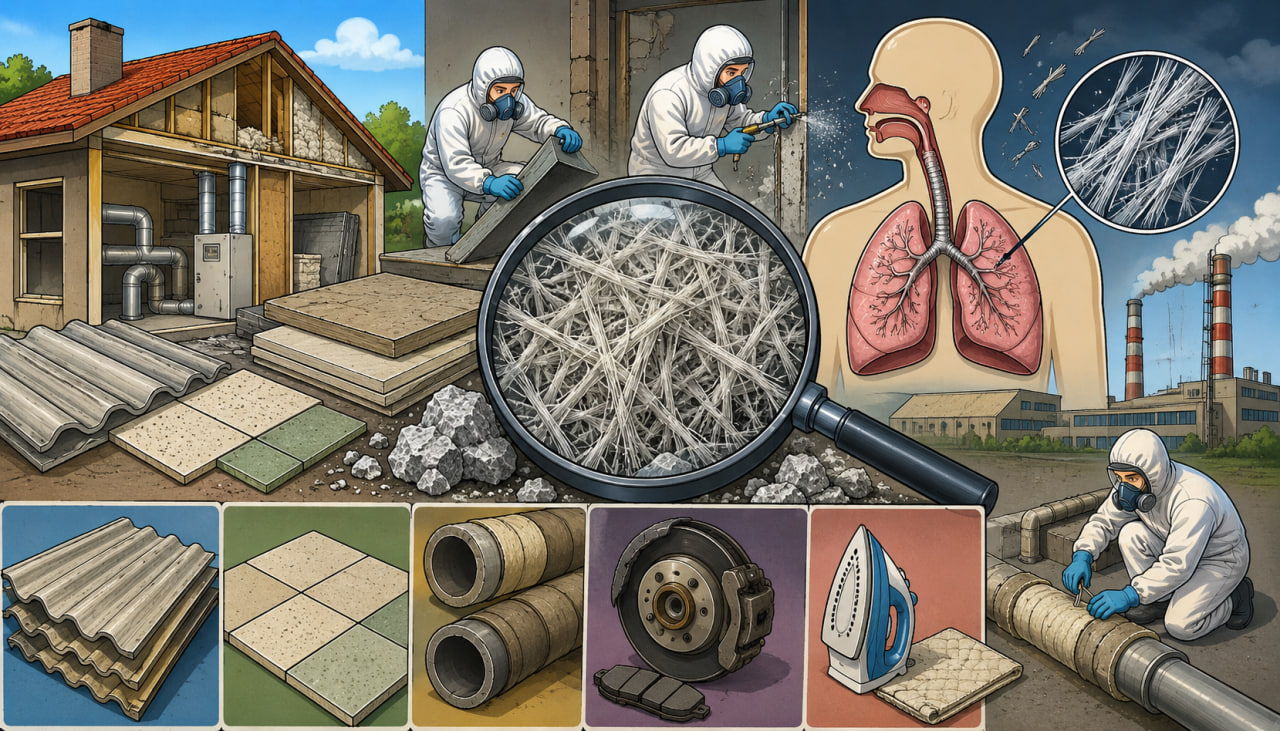
For much of the 20th century, asbestos was celebrated as a wonder material. Its remarkable resistance to heat, fire, and chemicals made it a key ingredient in construction, manufacturing, and insulation. However, decades of scientific research eventually revealed a darker reality: asbestos exposure can cause severe and often fatal diseases. Today, it is considered one of the most dangerous industrial materials ever widely used.

Air Ionization: How Charged Particles Shape the Air Around Us
Smart Technology Science Smart Home

Air Ionization: How Charged Particles Shape the Air Around Us

Air is often thought of as a simple mixture of gases, but in reality it contains a variety of microscopic particles, including ions. Air ionization is a natural and technological process that changes the electrical properties of the atmosphere by creating charged particles. These ions can influence air quality, weather phenomena, industrial processes, and even the operation of electronic devices. Interest in air ionization has grown significantly in recent decades due to the popularity of air purifiers, wellness products, and scientific research into indoor environments. While many claims have been made about the health effects of ionized air, understanding the actual science behind ionization is essential for separating fact from fiction. This article explores what air ionization is, how it occurs, where it is used, and what researchers currently know about its effects.

Candles: The Ancient Invention That Still Illuminates Our Lives
History Be Smart Inventions

Candles: The Ancient Invention That Still Illuminates Our Lives

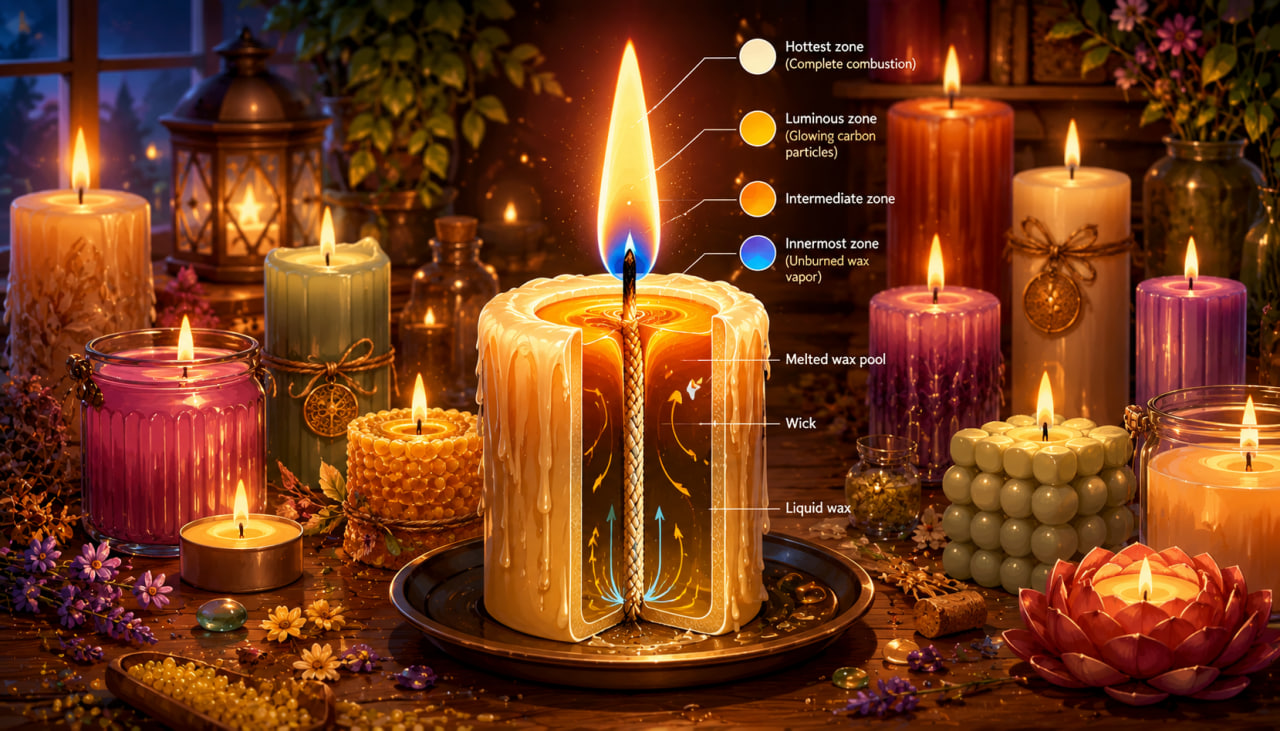
For thousands of years, candles have provided light, warmth, symbolism, and comfort. Although modern electric lighting has largely replaced candles for everyday illumination, they remain deeply woven into human culture. Today candles are used for decoration, religious ceremonies, aromatherapy, celebrations, emergency lighting, and relaxation. What appears to be a simple combination of wax and a wick is actually a fascinating example of chemistry and engineering. Every candle flame represents a carefully balanced process involving heat transfer, fuel vaporization, combustion, and airflow. The story of candles spans ancient civilizations, scientific discoveries, and modern craftsmanship, making them one of humanity's oldest and most enduring technologies.

Chirality: Why One Form of a Drug Can Heal While the Other Can Harm
Science Be Smart What if?

Chirality: Why One Form of a Drug Can Heal While the Other Can Harm

Modern medicine often appears straightforward: a drug contains a specific molecule that produces a desired effect in the body. However, chemistry reveals a fascinating complication. Sometimes two molecules can contain exactly the same atoms arranged in exactly the same order, yet one may act as a life-saving medicine while the other may be ineffective or even dangerous. This phenomenon is known as chirality, one of the most important concepts in chemistry, pharmacology, and biology. Understanding chirality has transformed drug development and helped scientists create safer and more effective medications. The story of chirality demonstrates how tiny differences at the molecular level can have enormous consequences for human health.

Ionic Liquids: The Salts That Remain Liquid at Room Temperature
Science New Discoveries Be Smart

Ionic Liquids: The Salts That Remain Liquid at Room Temperature

When most people think of salt, they imagine a white crystalline solid such as table salt. Traditional salts are known for their high melting points and stable crystal structures. However, chemistry contains a fascinating exception: ionic liquids. These unusual substances are salts composed entirely of ions, yet they remain liquid at or near room temperature. For decades, ionic liquids have attracted intense scientific interest because they combine the properties of salts with the fluidity of liquids. Their unique characteristics have led researchers to explore applications ranging from green chemistry and energy storage to advanced manufacturing and carbon capture technologies. Often called "designer solvents," ionic liquids represent one of the most exciting developments in modern chemistry.

The Bicycle: One of Humanity's Most Brilliant Inventions
Be Smart Inventions

The Bicycle: One of Humanity's Most Brilliant Inventions

Few inventions have had such a profound impact on transportation, health, recreation, and society as the bicycle. Simple, efficient, and environmentally friendly, the bicycle remains one of the most widely used machines in the world. More than a century after its invention, bicycles are still used for: Transportation Exercise Sport Tourism Recreation Modern bicycles combine: Physics Engineering Human power to create a remarkably efficient mode of travel. In many ways, the bicycle represents the perfect partnership between: Human muscles Mechanical design Energy efficiency Understanding how bicycles work and why they remain so popular reveals the genius behind one of history's greatest inventions.

Home Heaters: Which Type Should You Choose?
Smart Home Be Smart Inventions

Home Heaters: Which Type Should You Choose?

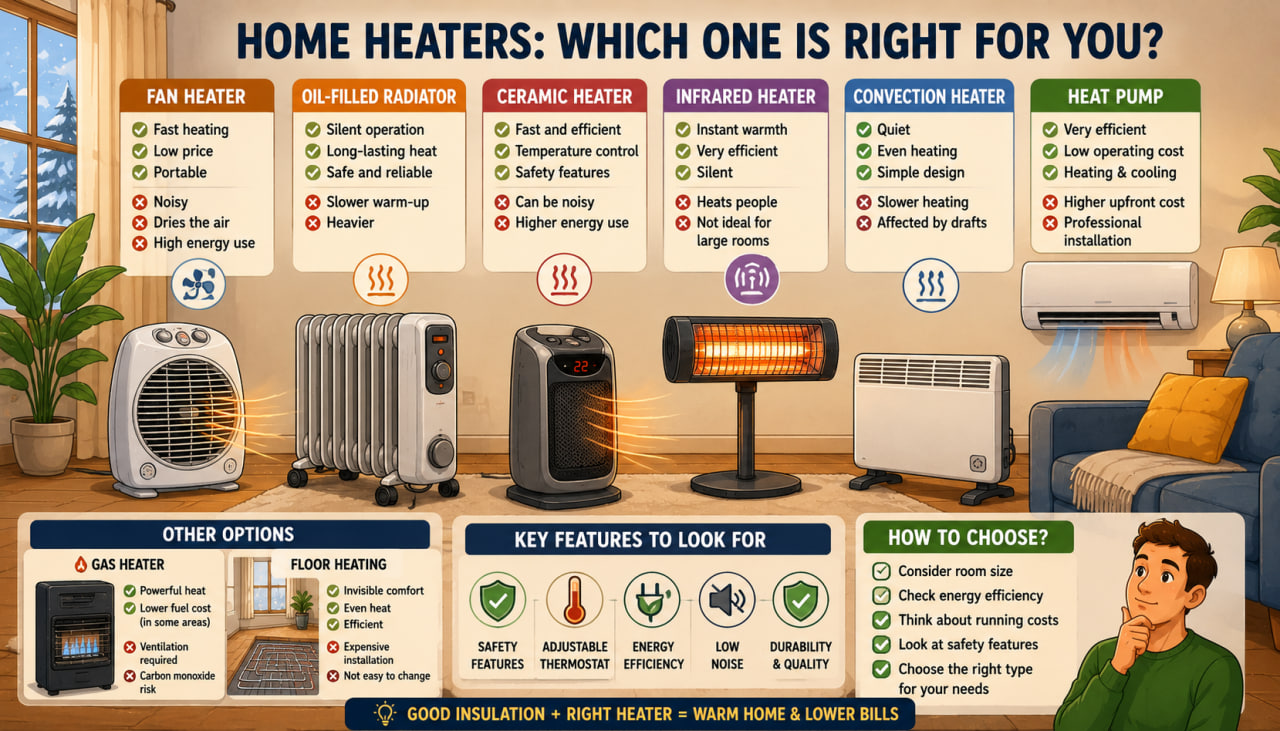
When temperatures drop, a reliable home heater becomes one of the most important household appliances. Modern consumers can choose from many different heating technologies, each with its own advantages and disadvantages. The ideal heater depends on: Room size Climate Energy costs Safety requirements Heating speed Noise level A heater that works perfectly in a small apartment may be unsuitable for a large house. Likewise, the cheapest heater to buy is not always the most economical to operate. Understanding the main types of home heaters helps homeowners make smarter decisions while balancing: Comfort Efficiency Safety Cost

LED vs Gas-Discharge Lamps: Which Lighting Technology Should You Choose?
Be Smart Inventions News

LED vs Gas-Discharge Lamps: Which Lighting Technology Should You Choose?

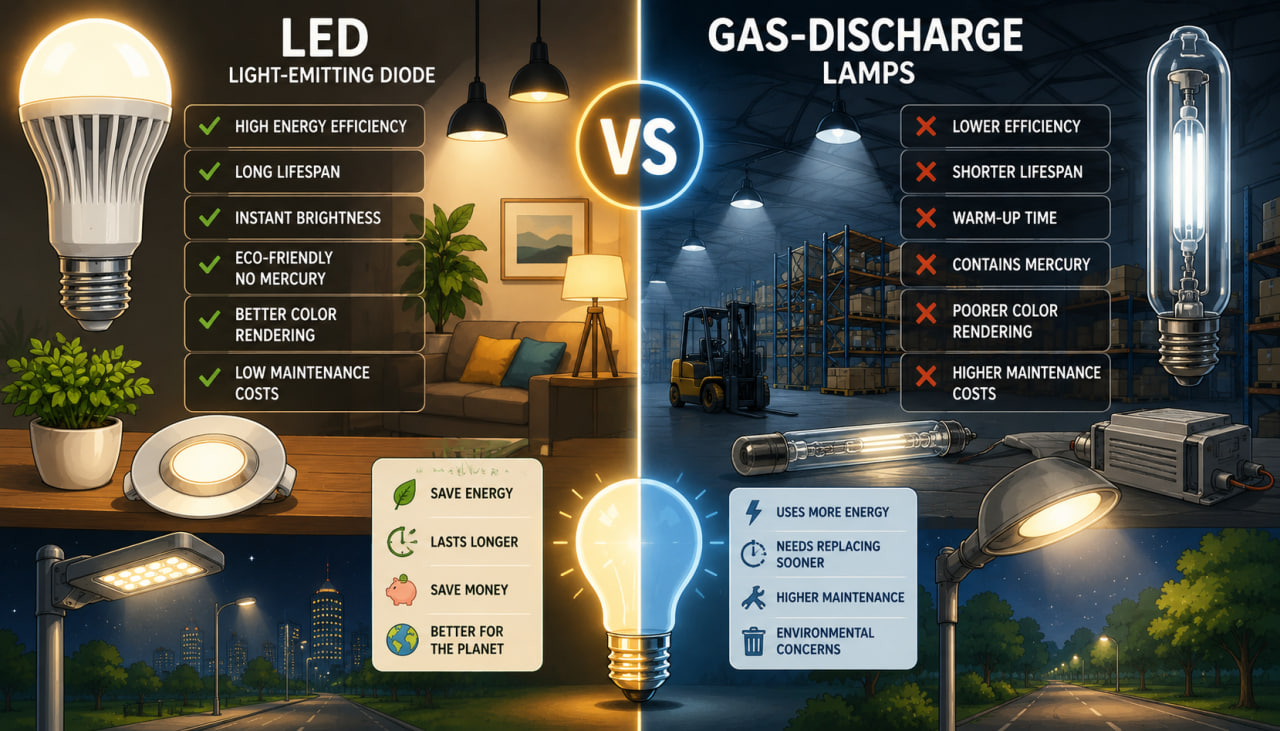
Lighting is something most people use every day without thinking much about the technology behind it. Yet the type of lamp you choose affects: Electricity consumption Lifespan Brightness Maintenance costs Environmental impact For decades, gas-discharge lamps dominated many applications, including: Street lighting Industrial facilities Warehouses Stadiums However, the rise of: Light-Emitting Diodes (LEDs) has transformed the lighting industry. Today, LEDs are replacing many older technologies because they offer: Higher efficiency Longer lifespan Better control Lower operating costs Still, gas-discharge lamps remain in use for certain specialized applications. Understanding the differences between these technologies helps consumers and businesses make informed decisions about: Energy savings Lighting quality Long-term costs

Time Dilation in GPS: Why Navigation Would Break Within a Day Without Relativity
Science Be Smart What if?

Time Dilation in GPS: Why Navigation Would Break Within a Day Without Relativity

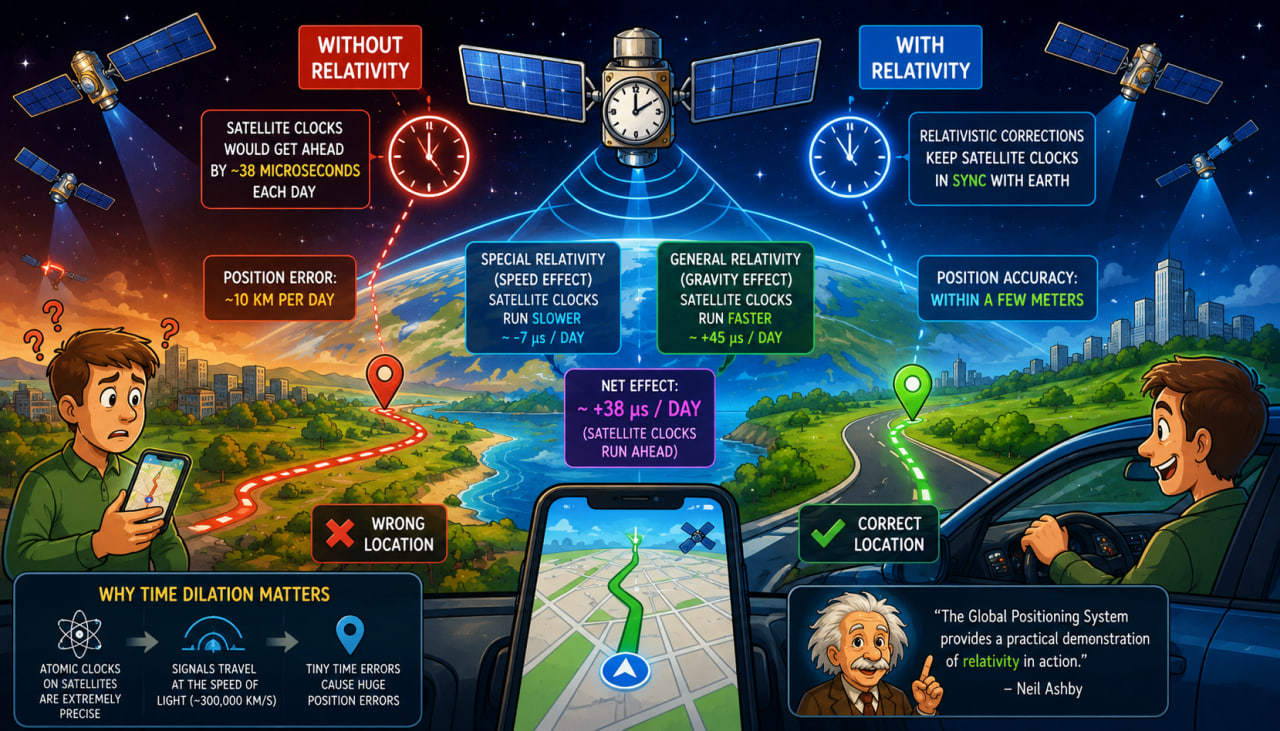
Every day, billions of people use: GPS navigation Smartphone maps Vehicle navigation systems Aircraft guidance systems Most users assume GPS works because of: Satellites Radio signals Computers While this is true, there is another crucial ingredient behind GPS accuracy: Albert Einstein's theory of relativity. Without relativistic corrections, GPS positioning errors would accumulate so rapidly that navigation systems would become: Unreliable Inaccurate Potentially dangerous within a surprisingly short time. In fact, if engineers ignored Einstein's equations, GPS errors would grow by approximately: 10 kilometers (6 miles) per day making modern navigation practically useless. This remarkable fact represents one of the clearest examples of how abstract theoretical physics directly affects everyday life. The GPS system serves as a real-world demonstration that: Time does not flow equally everywhere. Motion and gravity influence the passage of time. Einstein's predictions accurately describe reality. Understanding why GPS requires relativity reveals one of the most fascinating intersections between: Physics Space technology Engineering Everyday life

Induction Cooktops: How Magnetic Cooking Changed Modern Kitchens
Be Smart Inventions News

Induction Cooktops: How Magnetic Cooking Changed Modern Kitchens

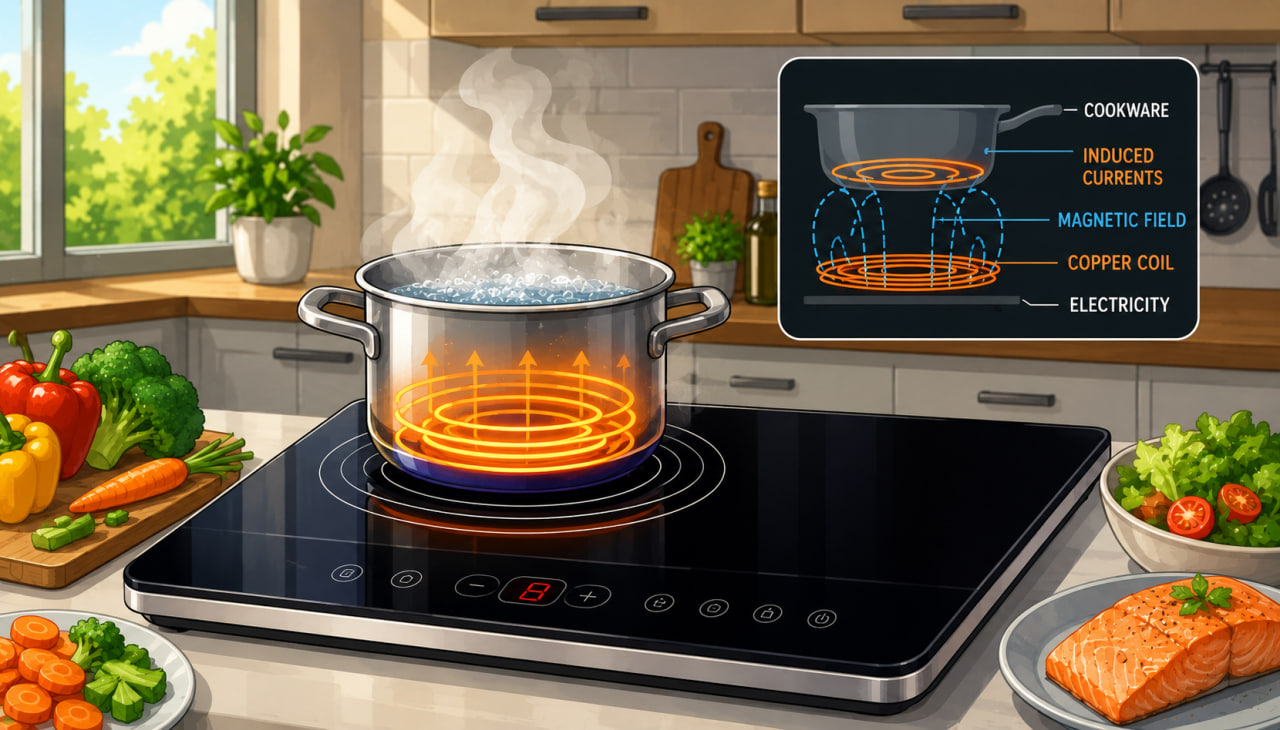
Cooking technology evolved enormously over the last century. Traditional: Wood stoves Gas burners Electric heating coils gradually gave way to more advanced kitchen systems. One of the most innovative cooking technologies today is: The induction cooktop Unlike ordinary electric or gas stoves, induction cooking uses: Electromagnetic fields to heat cookware directly. This allows induction cooktops to become: Faster More energy-efficient Safer Easier to clean compared to many traditional cooking methods. Induction technology is increasingly popular in: Homes Restaurants Professional kitchens because it combines: Precise temperature control Rapid heating Modern design At the same time, many people still misunderstand how induction cooking actually works. Understanding induction cooktops reveals fascinating connections between: Physics Magnetism Electricity Modern engineering while also showing how science transforms everyday household technology.