Be Smart

How to Upgrade a Computer You Bought Ten Years Ago
KnowHow Smart Technology Smart Home

How to Upgrade a Computer You Bought Ten Years Ago

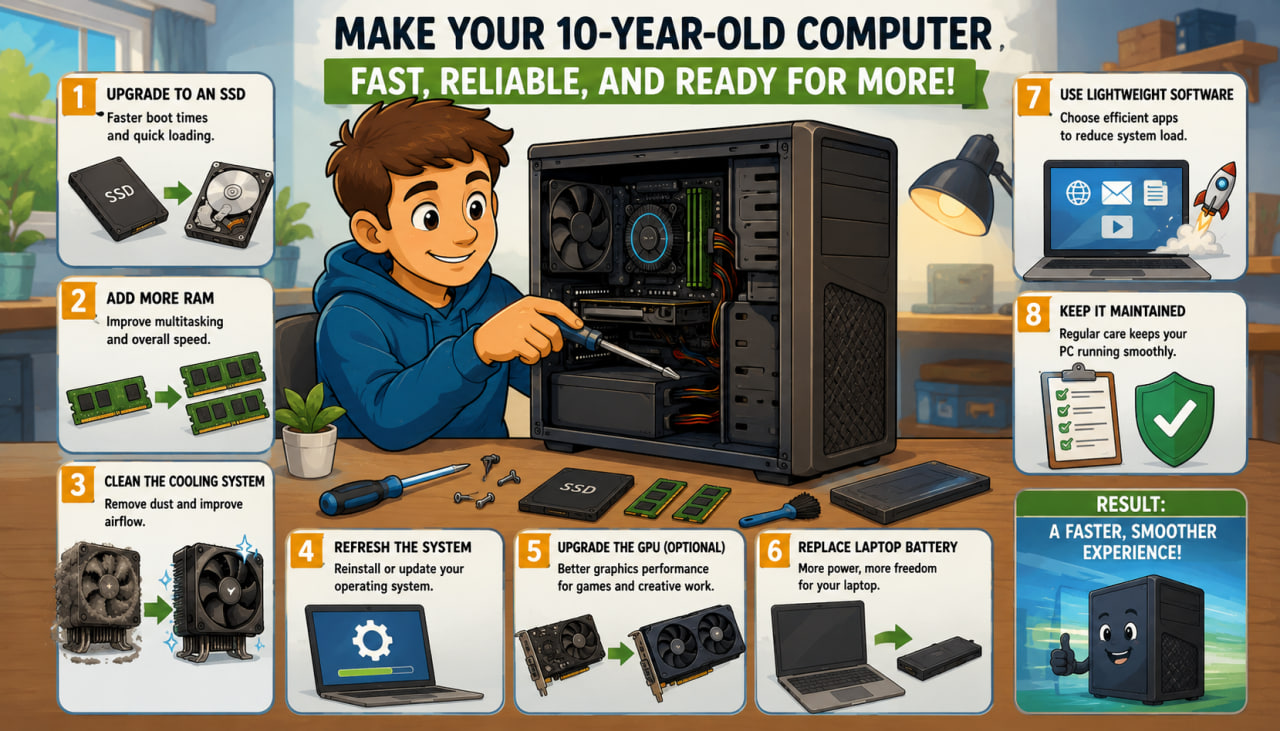
Many people assume that a computer purchased ten years ago is hopelessly outdated and must be replaced. While that can sometimes be true, the reality is often more encouraging. A surprisingly large number of older desktop computers and laptops can still provide excellent performance for everyday tasks if upgraded correctly. Modern operating systems, web browsers, and applications demand more resources than their predecessors, but strategic hardware improvements can dramatically extend the useful life of aging machines. In many cases, a few targeted upgrades can transform a frustratingly slow computer into a responsive and practical device. Before spending money on a completely new system, it is worth understanding what upgrades provide the greatest performance improvements.
Chemotaxis: How Do Bacteria Find and Consume Food?
Bioengineering Science Be Smart

Chemotaxis: How Do Bacteria Find and Consume Food?

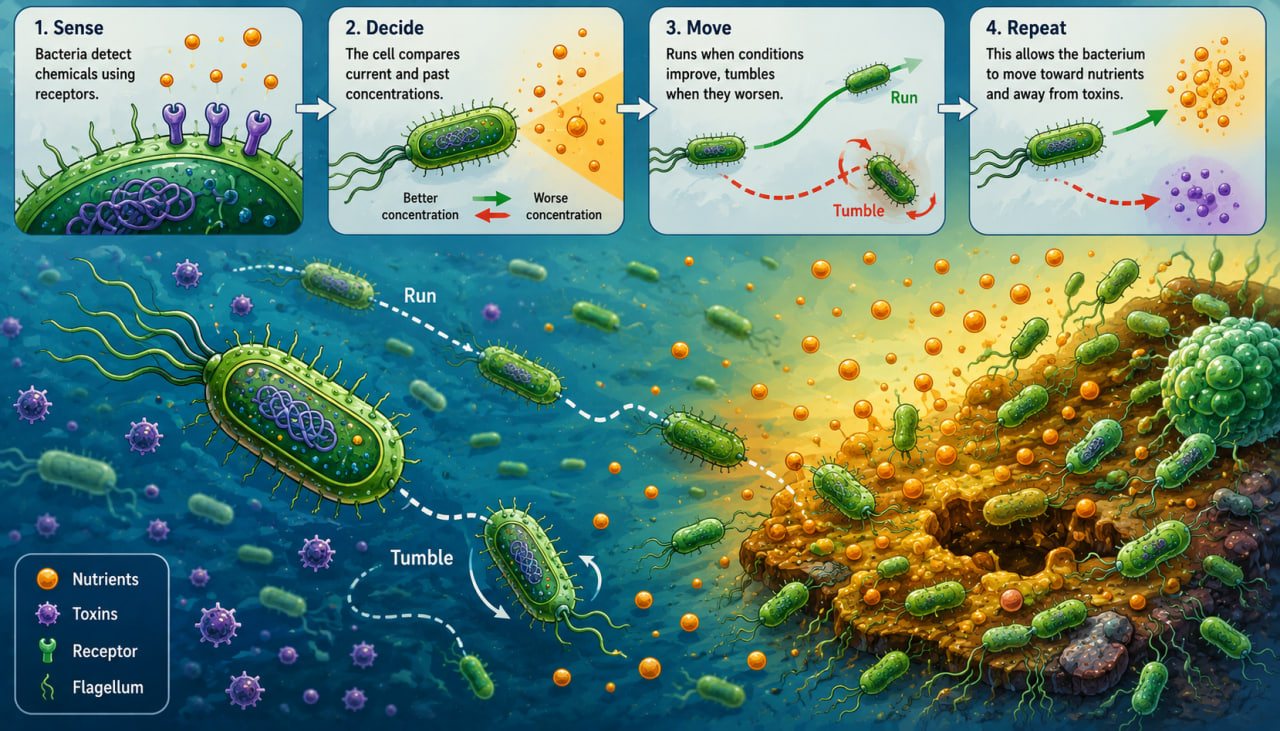
Bacteria are among the smallest and oldest living organisms on Earth. Although a single bacterium is only a tiny fraction of a millimeter in size and lacks a brain or nervous system, many species can perform surprisingly sophisticated behaviors. One of the most remarkable is the ability to locate food sources in their environment. This process is known as chemotaxis—the ability of an organism to move in response to chemical signals. Through chemotaxis, bacteria can detect nutrients, avoid harmful substances, and navigate complex environments with astonishing efficiency. At first glance, it may seem impossible for a microscopic cell to "search" for food. Yet bacteria have evolved molecular systems that allow them to sense chemical gradients and make movement decisions that increase their chances of survival. In many ways, chemotaxis represents one of nature's simplest and most elegant navigation systems.

Rogue Stars: The Cosmic Wanderers Ejected from Galaxies
Space Stories Universe Be Smart

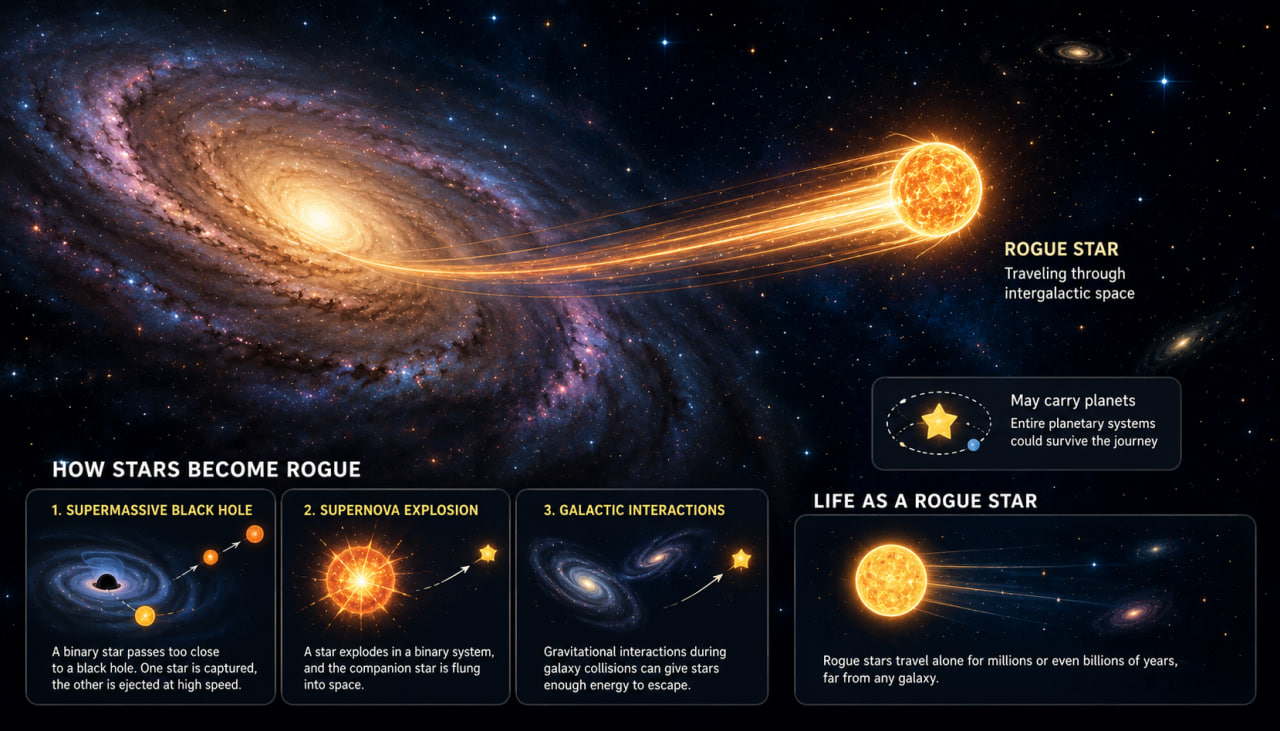
Rogue Stars: The Cosmic Wanderers Ejected from Galaxies

The universe is filled with billions of stars bound together by the gravity of galaxies. Most stars spend their entire lives orbiting within their galactic homes, moving around their galactic centers in predictable paths. However, not all stars remain where they were born. Some are violently expelled from their galaxies and sent hurtling into intergalactic space at extraordinary speeds. These objects, known as rogue stars or hypervelocity stars, are among the most fascinating travelers in the cosmos. Once ejected, they may spend millions or even billions of years crossing the immense voids between galaxies, isolated from the stellar neighborhoods where they originated. Their existence demonstrates that the universe is far more dynamic and chaotic than it may appear.

Gas-Powered Cars (LPG and CNG): Pros and Cons Every Driver Should Know
Smart Technology Be Smart Inventions

Gas-Powered Cars (LPG and CNG): Pros and Cons Every Driver Should Know

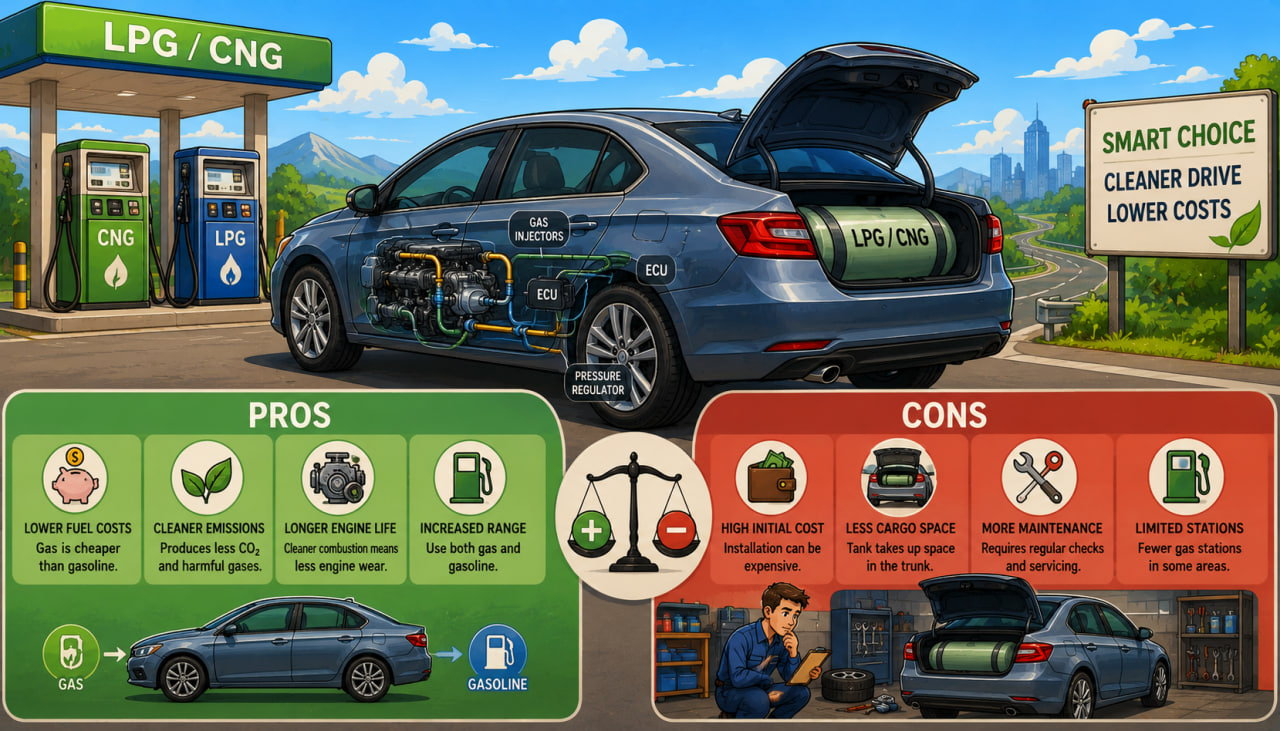
With rising fuel prices and growing concerns about environmental impact, many drivers are looking for alternatives to traditional gasoline and diesel vehicles. One of the most popular options is a gas-powered car that runs on liquefied petroleum gas (LPG) or compressed natural gas (CNG). Gas-powered vehicles have been used around the world for decades and remain particularly popular in countries where fuel costs are high. Supporters praise them for lower operating expenses and cleaner emissions, while critics point to installation costs, reduced cargo space, and limitations in fueling infrastructure. Understanding the advantages and disadvantages of gas-powered vehicles can help drivers determine whether this alternative fuel system is right for them.

VPN Explained: What It Is, How It Works, and Which Type to Choose
Neuro-Tech Hi-Tech Smart Technology

VPN Explained: What It Is, How It Works, and Which Type to Choose

The internet has become an essential part of modern life. We use it for work, communication, banking, shopping, entertainment, and countless other activities. As more personal information moves online, concerns about privacy, security, and unrestricted access to information continue to grow. One technology that has become increasingly popular in recent years is the Virtual Private Network, commonly known as a VPN. Millions of people use VPN services daily, but many users are still unsure about what a VPN actually does and how to choose the right one. Understanding the strengths and limitations of VPN technology can help users make informed decisions and improve their online experience.

Enzymes: Biological Nanorobots That Outlive Molecules
Bioengineering Science Be Smart

Enzymes: Biological Nanorobots That Outlive Molecules

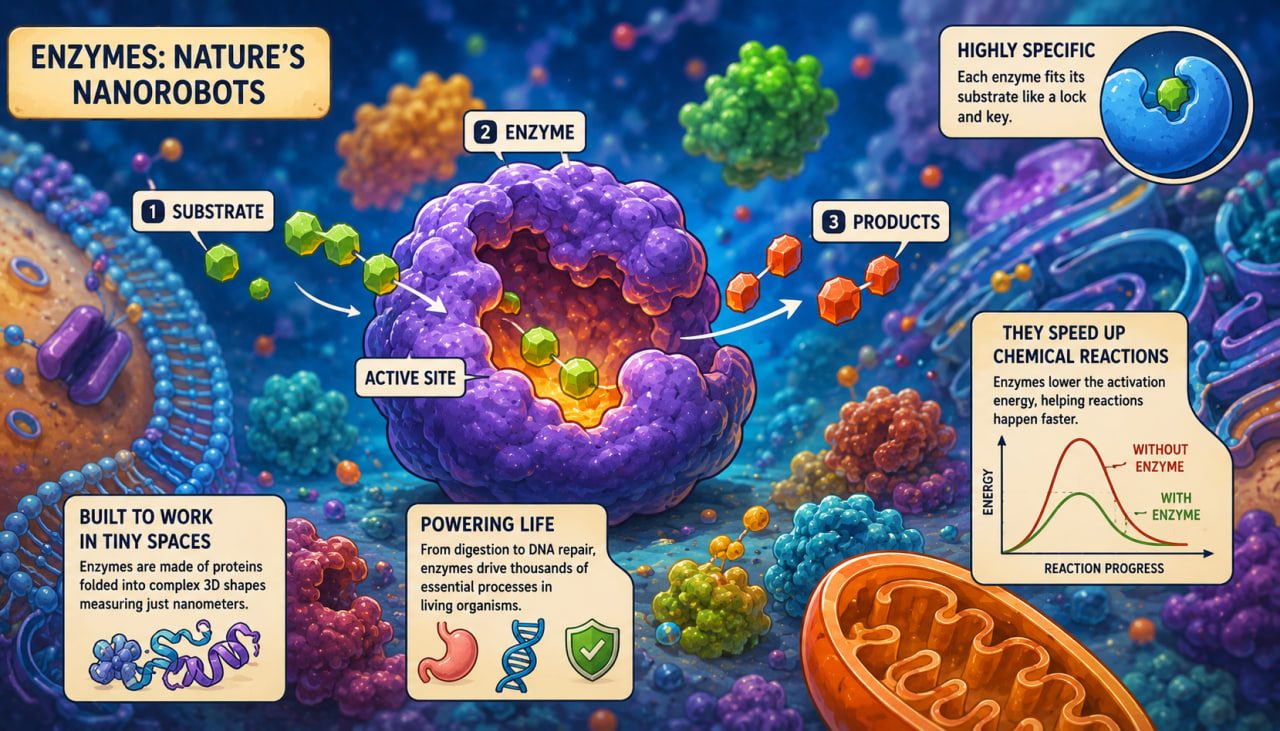
Life as we know it would be impossible without enzymes. Every heartbeat, every breath, every thought, and every movement depends on these remarkable biological molecules. Although invisible to the naked eye, enzymes perform trillions of chemical operations inside living organisms every second. Scientists often compare enzymes to molecular machines because of their extraordinary precision and efficiency. Some researchers even describe them as biological nanorobots—tiny structures capable of recognizing specific molecules, carrying out complex tasks, and repeating those tasks thousands or even millions of times. What makes enzymes particularly fascinating is that they often survive long after the molecules they process have disappeared. While the substances they act upon are transformed into entirely new compounds, the enzyme itself frequently remains unchanged and ready for another cycle of work.

AI-Generated Content Is Flooding the Internet: What Do Experts Say?
AI & Ethics AI Be Smart

AI-Generated Content Is Flooding the Internet: What Do Experts Say?

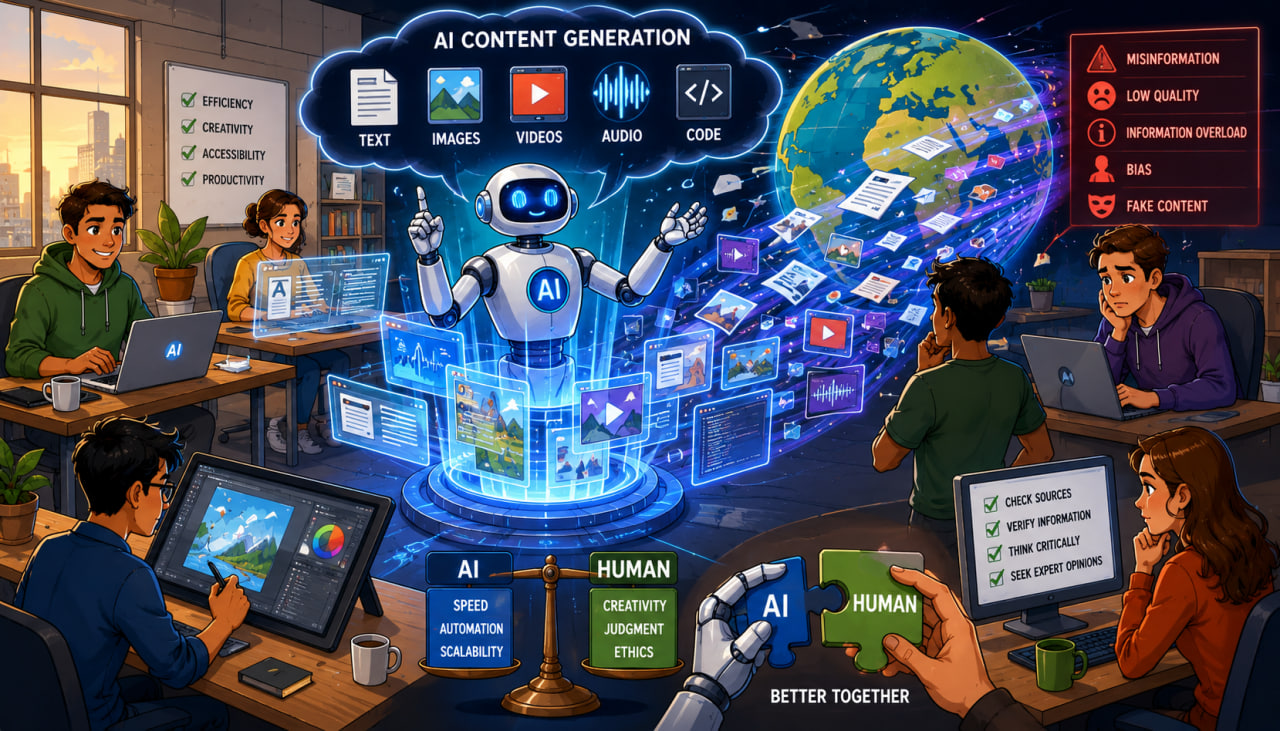
Artificial intelligence is transforming the internet at an unprecedented pace. Just a few years ago, most online articles, images, videos, and social media posts were created entirely by humans. Today, AI systems can generate blog posts, illustrations, marketing materials, code, videos, and even realistic voices within seconds. As a result, the amount of AI-generated content online is growing rapidly. Some experts see this as a revolutionary development that will democratize creativity and knowledge sharing. Others warn that it could lead to misinformation, lower content quality, and an internet increasingly filled with repetitive material. The debate is far from settled, but one thing is clear: AI-generated content is already reshaping the digital world.

Catalysis: How One Tiny Particle Can Make a Reaction Run Trillions of Times Faster
Science Be Smart Inventions

Catalysis: How One Tiny Particle Can Make a Reaction Run Trillions of Times Faster

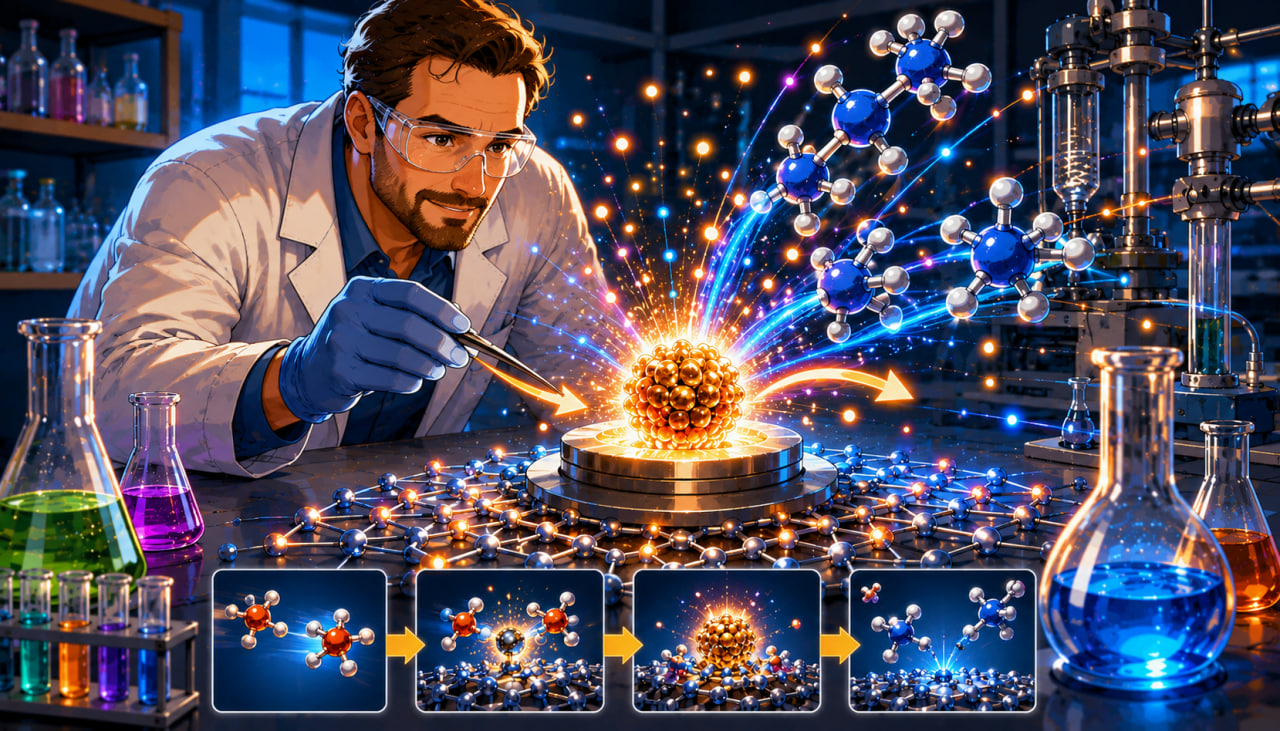
Catalysis is one of the most powerful and important phenomena in chemistry. Without catalysts, many chemical reactions that sustain modern civilization would occur far too slowly to be useful. From producing fuels and fertilizers to manufacturing medicines and cleaning vehicle exhaust, catalysts quietly accelerate countless processes that affect daily life. Perhaps the most astonishing aspect of catalysis is that an extremely small amount of catalyst can dramatically increase reaction speed. In some cases, reactions proceed millions, billions, or even trillions of times faster than they would otherwise. This remarkable ability has fascinated scientists for more than a century and continues to drive advances in chemistry, biology, energy production, and environmental protection. Understanding catalysis reveals how nature and technology accomplish seemingly impossible chemical transformations with extraordinary efficiency.

What Is Glue and How Do You Choose the Right One?
Science Be Smart Inventions

What Is Glue and How Do You Choose the Right One?

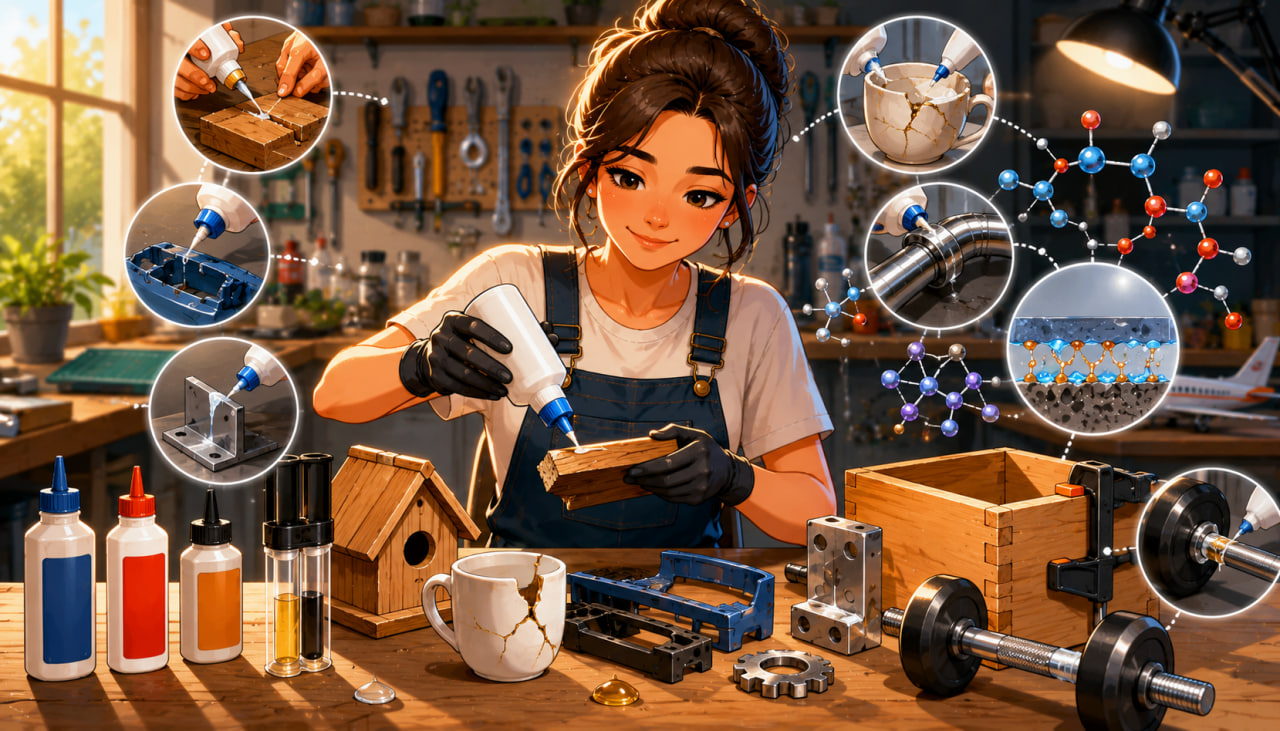
Glue is one of the most useful inventions in human history. From ancient civilizations using natural adhesives made from animal products and plant resins to modern industrial super glues capable of holding aircraft components together, adhesives have become an essential part of everyday life. Whether repairing a broken mug, assembling furniture, building models, or constructing spacecraft, choosing the correct adhesive can make the difference between success and failure. Many people assume that all glues work in roughly the same way. In reality, adhesives are highly specialized materials designed for specific surfaces, environmental conditions, and mechanical stresses. Understanding how glue works and how to select the appropriate type can save time, money, and frustration.

The Role of the Sun and Moon: Biological Rhythms Governed by Celestial Bodies
Science Be Smart Earth & Moon

The Role of the Sun and Moon: Biological Rhythms Governed by Celestial Bodies

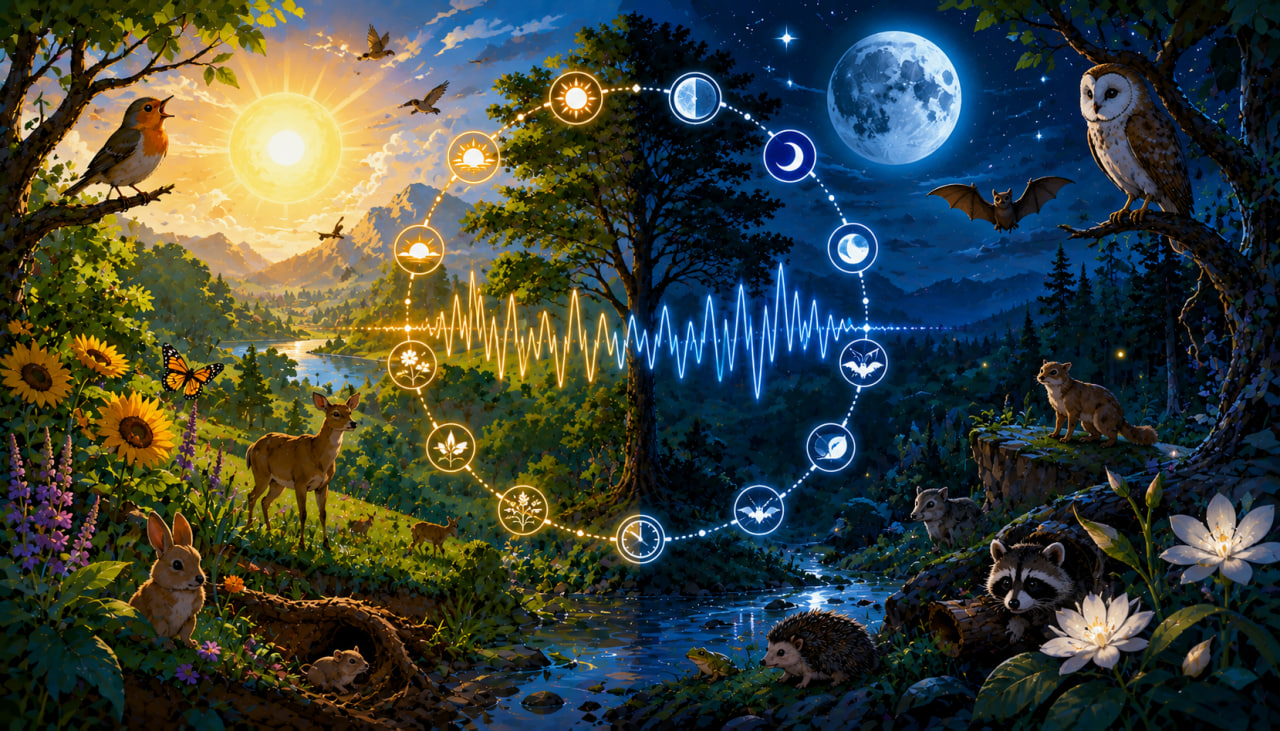
Life on Earth evolved under the constant influence of two dominant celestial bodies: the Sun and the Moon. Long before clocks, calendars, or modern technology existed, living organisms synchronized their behavior with the cycles of daylight, darkness, seasons, and lunar phases. Even today, from microscopic plankton to humans, biological processes continue to follow rhythms shaped by these astronomical influences. Scientists have discovered that many organisms possess internal biological clocks that help them anticipate environmental changes rather than merely react to them. These rhythms regulate sleep, reproduction, migration, feeding, growth, and countless other functions. Understanding how the Sun and Moon influence biological rhythms reveals one of the most fascinating connections between life and the cosmos.