Hi-Tech

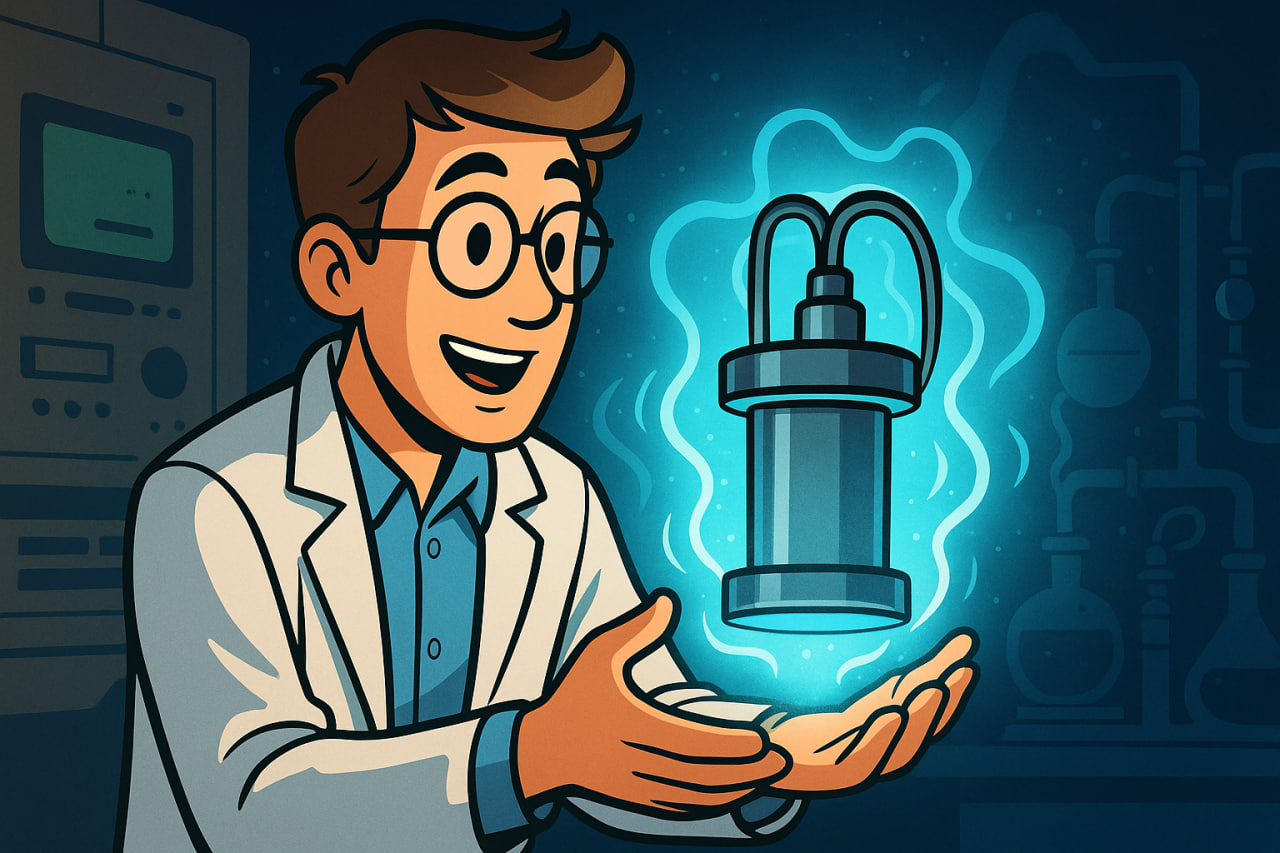
Room-Temperature Superconductivity: A Breakthrough in Modern Physics
Hi-Tech Science New Discoveries

Room-Temperature Superconductivity: A Breakthrough in Modern Physics

For more than a century, scientists have dreamed of achieving superconductivity at room temperature — the ability of a material to conduct electricity with zero resistance under everyday conditions. Superconductors, first discovered in 1911, can transmit electric current without any loss of energy, but until recently they only worked at extremely low temperatures, often close to absolute zero. Achieving this phenomenon at room temperature would revolutionize technology, making power grids ultra-efficient, magnetic levitation commonplace, and quantum computers more practical. In recent years, advances in material science and high-pressure physics have brought this dream closer to reality, but significant challenges remain before it becomes part of daily life.


Haptic Displays: How Touch Becomes Part of Digital Interaction
Hi-Tech Smart Technology Inventions

Haptic Displays: How Touch Becomes Part of Digital Interaction

Haptic displays, also known as tactile displays, represent one of the most transformative directions in modern human–computer interaction. Unlike traditional screens that rely only on visual and auditory signals, haptic displays allow users to feel digital objects through vibrations, pressure, texture simulation, or even temperature cues. By activating touch receptors in the skin, these technologies create the illusion of physical contact with virtual elements. As a result, digital interaction becomes more intuitive, immersive, and realistic. Haptic technologies are already reshaping gaming, medicine, robotics, education, and remote work — and their potential continues to grow as engineering and neuroscience advance.

Humanoid Robots: The Future of Human-Machine Interaction
Hi-Tech Smart Technology AI

Humanoid Robots: The Future of Human-Machine Interaction

Humanoid robots are machines designed to resemble the human body in shape, movement, and sometimes behavior. Their purpose is not only to perform tasks, but also to interact naturally with people, environments, and tools originally created for humans. The development of humanoid robots represents one of the most ambitious frontiers in robotics, combining engineering, artificial intelligence, biomechanics, and materials science. As these robots become more advanced, they are increasingly capable of working alongside humans in industry, healthcare, education, space exploration, and service environments. Understanding how humanoid robots function helps us imagine how they may shape the future of society.

Starlink: A New Era of Global Satellite Internet
Neuro-Tech Cosmic Innovations Hi-Tech

Starlink: A New Era of Global Satellite Internet

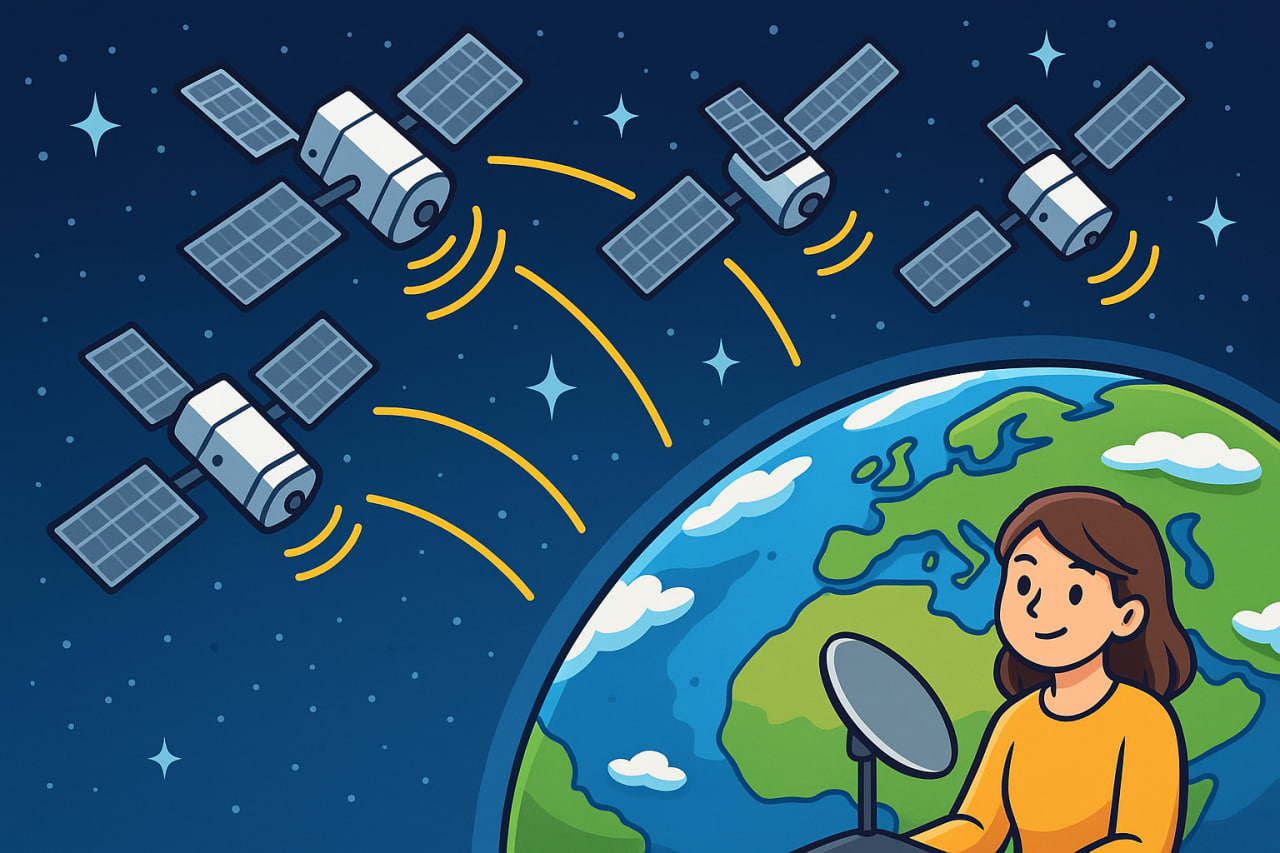
Starlink is a satellite-based internet system developed by SpaceX with the goal of providing high-speed, low-latency broadband access anywhere on Earth. Unlike traditional satellite internet, which relies on a few large satellites placed high above the planet, Starlink uses a massive constellation of thousands of small satellites operating in low Earth orbit (LEO). Their closer proximity allows faster data transmission, reduced signal delay, and more stable connectivity, even in remote or underserved regions. Starlink represents a major technological shift in global communications, reshaping how people access information, work online, and stay connected.

Where Does Mobile Internet Work Best? Understanding Coverage, Technology, and Connectivity
Hi-Tech Smart Technology Be Smart

Where Does Mobile Internet Work Best? Understanding Coverage, Technology, and Connectivity

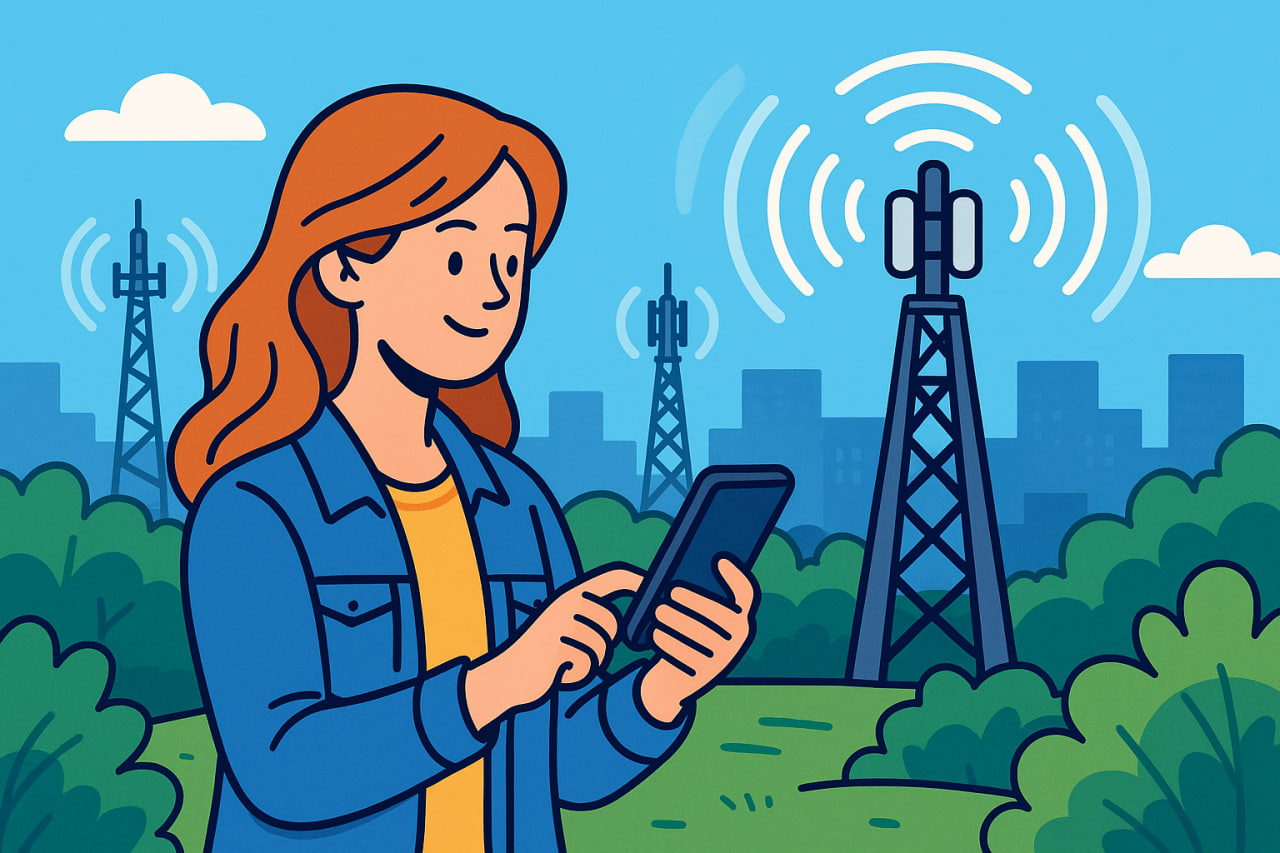
Mobile internet has become an essential part of modern life, powering communication, navigation, streaming, remote work, and everyday digital tasks. But the quality of mobile internet varies widely depending on geography, infrastructure, network technology, and user density. Some places offer fast and stable mobile connections, while others struggle with weak signals or slow speeds. Understanding where mobile internet works best helps explain why coverage is uneven and what factors shape the performance of modern networks. It also highlights how new generations of mobile technology — especially 5G — are transforming global connectivity.

Artificial Satellites: What They Are and How They Shape Modern Life
Space Stories Cosmic Innovations Hi-Tech

Artificial Satellites: What They Are and How They Shape Modern Life

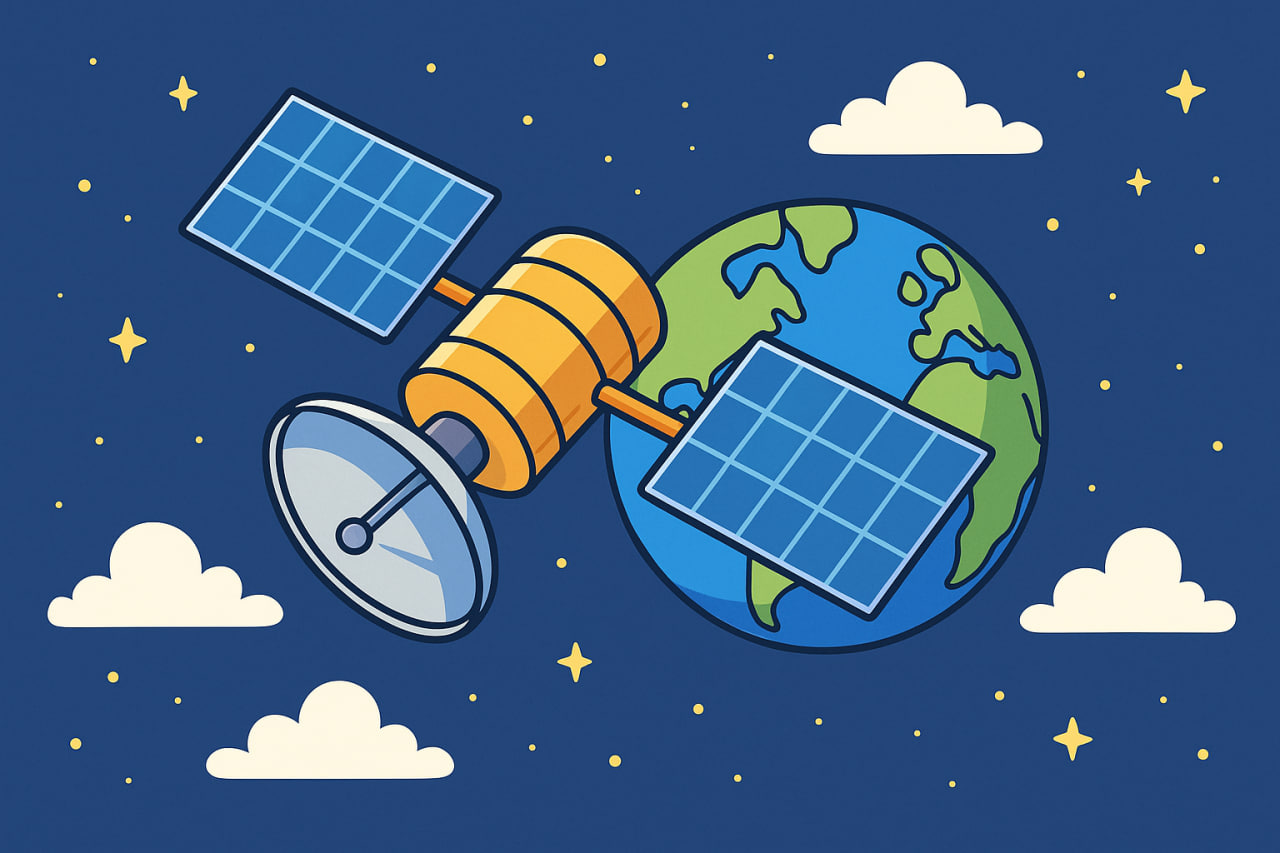
Artificial satellites are human-made objects launched into space to orbit the Earth or other celestial bodies. They have become essential tools for communication, navigation, weather forecasting, science, defense, and global connectivity. Today thousands of satellites operate above us, forming invisible networks that support everything from smartphone GPS signals to climate monitoring and international broadcasting. Although they vary widely in size and function, all satellites rely on the same basic principle: moving fast enough sideways so that they continuously fall around Earth rather than down to its surface. Understanding how satellites work and why they are so important explains much of the technology powering our modern world.

Flying Motorcycles: The Future of Personal Air Mobility
Hi-Tech Smart Technology Inventions

Flying Motorcycles: The Future of Personal Air Mobility

Flying motorcycles — once a fantasy of science fiction — are rapidly becoming a realistic form of personal transportation. These innovative vehicles combine the agility of motorcycles with the vertical takeoff capabilities of drones or small aircraft. Engineers around the world are experimenting with lightweight materials, electric propulsion, autonomous stabilization systems, and compact aerodynamic designs to create safe and efficient flying machines. As cities face increasing congestion and the need for cleaner mobility solutions grows, flying motorcycles may eventually offer a new way to travel above busy streets. Although still in early development, these technologies represent a major step toward the future of urban mobility, emergency response, and recreational aviation.

Quantum Internet: The Future of Ultra-Secure Communication
Hi-Tech Smart Technology Inventions

Quantum Internet: The Future of Ultra-Secure Communication

The quantum internet represents a revolutionary step forward in communication technology, promising levels of security and performance far beyond what classical networks can achieve. Unlike traditional internet systems, which transmit information using electrical signals or light pulses that can be intercepted or copied, the quantum internet uses the laws of quantum physics to protect data. At its core is the principle that quantum states — such as the position or spin of particles — cannot be observed without being altered. This makes eavesdropping not only detectable but fundamentally impossible without leaving a trace. As global reliance on digital communication grows, the quantum internet is seen as a critical innovation for cybersecurity, scientific research, and next-generation computing. Although still in development, it is expected to transform everything from banking and government security to cloud computing and global information exchange.

QKD: Quantum Key Distribution and the Future of Secure Communication
Hi-Tech Smart Technology New Discoveries

QKD: Quantum Key Distribution and the Future of Secure Communication

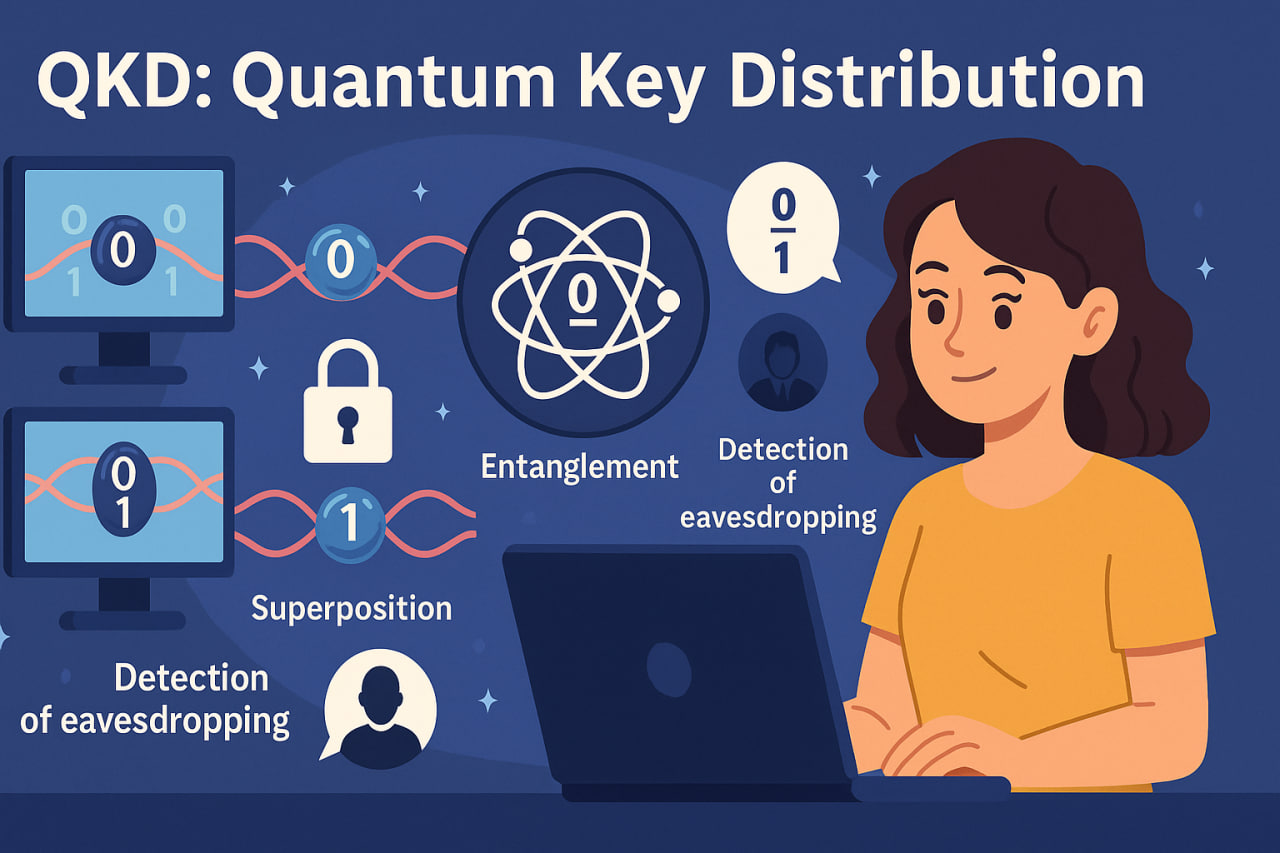
Quantum Key Distribution (QKD) is one of the most groundbreaking technologies in quantum communication, offering an entirely new level of security based on the principles of quantum physics. Unlike traditional cryptographic systems—which rely on mathematical complexity—QKD uses the behavior of quantum particles to create encryption keys that cannot be intercepted or copied without detection. This makes QKD an essential tool for protecting sensitive information in finance, government, medicine, and global communications. As cyber threats grow and classical systems face the future challenge of quantum computers, QKD stands out as a powerful and future-proof solution for secure digital exchange.

The Space Elevator: A Bold Vision for Reaching Orbit Without Rockets
Cosmic Innovations Hi-Tech Be Smart

The Space Elevator: A Bold Vision for Reaching Orbit Without Rockets

A space elevator is one of the most ambitious engineering concepts ever proposed — a structure extending from Earth’s surface all the way to space, allowing payloads and potentially humans to ascend into orbit without rockets. The idea challenges imagination, physics, and materials science, yet it remains one of the most intensely studied futuristic technologies. If a space elevator becomes possible, it could revolutionize space travel by making access to orbit dramatically cheaper, safer, and more energy-efficient, opening new opportunities for exploration, manufacturing, and off-world development.