Hi-Tech

Molecular Memory: How Molecules Store Information and What This Means for the Future of Technology
Hi-Tech Smart Technology New Discoveries

Molecular Memory: How Molecules Store Information and What This Means for the Future of Technology

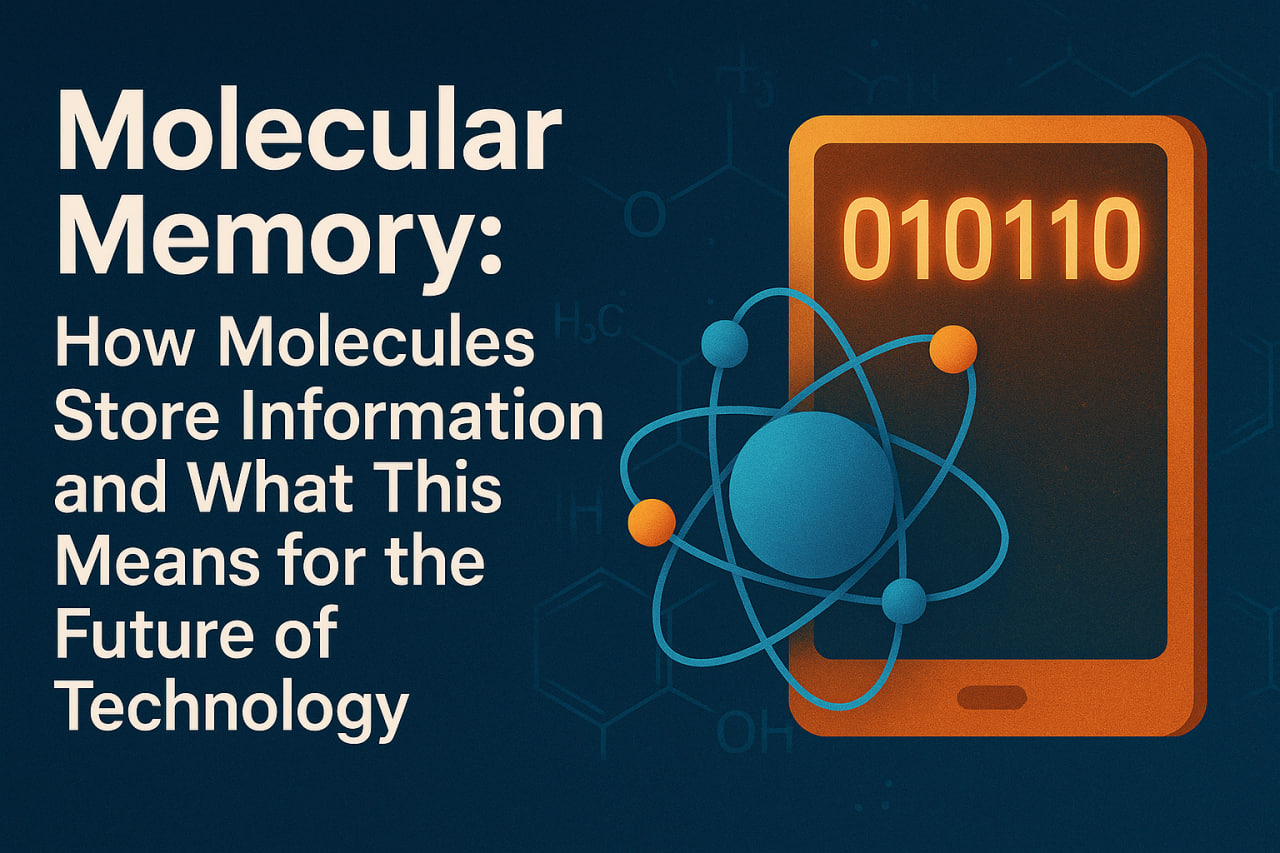
Molecular memory is an emerging scientific field that explores how information can be encoded, stored, and retrieved at the molecular level. Instead of relying on traditional electronic circuits, molecular memory systems use the physical or chemical states of molecules — such as shape, charge, or bonding arrangement — to hold data. This radically different approach offers the potential for ultra-dense, energy-efficient, and long-lasting data storage technologies. As digital information grows exponentially, scientists are searching for ways to surpass the physical limits of conventional semiconductor memory. Molecular memory could become a key solution.
Redox Reactions: How Electron Transfer Powers Chemistry, Technology, and Life
Hi-Tech Science New Discoveries

Redox Reactions: How Electron Transfer Powers Chemistry, Technology, and Life

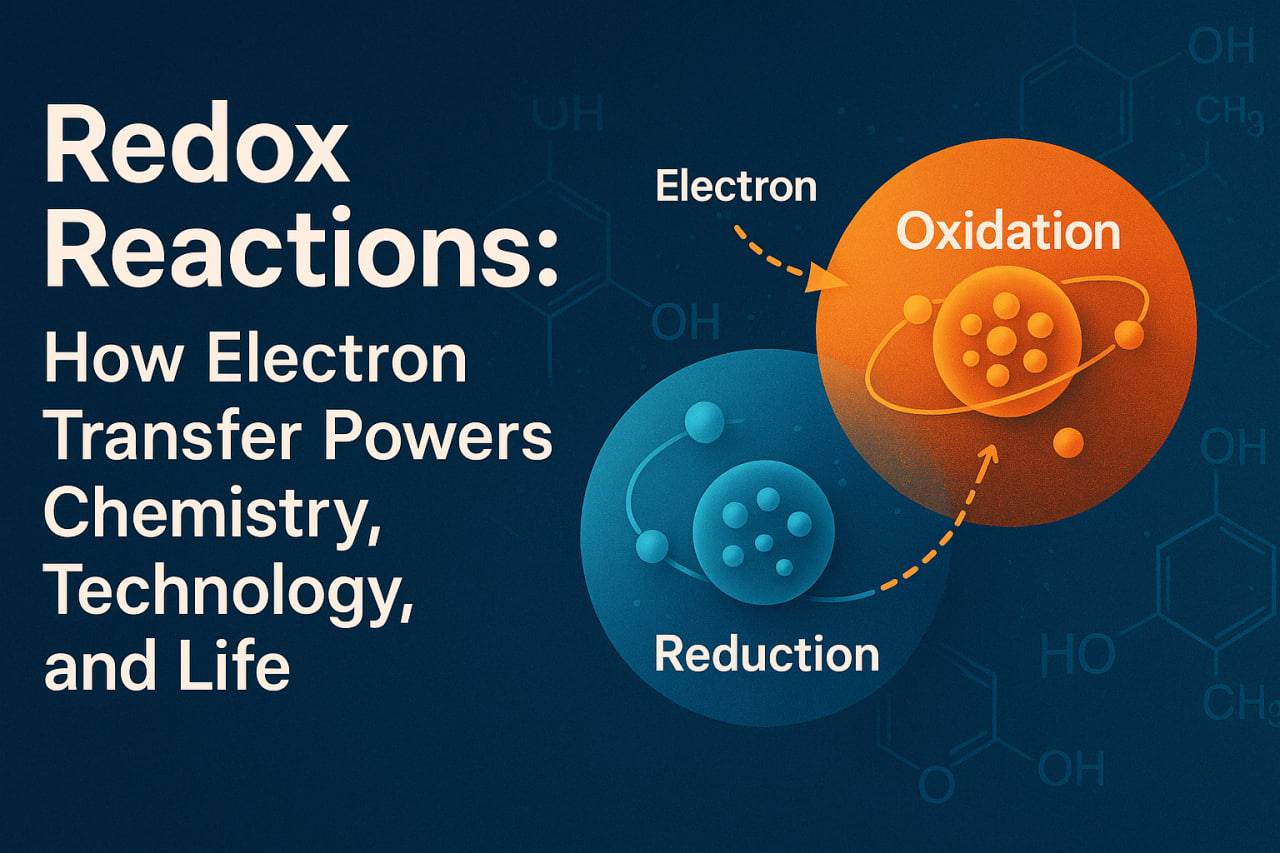
Redox reactions — short for reduction–oxidation reactions — are fundamental chemical processes that drive many of the transformations occurring in nature, technology, and even inside the human body. These reactions involve the transfer of electrons between substances, causing one material to be oxidized (lose electrons) while another is reduced (gain electrons). Although the concept seems simple, redox reactions power some of the most essential processes in the universe, including cellular respiration, photosynthesis, metal corrosion, energy storage, combustion, and industrial synthesis. Understanding how they work provides insight into chemistry’s hidden mechanisms and reveals how electron flow fuels the world around us.

Quantum Entanglement: One of the Most Mysterious Phenomena in Modern Physics
Hi-Tech Science New Discoveries

Quantum Entanglement: One of the Most Mysterious Phenomena in Modern Physics

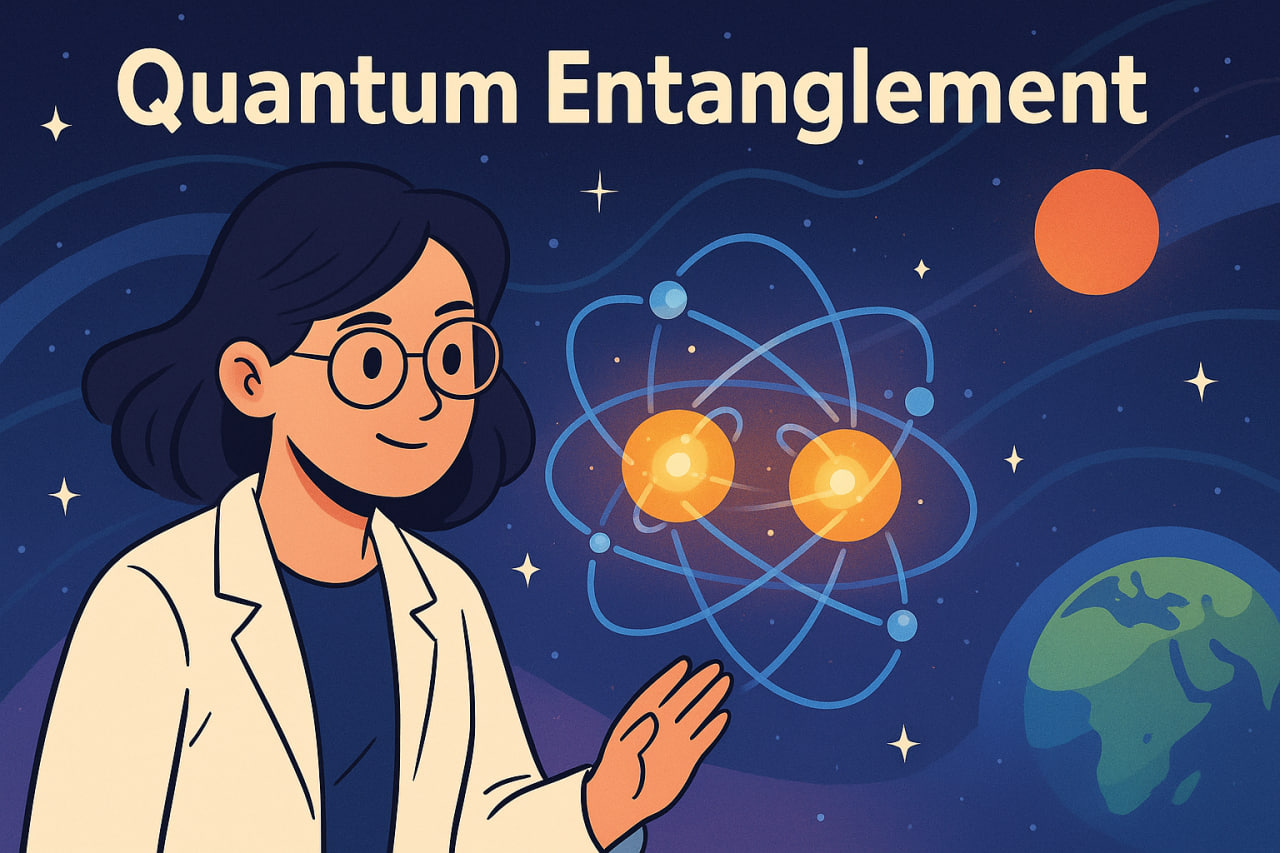
Quantum entanglement is one of the most fascinating and mind-bending concepts in quantum mechanics. It describes a state in which two or more particles become so deeply connected that the condition of one particle instantly correlates with the condition of another — even if they are separated by vast distances. This behavior appears to violate classical intuition and has been described by Einstein as “spooky action at a distance.” Despite its strange nature, entanglement has been verified experimentally countless times and now forms the foundation of modern quantum technologies, including quantum computing, quantum communication, and quantum encryption.

The Newest Developments in Fuel-Free Energy Technologies: What Science Is Actually Exploring
Hi-Tech Smart Technology Science

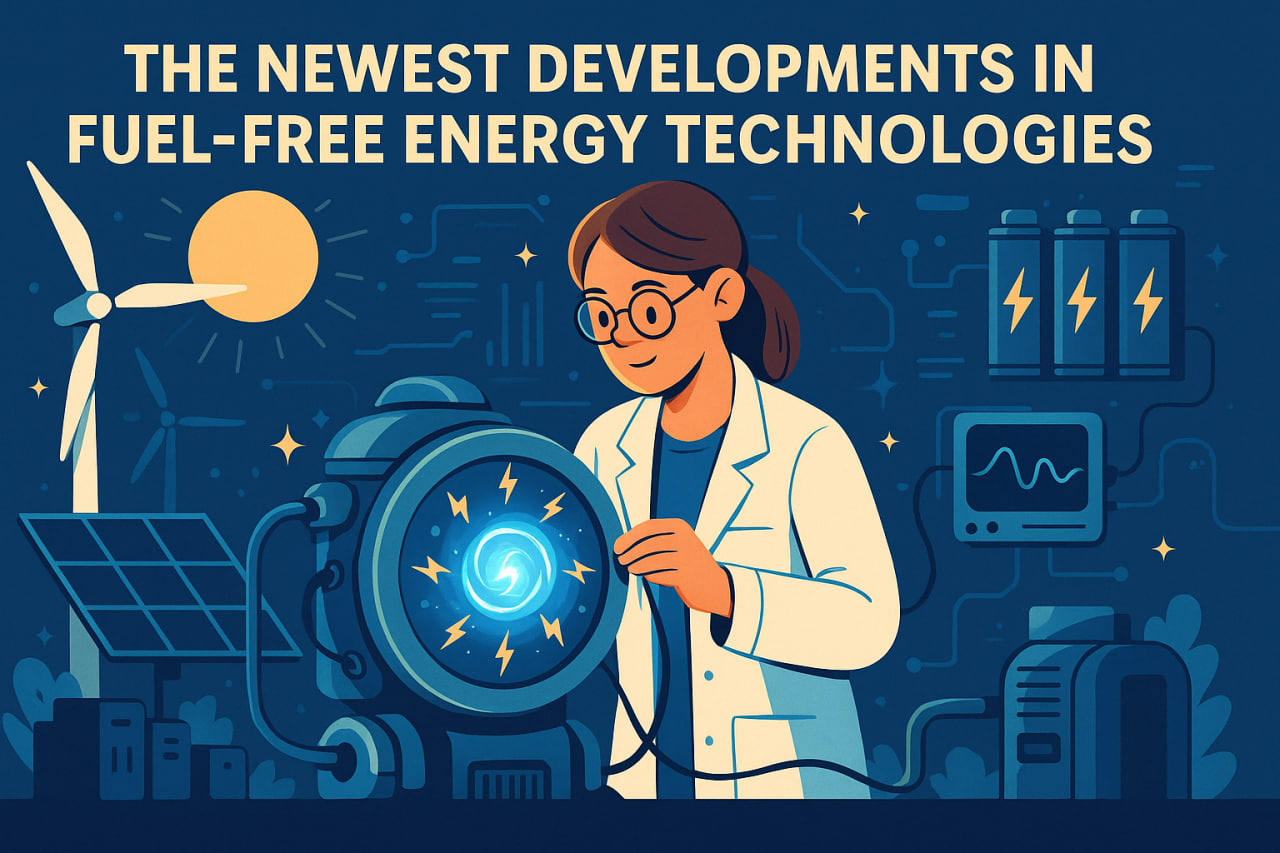
The Newest Developments in Fuel-Free Energy Technologies: What Science Is Actually Exploring

Fuel-free energy, in a strict scientific sense, does not mean creating energy from nothing. According to the laws of physics — especially the conservation of energy — no device can operate without an energy source. However, scientists and engineers are actively working on systems that do not rely on traditional fuels, such as coal, oil, or gas. Instead, these technologies draw power from natural physical processes: sunlight, heat differences, electromagnetic fields, mechanical motion, or ambient environmental energy. These innovations are often referred to as renewable, self-powered, or ultra-low-energy systems, rather than “fuel-free” generators.

Electric Cars: How They Work, Why They Matter, and the Future of Sustainable Transportation
Hi-Tech Smart Technology New Discoveries

Electric Cars: How They Work, Why They Matter, and the Future of Sustainable Transportation

Electric cars have rapidly transformed from a niche technology into one of the most important developments in modern transportation. Powered entirely or partly by electricity instead of gasoline, these vehicles offer cleaner mobility, lower emissions, and a quieter driving experience. As climate concerns and technological innovations accelerate, electric cars are becoming central to global strategies aimed at reducing pollution, improving energy efficiency, and creating sustainable cities. Understanding how electric cars work, their benefits, and their limitations helps drivers make informed choices in a world shifting toward renewable energy.

Time Crystals: A New State of Matter That Breaks the Rules of Physics
Hi-Tech Science New Discoveries

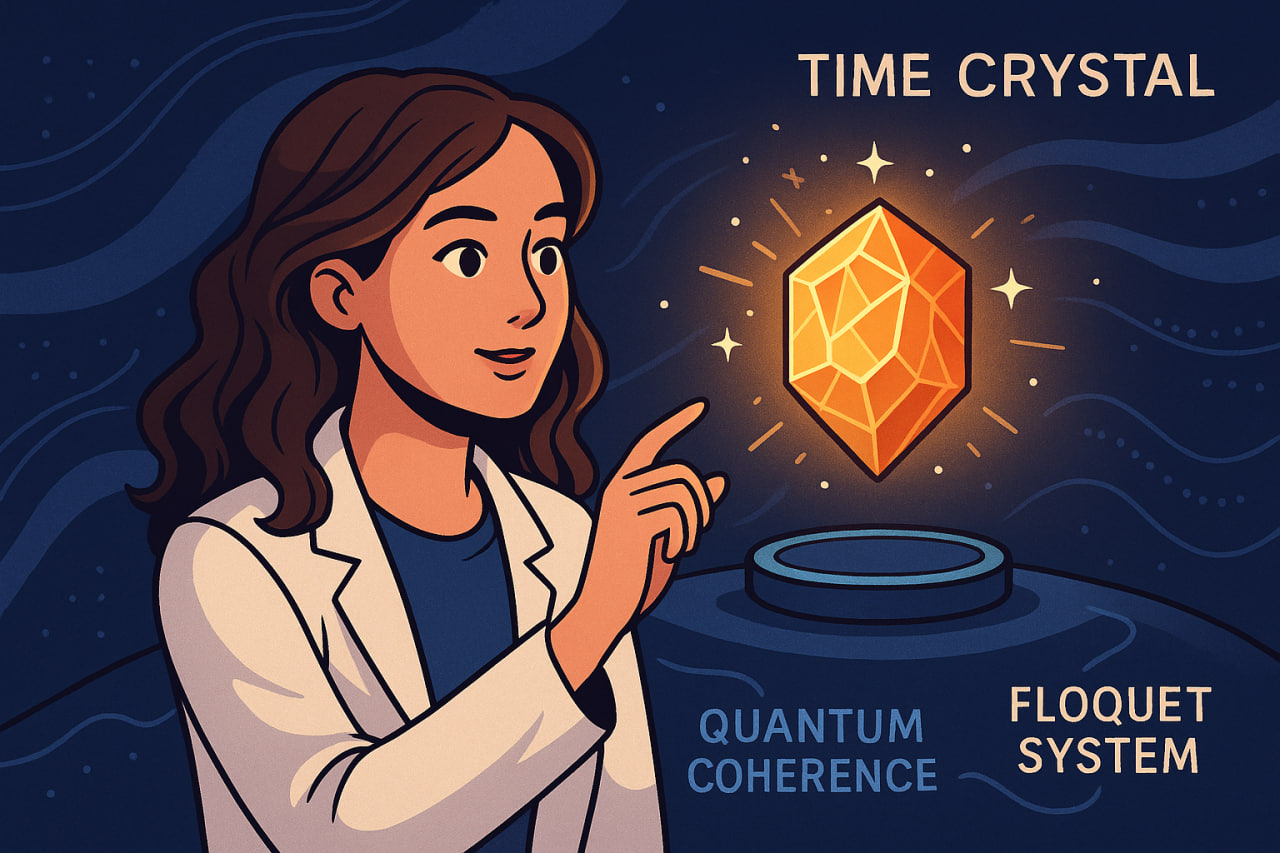
Time Crystals: A New State of Matter That Breaks the Rules of Physics

Time crystals are one of the most astonishing scientific discoveries of the 21st century — a completely new state of matter that behaves in ways once thought impossible. Unlike ordinary crystals, which repeat their structure in space, time crystals repeat their structure in time. They oscillate, switch, or “tick” at regular intervals without consuming energy, seemingly defying the fundamental laws of thermodynamics. First proposed by Nobel laureate Frank Wilczek in 2012 and experimentally realized several years later, time crystals challenge long-standing assumptions about stability, order, and motion at the quantum level. Their unique properties open the door to next-generation quantum technologies, ultra-stable memory systems, and deeper understanding of non-equilibrium physics.

Will Robots Replace Humans in Industry? Understanding the Future of Work and Automation
Hi-Tech Smart Technology AI & Ethics

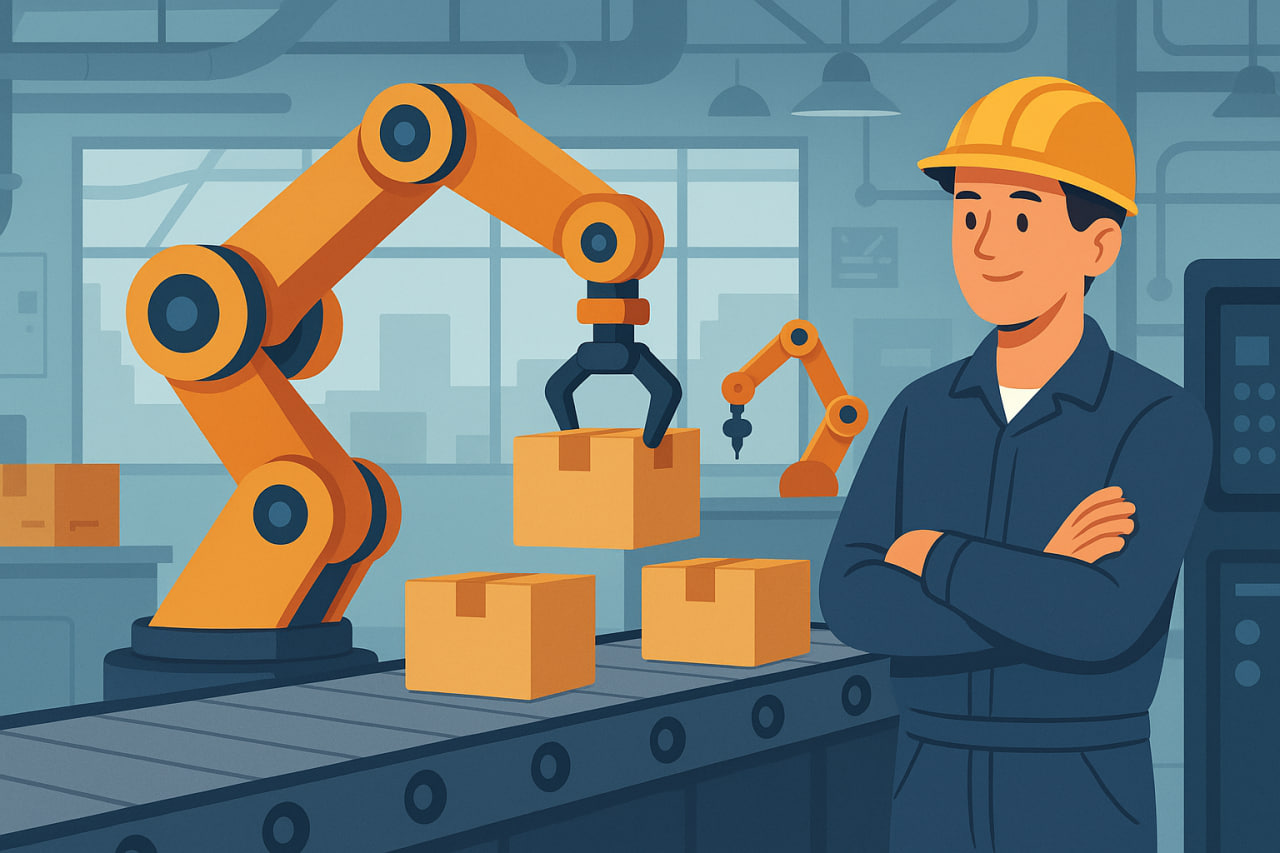
Will Robots Replace Humans in Industry? Understanding the Future of Work and Automation

Robots are becoming an increasingly important part of modern industry, transforming everything from manufacturing and logistics to medicine and agriculture. Their speed, precision, and ability to work without fatigue make them valuable tools for improving efficiency and reducing human error. But as automation advances, an important question emerges: Will robots eventually replace humans in industrial work? The answer is complex. While robots are excellent at performing repetitive, dangerous, and highly technical tasks, they cannot replace the creativity, judgment, and adaptability that humans bring to the workplace. Understanding the balance between automation and human labor helps predict how industries will evolve and what skills will be most essential for the future.

Self-Healing Tires: The Future of Safer and Smarter Transportation
Hi-Tech Smart Technology New Discoveries

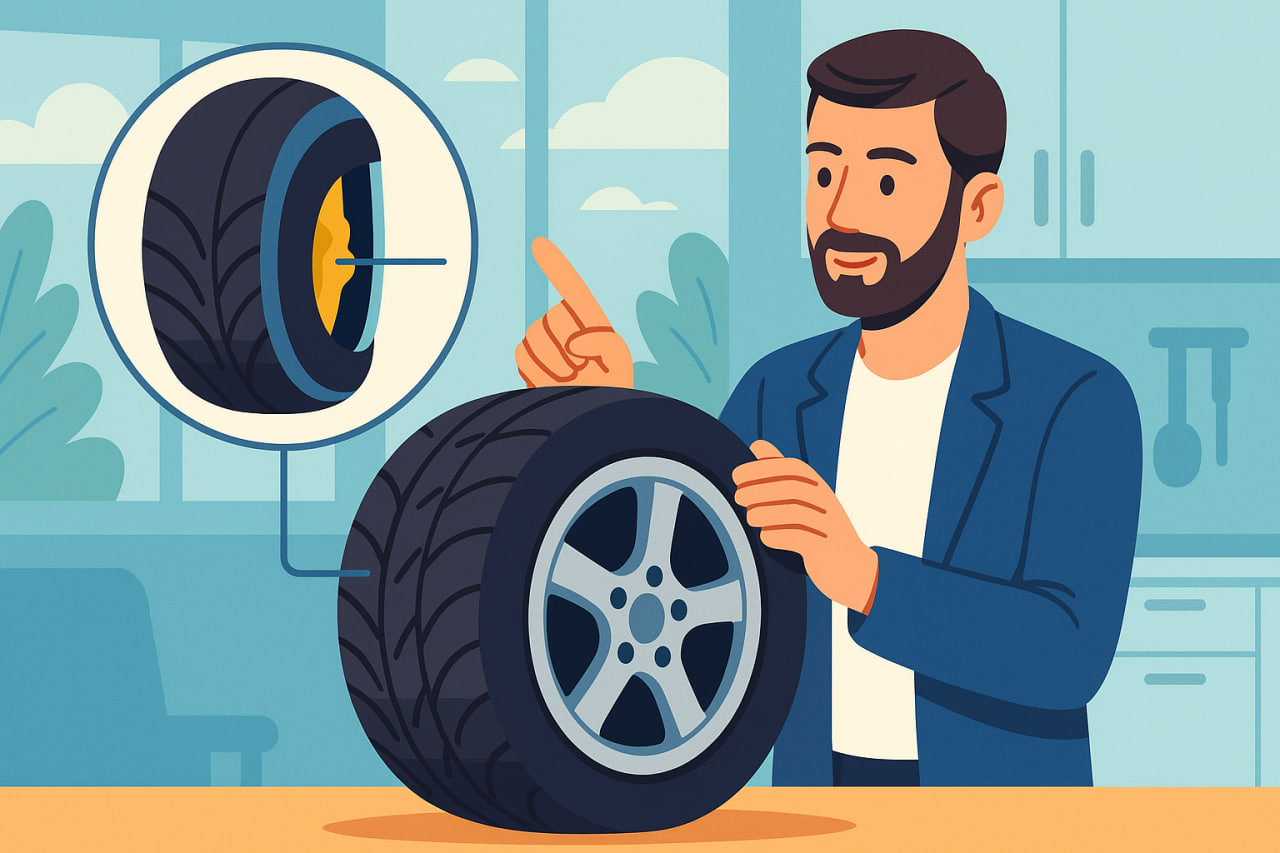
Self-Healing Tires: The Future of Safer and Smarter Transportation

Self-healing tires are one of the most exciting technological innovations in modern transportation. Designed to automatically repair punctures and maintain their structural integrity, these advanced tires offer a safer, more reliable, and longer-lasting alternative to traditional rubber designs. Their development combines material science, polymer chemistry, nanotechnology, and smart engineering. As cities move toward sustainable mobility and autonomous vehicles, self-healing tires could dramatically reduce maintenance costs, improve road safety, and help decrease waste created by tire replacement. Understanding how these tires work, what materials they use, and how close we are to widespread adoption offers a fascinating look into the future of mobility.

The Nancy Grace Roman Telescope: A New Era of Wide-Field Astronomy
Hi-Tech Smart Technology Science

The Nancy Grace Roman Telescope: A New Era of Wide-Field Astronomy

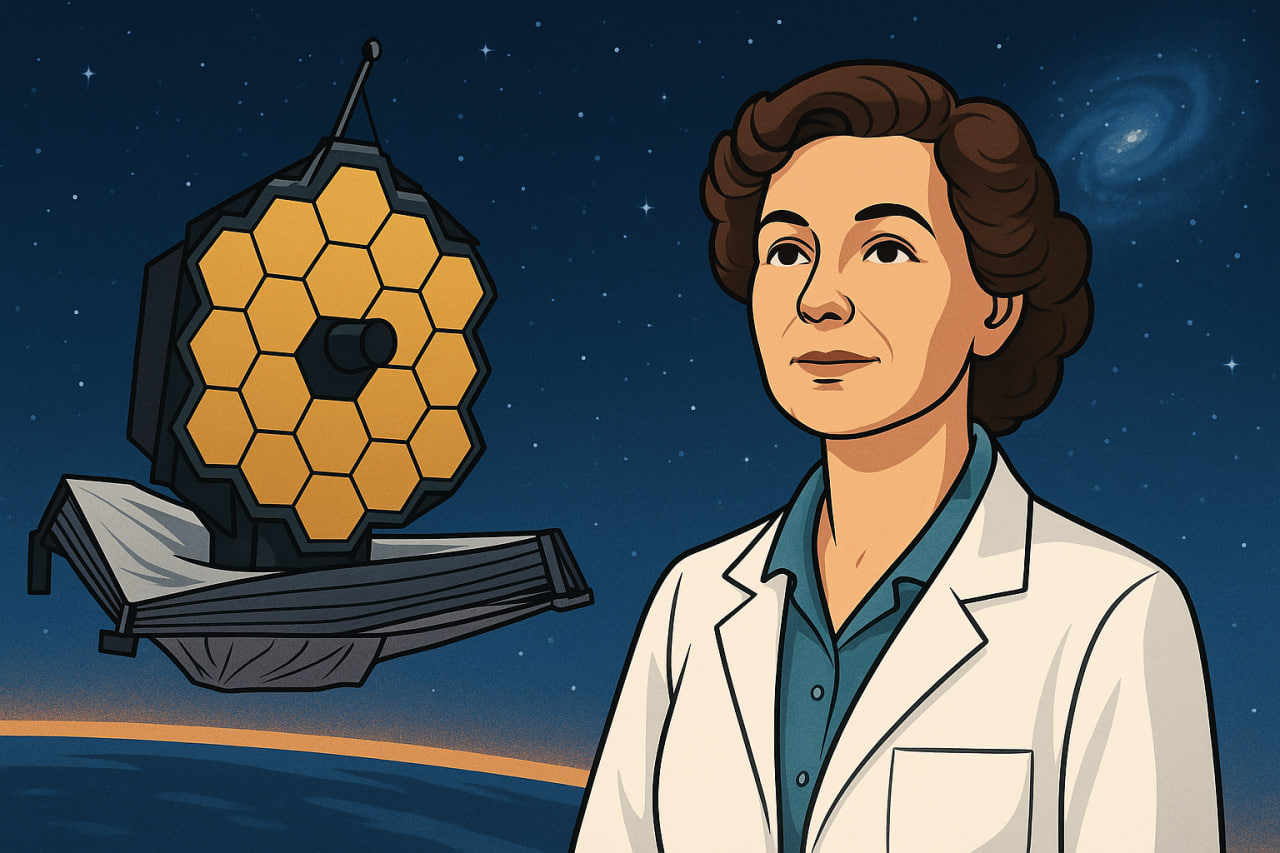
The Nancy Grace Roman Space Telescope, named after NASA’s pioneering visionary Nancy Grace Roman, represents one of the most ambitious astronomical missions of the 21st century. Often called “Hubble’s wide-eyed cousin,” the Roman Telescope is designed to explore the universe with a field of view 100 times larger than that of the Hubble Space Telescope while maintaining equal image quality. Scheduled for launch in the mid-2020s, Roman aims to investigate some of the biggest mysteries in modern astrophysics, including dark energy, exoplanets, and the large-scale structure of the cosmos. Its unprecedented combination of precision, coverage, and sensitivity will allow scientists to map the universe in ways never before possible.

Bionics: How Nature Inspires the Future of Human Technology
Hi-Tech Bioengineering Science

Bionics: How Nature Inspires the Future of Human Technology

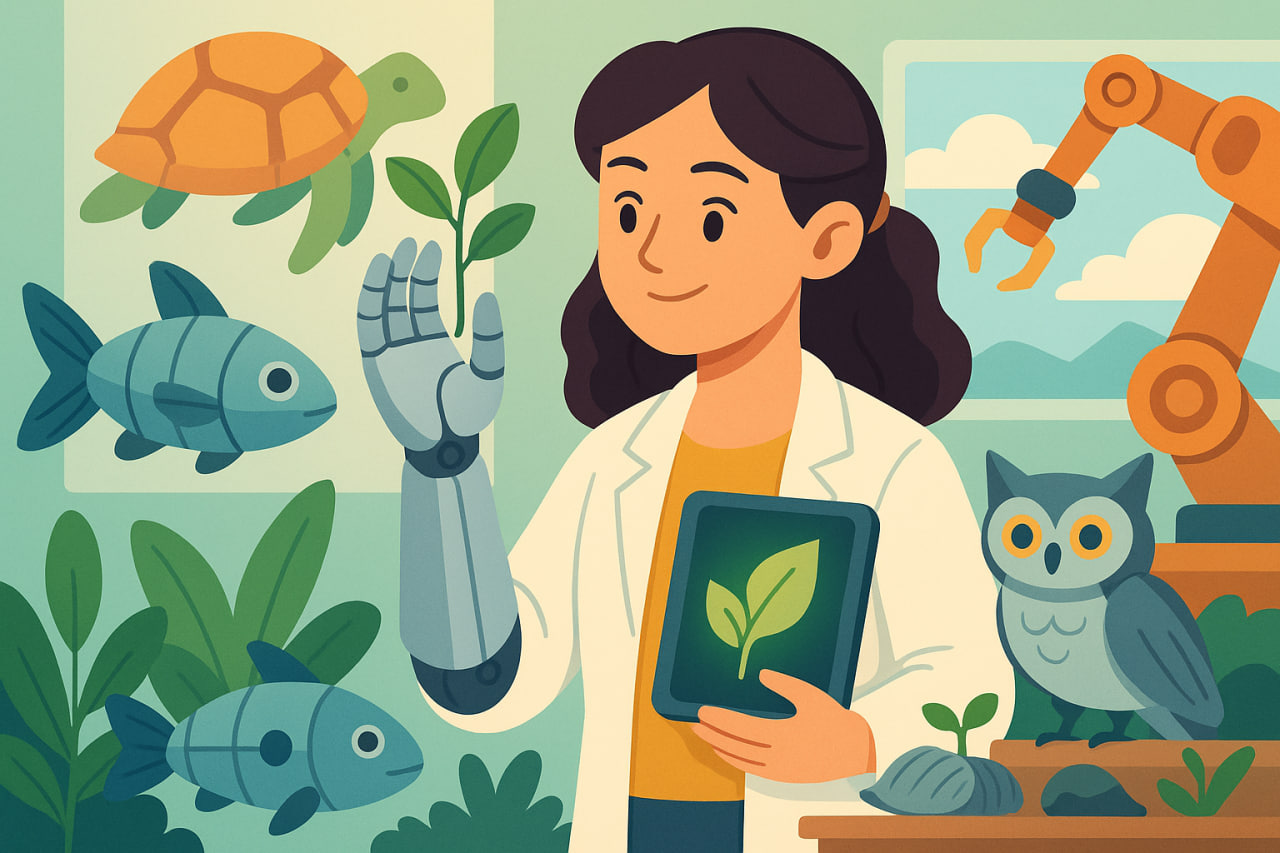
Bionics is a scientific field that studies how biological systems work and applies these principles to create new technologies, devices, and engineering solutions. By observing how nature solves complex problems — from movement and sensing to energy efficiency and structural strength — researchers develop innovations that improve human life. Bionics is responsible for breakthroughs in robotics, prosthetics, architecture, medicine, and materials science. It bridges the gap between biology and engineering by showing that millions of years of evolution offer some of the most effective design strategies on Earth. Understanding bionics allows us to create technologies that are more efficient, sustainable, and adaptable.