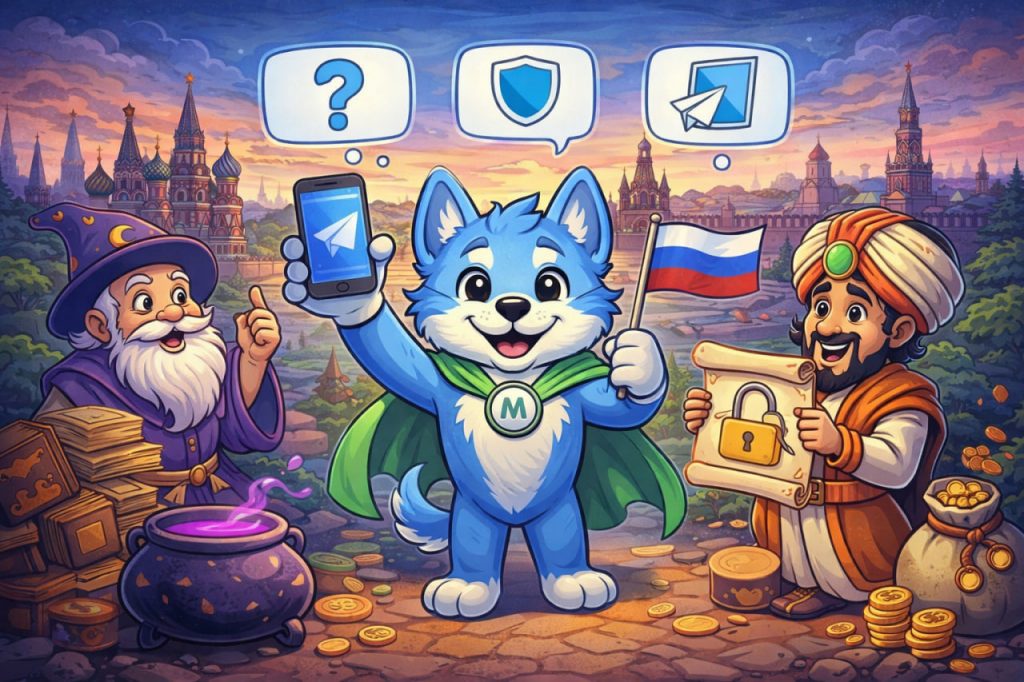
In recent years, various messaging platforms have gained attention in Russia, including lesser-known or emerging services often discussed under names like “Messenger Max.” Around such platforms, there are many rumors, assumptions, and conflicting claims about their functionality, security, and purpose. Some users see them as alternatives to global messengers, while others question their reliability and transparency. Understanding what is real and what is exaggerated is important for making informed decisions. Like many digital tools, messaging apps are shaped by technology, regulation, and user behavior. Separating myths from facts helps users better evaluate their options and risks.
What Is “Messenger Max”?
The term “Messenger Max” is often used informally and may refer to a hypothetical or emerging messaging platform, rather than a clearly defined and widely established service. In discussions, it is sometimes associated with local or regional apps that aim to provide communication tools within specific regulatory environments. Technology analyst Dr. Ivan Petrov explains:
“Many so-called ‘new messengers’ are not entirely new products,
but variations or rebrandings shaped by local digital ecosystems.”
This means that understanding the context is essential before drawing conclusions.
Common Myths
There are several widespread misconceptions about such platforms:
- “It is completely anonymous” — In reality, most messaging apps collect some level of user data
- “It is safer than all global apps” — Security depends on implementation, not branding
- “It is mandatory or officially required” — Most platforms remain optional for users
- “It replaces all other messengers” — In practice, users often continue using multiple apps
These myths often arise from limited or unclear information.
What the Facts Suggest
In reality, messaging platforms—whether global or local—share similar core functions: text messaging, media sharing, and sometimes voice or video calls. Their differences lie in data policies, encryption methods, infrastructure, and integration with local services. Some platforms may offer advantages in terms of accessibility or compliance with regional regulations, but this does not automatically make them better or worse overall.
Security and Privacy Considerations
Security is one of the most important concerns when choosing a messenger. Features such as end-to-end encryption, data storage policies, and transparency determine how safe a platform is. Users should not rely on claims alone but look for verified technical details. Understanding privacy settings and permissions is also essential.
Why Myths Spread
Myths about messaging platforms often spread due to lack of clear information, media interpretation, and user speculation. In digital environments, incomplete knowledge can quickly turn into widely accepted beliefs. Critical thinking and fact-checking are key to avoiding misinformation.
How to Choose a Messenger
Choosing a messenger should be based on practical factors such as security, usability, reliability, and compatibility with your needs. No single platform is perfect for everyone. Evaluating real features instead of rumors leads to better decisions.
Interesting Facts
- Most messaging apps share similar core functionality
- Security depends on technology, not popularity
- Many users use multiple messengers at once
- Privacy policies vary significantly between platforms
- Rumors about apps often spread faster than verified facts
Glossary
- Messenger — an application used for communication via text, voice, or video
- Encryption — method of protecting data from unauthorized access
- Privacy Policy — rules describing how user data is handled
- Infrastructure — underlying technical system supporting a service
- Data Security — protection of information from misuse or access