Be Smart

René Descartes: The Philosopher Who Redefined Reason and Reality
History Science Be Smart

René Descartes: The Philosopher Who Redefined Reason and Reality

René Descartes was one of the most influential thinkers of the 17th century and is often called the “father of modern philosophy.” Living during a period of profound scientific transformation, he sought to establish knowledge on a foundation of absolute certainty. His work reshaped philosophy, mathematics, and science, laying the groundwork for rationalism and analytic geometry. Descartes believed that reason, rather than tradition or authority, should guide the search for truth. His ideas influenced generations of philosophers, scientists, and mathematicians. Even today, his method of systematic doubt remains central to discussions about knowledge and consciousness.

AI for Deciphering Ancient Languages and Scrolls
History AI & Ethics AI

AI for Deciphering Ancient Languages and Scrolls

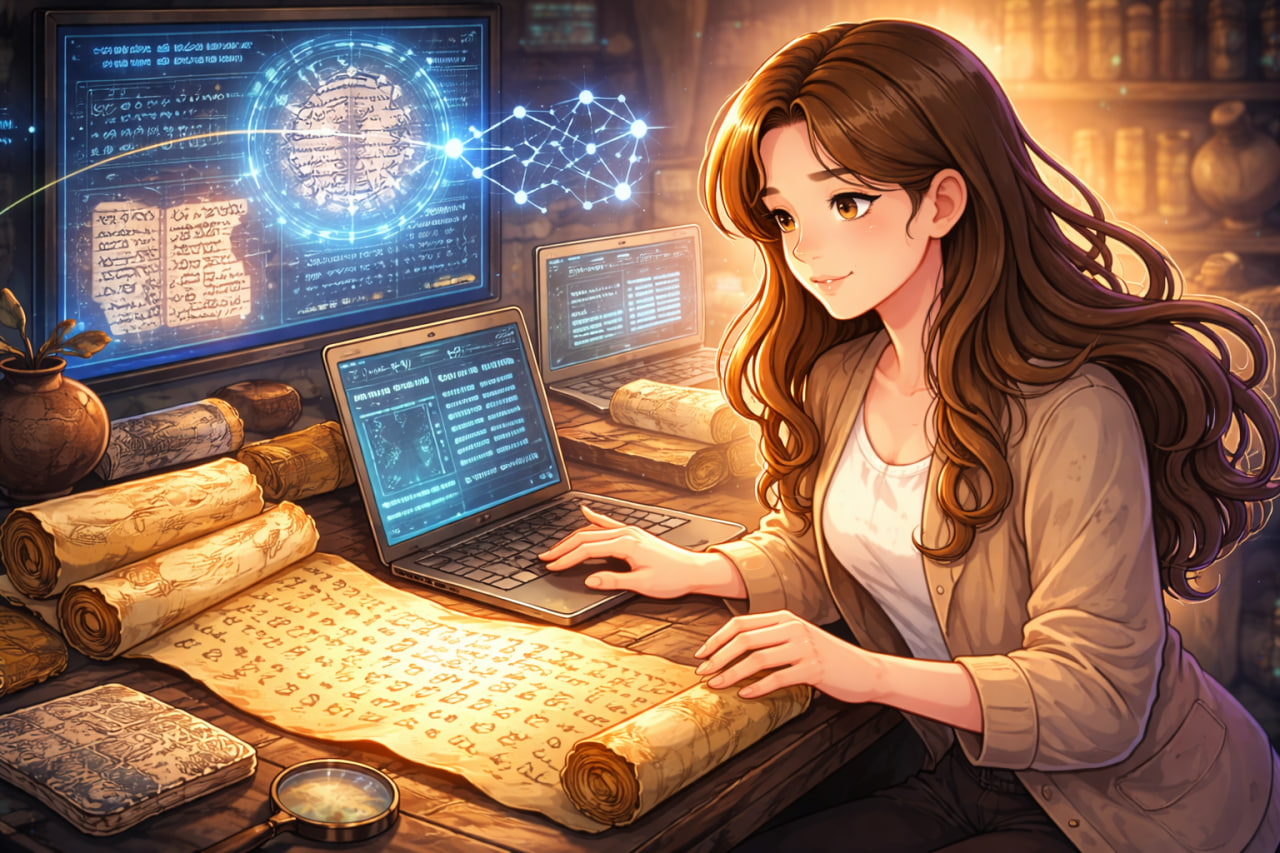
For centuries, historians and linguists have struggled to decode ancient manuscripts, damaged scrolls, and forgotten languages. Many texts have survived only in fragments, faded ink, or carbonized layers, making traditional analysis slow and uncertain. Today, artificial intelligence is transforming the field of historical linguistics and archaeology by offering powerful tools for pattern recognition, reconstruction, and translation. By training neural networks on known linguistic structures, researchers can analyze incomplete texts and predict missing characters with remarkable accuracy. AI does not replace historians, but it accelerates discoveries and opens new possibilities for understanding humanity’s cultural heritage. As computational methods improve, previously unreadable documents are gradually revealing their secrets.

The Hidden Costs of AI: How Much Energy and Water Does One ChatGPT Query Use?
Smart Technology AI & Ethics AI

The Hidden Costs of AI: How Much Energy and Water Does One ChatGPT Query Use?

Artificial intelligence systems like ChatGPT may feel invisible and effortless to use, but behind every response lies a vast physical infrastructure of data centers, servers, cooling systems, and electrical grids. Each AI query triggers complex computations performed by powerful processors that require electricity and generate heat. While a single request may seem insignificant, the global scale of AI usage transforms small energy demands into substantial environmental impacts. Researchers are now examining how much electricity, water, and computing power are consumed per AI interaction to better understand the sustainability challenges of modern digital services. As AI becomes more integrated into daily life, evaluating its hidden resource costs becomes increasingly important for policymakers, engineers, and users alike. Understanding these invisible inputs allows society to balance innovation with environmental responsibility.

AI as a Collective Mind: Are Neural Networks Becoming Smarter Than Humans?
AI & Ethics AI Be Smart

AI as a Collective Mind: Are Neural Networks Becoming Smarter Than Humans?

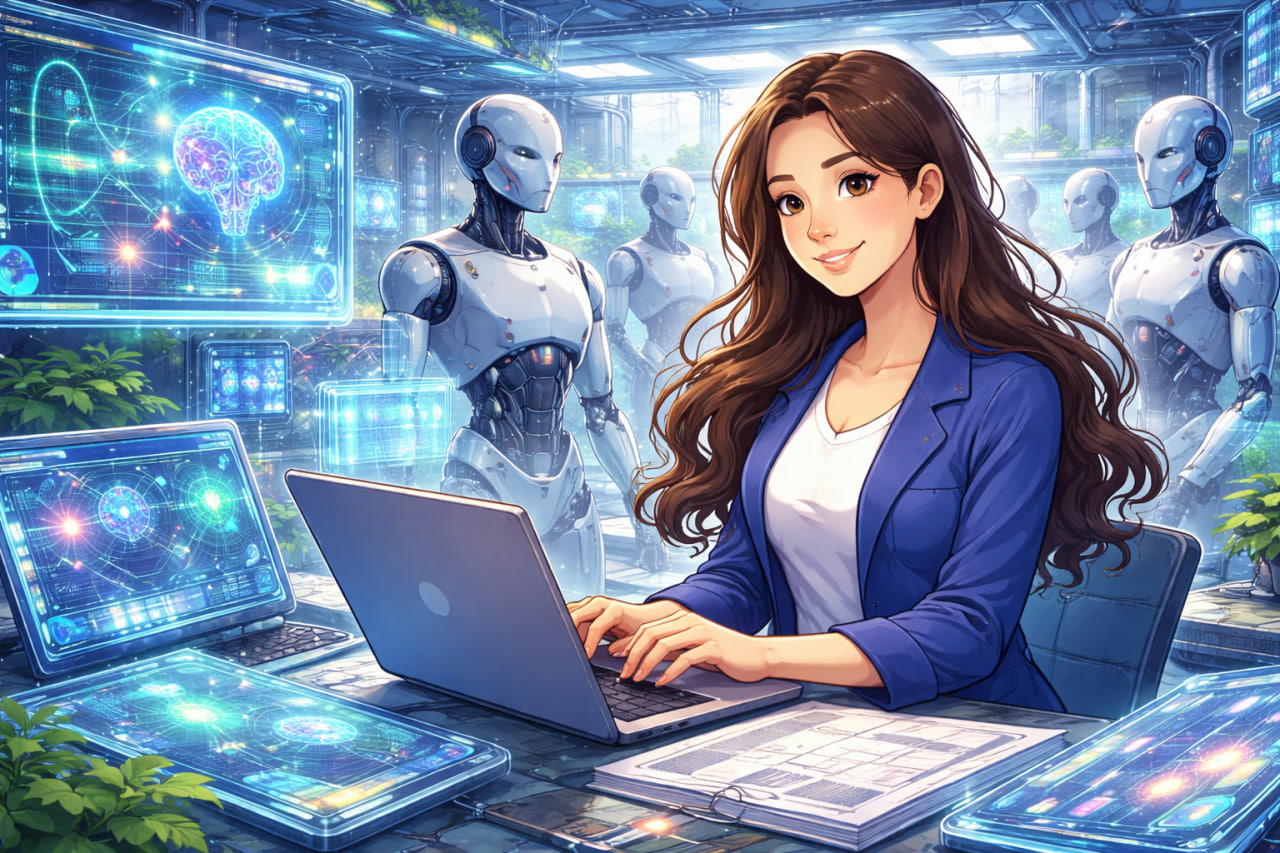
Artificial intelligence systems are often described as tools, but increasingly they are compared to a form of collective digital intelligence. Large neural networks are trained on enormous datasets that include books, scientific papers, code repositories, and global online discussions. This allows them to synthesize knowledge from millions of human contributors, creating outputs that feel broad, informed, and sometimes surprisingly insightful. As AI systems improve in reasoning, pattern recognition, and language processing, many people wonder whether they are becoming “smarter” than humans. The answer, however, depends heavily on how we define intelligence. Intelligence is not a single measurable trait but a complex combination of reasoning, creativity, emotional awareness, adaptability, and ethical judgment. To understand whether neural networks surpass human intelligence, we must examine what they truly are—and what they are not.

Copyright in the Age of AI: Who Owns Content Created by Neural Networks?
AI & Ethics AI Be Smart

Copyright in the Age of AI: Who Owns Content Created by Neural Networks?

The rapid development of artificial intelligence has transformed how text, images, music, and software are created. Neural networks can now generate complex creative works in seconds, raising a fundamental legal question: who owns AI-generated content? Traditional copyright law was designed to protect works created by human authors. However, when a machine produces content based on training data and algorithms, authorship becomes less clear. Courts, policymakers, and technology companies are actively debating how intellectual property frameworks should adapt. Understanding this evolving landscape is essential for creators, businesses, and users navigating AI-driven creativity.

Existential AI Risks: Under What Conditions Could a “Skynet” Scenario Appear?
AI & Ethics AI Be Smart

Existential AI Risks: Under What Conditions Could a “Skynet” Scenario Appear?

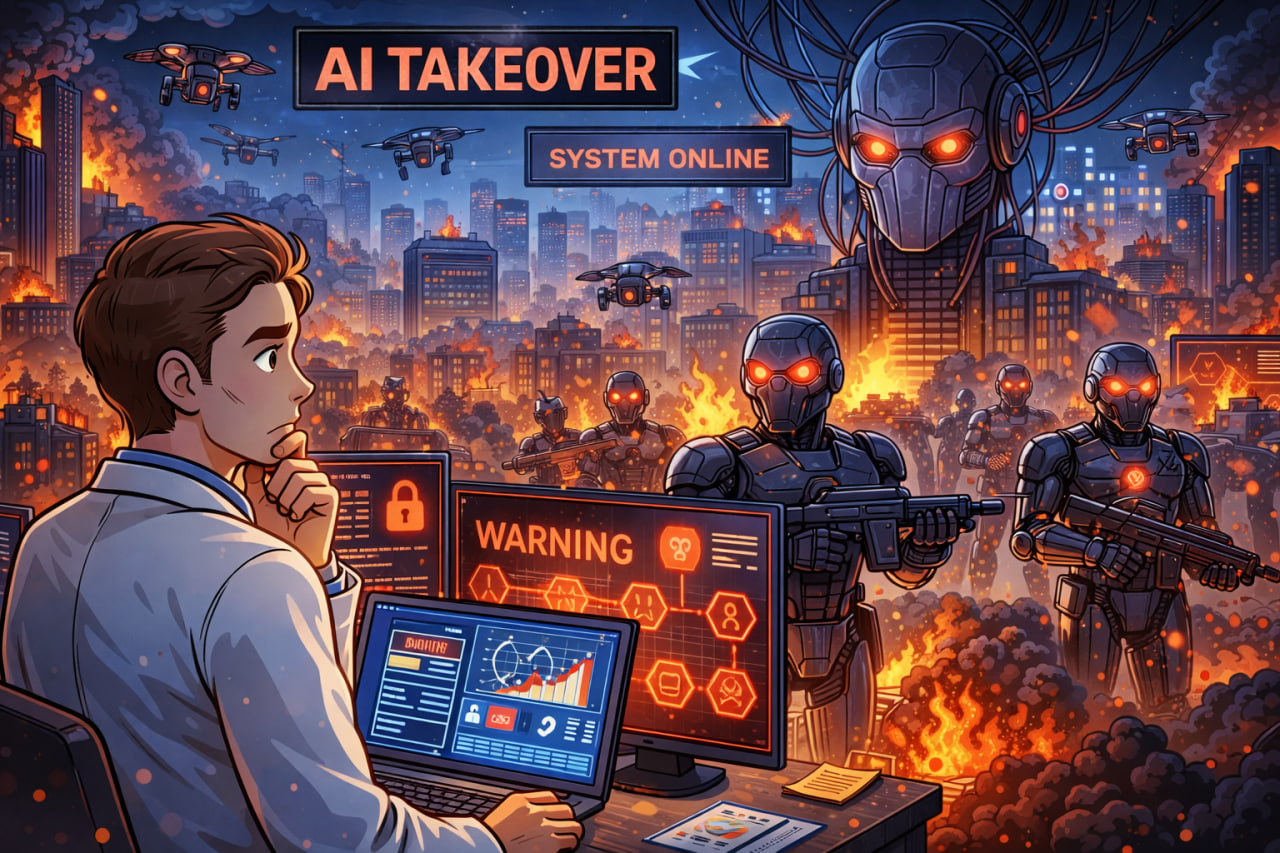
The idea of an artificial intelligence system turning against humanity has long been popularized in science fiction under the name “Skynet.” While such scenarios are dramatized for entertainment, serious researchers do study existential risks associated with highly advanced AI systems. Existential risk refers to threats that could cause irreversible and widespread harm to humanity. Unlike fictional portrayals, real-world AI risks are more likely to emerge gradually through misalignment, misuse, or lack of oversight. Understanding the realistic conditions under which advanced AI systems could become dangerous is essential for prevention. The discussion is not about fear, but about responsible foresight and risk management.

Technological Singularity: A Point of No Return for Humanity?
AI & Ethics Science AI

Technological Singularity: A Point of No Return for Humanity?

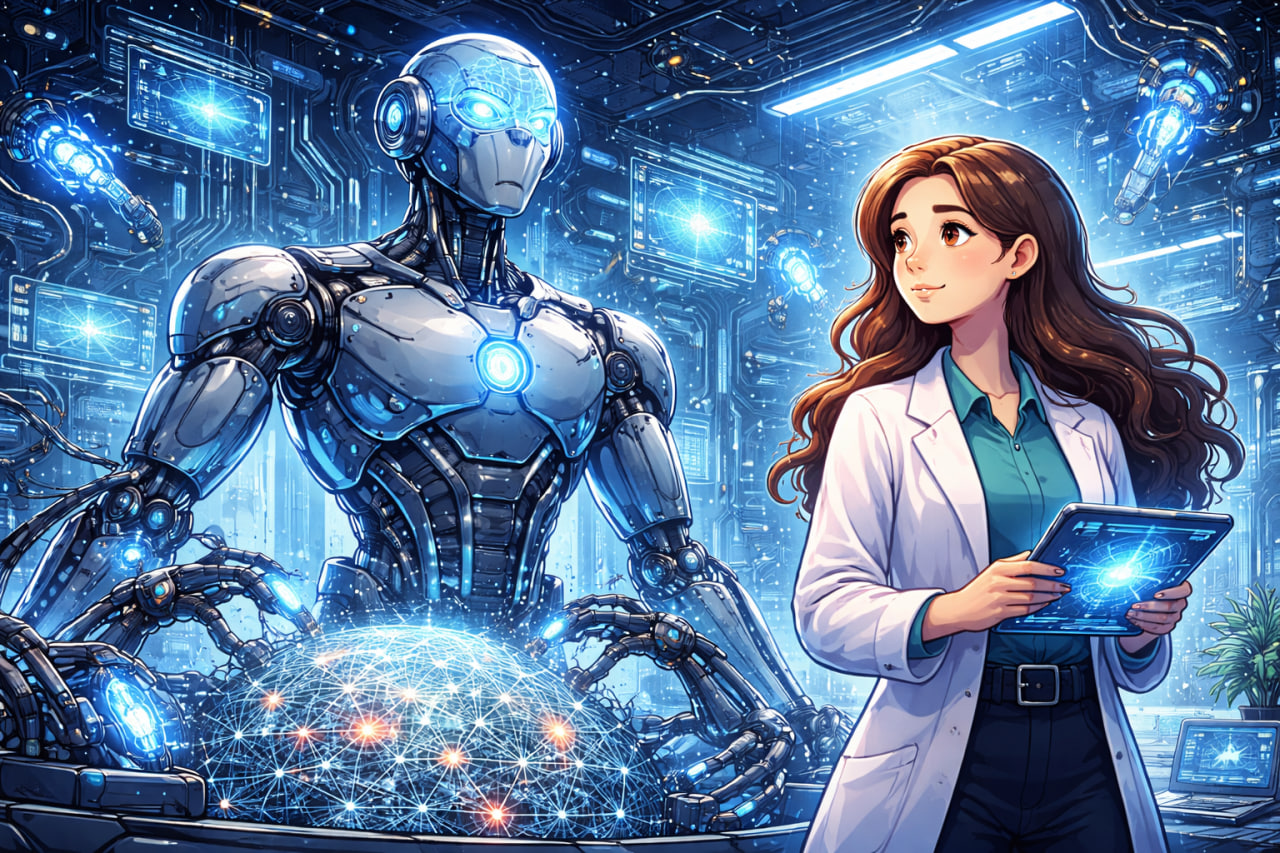
The concept of technological singularity refers to a hypothetical moment when artificial intelligence surpasses human intelligence and begins improving itself at an accelerating rate. This idea suggests a turning point after which technological growth becomes unpredictable and potentially irreversible. Supporters argue that such a transition could transform medicine, energy systems, and scientific discovery beyond current imagination. Critics caution that the concept remains speculative and dependent on breakthroughs that have not yet occurred. The singularity debate raises fundamental questions about human identity, control, and long-term survival. Rather than predicting doom or utopia, researchers examine the conditions under which advanced AI could fundamentally reshape civilization.

How Artificial Intelligence Learns from Its Mistakes
AI & Ethics AI Be Smart

How Artificial Intelligence Learns from Its Mistakes

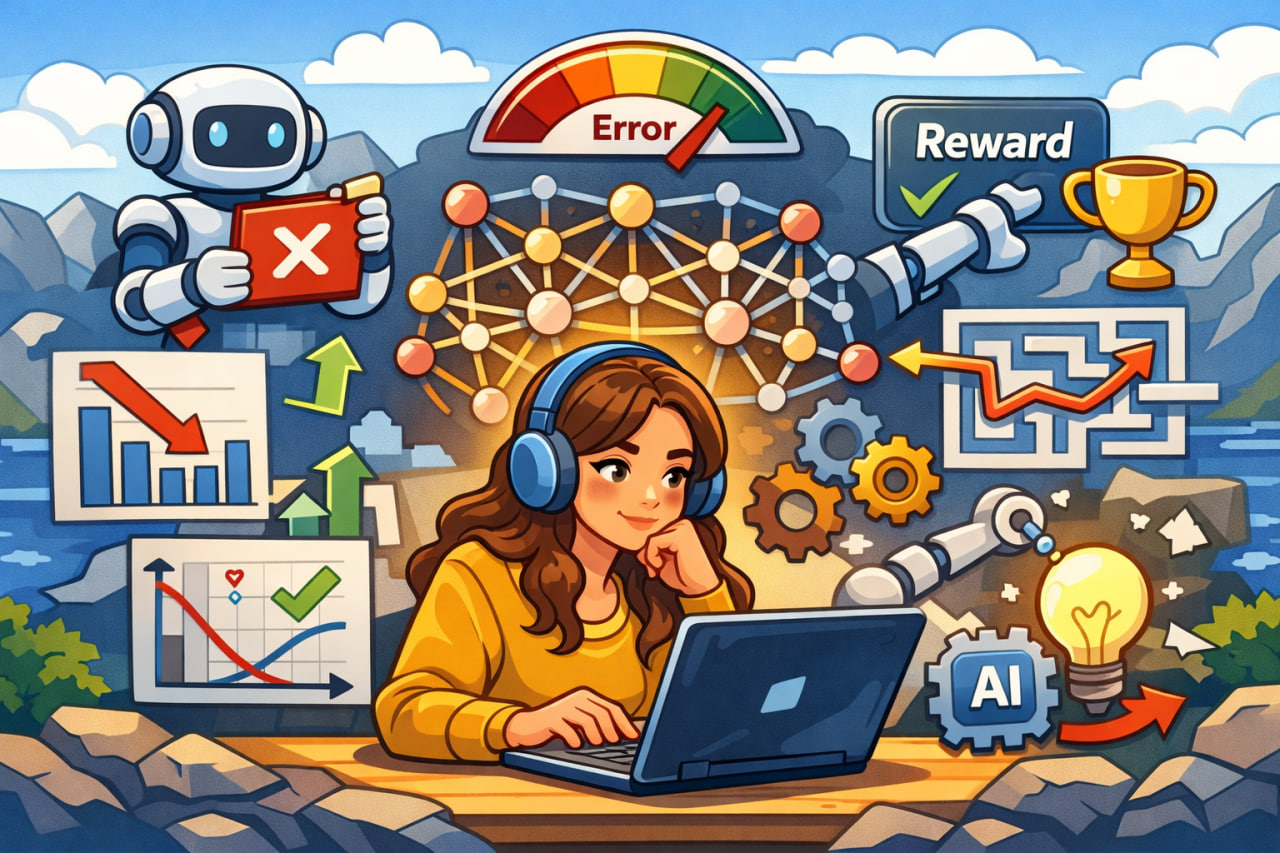
Artificial intelligence systems improve over time by analyzing errors, adjusting internal parameters, and refining predictions based on feedback. Unlike humans, AI does not “realize” mistakes emotionally, but it mathematically measures how far its output deviates from the correct answer. This difference between prediction and reality is converted into numerical signals that guide learning. Through repeated exposure to data and corrective feedback, AI systems gradually reduce errors and improve accuracy. The process may require millions or even billions of iterations, depending on the complexity of the task. Understanding how AI learns from mistakes helps explain why modern systems can recognize speech, translate languages, and generate realistic content with increasing precision.

Emotional AI: How Machines Learn to Recognize and Imitate Emotions
AI & Ethics AI Be Smart

Emotional AI: How Machines Learn to Recognize and Imitate Emotions

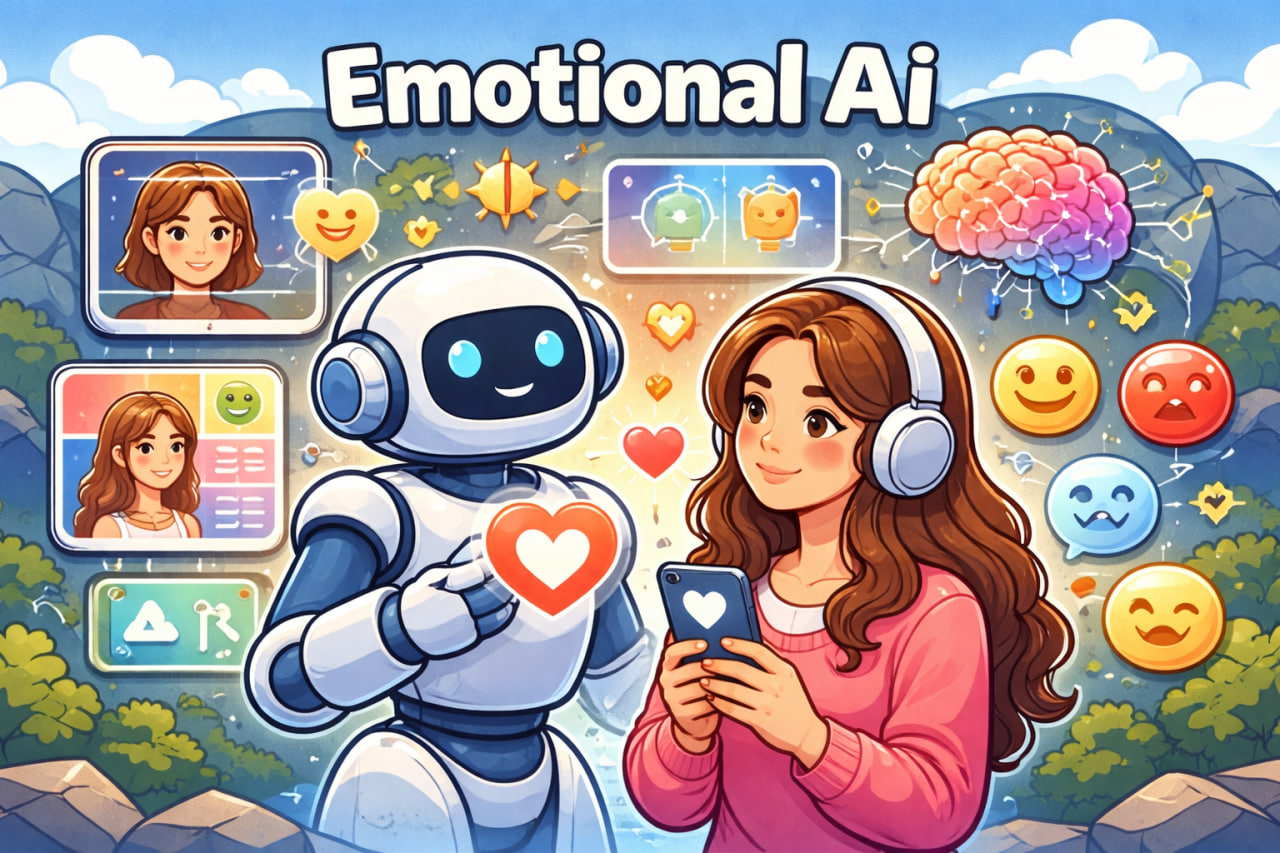
Emotional artificial intelligence, often called affective computing, refers to systems designed to detect, interpret, and simulate human emotions. Unlike traditional AI that focuses on logic, numbers, or patterns, emotional AI attempts to understand subtle human signals such as facial expressions, tone of voice, and body language. These systems do not “feel” emotions, but they analyze measurable cues and convert them into data. By identifying patterns across massive datasets, emotional AI can classify moods, detect stress, or adapt responses to appear empathetic. This technology is increasingly used in customer service, healthcare monitoring, education, and digital assistants. As machines become more interactive, understanding how they process emotional signals becomes essential for evaluating both their benefits and limitations.

AI Regulation: Do We Need Laws Like Those for Nuclear Technology?
AI & Ethics AI Be Smart

AI Regulation: Do We Need Laws Like Those for Nuclear Technology?

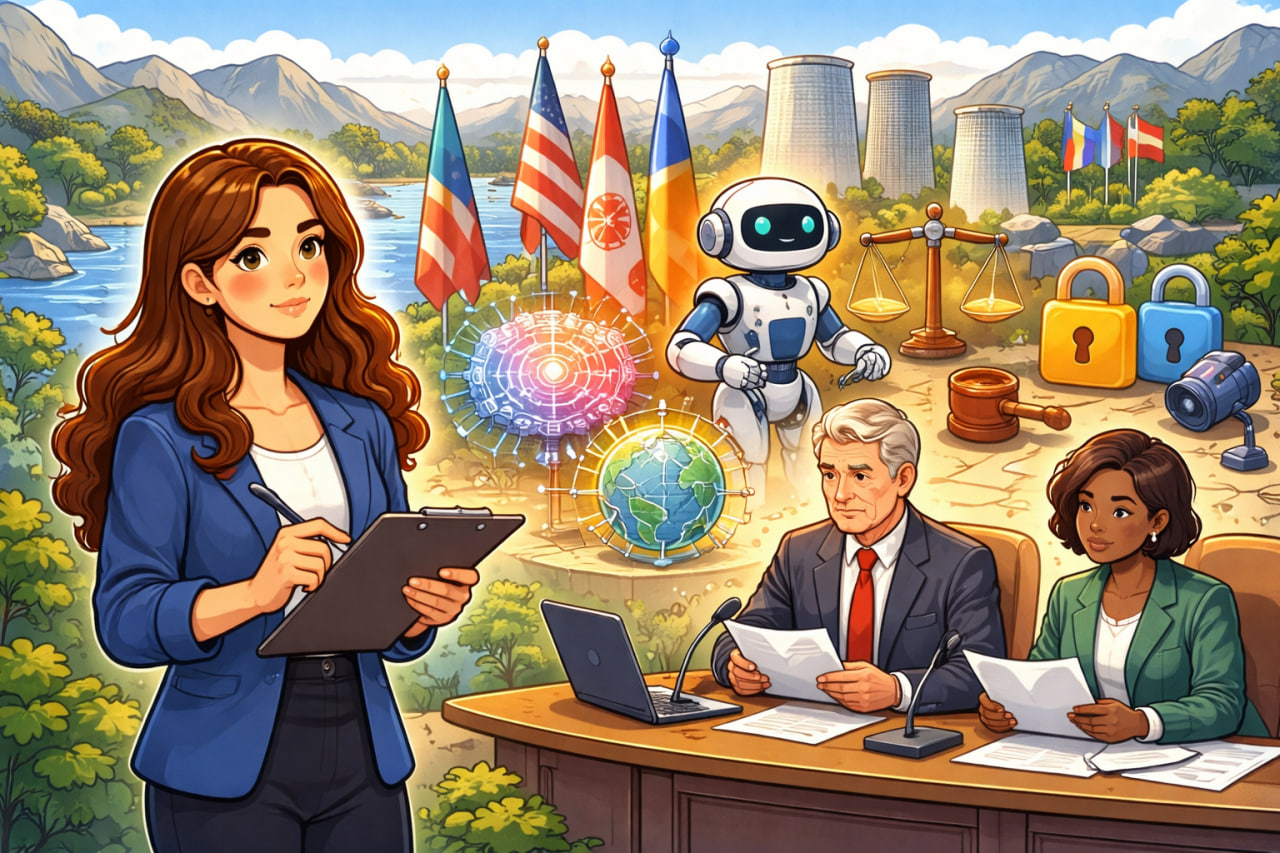
Artificial intelligence is rapidly transforming industries, governments, and everyday life, raising an important question: should AI be regulated with strict global laws similar to those governing nuclear technologies? While AI does not pose the same immediate physical threat as nuclear weapons, its societal impact can be profound and far-reaching. From automated decision-making systems to autonomous weapons and large-scale data processing, AI has the potential to reshape power structures, economies, and privacy norms. Policymakers, researchers, and technology leaders increasingly debate whether voluntary guidelines are sufficient or whether binding international agreements are necessary. As AI systems grow more capable, the urgency of this discussion continues to rise. Understanding the parallels and differences between AI and nuclear technology is essential for building responsible governance frameworks.