Be Smart

AI Transparency and Explainability: Why Did the Model Make That Decision?
AI & Ethics AI Be Smart

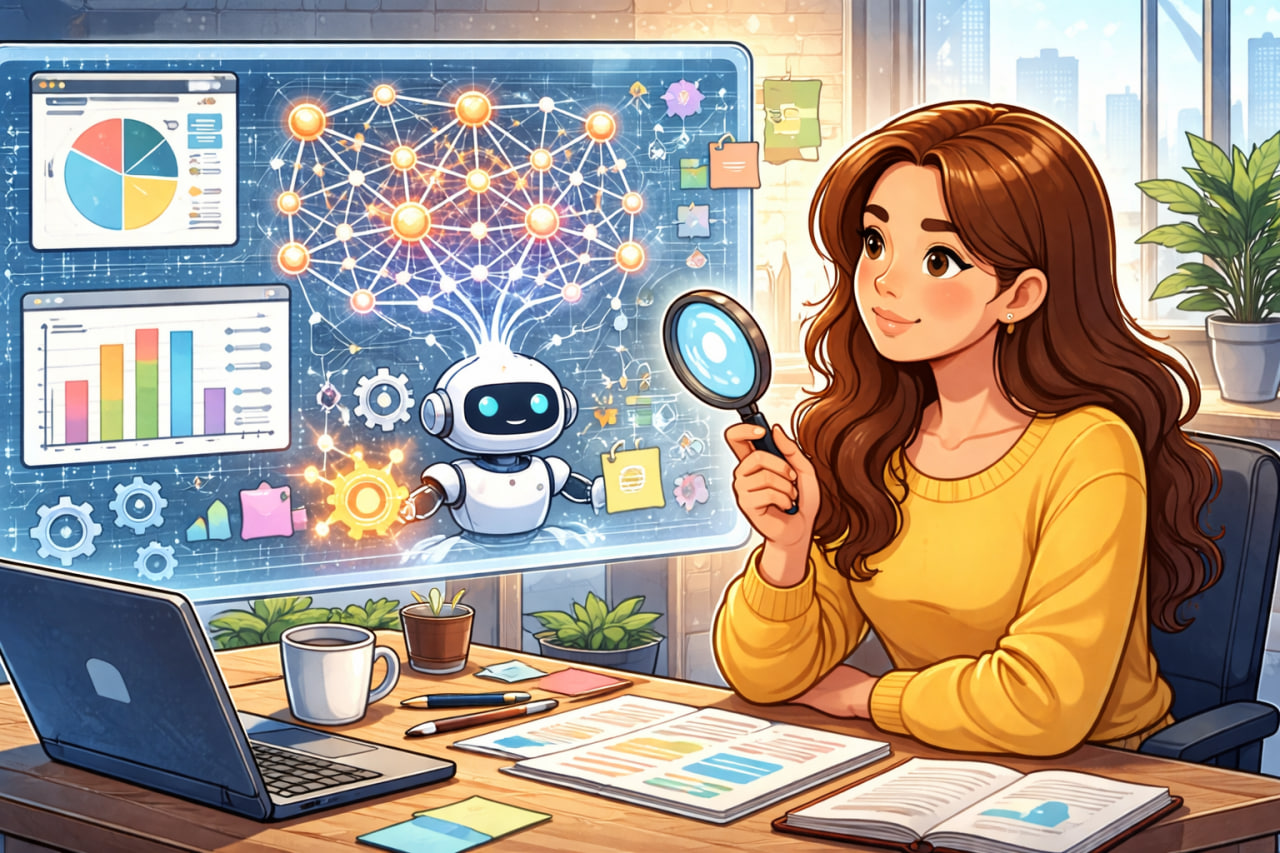
AI Transparency and Explainability: Why Did the Model Make That Decision?

As artificial intelligence systems increasingly influence finance, healthcare, hiring, and public policy, one critical question emerges: why did the model make that decision? Transparency and explainability have become central themes in AI governance because automated decisions can significantly affect human lives. While modern AI models are highly accurate, many of them function as complex “black boxes,” making it difficult to understand how inputs are transformed into outputs. This lack of clarity can reduce trust, complicate regulation, and raise ethical concerns. Explainable AI aims to bridge this gap by making machine reasoning more understandable to humans. As AI systems become more powerful, ensuring accountability through interpretability becomes essential for responsible deployment.

Diffusion Models: How Midjourney and Similar Systems Generate Images
AI & Ethics AI Be Smart

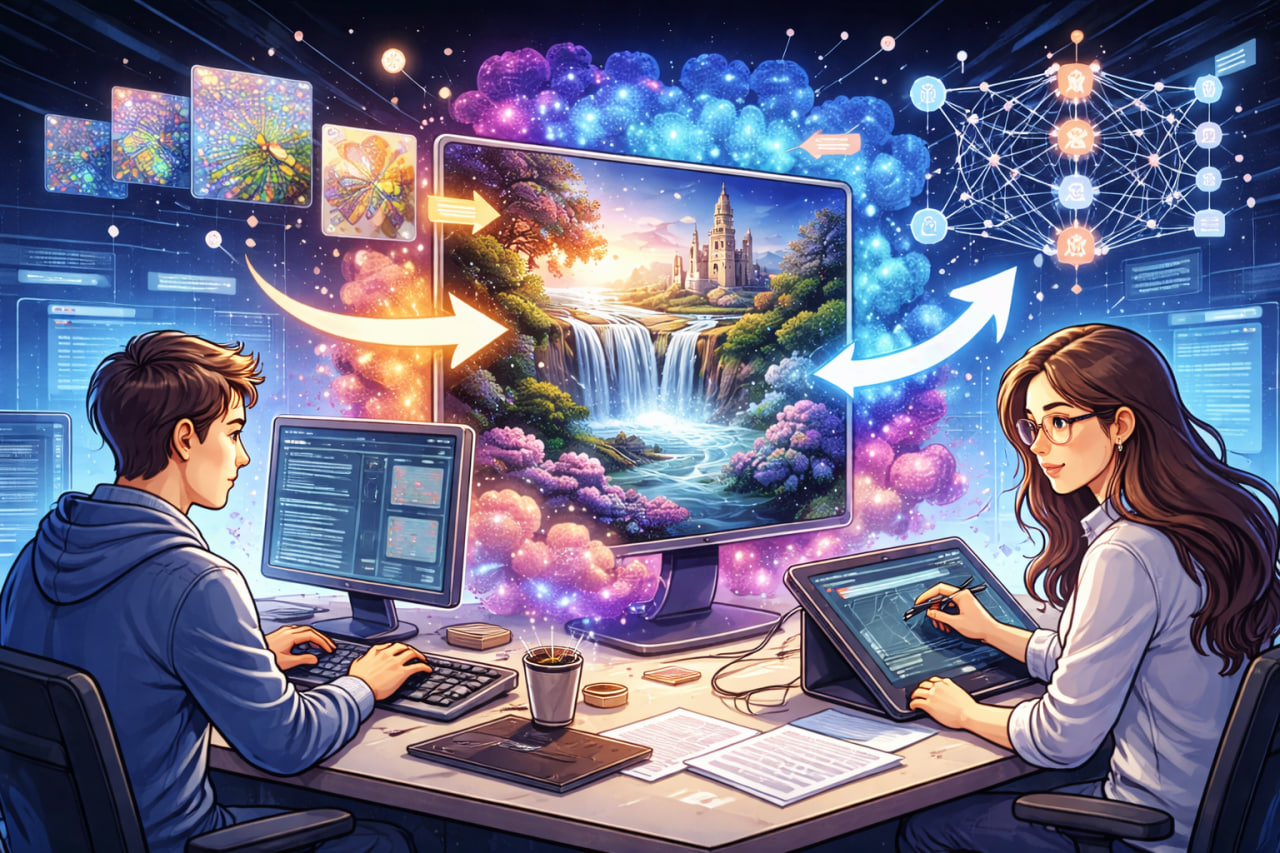
Diffusion Models: How Midjourney and Similar Systems Generate Images

Diffusion models are a class of artificial intelligence systems designed to generate images by gradually transforming noise into structured visuals. In recent years, they have become the foundation of many advanced image-generation tools, including platforms like Midjourney. Unlike earlier generative models that directly predicted pixels in a single pass, diffusion models work through a step-by-step refinement process. They begin with random visual noise and progressively “denoise” it until a coherent image emerges. This approach has significantly improved image realism, artistic flexibility, and prompt responsiveness. Understanding diffusion models helps explain how modern AI art systems function behind the scenes.

Multimodal Models: AI That Sees, Hears, and Understands
AI & Ethics AI Be Smart

Multimodal Models: AI That Sees, Hears, and Understands

Multimodal models are a new generation of artificial intelligence systems capable of processing and integrating multiple types of data—such as text, images, audio, and sometimes video—within a single framework. Unlike traditional AI models that specialize in one format, multimodal systems combine different sensory inputs to produce more context-aware outputs. This allows them to interpret images while reading text, transcribe and analyze speech, or generate descriptions based on visual input. By merging diverse information streams, these models move closer to human-like perception and reasoning. As digital environments become increasingly interconnected, multimodal AI is reshaping how machines interact with the world. Understanding how these systems work reveals why they represent a major step forward in AI development.

Quantum Neural Networks: The Future of Intelligent Computing
Neuro-Tech AI & Ethics AI

Quantum Neural Networks: The Future of Intelligent Computing

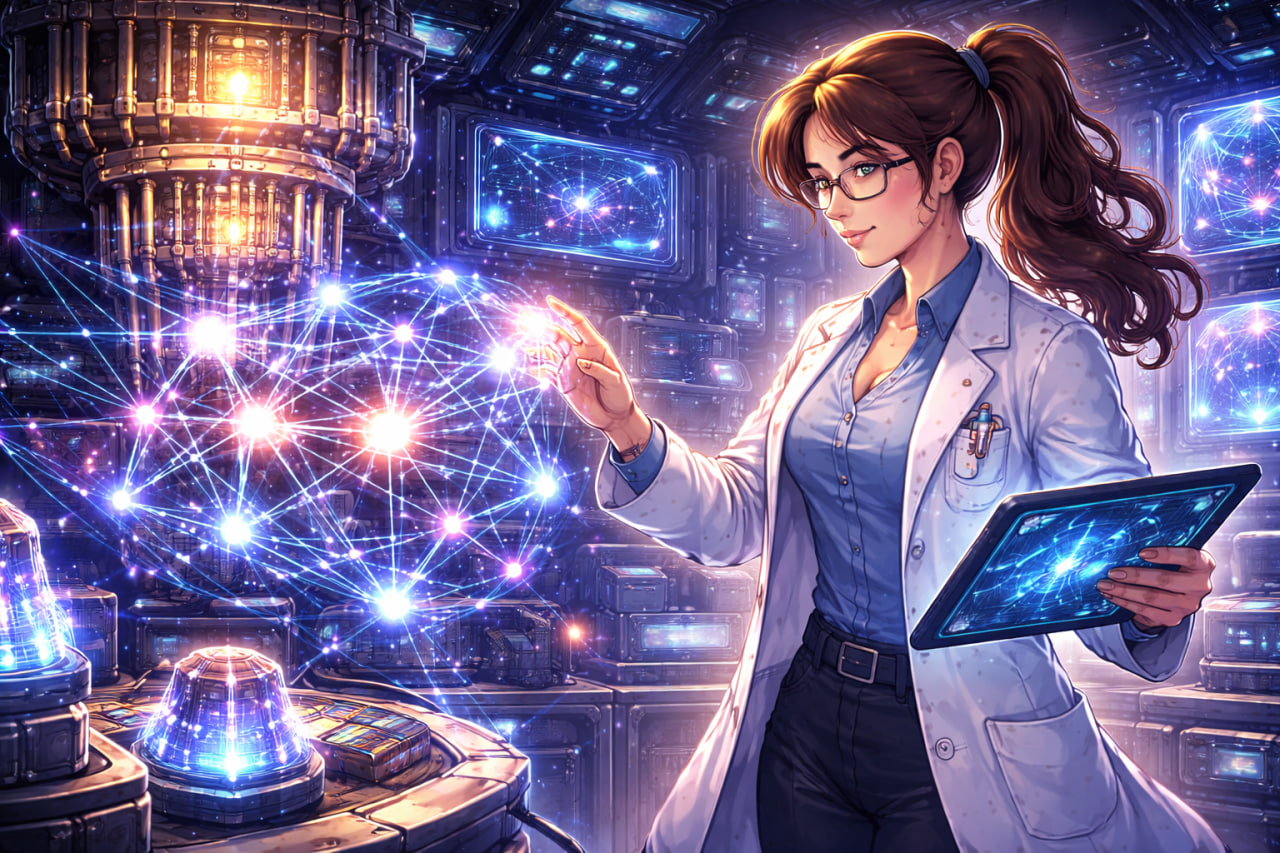
Quantum neural networks (QNNs) represent a cutting-edge fusion of quantum computing and artificial intelligence. While classical neural networks process information using traditional bits (0s and 1s), quantum systems use qubits, which can exist in multiple states simultaneously thanks to superposition. This fundamental difference opens the possibility for dramatically enhanced computational power in certain tasks. Researchers believe that quantum neural networks could one day solve problems too complex for even the most advanced classical supercomputers. Although still largely experimental, QNNs are attracting significant attention in physics, computer science, and AI research. Understanding how they work requires exploring both quantum mechanics and machine learning principles.

Open Source in AI: The Race Between Tech Giants and the Public
AI & Ethics AI Be Smart

Open Source in AI: The Race Between Tech Giants and the Public

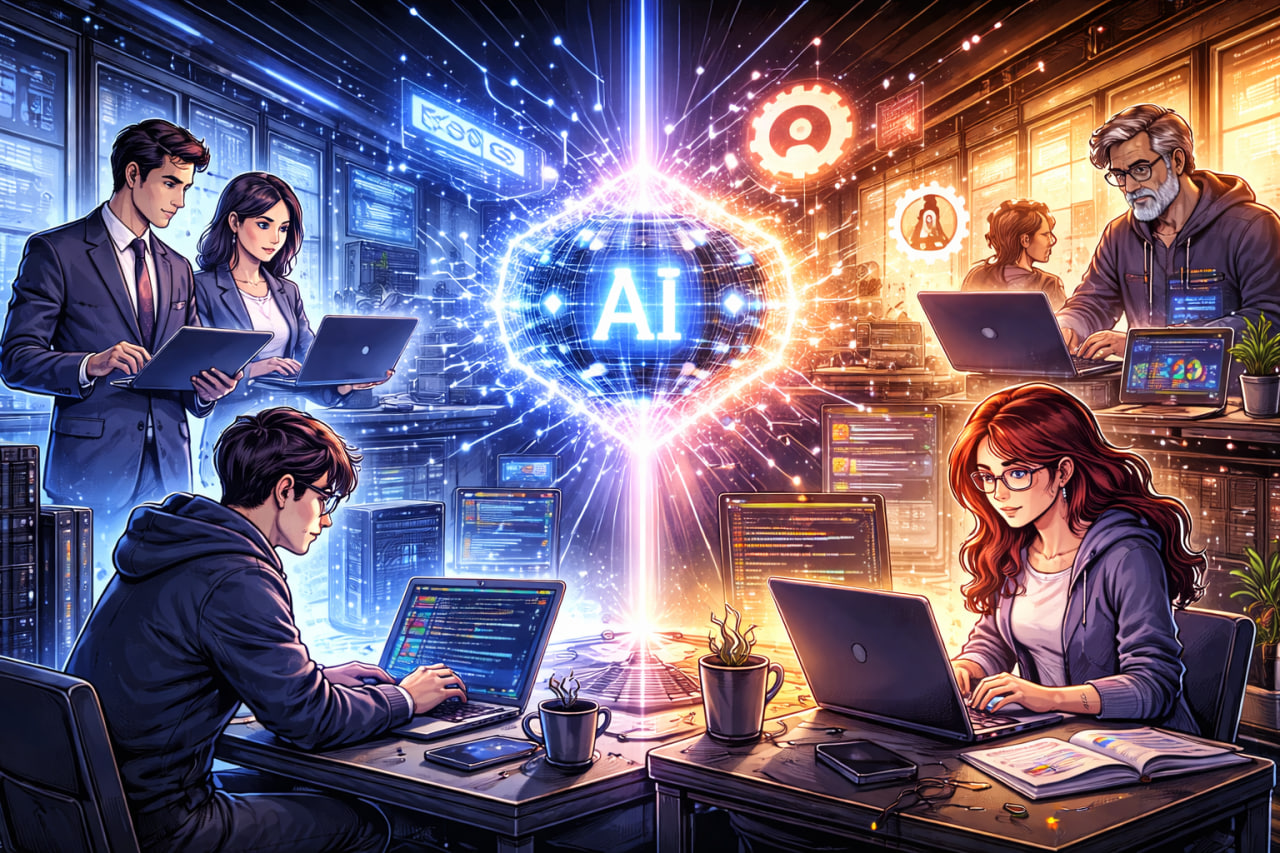
Open source in artificial intelligence has become one of the most debated topics in modern technology. On one side stand large technology corporations investing billions into proprietary AI systems; on the other, researchers, startups, and independent developers advocating for open models and transparent development. This dynamic creates a tension between commercial control and public accessibility. Open-source AI promises democratization of innovation, but it also raises concerns about safety, misuse, and competitive advantage. As artificial intelligence reshapes economies and societies, the balance between openness and regulation becomes increasingly significant. Understanding this landscape requires examining both the opportunities and the risks.

What a Car Catalytic Converter Is, Why It Is Needed, and How It Works
New Discoveries Be Smart Inventions

What a Car Catalytic Converter Is, Why It Is Needed, and How It Works

A catalytic converter is a critical component of a modern car’s exhaust system, designed to reduce harmful emissions before they are released into the atmosphere. Although it works silently and is often unnoticed by drivers, this device plays a major role in protecting air quality and human health. As engines burn fuel, they produce toxic gases that would be extremely dangerous if released untreated. The catalytic converter transforms these substances into less harmful compounds through chemical reactions. Understanding how it works helps explain why it is essential for environmental protection and why its failure can lead to serious mechanical and legal problems.

Leonardo da Vinci: The Mind That Shaped the Renaissance
History Science Be Smart

Leonardo da Vinci: The Mind That Shaped the Renaissance

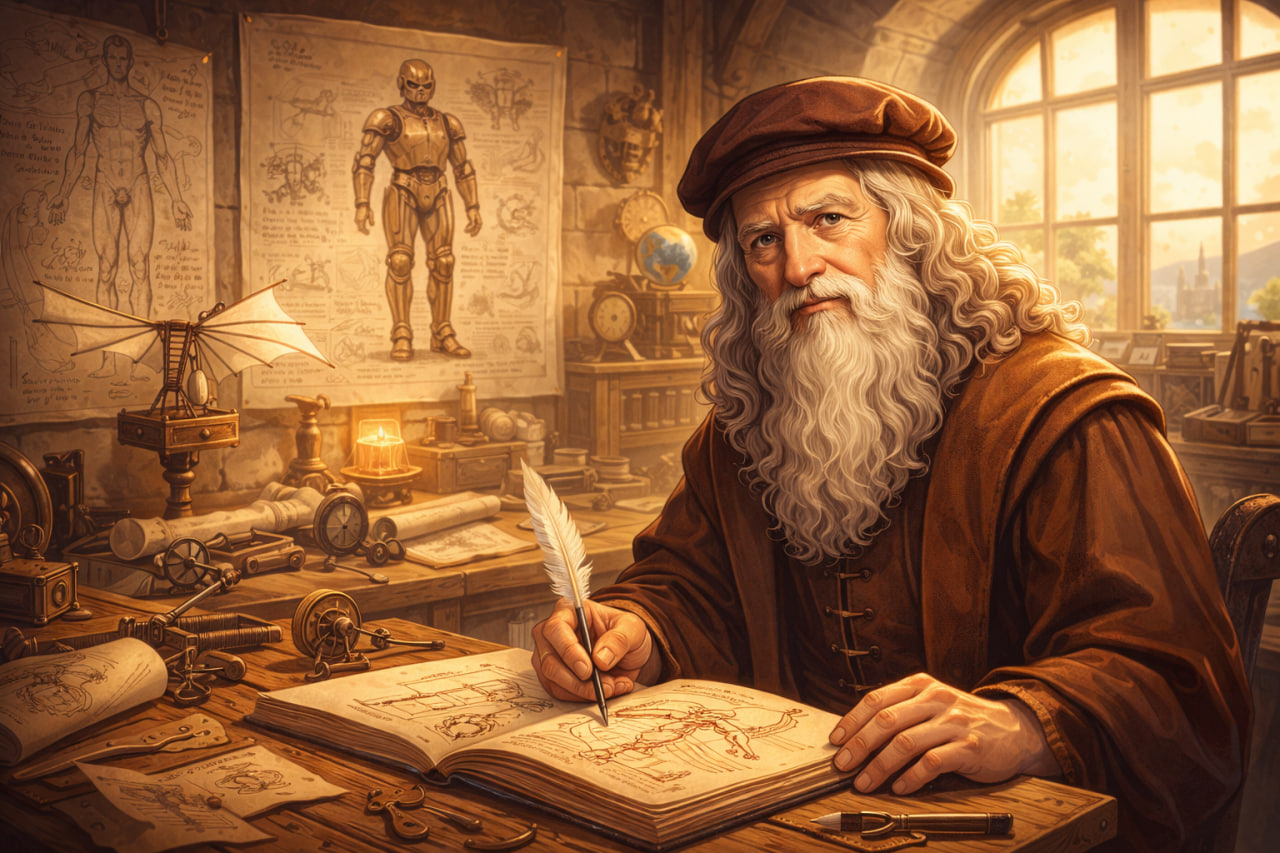
Leonardo da Vinci is widely regarded as one of the most extraordinary minds in human history, a figure whose influence extends far beyond art alone. Living during the Renaissance, he embodied the ideal of the universal genius, mastering painting, anatomy, engineering, architecture, and natural science. Leonardo approached the world with relentless curiosity, believing that direct observation and experimentation were the keys to understanding reality. His notebooks reveal a mind constantly questioning how nature works, how the human body moves, and how machines could imitate life. Even centuries after his death, Leonardo remains a symbol of the limitless potential of human creativity and intellect.

The History of Robotics: From Mechanical Dreams to Intelligent Machines
History Science Be Smart

The History of Robotics: From Mechanical Dreams to Intelligent Machines

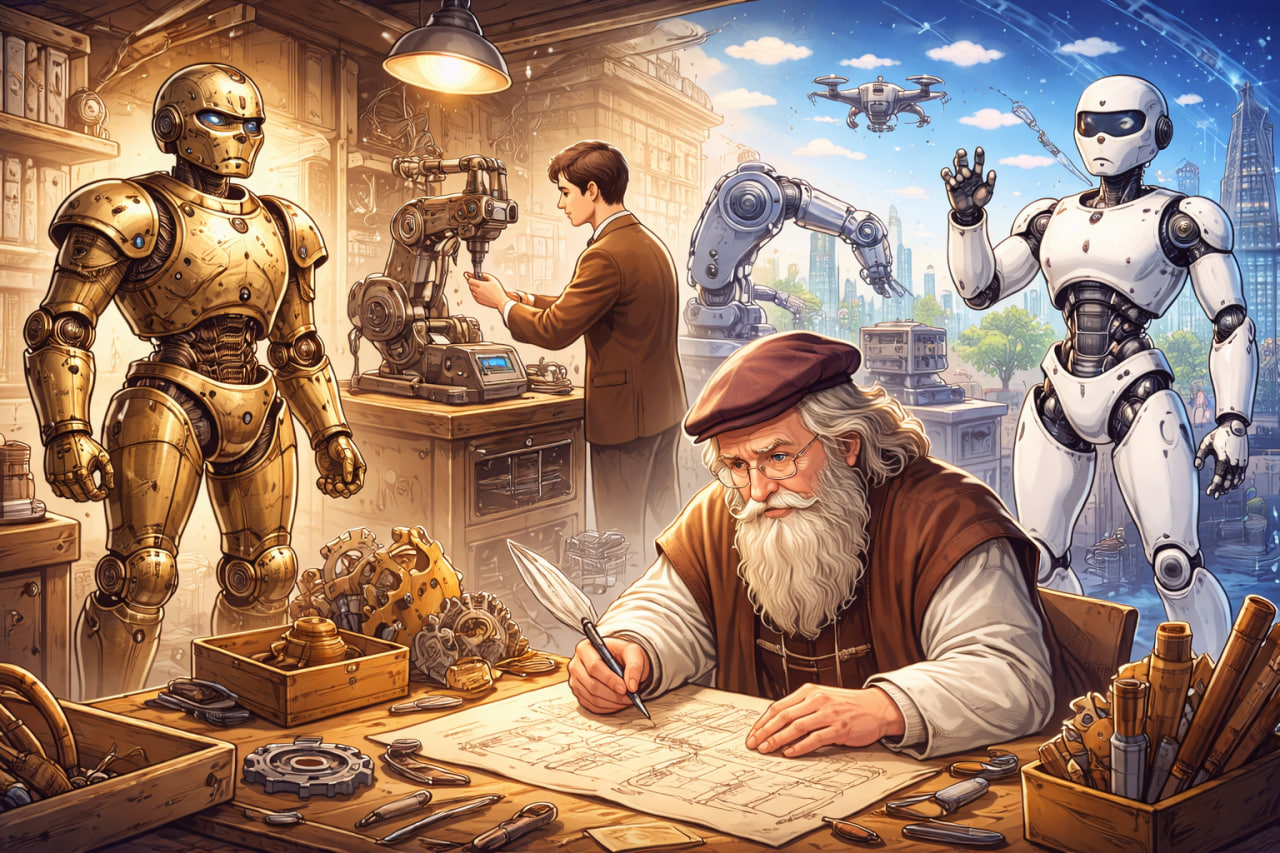
Robotics is often associated with futuristic technology, but its roots stretch deep into human history. Long before computers and artificial intelligence existed, people imagined and built mechanical devices that could imitate living beings or perform tasks automatically. Over centuries, these ideas evolved from simple mechanical toys into complex machines capable of perception, movement, and decision-making. The history of robotics reflects humanity’s desire to extend physical abilities, reduce labor, and explore the boundary between machines and life. Understanding this history helps explain how modern robots emerged and where the field may be heading next.

Leonardo da Vinci’s Mechanical Knight
History Science Be Smart

Leonardo da Vinci’s Mechanical Knight

Leonardo da Vinci’s Mechanical Knight is considered one of the earliest known concepts of a humanoid robot in human history. Designed around the year 1495, this remarkable invention demonstrates how far ahead of his time Leonardo was in combining anatomy, mechanics, and imagination. Although the knight was never built during Leonardo’s lifetime, detailed sketches discovered centuries later reveal a surprisingly sophisticated mechanical system. The Mechanical Knight was not merely a fantasy; it was a functional engineering concept based on precise observation of the human body. Today, it stands as a powerful symbol of the origins of robotics and human–machine design.

Can a Black Hole Be Used as a Source of Energy?
Space Stories Universe Be Smart

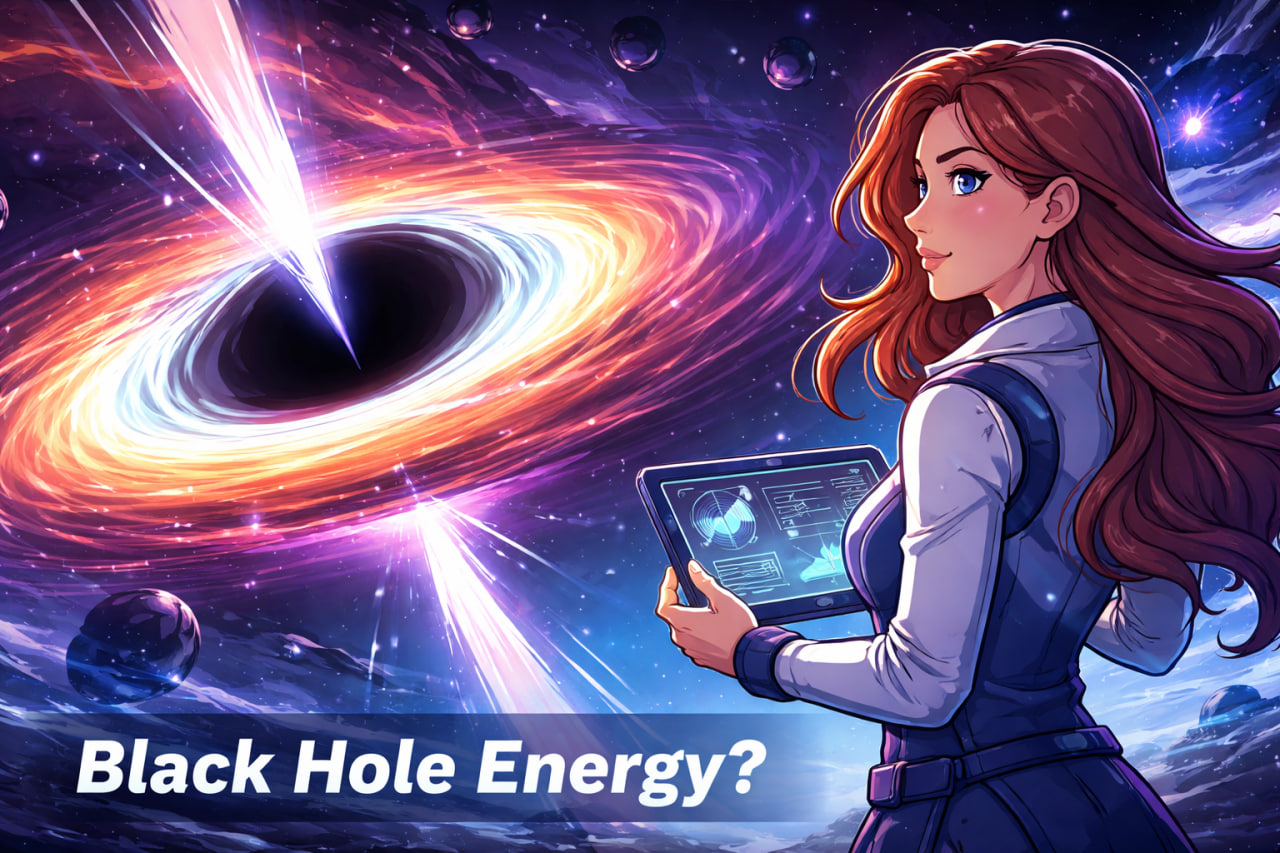
Can a Black Hole Be Used as a Source of Energy?

Black holes are often imagined as cosmic destroyers that consume everything around them, but modern physics suggests a far more complex picture. Under certain conditions, black holes may act not only as sinks of matter and energy, but also as potential sources of usable energy. This idea, once purely theoretical, has been explored seriously by physicists studying general relativity, quantum mechanics, and astrophysics. While harvesting energy from a black hole remains far beyond current technological capabilities, the underlying principles reveal fascinating insights into how extreme objects interact with space, time, and energy. Understanding these mechanisms helps scientists test the limits of known physics and imagine future civilizations operating on cosmic scales.