Be Smart

Fast Neutron Reactors
Hi-Tech Science New Discoveries

Fast Neutron Reactors

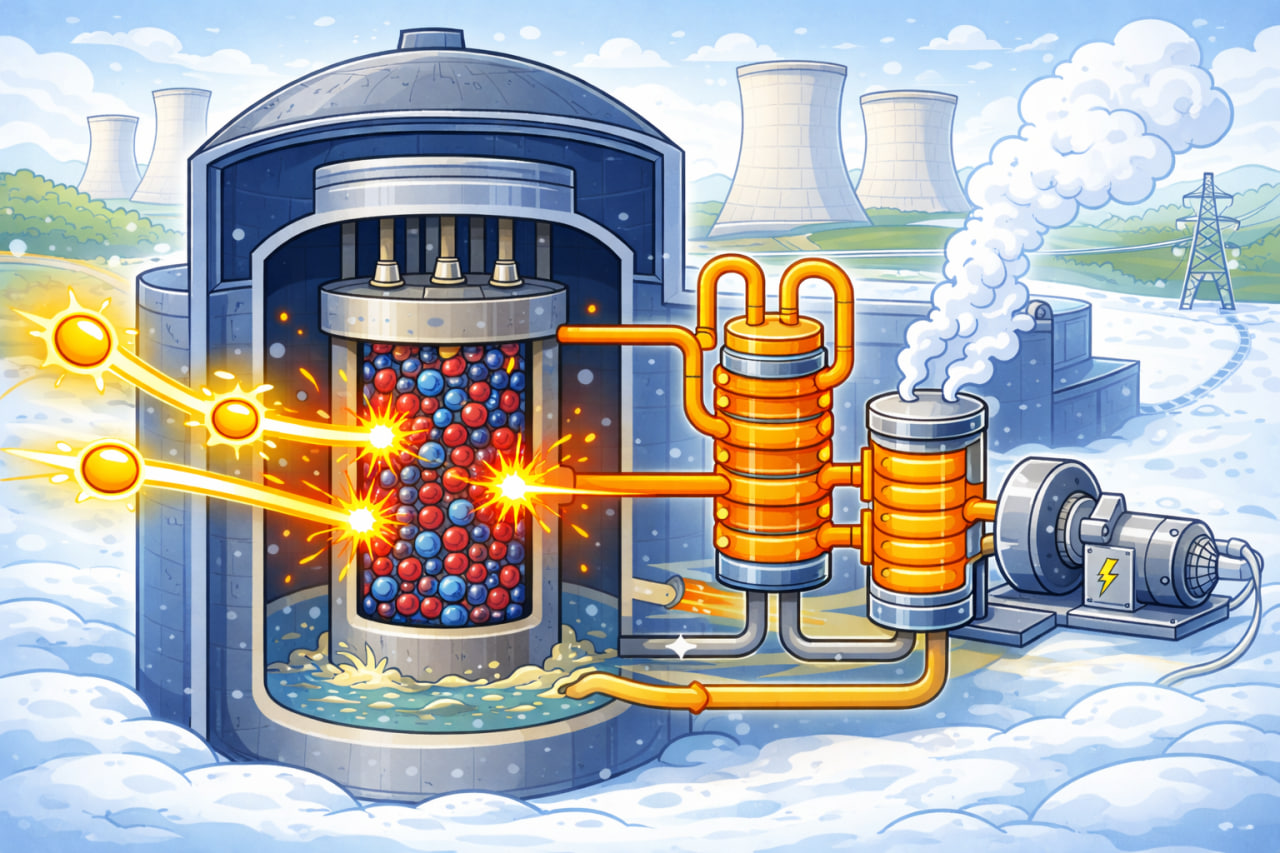
Fast neutron reactors are one of the most advanced and conceptually important technologies in nuclear energy. Unlike conventional nuclear reactors, they operate using fast (high-energy) neutrons rather than slowed, or thermal, neutrons. This fundamental difference allows them to use nuclear fuel more efficiently and opens possibilities that traditional reactors cannot achieve. Fast reactors are often discussed in the context of long-term energy sustainability, nuclear waste reduction, and advanced fuel cycles. Although technologically complex, they represent a significant step in the evolution of nuclear power. Understanding how fast neutron reactors work helps explain why they attract both scientific interest and public debate.

Nanocellulose: A Tiny Material With Huge Potential
Hi-Tech Science New Discoveries

Nanocellulose: A Tiny Material With Huge Potential

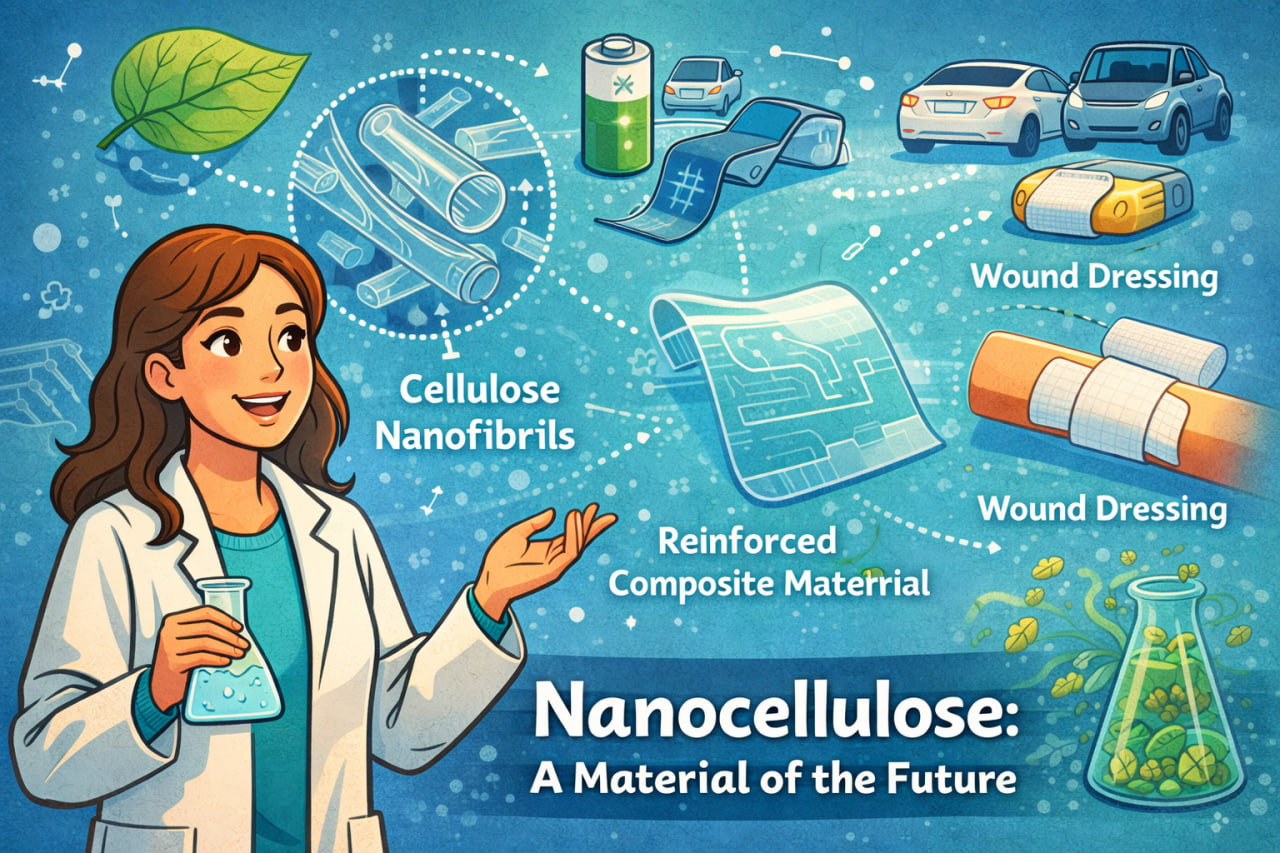
Nanocellulose is an advanced material derived from one of the most common natural substances on Earth — cellulose. Despite its natural origin, nanocellulose exhibits exceptional mechanical strength, low weight, and remarkable versatility at the nanoscale. These properties make it a promising solution for challenges in materials science, medicine, energy, and sustainability. As industries seek alternatives to plastics and carbon-intensive materials, nanocellulose has emerged as a strong candidate due to its renewable nature and low environmental footprint. Scientists continue to explore how manipulating cellulose fibers at the nanometer level unlocks entirely new behaviors not seen in bulk materials. Understanding nanocellulose is key to understanding the future of sustainable high-performance materials.

The Shipov Theory of Physical Vacuum
Universe Science New Discoveries

The Shipov Theory of Physical Vacuum

The theory of the physical vacuum proposed by Georgy Shipov represents one of the most controversial and unconventional concepts in modern theoretical physics. Unlike standard models that describe vacuum as a quantum field with fluctuating energy, Shipov’s approach treats the vacuum as a structured, dynamic medium with its own geometry and physical properties. This theory attempts to go beyond classical general relativity and quantum field theory by introducing additional degrees of freedom linked to space-time itself. Although not accepted within mainstream physics, the theory has attracted attention for its ambition to unify gravity, inertia, and fundamental interactions. Understanding Shipov’s ideas requires distinguishing between established physics and speculative theoretical frameworks. For this reason, the theory is best approached as a philosophical and mathematical hypothesis rather than an experimentally confirmed model.

The History of Science
History Science Be Smart

The History of Science

The history of science is the story of how humanity gradually learned to understand the world through observation, experimentation, and reasoning. Long before modern laboratories and advanced instruments existed, people sought patterns in nature, the sky, and living organisms. Over centuries, curiosity transformed into systematic knowledge, laying the foundations of modern civilization. Scientific progress did not follow a straight path; it advanced through trial and error, debates, breakthroughs, and sometimes resistance. Each era added new tools, methods, and perspectives that reshaped how reality was interpreted. Studying the history of science helps us understand not only scientific discoveries, but also how human thinking itself evolved.

Ulexite: The “Television Stone” of the Mineral World
Science New Discoveries Be Smart

Ulexite: The “Television Stone” of the Mineral World

Ulexite is a rare and visually striking mineral that has fascinated scientists and collectors for over a century. Often referred to as the “television stone,” ulexite possesses unusual optical properties that allow it to transmit images from one surface to another. At first glance, it may look like a bundle of silky white fibers or soft crystalline strands, but its internal structure hides remarkable physical behavior. Ulexite forms in arid environments where evaporation concentrates mineral-rich waters, making it a product of very specific geological conditions. Beyond its visual appeal, ulexite plays an important role in industrial processes due to its high boron content. Understanding ulexite means exploring the intersection of geology, physics, and applied materials science.

Starquakes: Cracks in the Strongest Stars in the Universe
Space Stories Universe New Discoveries

Starquakes: Cracks in the Strongest Stars in the Universe

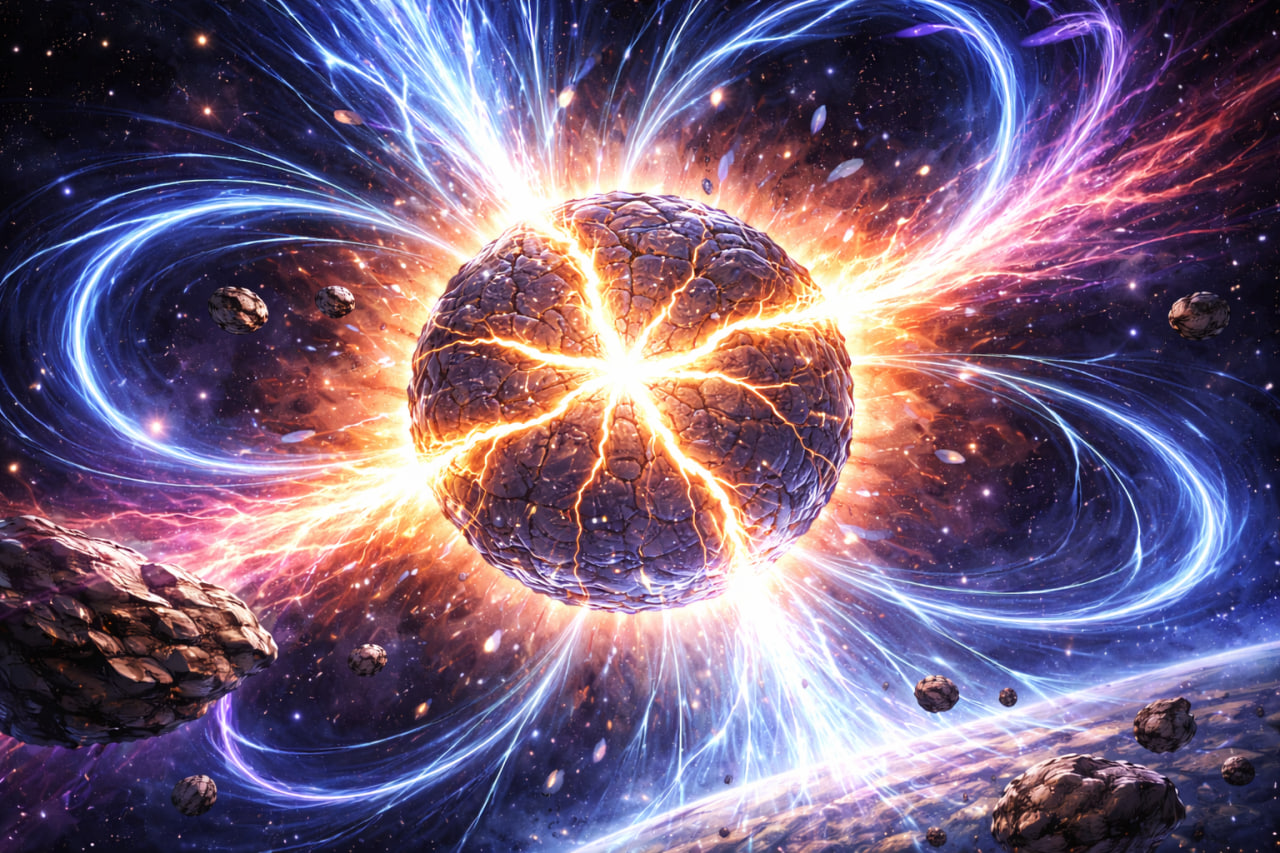
A starquake is one of the most extreme seismic events known in astrophysics. Unlike earthquakes on Earth, starquakes occur on neutron stars, where gravity, density, and magnetic forces reach extraordinary levels. These events involve sudden fractures in a star’s rigid outer crust, releasing vast amounts of energy in a fraction of a second. Although starquakes happen far beyond our solar system, their effects can be detected across the galaxy. Studying starquakes helps scientists understand matter under conditions impossible to replicate on Earth.

The Black Hole Information Paradox: What Happens to Information?
Space Stories Universe New Discoveries

The Black Hole Information Paradox: What Happens to Information?

The black hole information paradox is one of the deepest unresolved problems at the intersection of gravity, quantum mechanics, and cosmology. It arises from an apparent contradiction between two foundational principles of modern physics: the laws of quantum mechanics, which state that information is never destroyed, and general relativity, which predicts that anything falling into a black hole may be lost forever. This tension has challenged physicists for decades, forcing a re-examination of how space, time, and information are fundamentally connected. The paradox is not just about black holes—it questions whether the laws of physics are internally consistent.

What Is Thermodynamics?
Science Be Smart

What Is Thermodynamics?

Thermodynamics is a fundamental branch of physics that describes how energy, heat, and work interact in physical systems. It does not focus on individual particles, but on collective behavior—how large numbers of particles give rise to measurable properties such as temperature and pressure. Thermodynamics applies equally to engines, living organisms, stars, and the universe as a whole. Despite its abstract nature, it governs many everyday processes, from boiling water to how the atmosphere circulates. At its core, thermodynamics explains why certain processes happen naturally while others do not.

Neutron Star Mergers: The Cosmic Factories of Gold and Platinum
Space Stories Universe Be Smart

Neutron Star Mergers: The Cosmic Factories of Gold and Platinum

For much of the twentieth century, the origin of the heaviest elements in the universe remained an open question. While stars are known to forge elements like carbon and iron, they cannot easily explain the existence of large quantities of gold, platinum, and other heavy metals. The solution emerged only recently with the observation of neutron star mergers—violent cosmic collisions that create conditions unlike anything else in the universe. These rare events act as natural element factories, producing and dispersing heavy elements across space. Understanding neutron star mergers has fundamentally changed how science explains the chemical richness of the cosmos.

What Is the Arrow of Time?
Science New Discoveries Be Smart

What Is the Arrow of Time?

The arrow of time is a concept used in physics to describe the apparent one-way direction of time—from past to future. While most fundamental physical laws work the same whether time moves forward or backward, everyday experience tells a different story. Ice melts but does not spontaneously refreeze, broken objects do not reassemble, and memories exist only of the past, not the future. The arrow of time attempts to explain why time seems to flow in a single direction despite time-symmetric laws at the microscopic level. This question lies at the intersection of thermodynamics, cosmology, and philosophy.