Be Smart

Tides and Ebb: Why Seas Rise and Fall
Science Be Smart Earth & Moon

Tides and Ebb: Why Seas Rise and Fall

Tides and ebbs are one of the most visible and rhythmic natural phenomena on Earth, shaping coastlines and influencing life in the oceans. Every day, sea levels rise and fall in a predictable pattern, affecting navigation, marine ecosystems, and human activity near coasts. While tides may seem simple at first glance, they are the result of complex gravitational interactions between Earth, the Moon, and the Sun. Understanding tides helps scientists better predict ocean behavior and reveals how celestial mechanics directly affect daily life on our planet. These regular movements of water connect Earth’s oceans to the dynamics of the wider Solar System.

How Social Networks Compete for User Attention and What Consequences This Leads To
AI & Ethics AI Be Smart

How Social Networks Compete for User Attention and What Consequences This Leads To

Modern social networks operate within a powerful system known as the attention economy, where human focus has become one of the most valuable resources. Platforms no longer compete primarily on functionality or content quality, but on how effectively they can capture, удержать, and repeatedly reclaim user attention. Every notification, scroll, recommendation, and autoplay feature is designed to reduce friction between stimulus and reaction. This competition is largely invisible to users, yet it strongly influences daily habits, emotions, and decision-making. Over time, the struggle for attention reshapes not only individual behavior but also social norms and cultural dynamics. Understanding this mechanism is essential for recognizing its long-term consequences.

How Image Generation Works in ChatGPT
AI & Ethics AI Be Smart

How Image Generation Works in ChatGPT

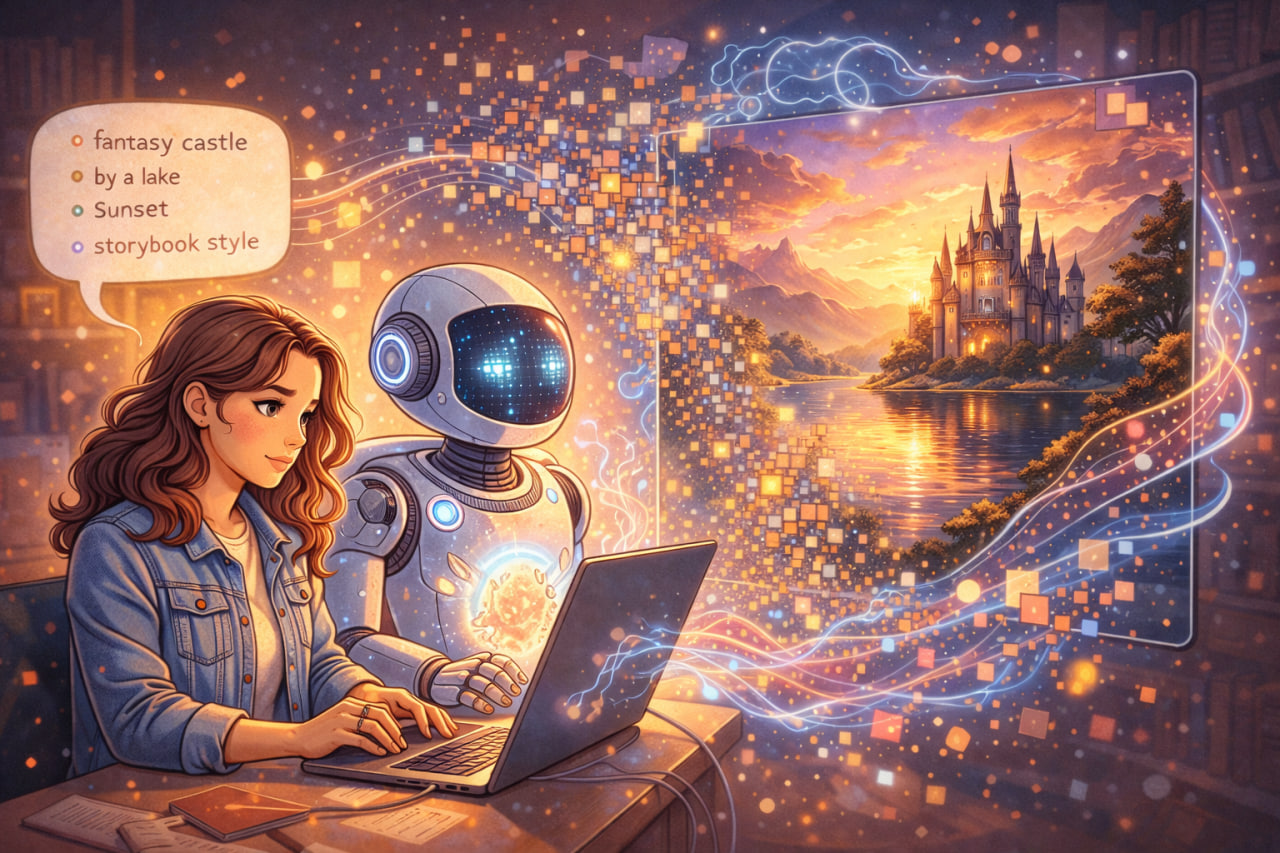
Image generation in ChatGPT is based on advanced artificial intelligence models that translate text descriptions into visual representations. Instead of searching for existing images, the system creates new images from scratch, guided entirely by the user’s prompt. This process relies on large neural networks trained on vast datasets that include relationships between words, concepts, styles, and visual patterns. When a user requests an image, the model interprets not only objects and scenes, but also mood, composition, lighting, and artistic style. The result is a synthetic image that has never existed before. Understanding how this process works helps explain both its strengths and its limitations.

Like and Dislike Buttons Under ChatGPT Answers: Why They Exist and How They Work
AI & Ethics AI Be Smart

Like and Dislike Buttons Under ChatGPT Answers: Why They Exist and How They Work

Like and dislike buttons under ChatGPT responses are not decorative elements, but an important part of how artificial intelligence systems improve over time. These simple signals allow users to express satisfaction or dissatisfaction with an answer in a direct and efficient way. Unlike comments or long explanations, a single click provides immediate feedback about response quality. This mechanism bridges the gap between human expectations and machine-generated output. Understanding why these buttons exist helps clarify how AI systems evolve and adapt. They represent a key point of interaction between users and AI development.

Do Social Networks Really Know Everything About You?
AI & Ethics AI Be Smart

Do Social Networks Really Know Everything About You?

Social networks are often described as systems that “know everything” about their users, but this statement is only partly true. Platforms do not understand people in a human sense, yet they collect and analyze enormous amounts of behavioral data. Every click, pause, like, scroll, and interaction contributes to a detailed digital profile. These profiles are not built from personal secrets, but from patterns that reveal preferences, habits, and probable future behavior. The power of social networks lies not in knowing who you are, but in predicting what you are likely to do next. Understanding this distinction is key to separating myth from reality.

Unsolved Problems of Modern Science: Questions That Still Challenge Humanity
Science Be Smart

Unsolved Problems of Modern Science: Questions That Still Challenge Humanity

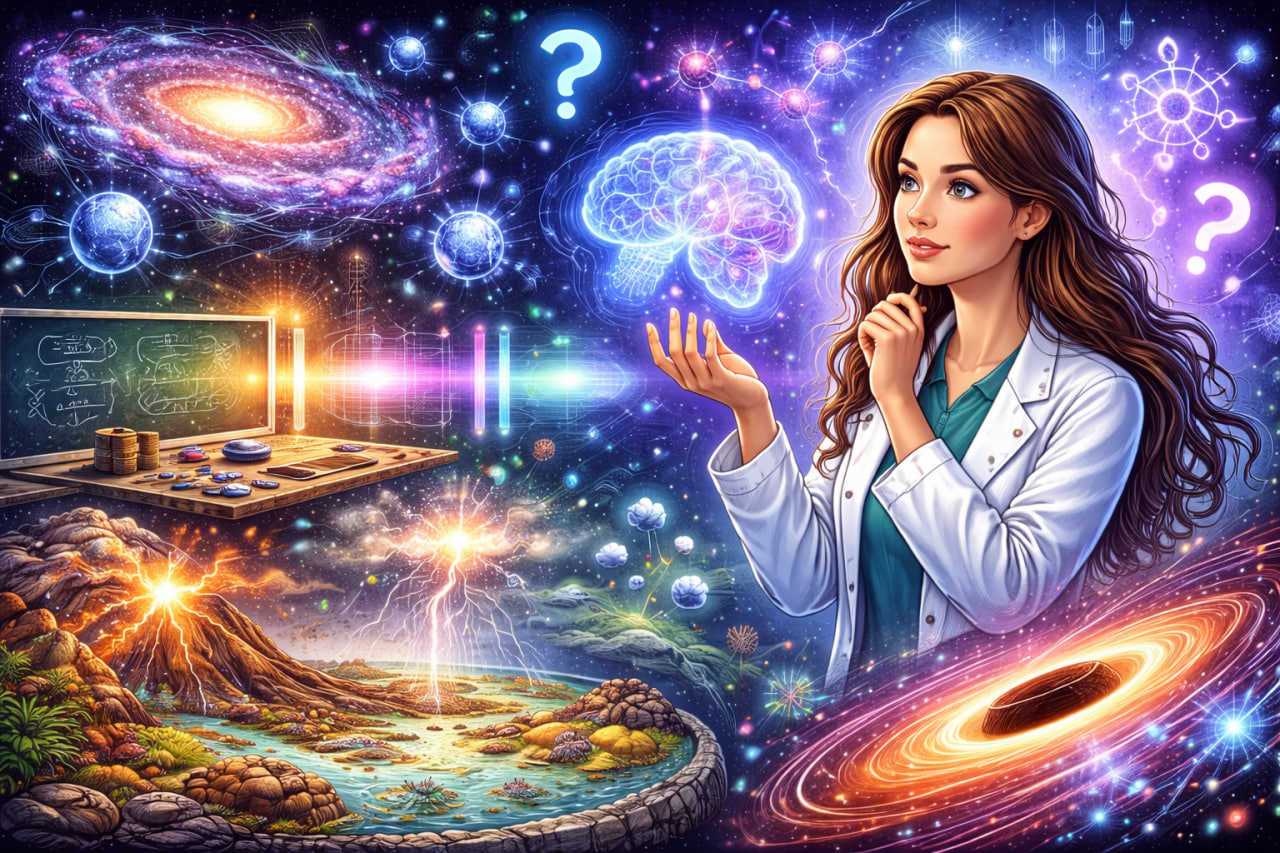
Despite extraordinary technological progress, modern science is still confronted with deep and unresolved questions about the nature of reality, life, and the Universe. These problems persist not because of a lack of intelligence or effort, but because they lie at the very limits of current knowledge and experimental capability. Many of these mysteries influence multiple scientific disciplines at once, linking physics, biology, chemistry, and philosophy. Solving them could radically transform our understanding of the world and unlock entirely new technologies. At the same time, these open questions remind us that science is an ongoing process rather than a finished body of knowledge. The unknown continues to drive discovery forward.

Cryo-Electron Microscopy: Seeing Life at Near-Atomic Resolution
Hi-Tech Bioengineering New Discoveries

Cryo-Electron Microscopy: Seeing Life at Near-Atomic Resolution

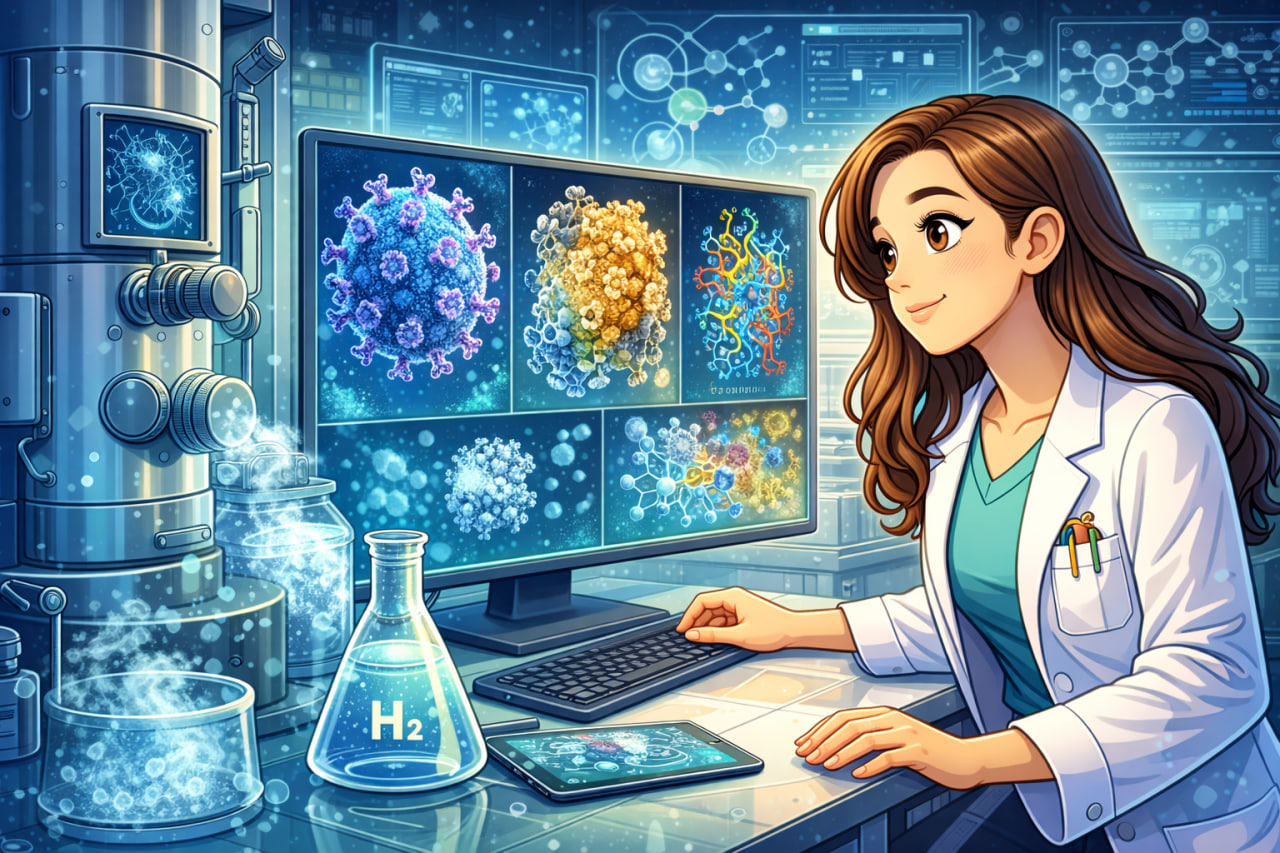
Cryo-electron microscopy, often called cryo-EM, is one of the most powerful imaging technologies in modern science, allowing researchers to visualize biological structures in extraordinary detail. Unlike traditional microscopy techniques, cryo-EM makes it possible to study molecules in a state that is extremely close to their natural environment. By rapidly freezing samples, scientists can preserve delicate biological structures without the need for chemical fixation or staining. This breakthrough has transformed structural biology, enabling discoveries that were impossible just a few decades ago. Cryo-EM plays a crucial role in understanding viruses, proteins, and cellular machinery at near-atomic resolution. Its impact on medicine, biology, and chemistry continues to grow rapidly.

Artificial Photosynthesis: Creating Clean Energy Inspired by Nature
Hi-Tech Bioengineering New Discoveries

Artificial Photosynthesis: Creating Clean Energy Inspired by Nature

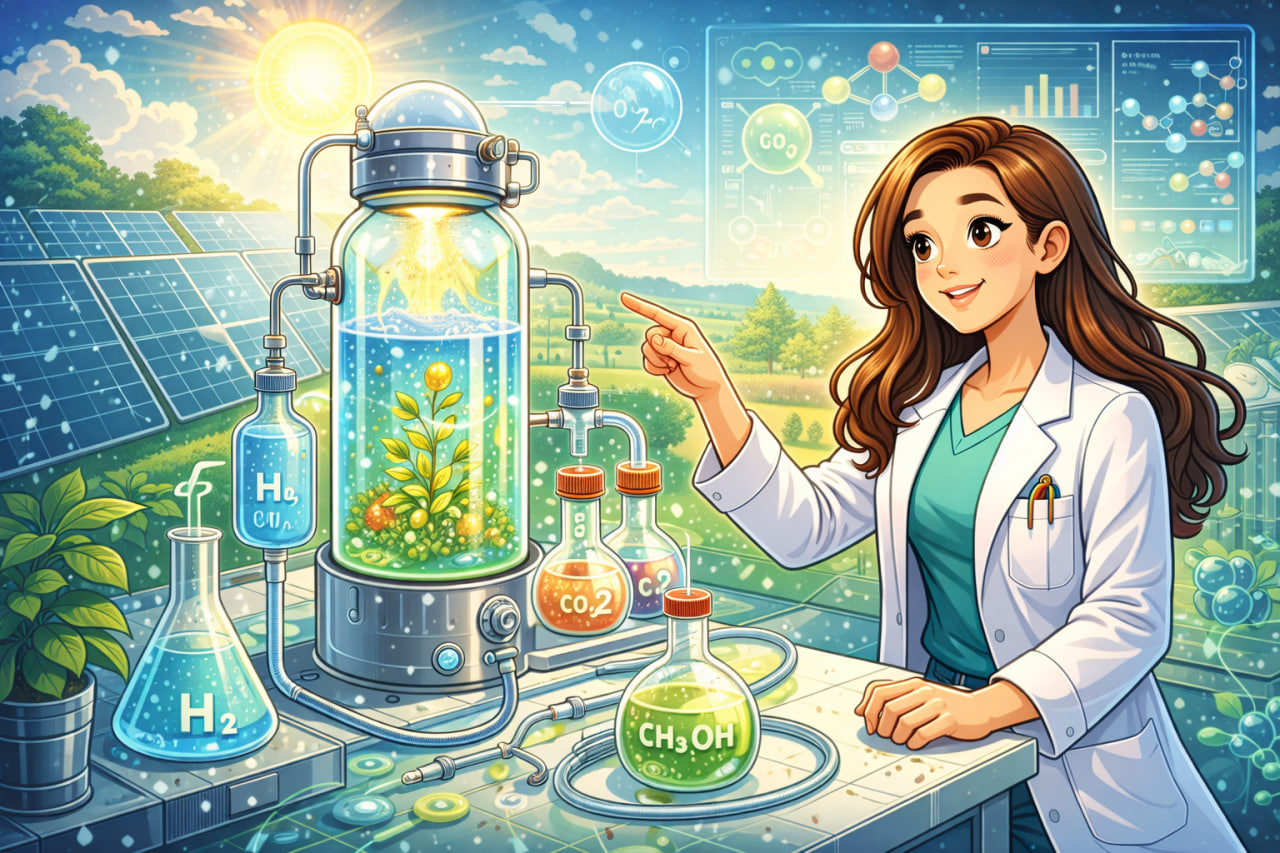
Artificial photosynthesis is a cutting-edge scientific concept that seeks to replicate one of nature’s most powerful processes: the conversion of sunlight, water, and carbon dioxide into usable energy. In natural photosynthesis, plants transform solar energy into chemical bonds that sustain life on Earth. Scientists aim to imitate and improve this process using advanced materials, catalysts, and engineering systems. The goal is to produce clean fuels and valuable chemicals while reducing carbon emissions. Artificial photosynthesis represents a bridge between renewable energy, chemistry, and environmental sustainability. Understanding this technology reveals why it is considered a potential cornerstone of a future low-carbon economy.

Supercritical Fluids: Matter Beyond Liquid and Gas
Science New Discoveries Be Smart

Supercritical Fluids: Matter Beyond Liquid and Gas

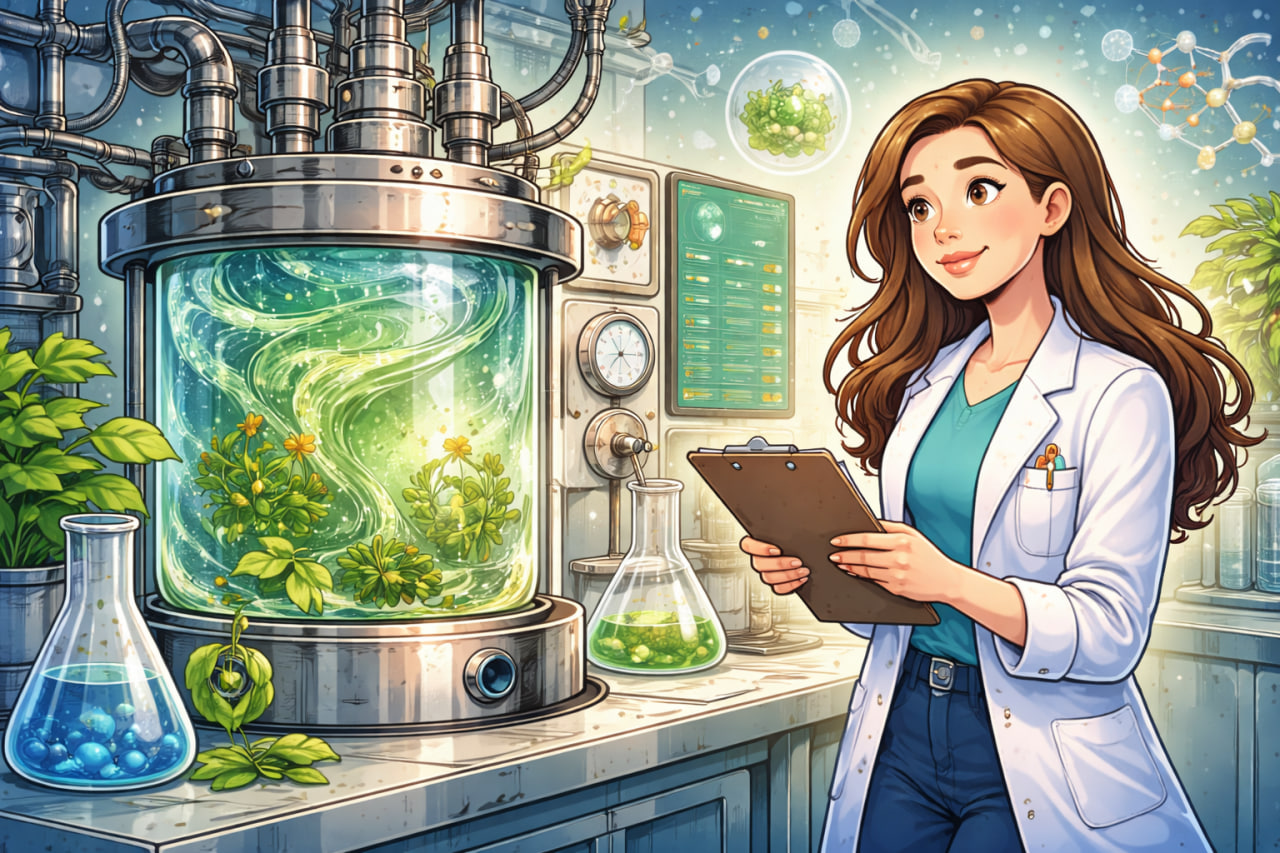
Supercritical fluids represent a unique state of matter that exists beyond the traditional boundaries of liquids and gases. When a substance is subjected to temperatures and pressures above its critical point, it enters a supercritical state where it exhibits properties of both phases simultaneously. In this condition, the fluid can flow like a gas while dissolving substances like a liquid. These unusual characteristics make supercritical fluids extremely valuable for science and industry. Over the past decades, they have become essential tools in chemistry, materials science, energy technology, and environmental engineering. Understanding supercritical fluids reveals how subtle changes in physical conditions can unlock entirely new behaviors of matter.

Cheminformatics: Where Chemistry Meets Data and Algorithms
Science New Discoveries Be Smart

Cheminformatics: Where Chemistry Meets Data and Algorithms

Cheminformatics is a scientific discipline that combines chemistry, computer science, and data analysis to manage, analyze, and interpret chemical information. As modern chemistry produces massive amounts of data, traditional experimental methods alone are no longer sufficient to extract meaningful insights. Cheminformatics provides tools that help scientists predict molecular behavior, discover new compounds, and optimize chemical processes more efficiently. This field plays a crucial role in drug discovery, materials science, and environmental research. By transforming chemical structures into digital data, cheminformatics allows researchers to explore chemical space at an unprecedented scale. Understanding cheminformatics explains why computation has become essential to modern chemical innovation.