Be Smart

What Are Quantum Computing Technologies?
Hi-Tech Smart Technology Science

What Are Quantum Computing Technologies?

Quantum computing is one of the most revolutionary fields in modern science, promising to transform how humanity processes information. Unlike classical computers, which rely on binary bits that represent either 0 or 1, quantum computers operate using the principles of quantum physics. These machines are designed to solve specific types of problems far beyond the practical reach of today’s most powerful supercomputers. Although quantum computing is still in an early stage of development, it has already reshaped scientific thinking in physics, cryptography, chemistry, and artificial intelligence. Understanding how quantum computers work helps clarify why they are considered both powerful and challenging to build. Rather than replacing classical computers, quantum systems are expected to complement them in highly specialized tasks.
Room-Temperature Superconductivity: A Breakthrough in Modern Physics
Hi-Tech Science New Discoveries

Room-Temperature Superconductivity: A Breakthrough in Modern Physics

For more than a century, scientists have dreamed of achieving superconductivity at room temperature — the ability of a material to conduct electricity with zero resistance under everyday conditions. Superconductors, first discovered in 1911, can transmit electric current without any loss of energy, but until recently they only worked at extremely low temperatures, often close to absolute zero. Achieving this phenomenon at room temperature would revolutionize technology, making power grids ultra-efficient, magnetic levitation commonplace, and quantum computers more practical. In recent years, advances in material science and high-pressure physics have brought this dream closer to reality, but significant challenges remain before it becomes part of daily life.

The Kirlian Effect: Mystery, Photography, and Scientific Interpretation
Science New Discoveries Be Smart

The Kirlian Effect: Mystery, Photography, and Scientific Interpretation

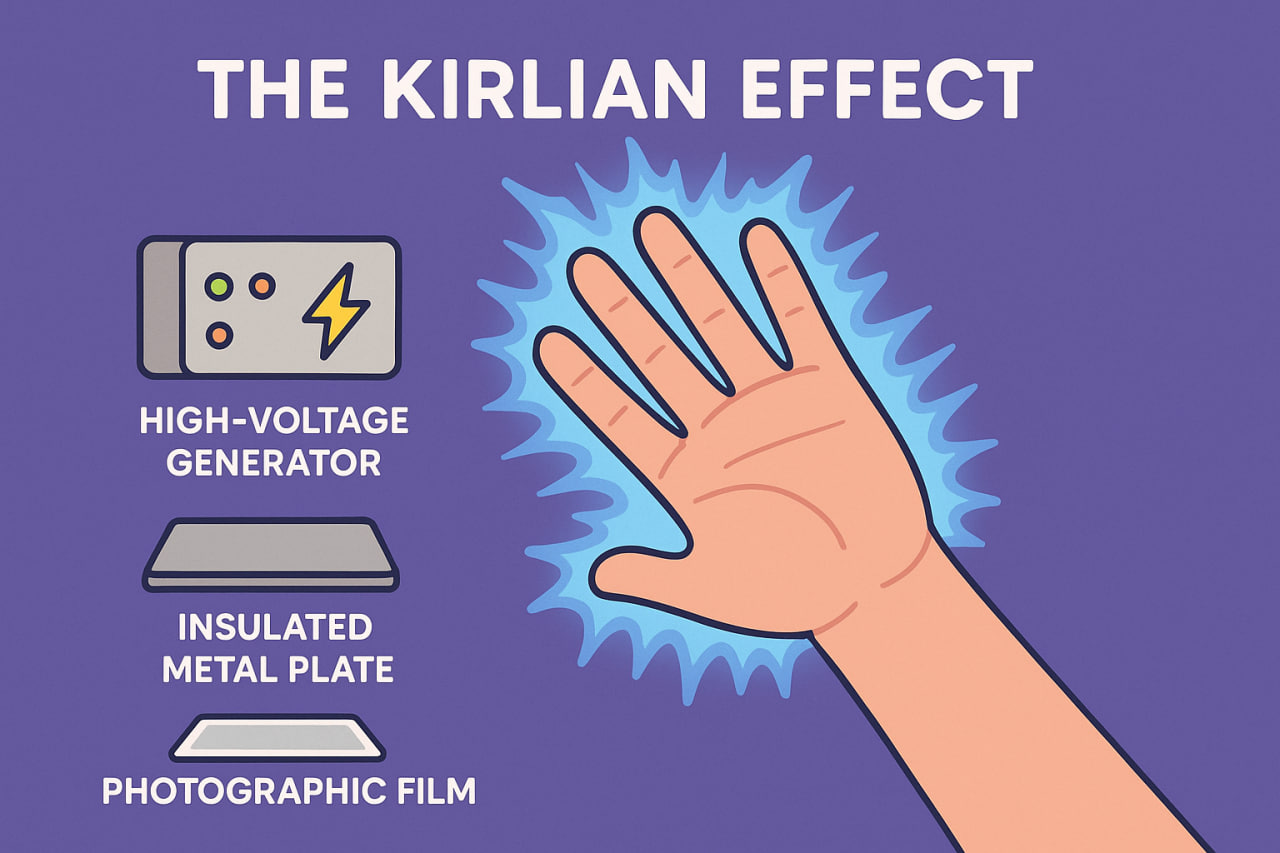
The Kirlian effect refers to a visual phenomenon in which a glowing, colorful aura appears around objects or living organisms when they are photographed using high-voltage, high-frequency electrical fields. Discovered accidentally in 1939 by Soviet inventor Semyon Kirlian, this effect captured global attention because the resulting images seemed to show “energy fields” surrounding plants, leaves, coins, and even human fingertips. For decades, the Kirlian effect inspired scientific curiosity, artistic exploration, and widespread myths. While often misunderstood, the phenomenon remains a fascinating intersection of physics, photography, and cultural imagination.

Conductivity: How Materials Carry Electricity and Heat
Science Be Smart

Conductivity: How Materials Carry Electricity and Heat

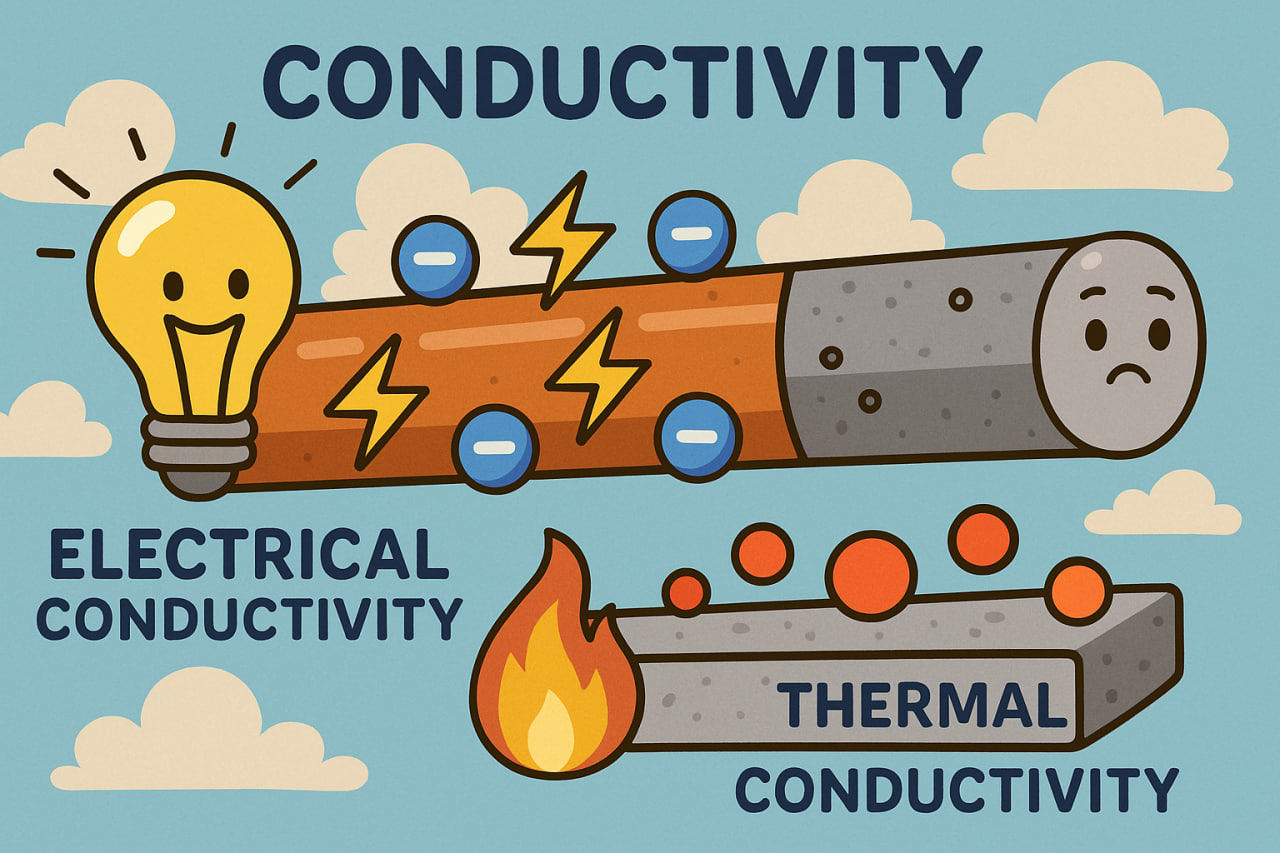
Conductivity is a fundamental property of matter that describes how easily a material allows the flow of electric charge or heat. This ability plays a central role in physics, engineering, electronics, energy systems, and even biological processes. Materials with high conductivity — such as metals — allow electric currents to move freely, while poor conductors resist the flow of electricity and instead act as insulators. Conductivity also determines how efficiently heat spreads through solids, liquids, and gases. Understanding conductivity helps explain why certain objects feel colder to the touch, why electrical wires are made of copper, and how the human body transmits nerve signals. It forms the basis for technologies ranging from microchips to household appliances and renewable energy systems.

Quantum Leap: What It Really Means in Physics
Science New Discoveries Be Smart

Quantum Leap: What It Really Means in Physics

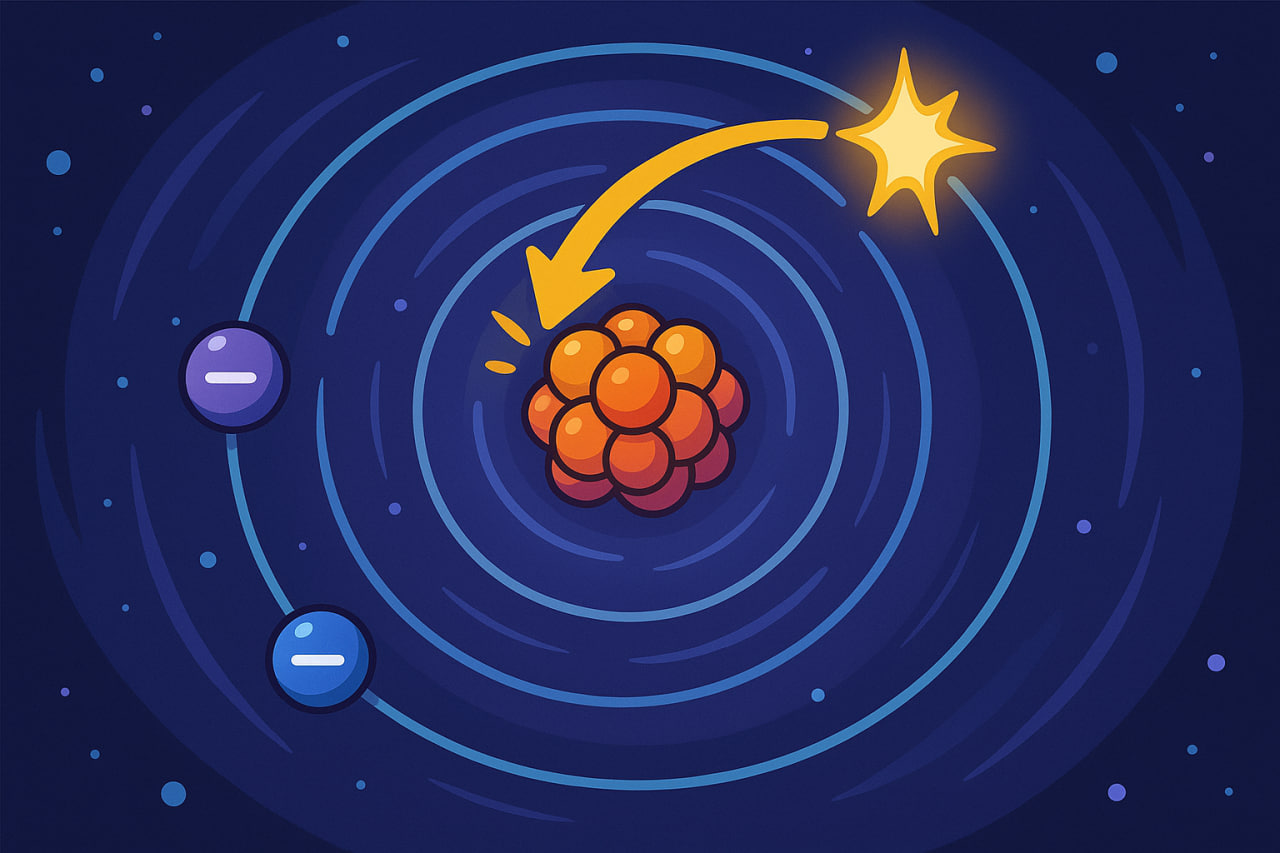
A “quantum leap,” or quantum jump, is one of the most fascinating ideas in modern physics — yet also one of the most misunderstood. In everyday language, people often use “quantum leap” to describe a dramatic or revolutionary change. But in science, the term has a much more precise meaning. A quantum leap refers to the sudden transition of an electron within an atom from one energy level to another. This process happens instantly and does not involve moving through the space in between. Instead, the electron absorbs or emits a specific amount of energy — a “quantum” — and immediately appears in a different state. Understanding quantum leaps is essential for explaining atomic structure, light emission, lasers, electronics, and many aspects of quantum technology.

The Library of Alexandria: The Ancient World’s Greatest Center of Knowledge
History Science Be Smart

The Library of Alexandria: The Ancient World’s Greatest Center of Knowledge

The Library of Alexandria remains one of the most legendary and influential institutions in human history. Founded in the 3rd century BCE in the Egyptian city of Alexandria, it served as a monumental center of learning, research, and cultural exchange. Scholars from Greece, Egypt, Persia, India, and other regions gathered there to study mathematics, astronomy, medicine, philosophy, geography, and literature. At its height, the Library may have contained hundreds of thousands of scrolls, making it the largest repository of written knowledge in the ancient world. The ambition of the Library was unprecedented: it sought to collect all knowledge of humanity, a mission that shaped the foundations of modern science and scholarship.

Where Does Mobile Internet Work Best? Understanding Coverage, Technology, and Connectivity
Hi-Tech Smart Technology Be Smart

Where Does Mobile Internet Work Best? Understanding Coverage, Technology, and Connectivity

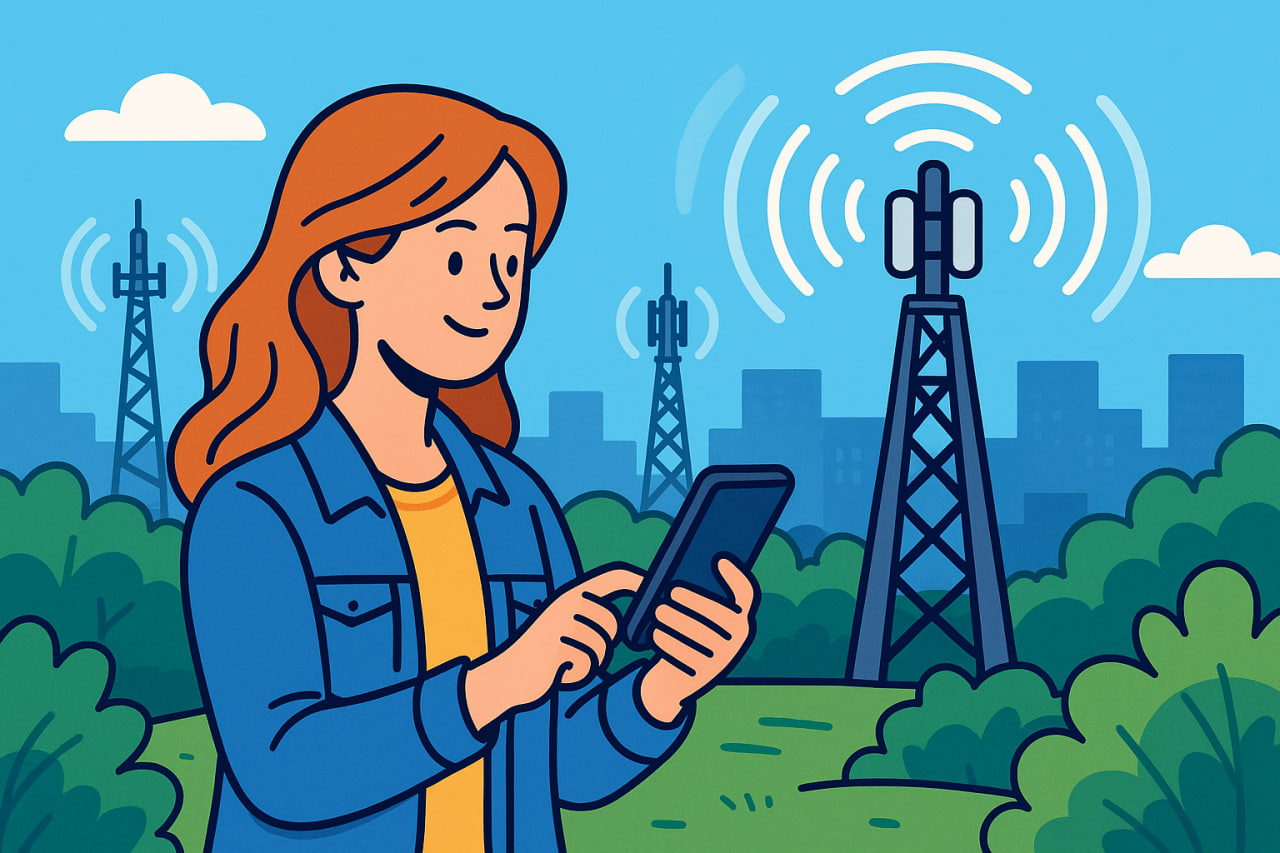
Mobile internet has become an essential part of modern life, powering communication, navigation, streaming, remote work, and everyday digital tasks. But the quality of mobile internet varies widely depending on geography, infrastructure, network technology, and user density. Some places offer fast and stable mobile connections, while others struggle with weak signals or slow speeds. Understanding where mobile internet works best helps explain why coverage is uneven and what factors shape the performance of modern networks. It also highlights how new generations of mobile technology — especially 5G — are transforming global connectivity.

How Terrain Shapes Mobile Connectivity: Why Location Matters
Smart Technology Be Smart

How Terrain Shapes Mobile Connectivity: Why Location Matters

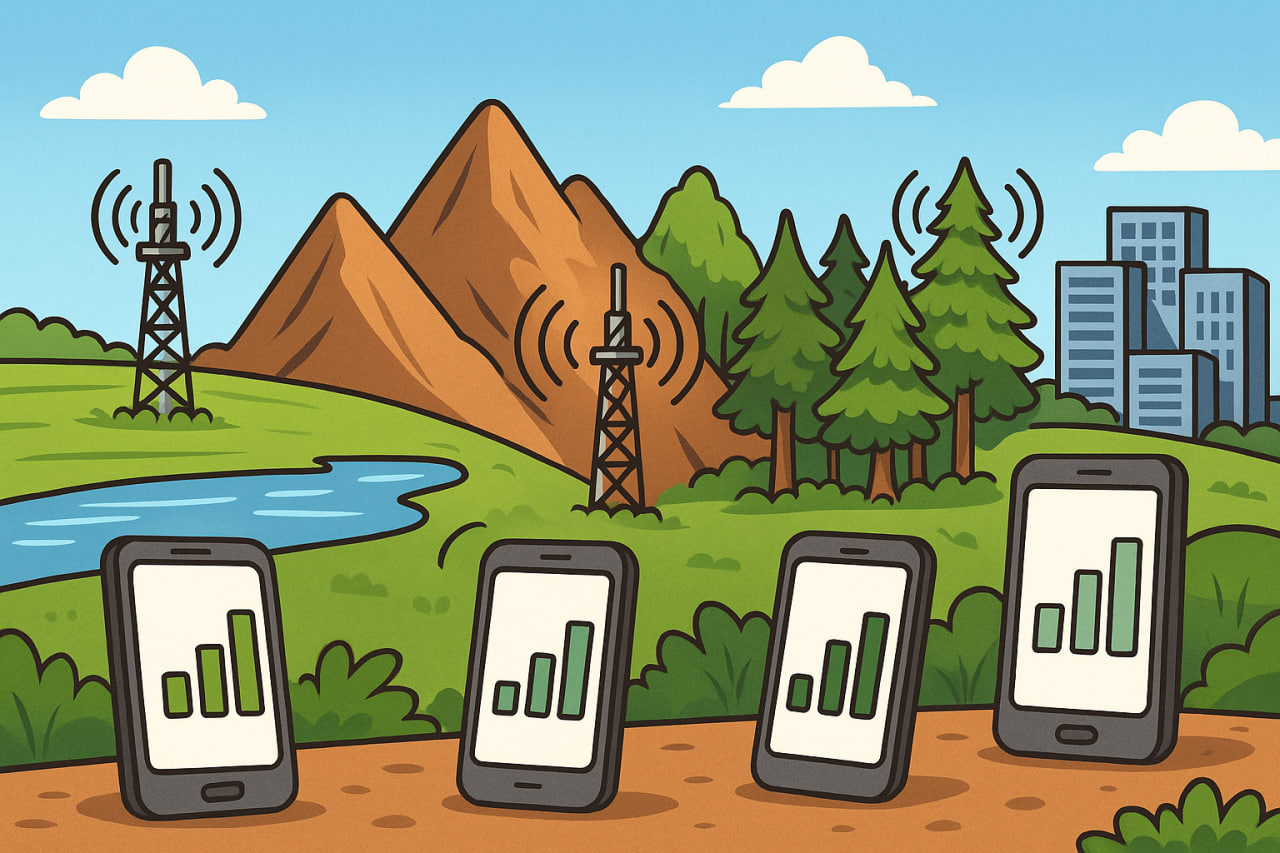
Mobile communication may feel wireless and effortless, but its quality strongly depends on the physical environment. Terrain — the natural shape and features of the land — affects how radio waves travel between cell towers and mobile devices. Hills, mountains, forests, water bodies, and even urban structures can strengthen or weaken the signal. Understanding how terrain influences mobile connectivity helps explain why some regions have excellent coverage while others struggle with dropped calls, low speeds, or unstable connections. Terrain-based challenges shape network design, tower placement, and the technologies used to deliver reliable mobile internet across diverse landscapes.

Biophotons: Mysterious Light Emitted by Living Organisms
Bioengineering Science New Discoveries

Biophotons: Mysterious Light Emitted by Living Organisms

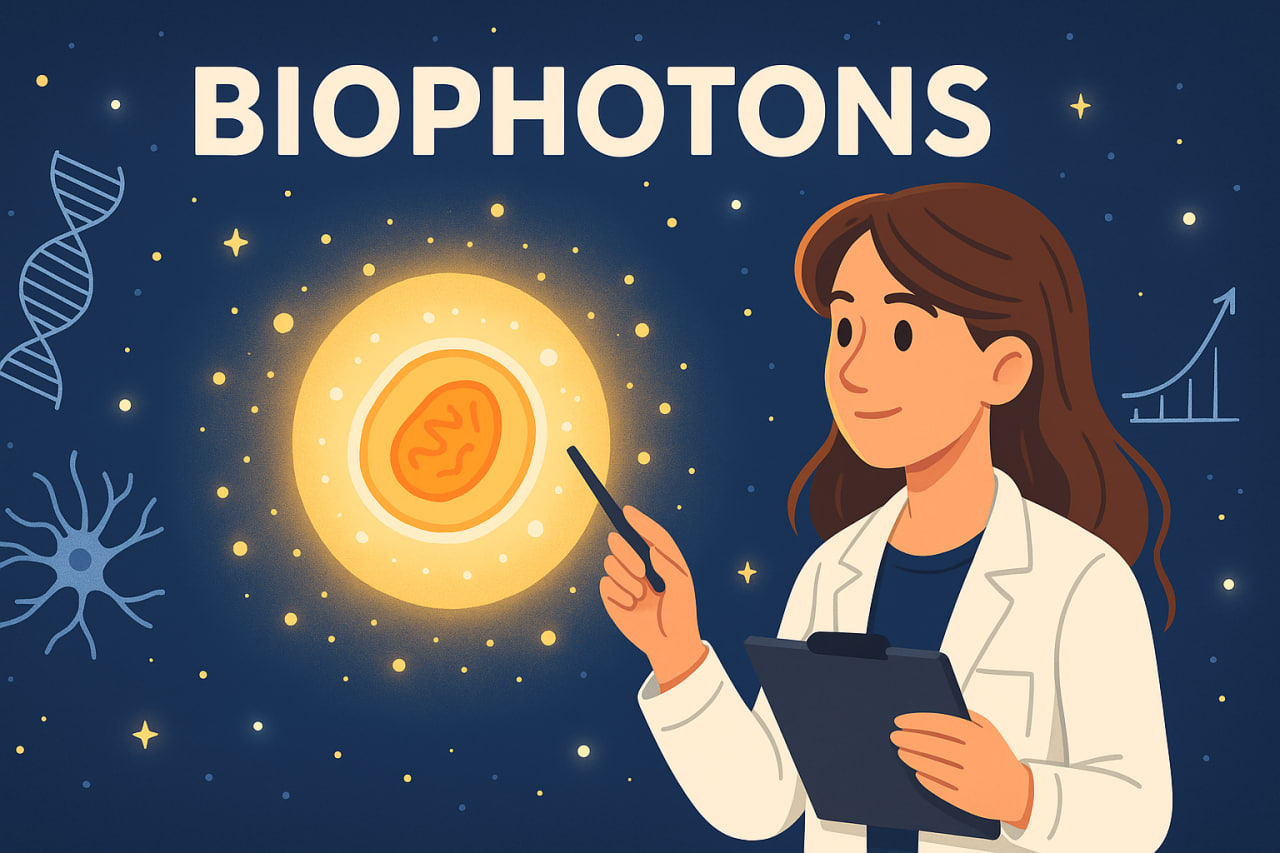
Biophotons are extremely weak light emissions produced by all living cells, including those of humans, plants, animals, and microorganisms. Although invisible to the naked eye, biophotons can be detected with highly sensitive instruments and offer a fascinating window into cellular communication and metabolic processes. These ultra-low levels of light emerge during biochemical reactions — especially those involving oxygen — and may reflect the health and functional state of cells. Scientists around the world study biophotons to understand how living organisms regulate internal processes and respond to stress, aging, and environmental conditions. While research is still ongoing, biophotons reveal that life expresses itself not only through chemistry and electricity but also through subtle light.

QKD: Quantum Key Distribution and the Future of Secure Communication
Hi-Tech Smart Technology New Discoveries

QKD: Quantum Key Distribution and the Future of Secure Communication

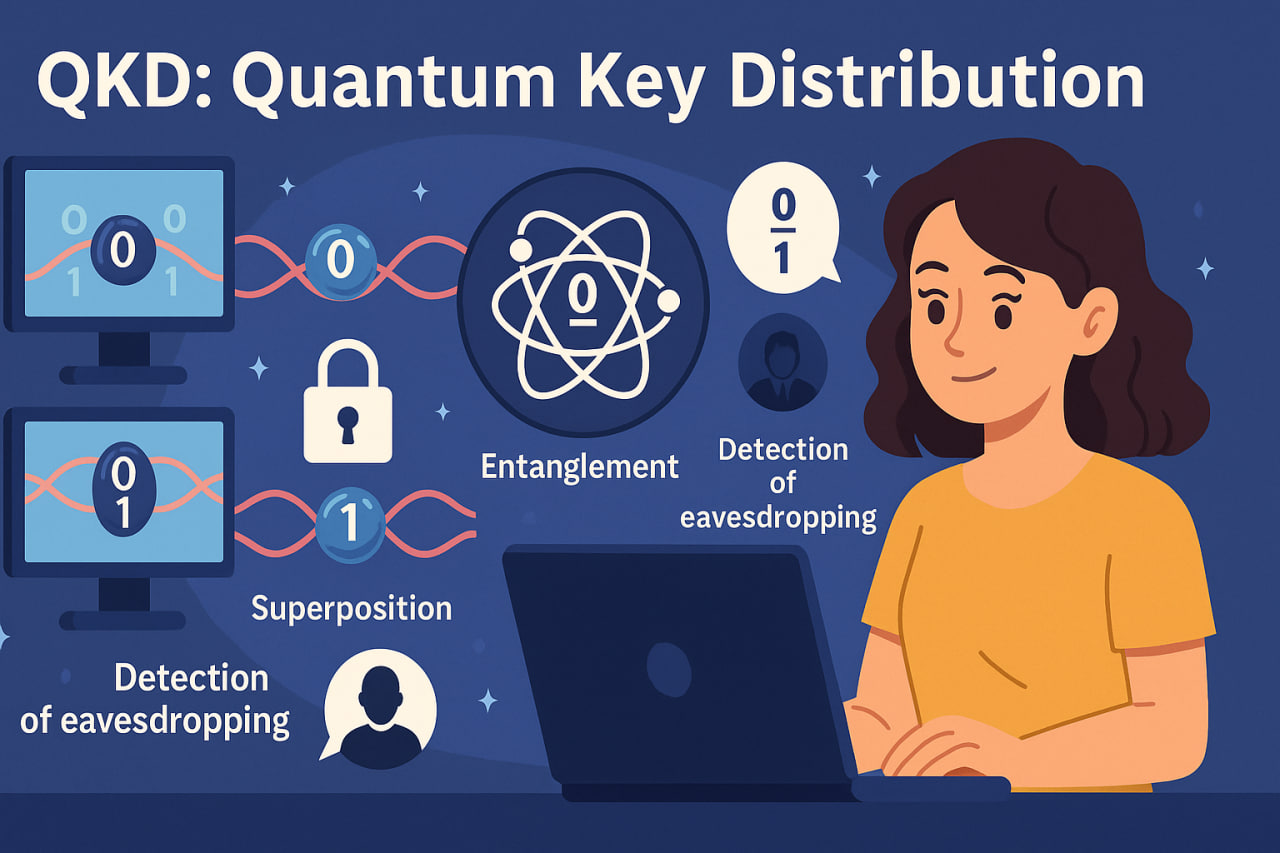
Quantum Key Distribution (QKD) is one of the most groundbreaking technologies in quantum communication, offering an entirely new level of security based on the principles of quantum physics. Unlike traditional cryptographic systems—which rely on mathematical complexity—QKD uses the behavior of quantum particles to create encryption keys that cannot be intercepted or copied without detection. This makes QKD an essential tool for protecting sensitive information in finance, government, medicine, and global communications. As cyber threats grow and classical systems face the future challenge of quantum computers, QKD stands out as a powerful and future-proof solution for secure digital exchange.