Be Smart

Molecular Memory: How Molecules Store Information and What This Means for the Future of Technology
Hi-Tech Smart Technology New Discoveries

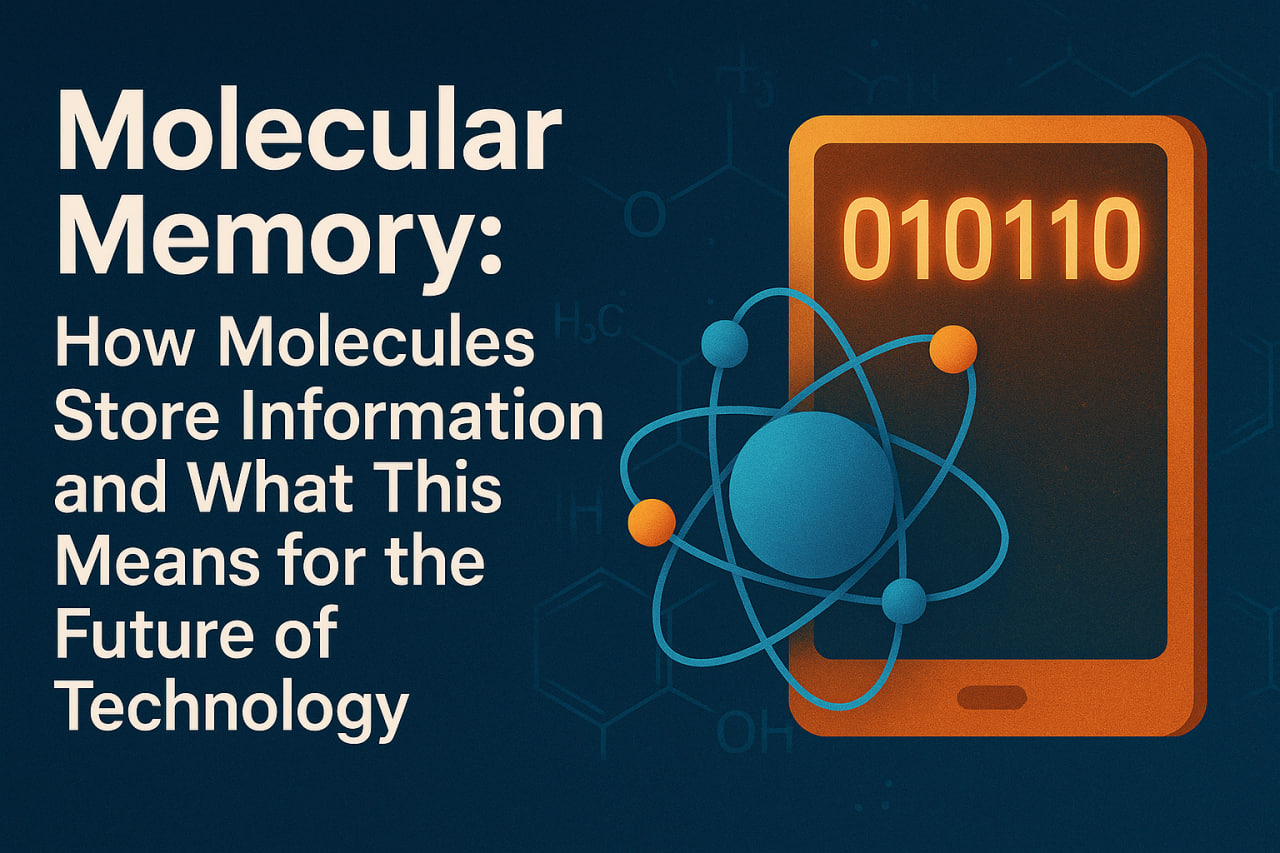
Molecular Memory: How Molecules Store Information and What This Means for the Future of Technology

Molecular memory is an emerging scientific field that explores how information can be encoded, stored, and retrieved at the molecular level. Instead of relying on traditional electronic circuits, molecular memory systems use the physical or chemical states of molecules — such as shape, charge, or bonding arrangement — to hold data. This radically different approach offers the potential for ultra-dense, energy-efficient, and long-lasting data storage technologies. As digital information grows exponentially, scientists are searching for ways to surpass the physical limits of conventional semiconductor memory. Molecular memory could become a key solution.

Redox Reactions: How Electron Transfer Powers Chemistry, Technology, and Life
Hi-Tech Science New Discoveries

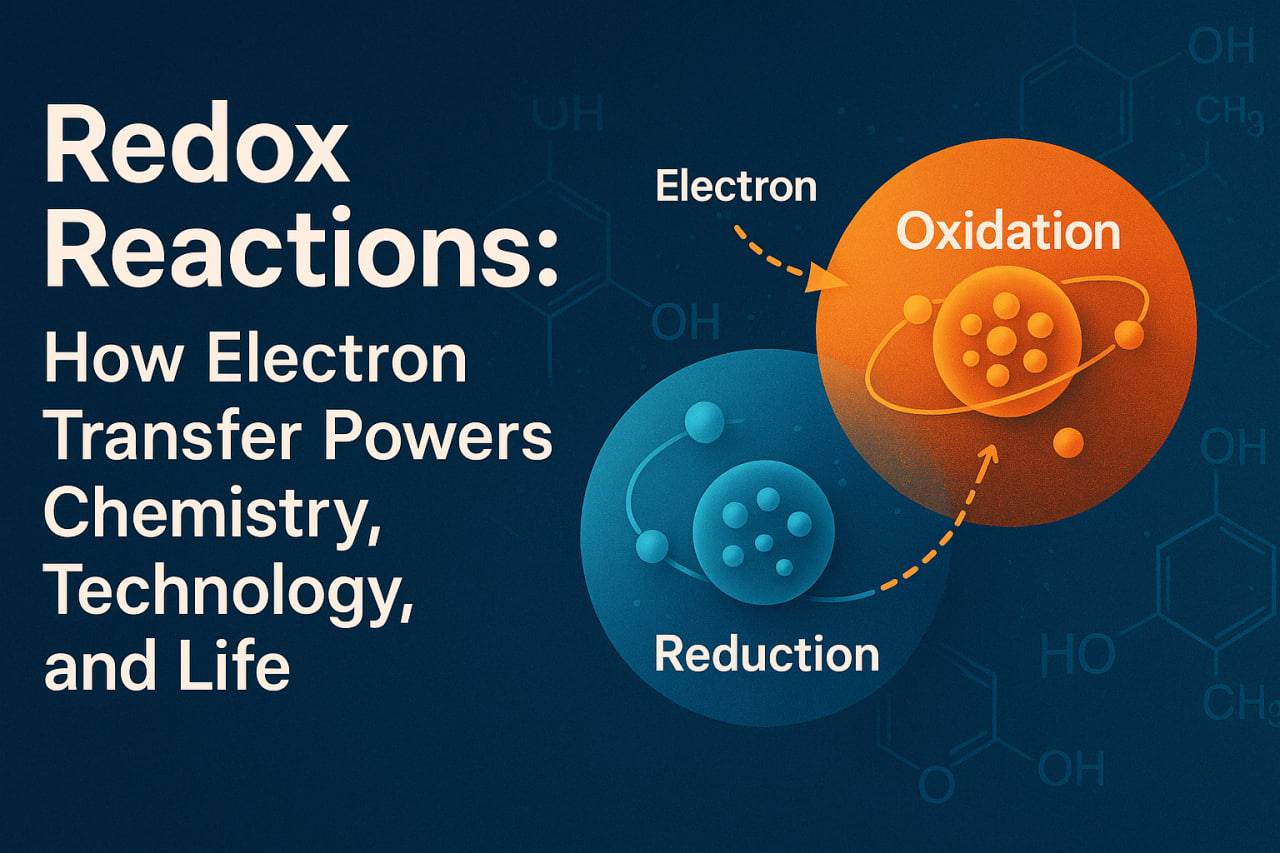
Redox Reactions: How Electron Transfer Powers Chemistry, Technology, and Life

Redox reactions — short for reduction–oxidation reactions — are fundamental chemical processes that drive many of the transformations occurring in nature, technology, and even inside the human body. These reactions involve the transfer of electrons between substances, causing one material to be oxidized (lose electrons) while another is reduced (gain electrons). Although the concept seems simple, redox reactions power some of the most essential processes in the universe, including cellular respiration, photosynthesis, metal corrosion, energy storage, combustion, and industrial synthesis. Understanding how they work provides insight into chemistry’s hidden mechanisms and reveals how electron flow fuels the world around us.

Rusting: Why Metals Corrode, How the Process Works, and Its Global Impact
Science Be Smart

Rusting: Why Metals Corrode, How the Process Works, and Its Global Impact

Rusting is a natural chemical process in which iron reacts with oxygen and moisture, forming iron oxide — a reddish-brown substance known as rust. Although rust appears simple and familiar, the underlying chemistry is complex and deeply significant for modern society. Rusting affects buildings, bridges, vehicles, tools, pipelines, and countless products made from iron or steel. Globally, rust-related damage causes billions of dollars in economic losses each year. Understanding why rust forms, how it spreads, and what environmental factors accelerate it helps scientists and engineers design better materials and protective methods.

Quantum Entanglement: One of the Most Mysterious Phenomena in Modern Physics
Hi-Tech Science New Discoveries

Quantum Entanglement: One of the Most Mysterious Phenomena in Modern Physics

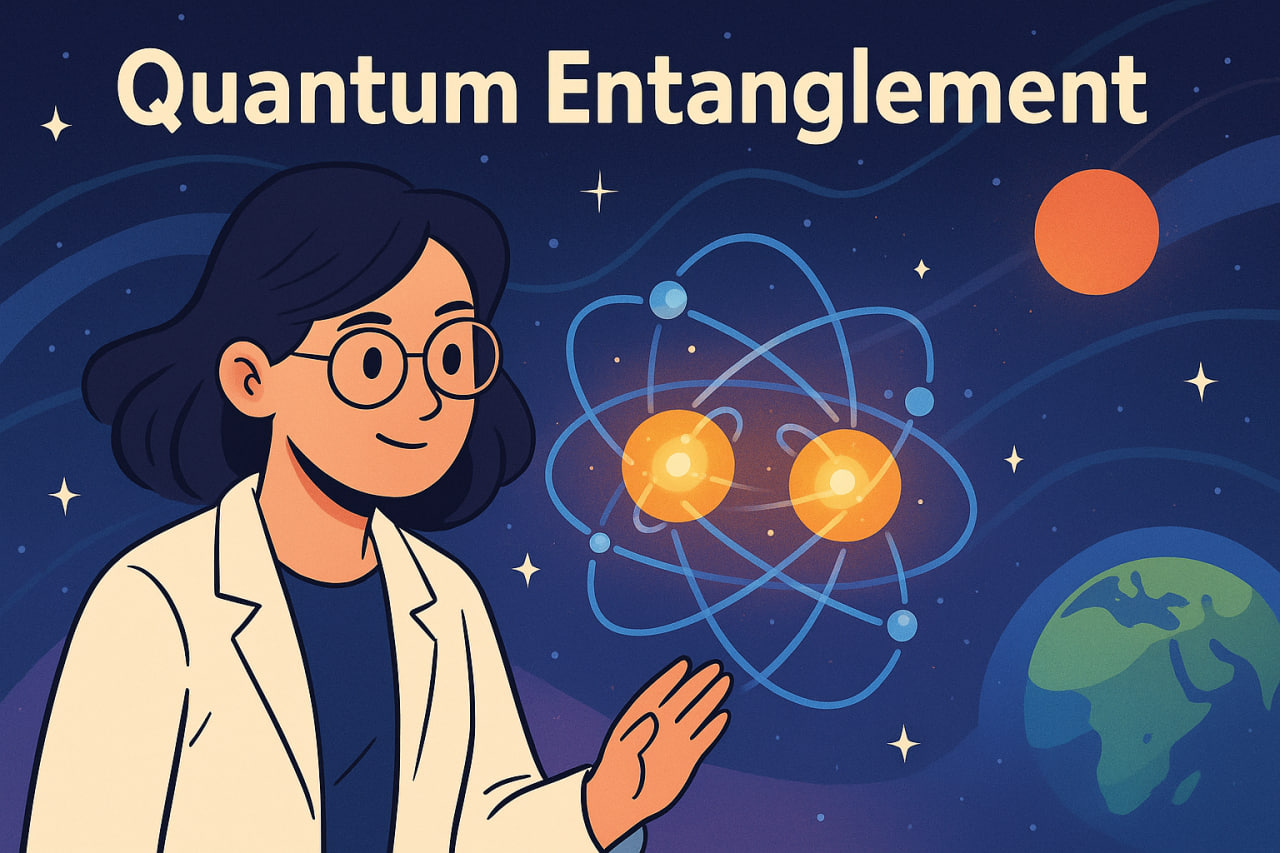
Quantum entanglement is one of the most fascinating and mind-bending concepts in quantum mechanics. It describes a state in which two or more particles become so deeply connected that the condition of one particle instantly correlates with the condition of another — even if they are separated by vast distances. This behavior appears to violate classical intuition and has been described by Einstein as “spooky action at a distance.” Despite its strange nature, entanglement has been verified experimentally countless times and now forms the foundation of modern quantum technologies, including quantum computing, quantum communication, and quantum encryption.

Can We Use Neutrino Energy? What Science Really Says About the Universe’s Most Elusive Particles
Science Be Smart What if?

Can We Use Neutrino Energy? What Science Really Says About the Universe’s Most Elusive Particles

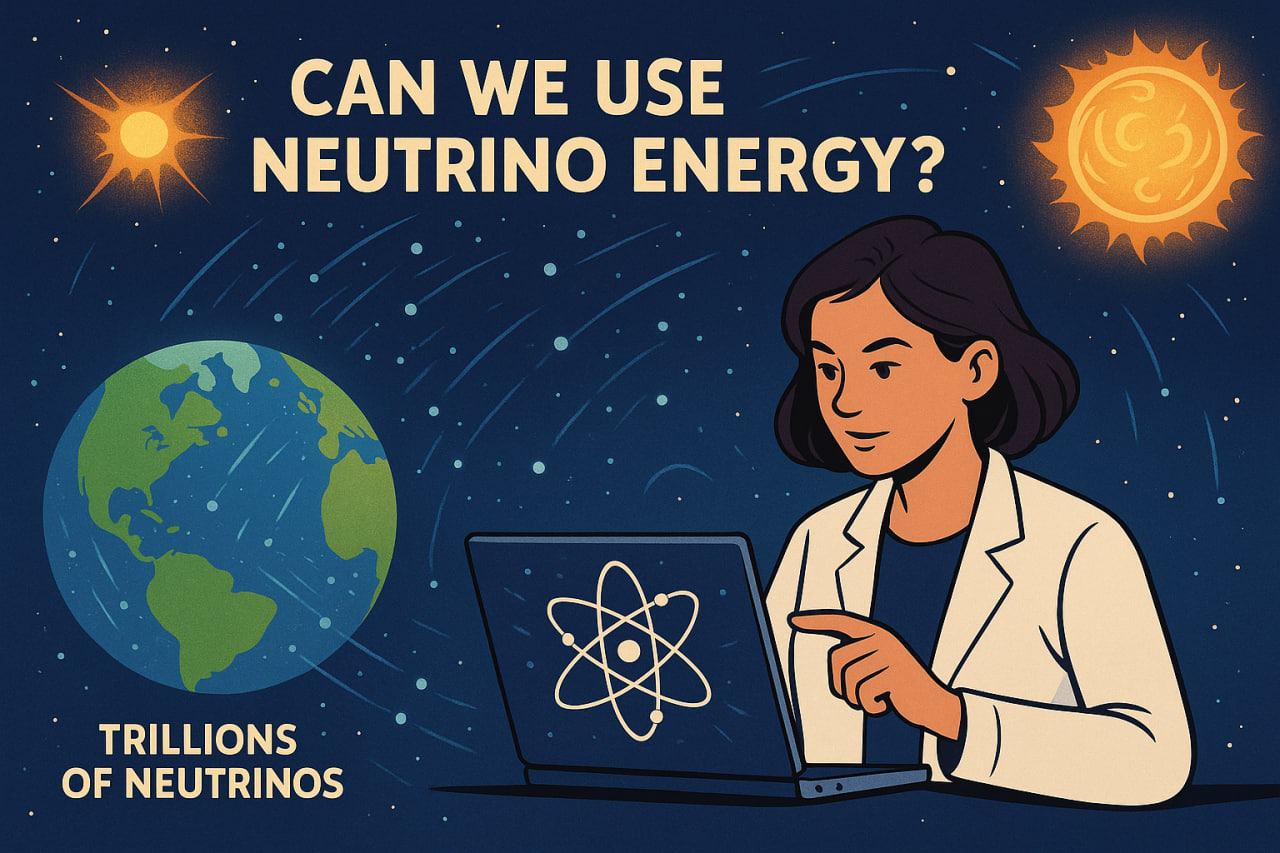
Neutrinos are among the most mysterious and abundant particles in the universe. Trillions of them pass through every human body every second, traveling almost at the speed of light, interacting so rarely with matter that they can cross entire planets without slowing down. This strange behavior has led to a popular question: can neutrinos be used as a source of energy? While the idea is fascinating and appears frequently in futuristic discussions, real scientific evidence shows that neutrino energy harvesting faces enormous challenges. Understanding why requires a closer look at what neutrinos are, how they behave, and what modern physics can (and cannot) do with them.

The Standard Model: The Fundamental Blueprint of Particles and Forces
Universe Science Be Smart

The Standard Model: The Fundamental Blueprint of Particles and Forces

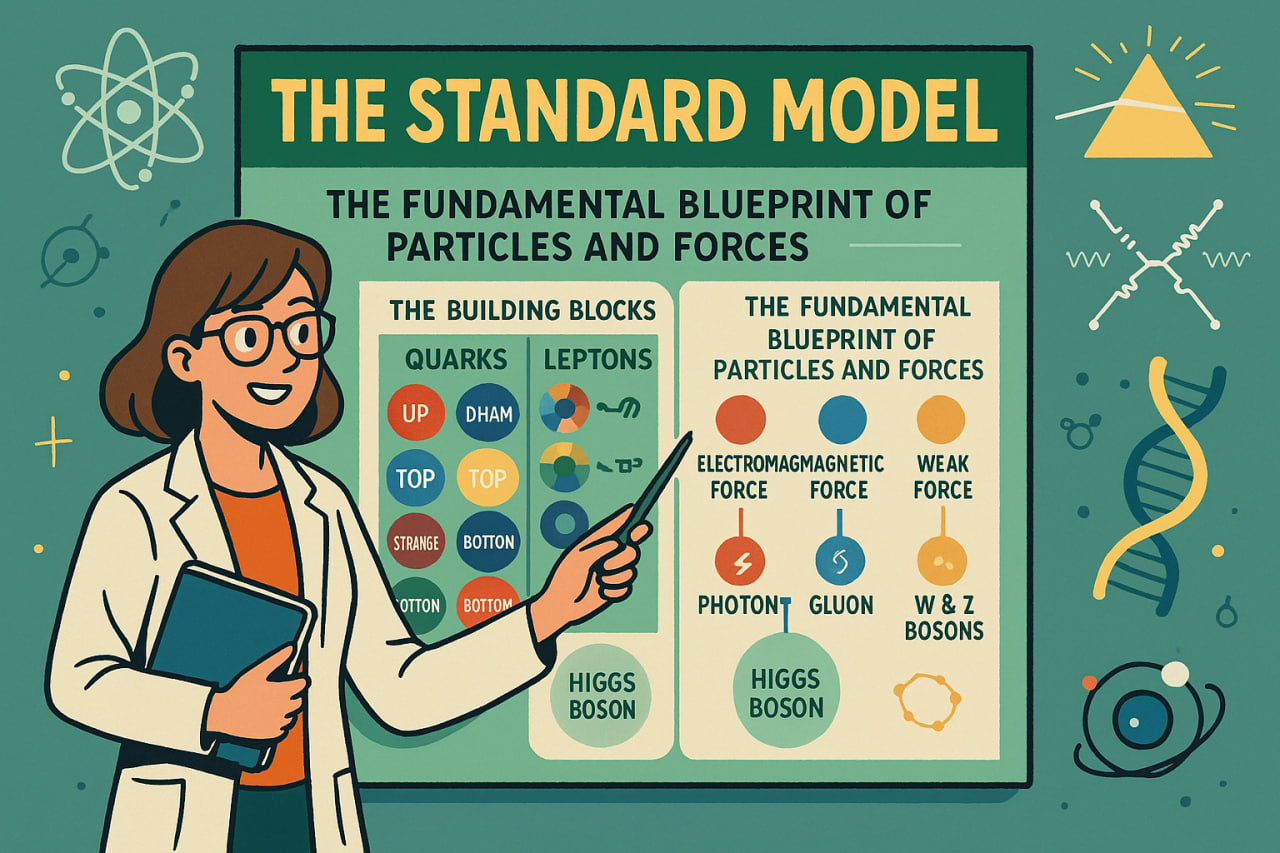
The Standard Model of particle physics is the most successful scientific theory describing the basic building blocks of the universe. It explains how all known fundamental particles interact through three of the four fundamental forces: the electromagnetic, weak, and strong forces. Although gravity is not included in the Standard Model, this framework has accurately predicted particle behavior for decades and remains the foundation of modern physics. It helps scientists understand everything from the structure of atoms to the fusion powering the Sun.

Matter–Antimatter Asymmetry: Why the Universe Exists at All
Universe Science New Discoveries

Matter–Antimatter Asymmetry: Why the Universe Exists at All

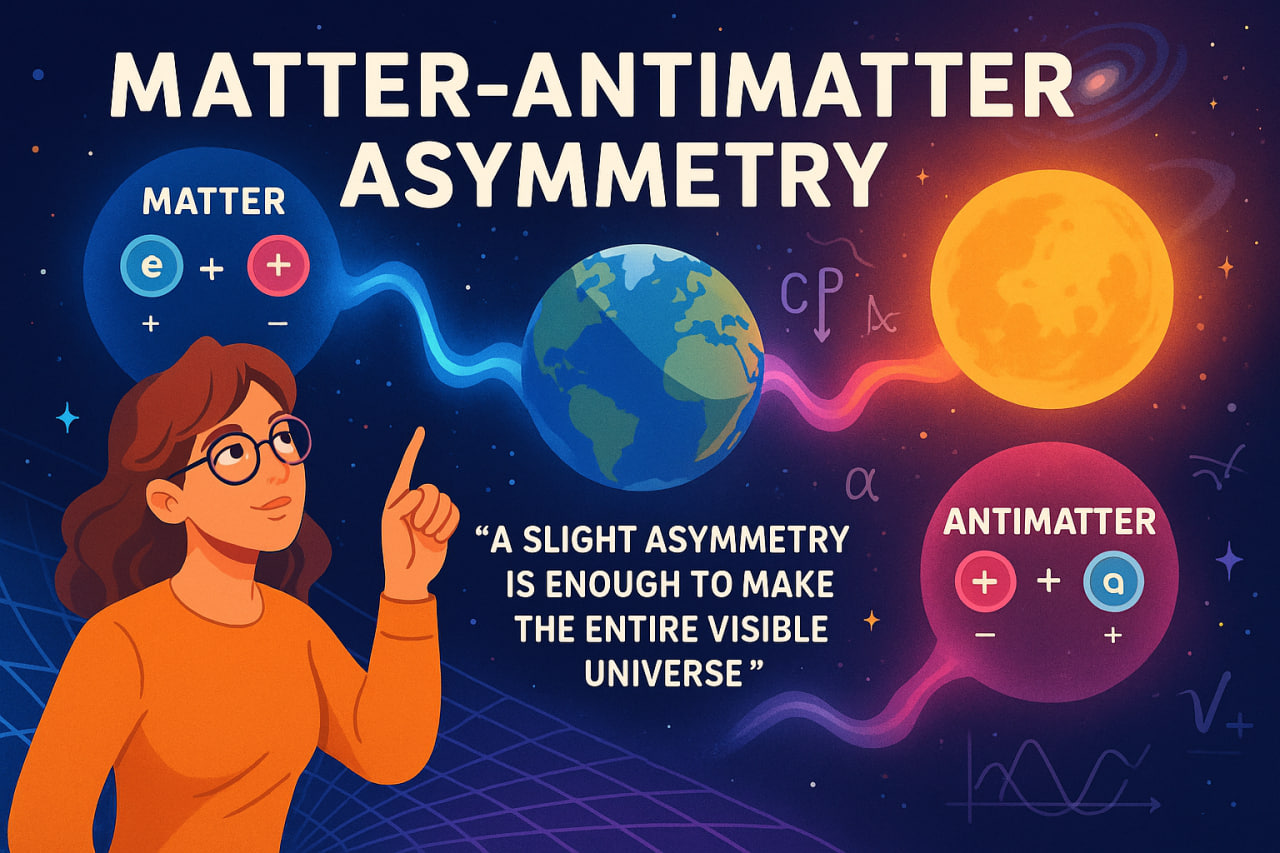
The matter–antimatter asymmetry is one of the deepest and most fascinating mysteries in modern physics. According to the known laws of particle physics, the Big Bang should have produced equal amounts of matter and antimatter. But if that had happened, matter and antimatter would have instantly annihilated each other, leaving behind nothing but light. Instead, our universe contains galaxies, planets, humans — all made of matter. Antimatter, by contrast, is almost completely absent. This imbalance, known as baryon asymmetry, remains one of the most important unsolved problems in cosmology and particle physics.

Metal: Properties, Types, Production, and the Science Behind One of Humanity’s Most Important Materials
Science Be Smart

Metal: Properties, Types, Production, and the Science Behind One of Humanity’s Most Important Materials

Metals are among the most essential materials in human civilization, shaping everything from tools and infrastructure to electronics and medical devices. Defined by their strength, conductivity, and ability to form alloys, metals have played a crucial role in technological development for thousands of years. From the Bronze Age to modern aerospace engineering, metals remain deeply connected to human progress. Understanding what metals are, how they behave, and why they are so versatile reveals the scientific foundation behind materials we use every day. Although metals may seem simple, their atomic structure and physical properties make them unique among natural materials.

The History of Artificial Intelligence: From Early Ideas to Modern Breakthroughs
AI & Ethics AI Be Smart

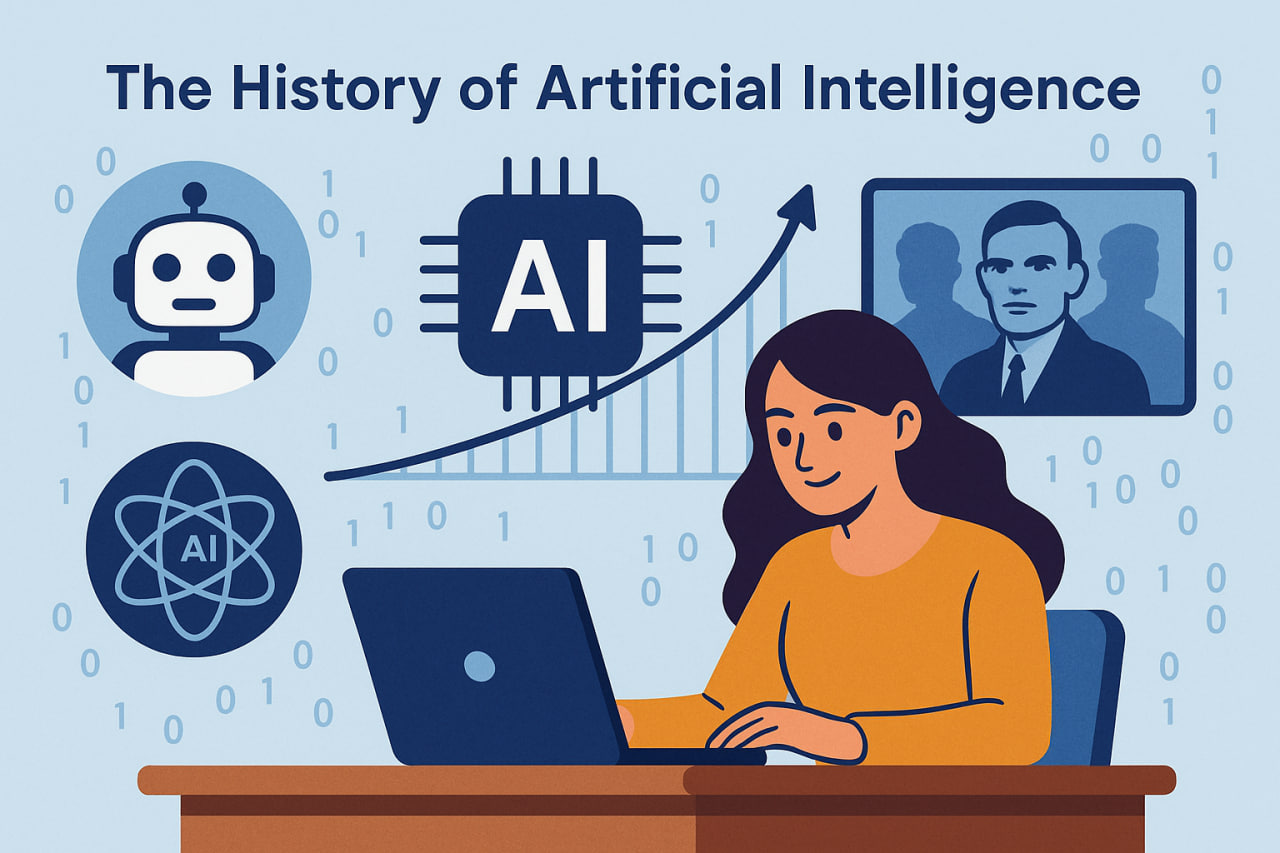
The History of Artificial Intelligence: From Early Ideas to Modern Breakthroughs

Artificial intelligence (AI) has evolved from a philosophical dream into one of the most transformative technologies of the 21st century. Though AI may feel like a modern invention, its conceptual roots stretch back thousands of years. Ancient myths described mechanical beings with human-like abilities, while mathematicians and philosophers explored the nature of logic, reasoning, and computation long before the first computer existed. Today, AI powers search engines, digital assistants, medical diagnostics, autonomous vehicles, and vast scientific discoveries. Tracing the history of AI reveals how human curiosity, imagination, and engineering have steadily shaped intelligent machines.

Artificial Consciousness: Can Machines Ever Become Truly Aware?
AI & Ethics AI Be Smart

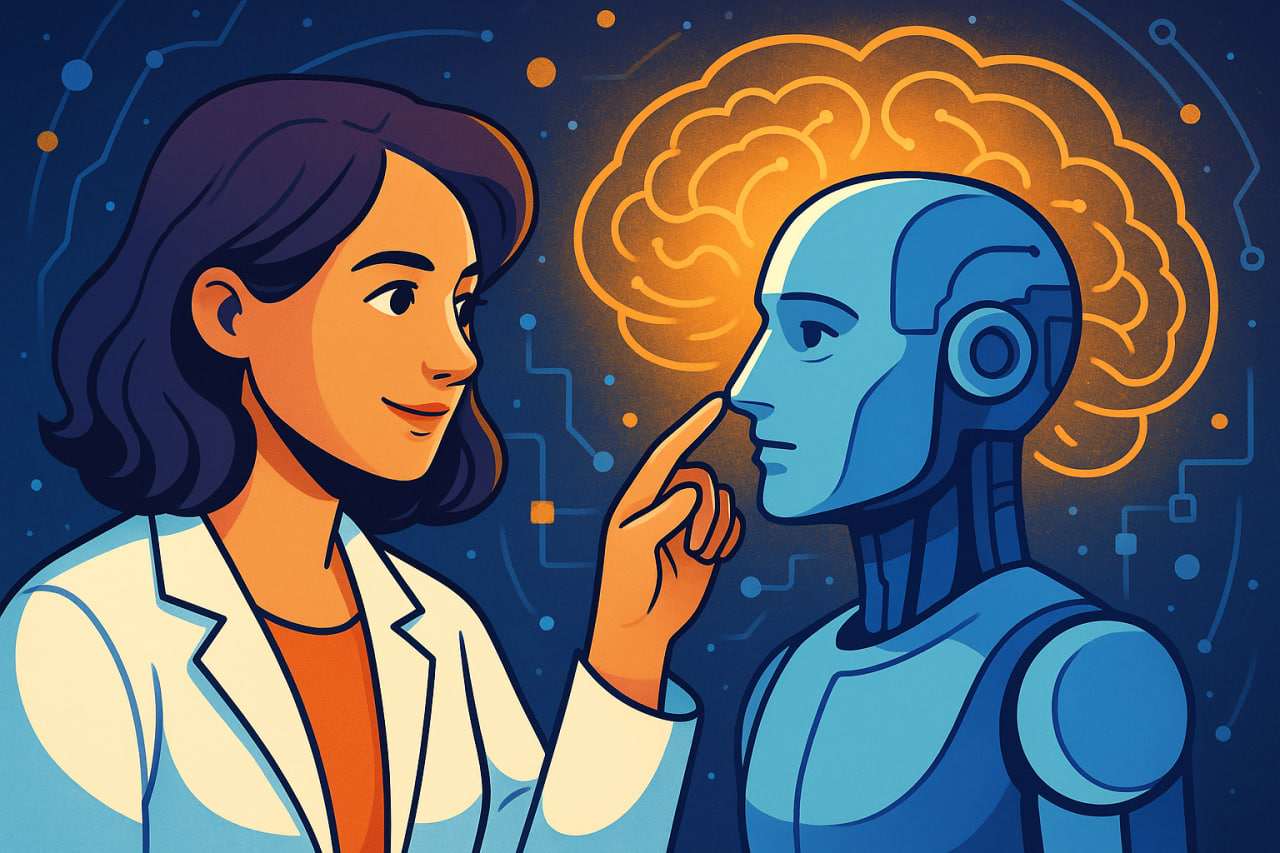
Artificial Consciousness: Can Machines Ever Become Truly Aware?

Artificial consciousness — often called machine consciousness or synthetic awareness — is one of the most challenging and debated concepts in modern science and philosophy. While artificial intelligence already solves complex tasks, understands language, and analyzes data, the question of whether a machine can ever possess self-awareness, subjective experience, or true understanding remains unresolved. Artificial consciousness lies at the intersection of neuroscience, cognitive science, computer science, philosophy of mind, and ethics. It explores what consciousness is, whether it can be defined in scientific terms, and whether a non-biological system could ever experience the world in a way comparable to humans.