Be Smart

Can Candy Be Useful Without Being Eaten?
Be Smart What if?

Can Candy Be Useful Without Being Eaten?

Candy is usually associated with taste, pleasure, and nutrition-free indulgence, but its usefulness does not end with consumption. Because candies are made from sugar, colorants, flavor compounds, and packaging materials, they can be repurposed in creative, educational, and practical ways. Throughout history, sugary substances have been used not only as food but also as tools, materials, and signals. When viewed from a non-culinary perspective, candy becomes a surprisingly versatile object. Exploring these alternative uses highlights how everyday items can serve functions beyond their original intent.

Baryon Asymmetry: Why There Is More Matter Than Antimatter
Universe Science Be Smart

Baryon Asymmetry: Why There Is More Matter Than Antimatter

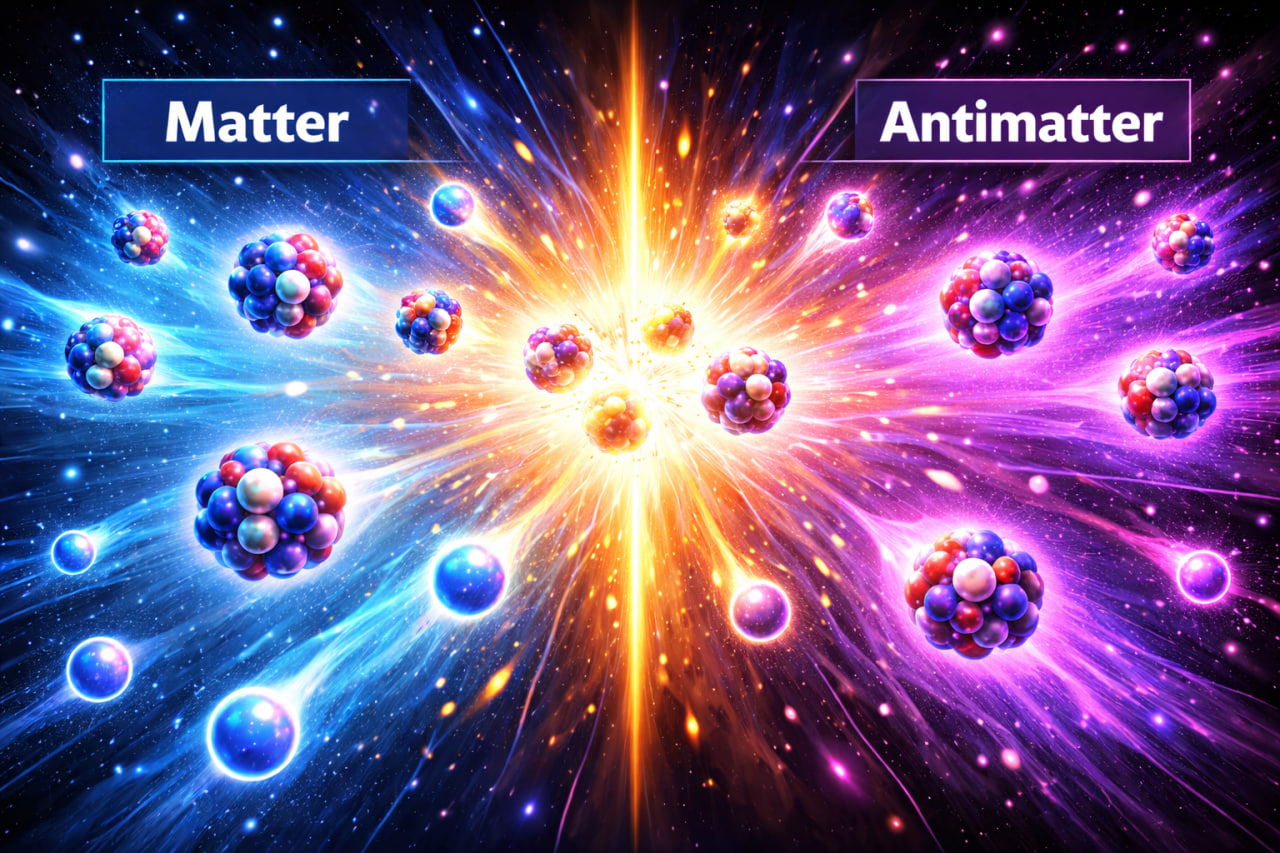
According to the known laws of physics, the Big Bang should have produced matter and antimatter in equal amounts. If that symmetry had remained perfect, particles and antiparticles would have annihilated each other completely, leaving behind a universe filled mostly with radiation. Yet the observable universe is clearly dominated by matter: stars, planets, galaxies, and life itself exist because matter survived. This imbalance is known as baryon asymmetry, one of the most profound unsolved problems in modern physics. Understanding why matter won over antimatter is essential for explaining why the universe exists in its current form.

What Happens When a Liquid Turns into a Solid?
Science Be Smart

What Happens When a Liquid Turns into a Solid?

The transition of a liquid into a solid is one of the most fundamental phase changes in nature, yet it is far more complex than it appears. This process, known as solidification or freezing, occurs when a substance loses enough energy for its particles to become locked into fixed positions. While it may seem instantaneous—like water turning into ice—it involves microscopic rearrangements governed by thermodynamics and molecular forces. Understanding this transition helps explain natural phenomena ranging from snowflake formation to the solidification of molten rock. At its core, freezing is a story about energy, motion, and order.

Conditions for Life: Can Life Not Be Carbon-Based?
Science Be Smart What if?

Conditions for Life: Can Life Not Be Carbon-Based?

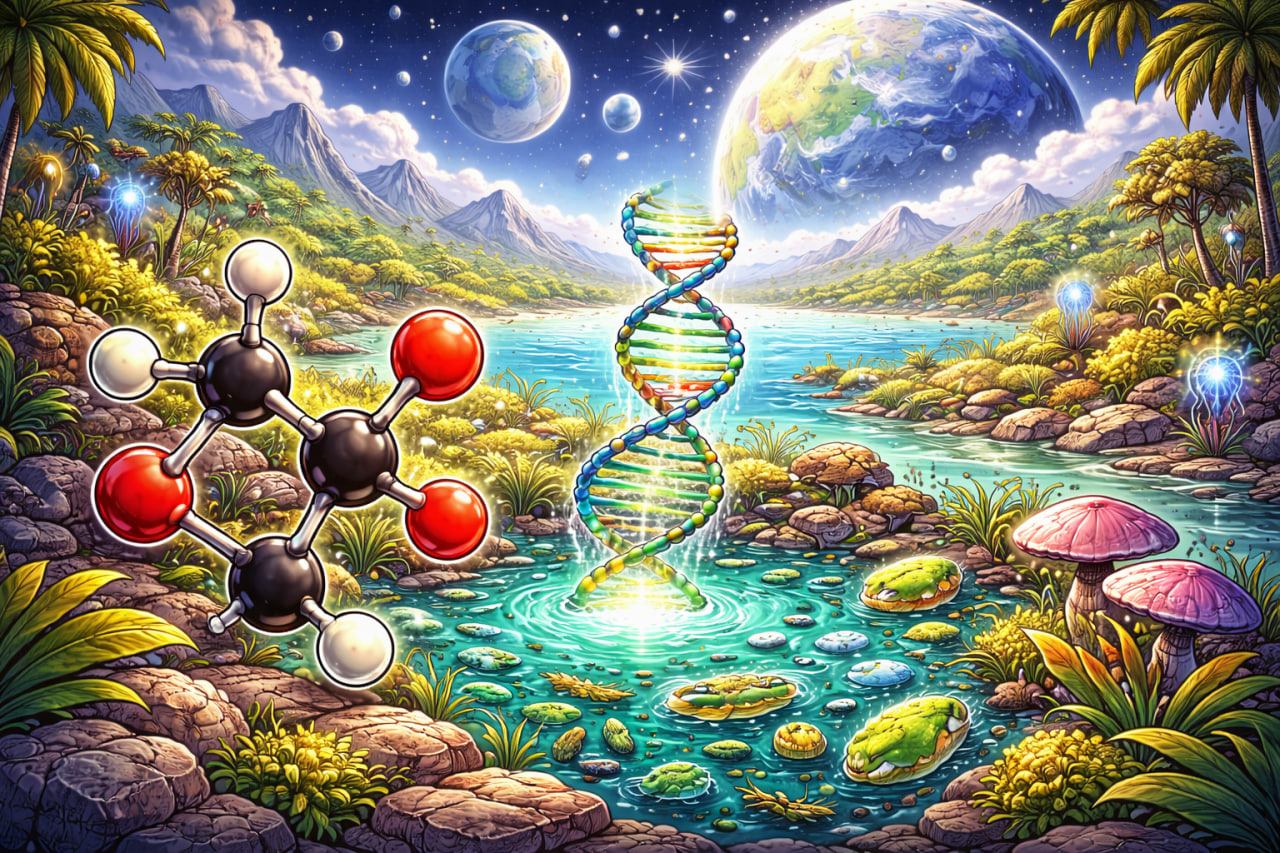
When scientists search for life beyond Earth, they begin with a fundamental question: what conditions are required for life to exist at all? While life on our planet offers only one example, it provides valuable clues about the chemistry and environments that make biology possible. Among these clues, carbon stands out as the central building block of all known living organisms. This has led to the widespread assumption that extraterrestrial life, if it exists, is also likely to be carbon-based. Exploring why carbon is so important—and whether alternatives are possible—helps define the boundaries of life as we understand it.

What Existed Before the Big Bang? Scientific Hypotheses Explained
Space Stories Science Be Smart

What Existed Before the Big Bang? Scientific Hypotheses Explained

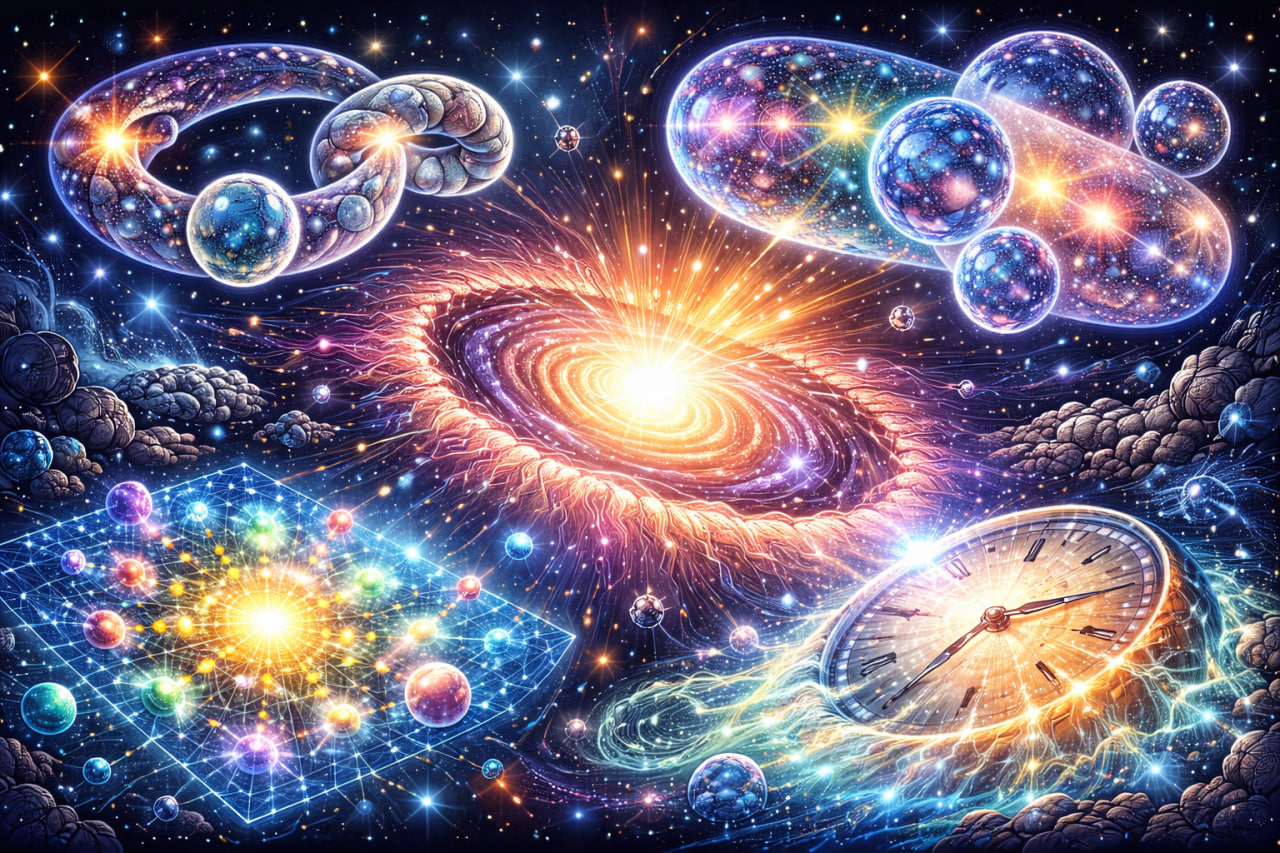
The Big Bang theory successfully describes the early expansion of the universe, but it does not fully answer one of the most profound questions in science: what, if anything, existed before it? While the term “Big Bang” is often imagined as an explosion in space, modern cosmology treats it as the beginning of spacetime itself. This raises a fundamental challenge—if time began with the Big Bang, the concept of “before” may not apply in a conventional sense. Nevertheless, physicists have proposed several hypotheses that attempt to describe conditions preceding or replacing the classical Big Bang scenario. These ideas remain speculative but are grounded in mathematics, theoretical physics, and observations of the universe.

Types of Civilizations on the Kardashev Scale: Where Are We Now?
Space Stories Science Be Smart

Types of Civilizations on the Kardashev Scale: Where Are We Now?

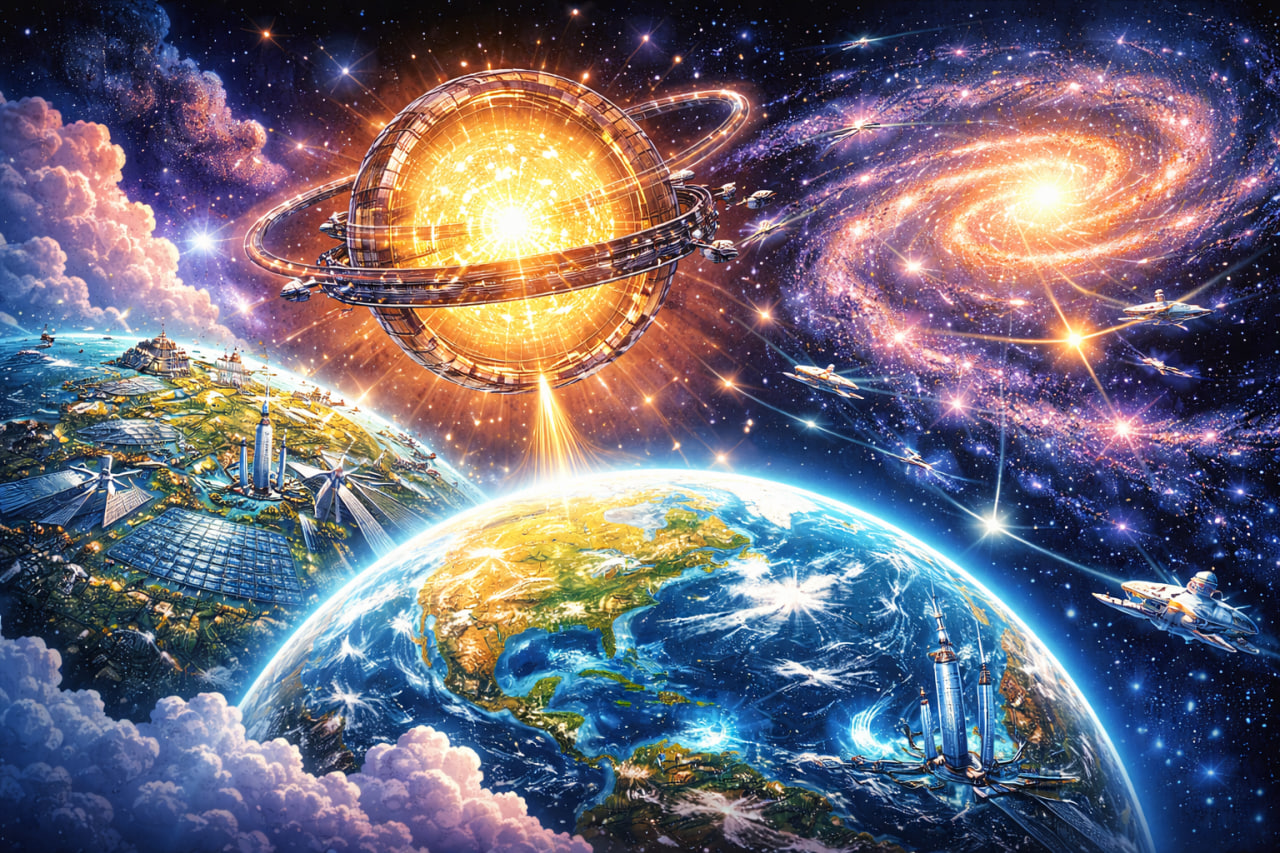
Humanity has long wondered how advanced a civilization can become and what markers define true technological progress. One of the most influential attempts to answer this question is the Kardashev scale, a theoretical framework that classifies civilizations based on their ability to harness and use energy. Rather than focusing on culture, morality, or intelligence, this scale uses a single, measurable criterion: power consumption. This approach allows scientists to compare civilizations across time and even speculate about extraterrestrial societies. Understanding where humanity stands on this scale provides insight into our technological limits, our future potential, and the challenges we must overcome to advance further.

Super-Earths: The Most Common Planets Missing from Our Solar System
Space Stories Universe Be Smart

Super-Earths: The Most Common Planets Missing from Our Solar System

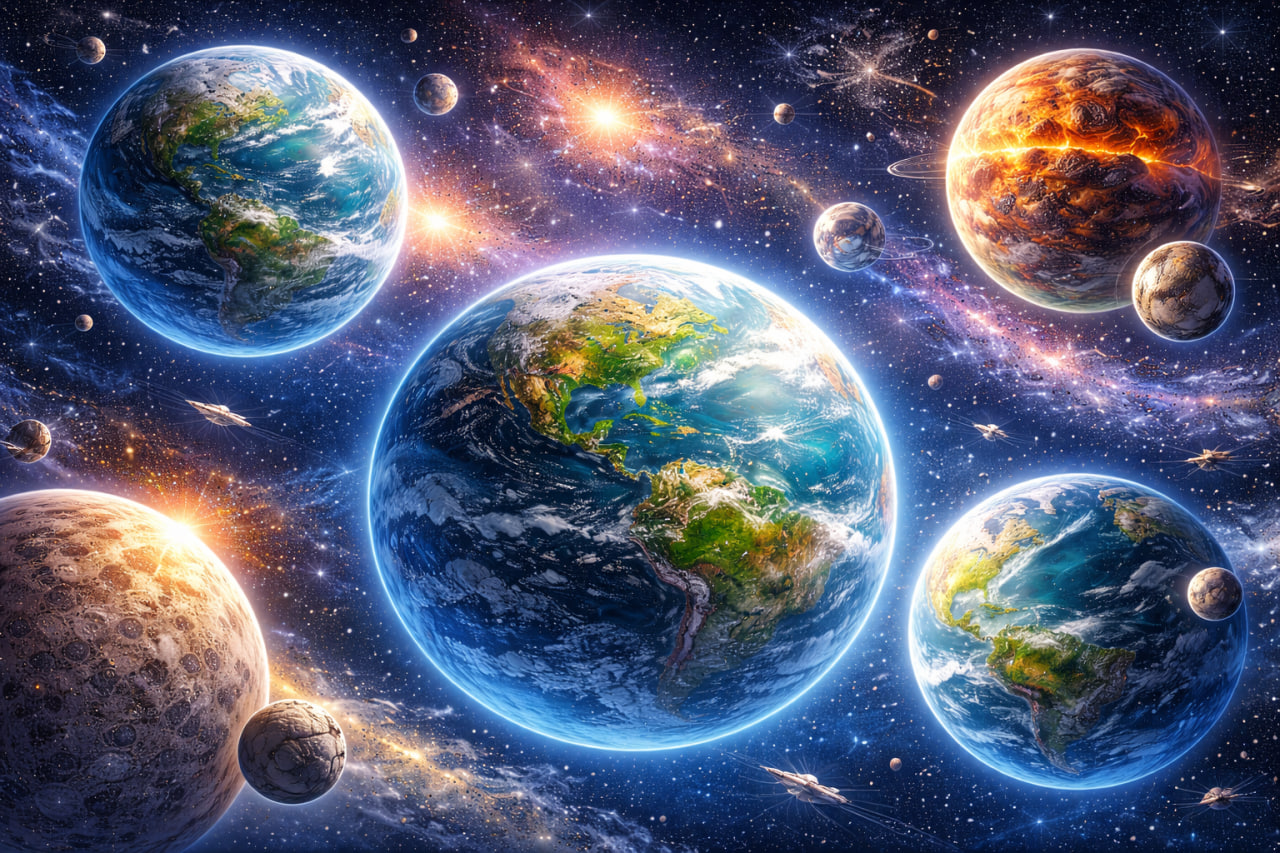
Among the thousands of exoplanets discovered so far, one class stands out for its abundance and mystery: super-Earths. These planets are more massive than Earth but lighter than ice giants like Neptune, occupying a size range that does not exist in our own solar system. Despite being the most frequently detected type of planet in the Milky Way, super-Earths are completely absent around the Sun. This paradox has made them a central focus of modern planetary science. By studying super-Earths, astronomers hope to understand not only how planetary systems form, but also why our own system appears so unusual compared to the galactic norm.

Crystallography: The Science of Order in Matter
Science Be Smart

Crystallography: The Science of Order in Matter

Crystallography is the scientific study of crystals and the ordered structures of matter at the atomic and molecular scale. Although crystals are often associated with gemstones or snowflakes, crystallography reaches far beyond visible beauty, forming a foundation for modern physics, chemistry, biology, and materials science. By revealing how atoms arrange themselves in repeating patterns, crystallography explains why materials have specific shapes, strengths, electrical properties, and optical behaviors. From the structure of table salt to the architecture of DNA, crystalline order governs much of the physical world. Understanding crystallography allows scientists to read the hidden geometry that defines matter itself.

How Many Planets in the Universe Could Potentially Support Life
Space Stories Universe Be Smart

How Many Planets in the Universe Could Potentially Support Life

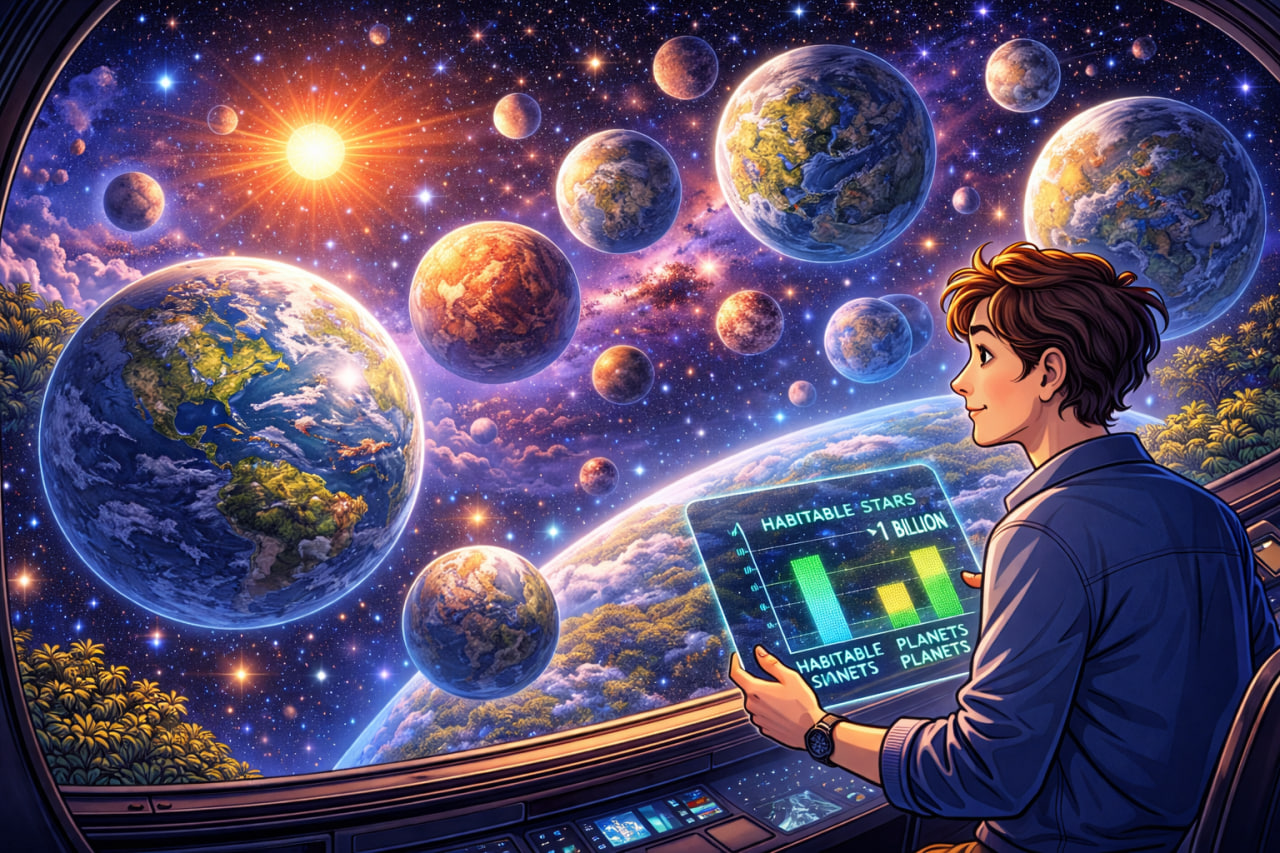
The question of how many planets in the universe might support life is one of the most profound in modern science. For centuries, humanity wondered whether Earth was unique, but recent astronomical discoveries suggest a very different picture. Advances in space telescopes and detection methods have revealed that planets are not rare exceptions, but common features of the universe. Many of these worlds orbit within conditions that could allow liquid water to exist. While the exact number remains uncertain, scientific estimates indicate that potentially habitable planets may be far more abundant than once imagined. Understanding these estimates helps place life on Earth into a broader cosmic context.

Does Magic Exist? What Does Science Say
Science Be Smart What if?

Does Magic Exist? What Does Science Say

The idea of magic has fascinated humanity for thousands of years, appearing in myths, religions, folklore, and modern popular culture. People across different civilizations believed that certain individuals could influence reality through hidden forces, rituals, or supernatural abilities. Even today, many claim to experience magical phenomena, from prophetic dreams to unexplained coincidences. Science, however, approaches such claims with caution, relying on observation, experimentation, and evidence rather than belief. This raises an important question: does magic truly exist, or are these experiences better explained by psychology, physics, and the limits of human perception? To answer this, scientists examine what people call “magic” and analyze the mechanisms behind it.