New Discoveries

Dark Flow: Why Galaxies Seem to Move in One Direction
Space Stories Universe New Discoveries

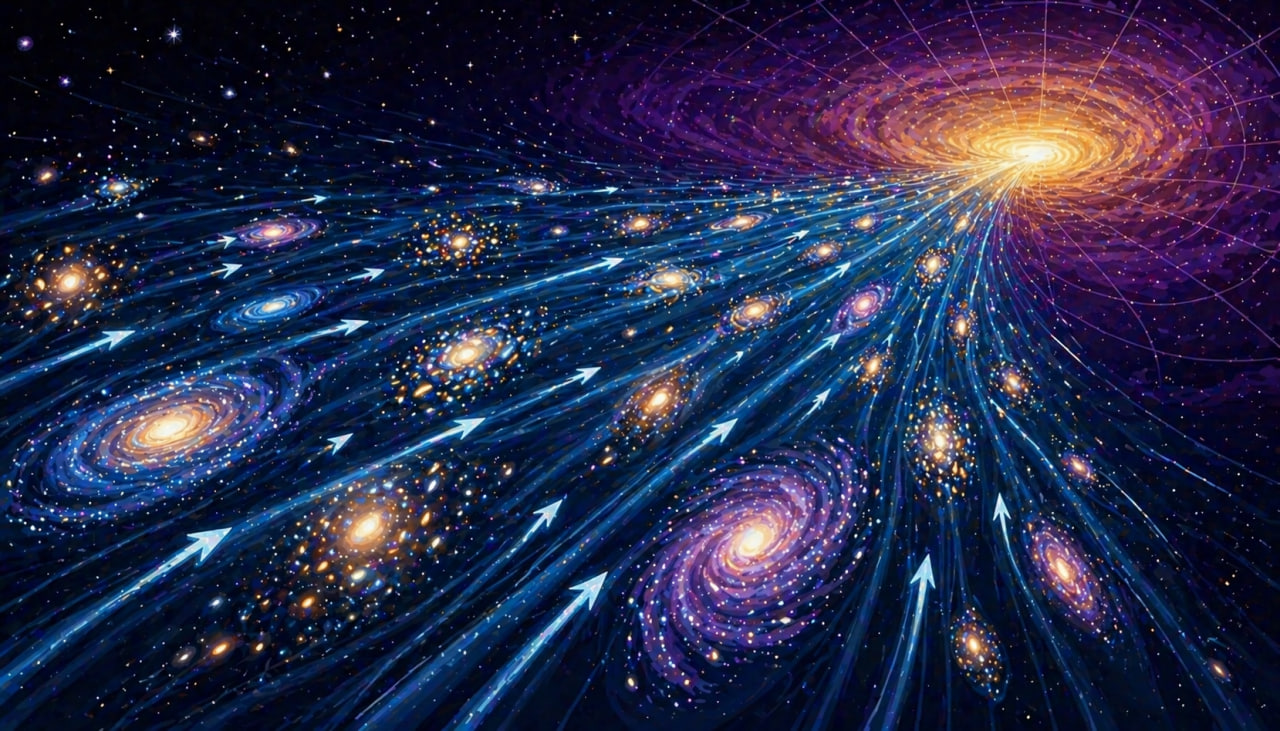
Dark Flow: Why Galaxies Seem to Move in One Direction

The universe is expanding, and galaxies are generally moving away from each other as space itself stretches. However, astronomers have observed something unexpected: large groups of galaxy clusters appear to be drifting in the same direction, as if pulled by an unseen force. This mysterious phenomenon is known as dark flow. The idea challenges our understanding of cosmology and raises a fundamental question: what could be powerful enough to influence motion on such enormous scales?

Acoustic Lasers: How Sound Can Behave Like Light
Hi-Tech New Discoveries Inventions

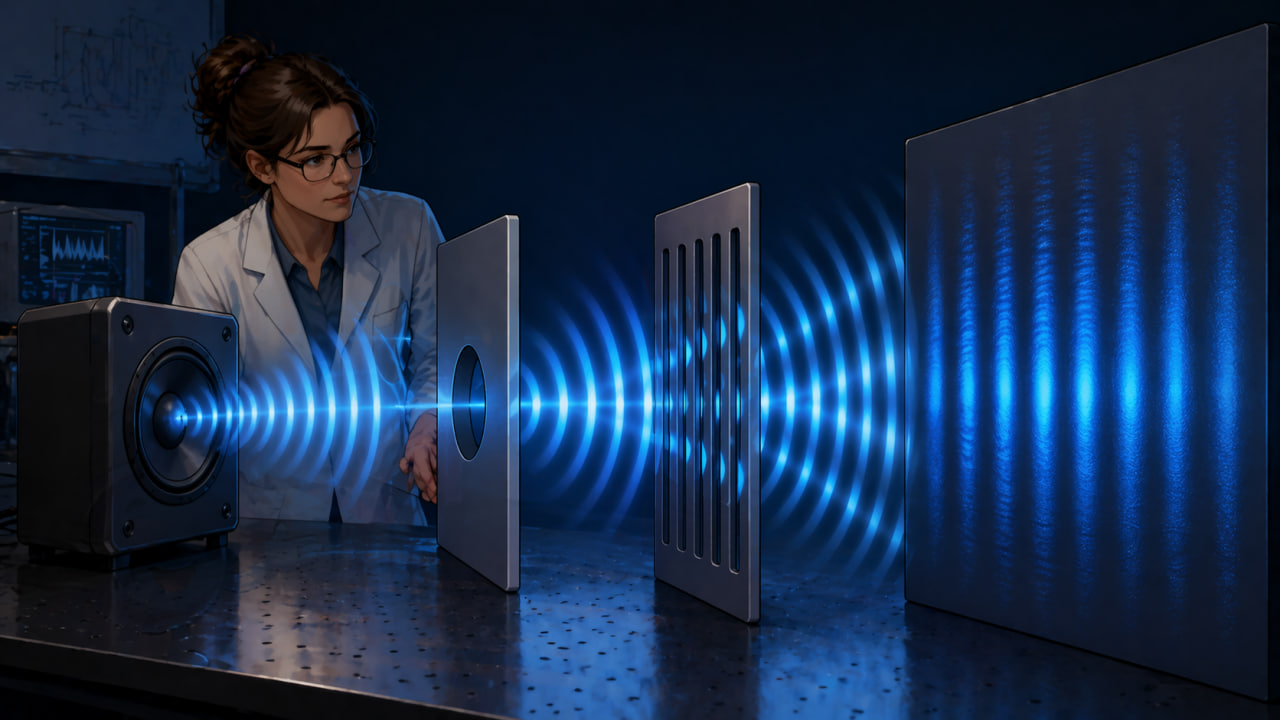
Acoustic Lasers: How Sound Can Behave Like Light

The term “laser” usually brings to mind beams of light used in medicine, communication, and technology. But scientists have discovered a fascinating counterpart: acoustic lasers, devices that amplify and control sound waves in ways similar to how traditional lasers manipulate light. These systems open new possibilities in physics, engineering, and medicine, challenging our understanding of waves and energy.

Biomimicry: How Nature Inspires Engineering Solutions
Science New Discoveries Be Smart

Biomimicry: How Nature Inspires Engineering Solutions

Biomimicry is an approach in science and engineering where ideas are drawn from natural systems, organisms, and processes to solve human problems. Instead of inventing solutions from scratch, researchers study how nature has already optimized structures and mechanisms over millions of years of evolution. This method has led to innovations in materials, architecture, medicine, and technology. Nature operates efficiently, using minimal energy and resources, which makes it an ideal model for sustainable design. Biomimicry is not about copying nature directly, but about understanding the principles behind natural solutions and applying them in new contexts.

Can We Create a Mini Black Hole on Earth?
Hi-Tech Science New Discoveries

Can We Create a Mini Black Hole on Earth?

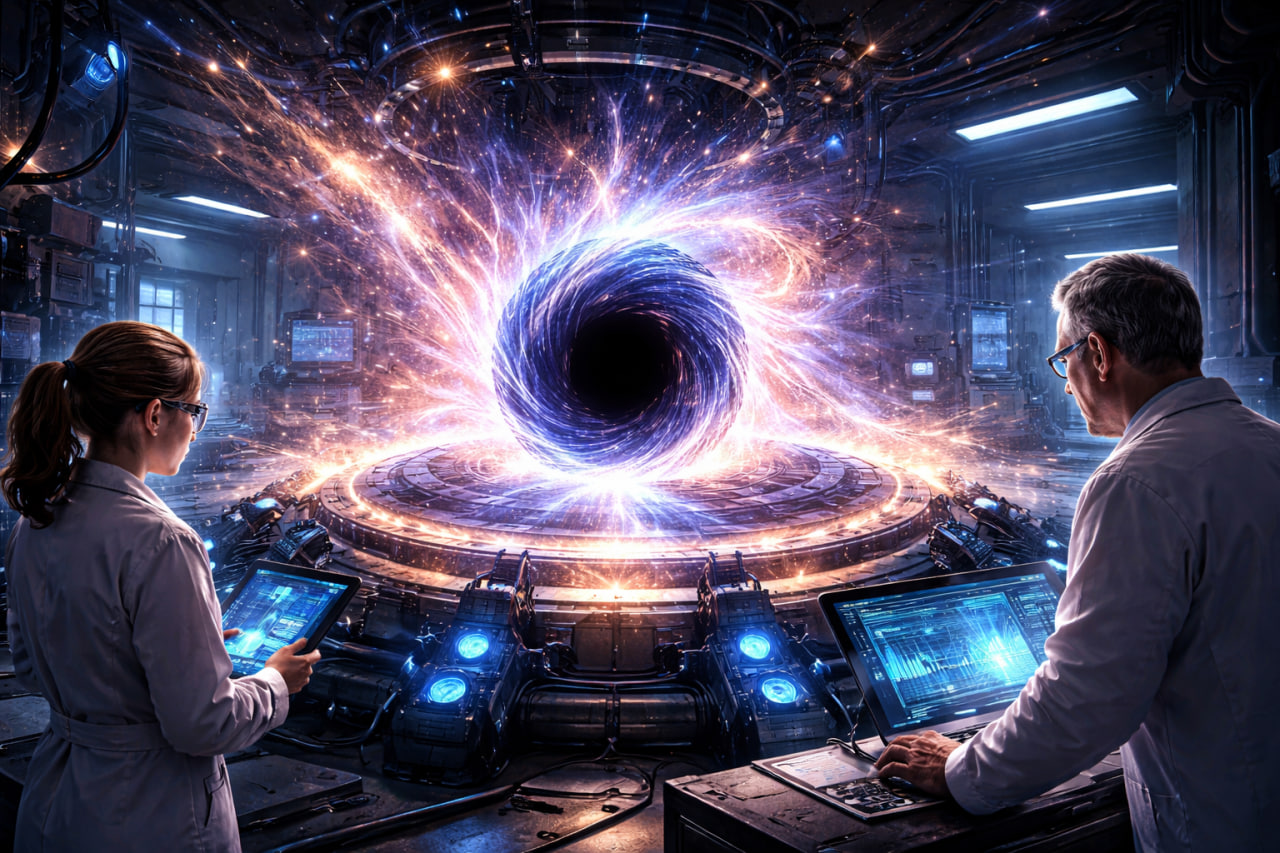
The idea of creating a mini black hole on Earth sounds like something from science fiction, but it is actually a topic that scientists have seriously explored in theoretical physics. Black holes are regions of space where gravity is so strong that nothing—not even light—can escape. They usually form when massive stars collapse under their own gravity. However, some theories suggest that extremely small black holes, known as micro black holes, could exist or even be created under the right conditions. The question is whether current human technology is capable of producing such an object, and if so, whether it would pose any danger.

Radiation Belts Around Planets: Invisible Shields and Threats
Space Stories Universe New Discoveries

Radiation Belts Around Planets: Invisible Shields and Threats

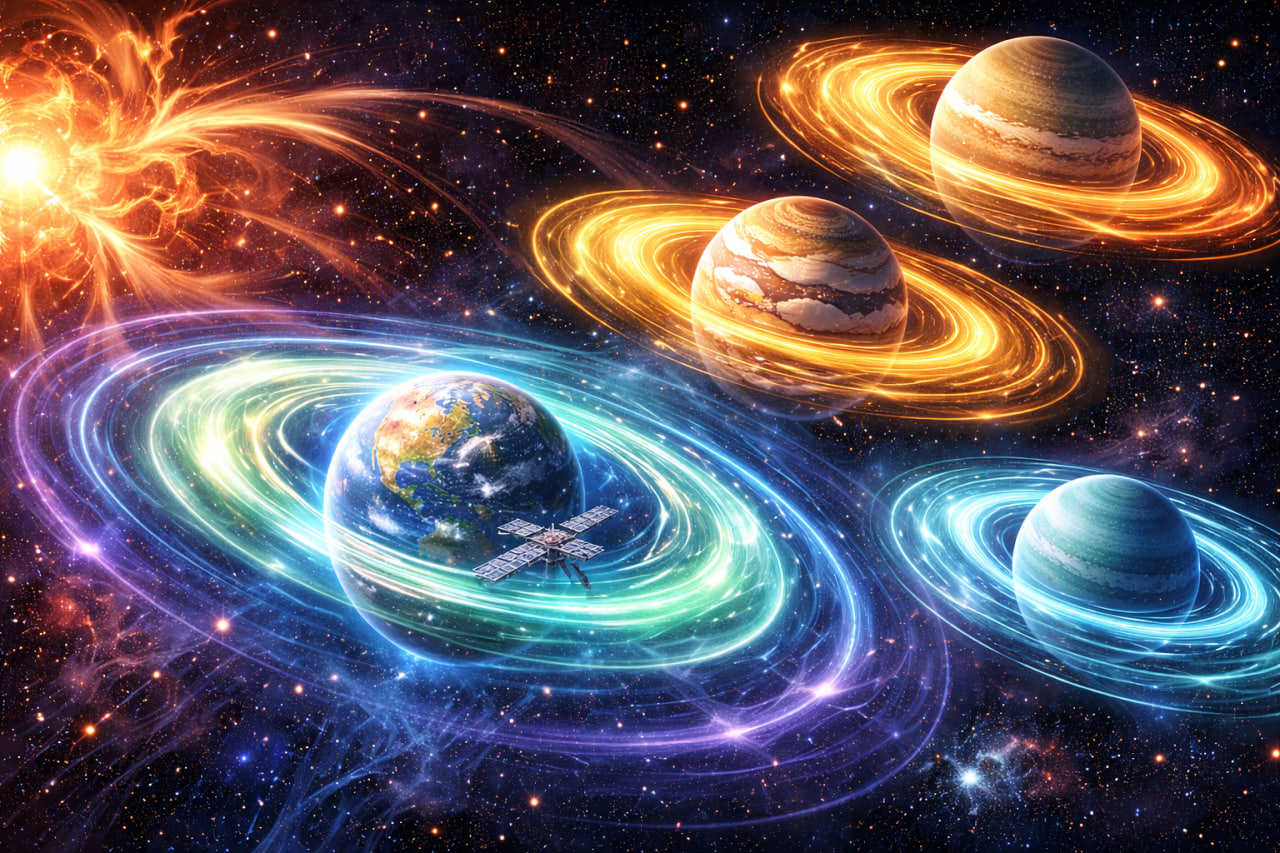
Radiation belts are regions surrounding planets where charged particles are trapped by magnetic fields, forming invisible yet powerful zones of energy. The most well-known example is Earth’s Van Allen radiation belts, but similar structures exist around other planets such as Jupiter and Saturn. These belts are created when particles from the solar wind become captured and accelerated by a planet’s magnetosphere. While they can act as a form of protection by deflecting harmful radiation, they also pose serious risks to spacecraft and astronauts. Understanding radiation belts is essential for space exploration and for studying how planetary magnetic fields interact with their environment.

Cosmic Microwave Background: The Echo of the Big Bang
Space Stories Universe Science

Cosmic Microwave Background: The Echo of the Big Bang

The cosmic microwave background (CMB) is one of the most important discoveries in modern cosmology, often described as the afterglow of the Big Bang. It is a faint radiation that fills the entire universe, detectable in every direction and providing a snapshot of the cosmos when it was only about 380,000 years old. At that early stage, the universe had cooled enough for electrons and protons to combine into neutral atoms, allowing light to travel freely for the first time. This moment, known as recombination, effectively released the radiation we now observe as the CMB. Studying this ancient signal allows scientists to understand the origin, structure, and evolution of the universe. It is not just a background noise—it is a detailed map of the early cosmos encoded in radiation.

Redshift: How the Universe Reveals Its Expansion
Universe Science New Discoveries

Redshift: How the Universe Reveals Its Expansion

Redshift is one of the most important concepts in modern astronomy, helping scientists understand how the universe is expanding and evolving over time. It refers to the phenomenon where light from distant objects shifts toward the red end of the spectrum as it travels through space. This effect occurs because the universe itself is expanding, stretching the wavelength of light along with it. By measuring redshift, astronomers can determine how far away galaxies are and how fast they are moving away from us. This simple yet powerful concept has transformed our understanding of the cosmos, providing key evidence for the expanding universe and supporting the Big Bang theory. Redshift acts like a cosmic ruler, allowing scientists to map the structure and history of the universe.

Hubble’s Law: The Expanding Universe Explained
Universe Science New Discoveries

Hubble’s Law: The Expanding Universe Explained

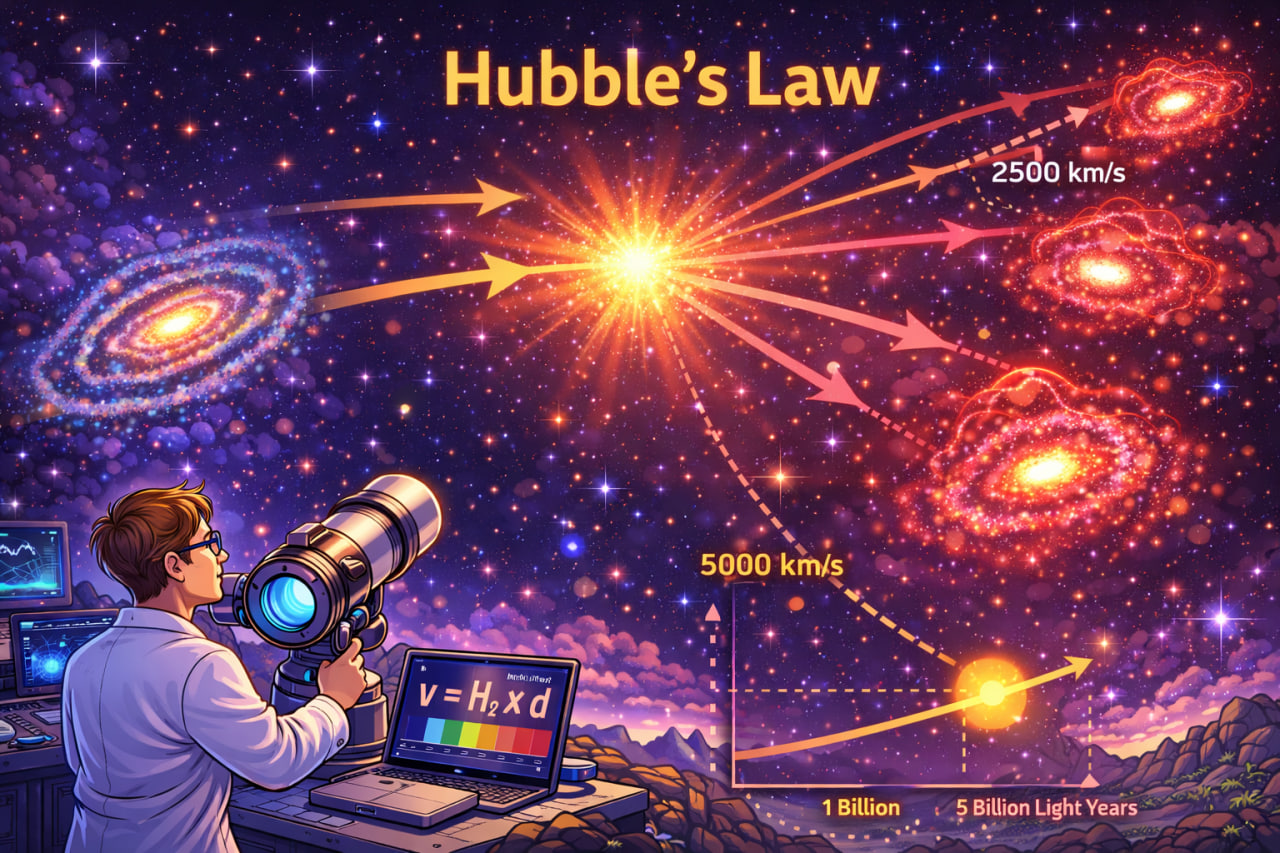
Hubble’s Law is one of the most important discoveries in modern astronomy, revealing that the universe is continuously expanding. It describes the relationship between the distance of galaxies and the speed at which they move away from us. Simply put, the farther a galaxy is, the faster it recedes. This discovery transformed our understanding of the cosmos, showing that the universe is not static but dynamic and evolving. It also provided strong evidence for the Big Bang theory, suggesting that the universe began from a single, dense point and has been expanding ever since. Today, Hubble’s Law remains a cornerstone of cosmology, helping scientists measure distances across vast regions of space and understand the large-scale structure of the universe.

Tabby’s Star: The Strangest Star and What Dims Its Light
Space Stories Universe New Discoveries

Tabby’s Star: The Strangest Star and What Dims Its Light

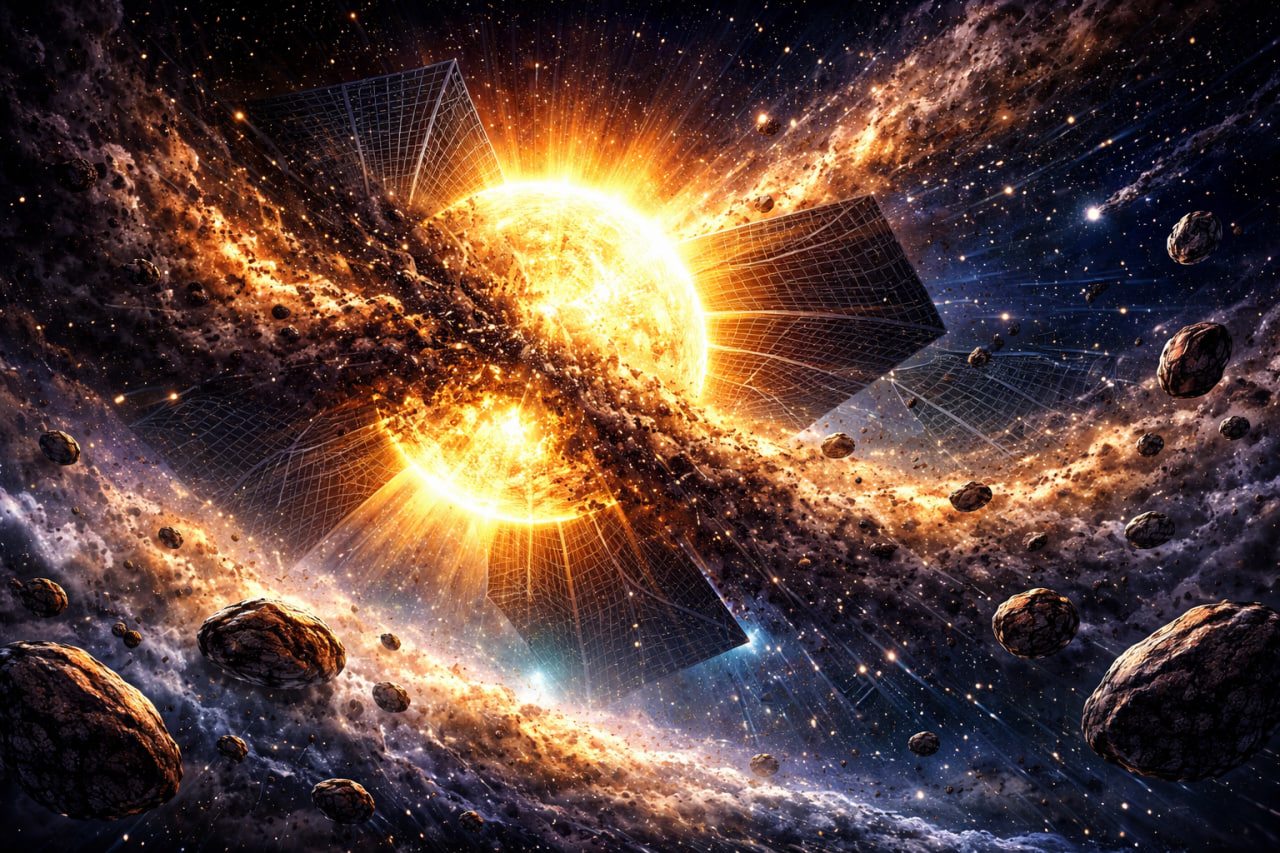
Tabby’s Star, also known as KIC 8462852, is one of the most mysterious objects ever discovered in our galaxy. It attracted global attention because of its unusual and irregular drops in brightness. Unlike typical stars, which dim in predictable ways when planets pass in front of them, this star shows deep and unpredictable fluctuations. Sometimes its brightness drops by more than 20%, which is extremely unusual. These strange patterns have led scientists to explore many possible explanations. Some early ideas even suggested the possibility of alien megastructures, although this remains highly speculative. Today, Tabby’s Star is a key subject in astrophysics research.

55 Cancri e: The “Diamond Planet” Worth Quintillions
Space Stories Universe New Discoveries

55 Cancri e: The “Diamond Planet” Worth Quintillions

The exoplanet 55 Cancri e has gained worldwide attention due to the idea that it may contain enormous amounts of carbon in the form of diamond. Located about 40 light-years from Earth, this planet orbits very close to its parent star and completes a full orbit in less than a day. Because of its extreme conditions, it is classified as a super-Earth, meaning it is larger than our planet but smaller than gas giants. Early scientific models suggested that its composition might be rich in carbon, leading to the popular nickname “diamond planet.” This idea captured public imagination, with estimates of its potential value reaching unimaginable numbers. However, the reality is more complex than the headlines suggest. Studying this planet helps scientists better understand how different types of worlds can form in the universe.