The transition of a liquid into a solid is one of the most fundamental phase changes in nature, yet it is far more complex than it appears. This process, known…
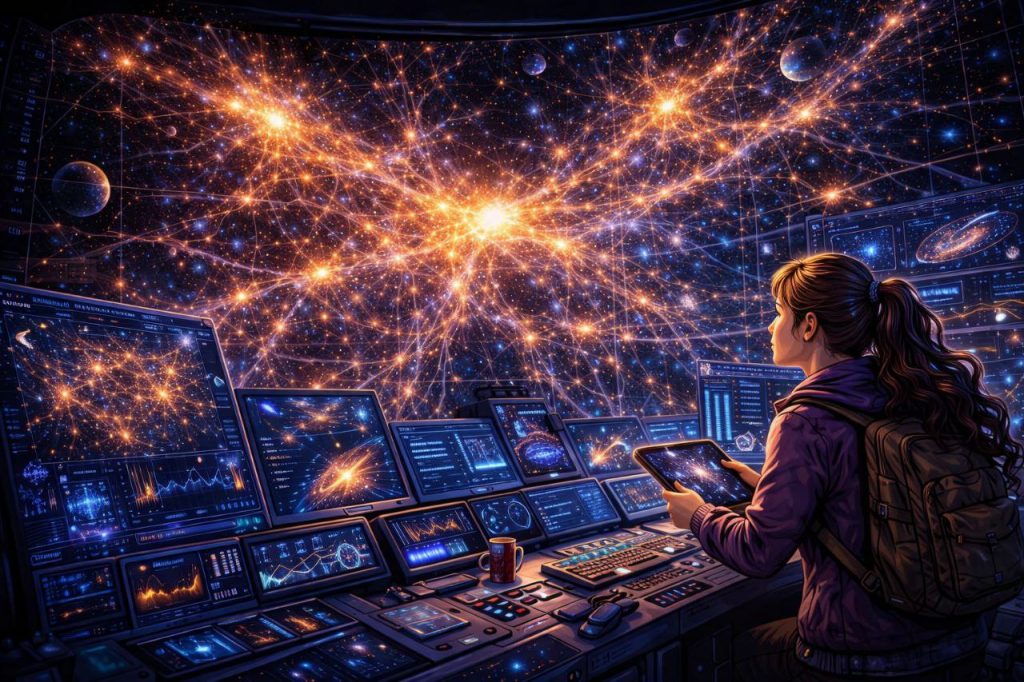
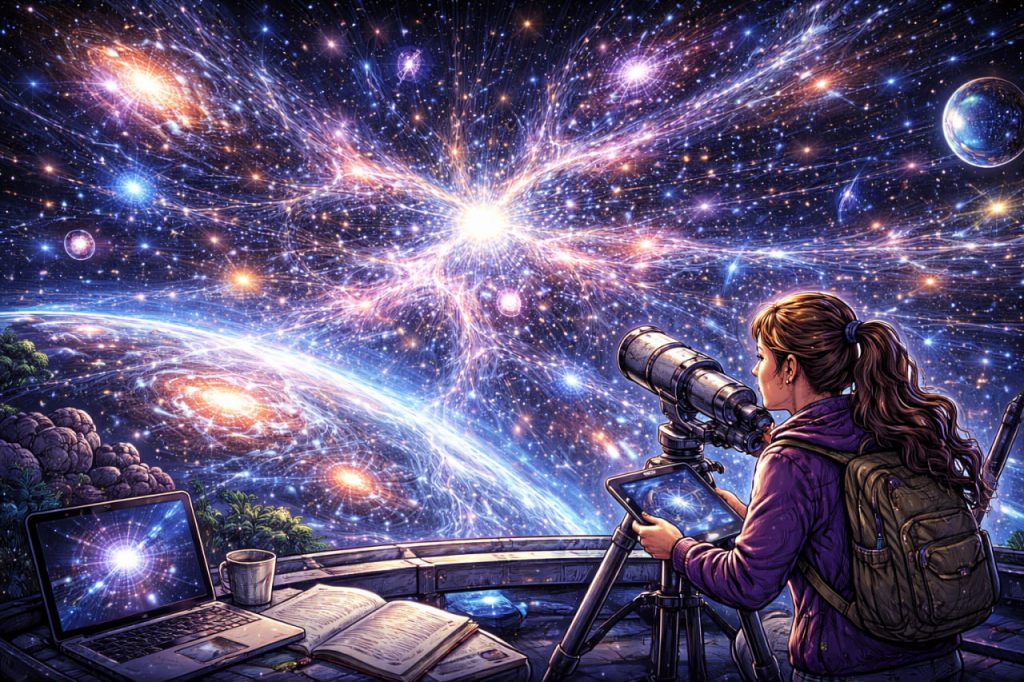
When we look at the universe on its largest scales, galaxies are not scattered randomly through space. Instead, they form an immense, interconnected structure known as the cosmic web. This…
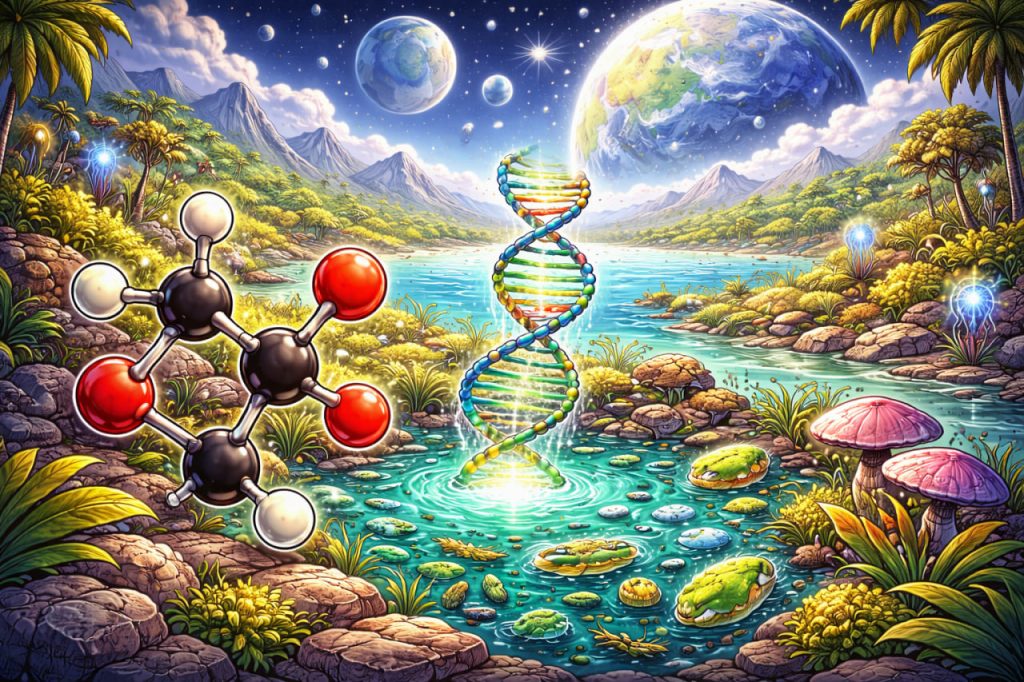
When scientists search for life beyond Earth, they begin with a fundamental question: what conditions are required for life to exist at all? While life on our planet offers only…
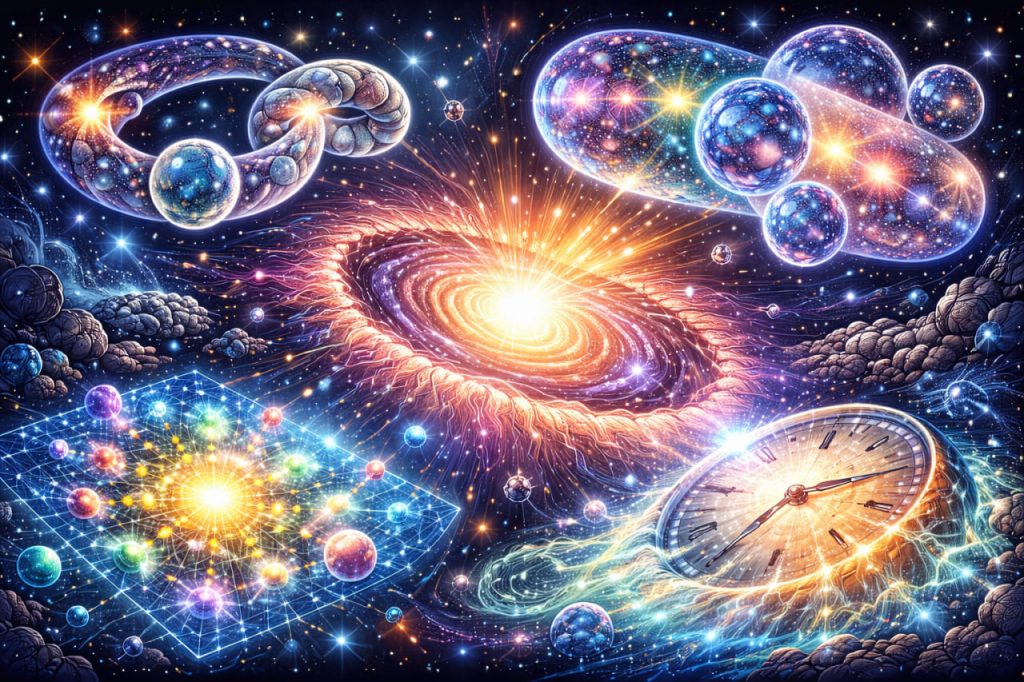
The Big Bang theory successfully describes the early expansion of the universe, but it does not fully answer one of the most profound questions in science: what, if anything, existed…
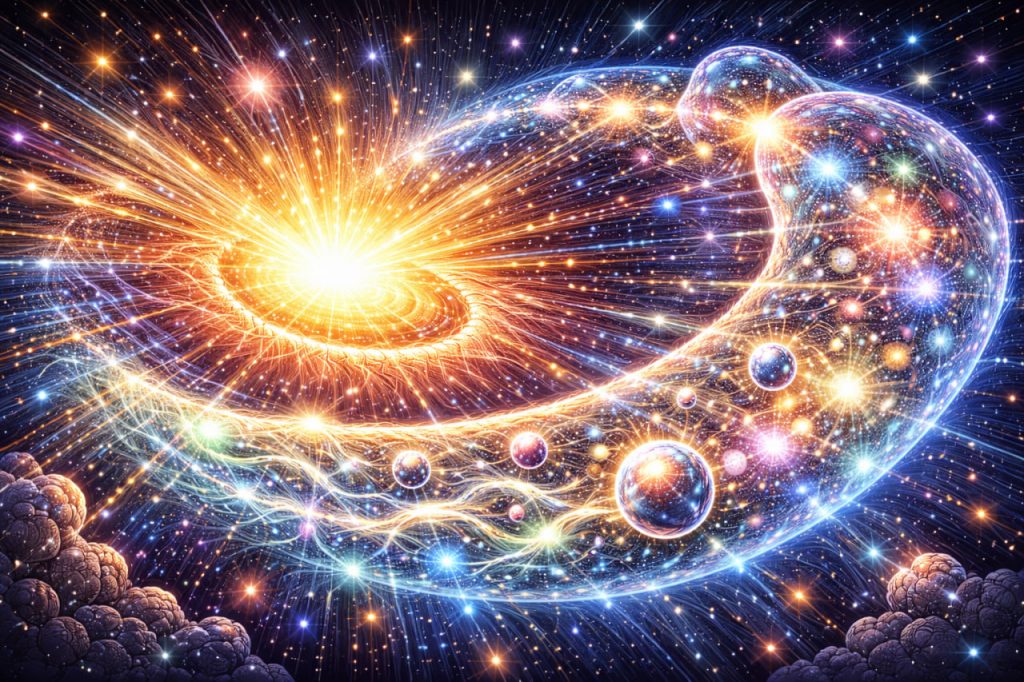
One of the most influential ideas in modern cosmology is the concept of cosmic inflation, a brief period of extremely rapid expansion that occurred at the very beginning of the…
At the largest scales imaginable, the universe appears calm, structured, and surprisingly uniform. Yet this apparent simplicity hides an extraordinary level of complexity that scientists are still working to understand.…
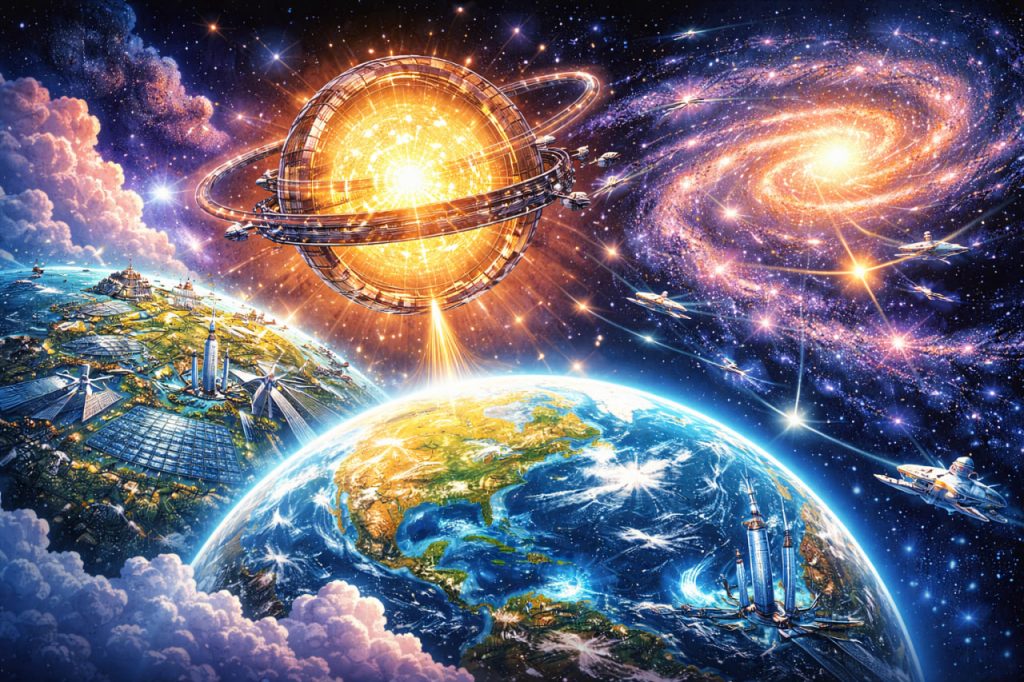
Humanity has long wondered how advanced a civilization can become and what markers define true technological progress. One of the most influential attempts to answer this question is the Kardashev…
Crystallography is the scientific study of crystals and the ordered structures of matter at the atomic and molecular scale. Although crystals are often associated with gemstones or snowflakes, crystallography reaches…
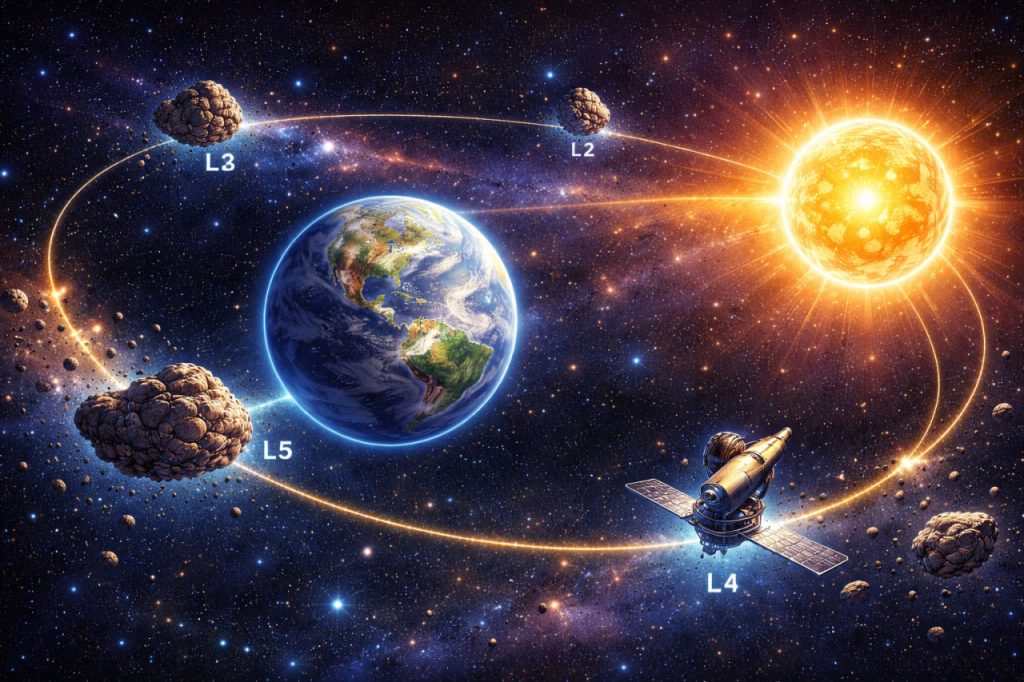
A Lagrange point is a special position in space where the gravitational forces of two large bodies, such as the Sun and a planet, balance in a way that allows…
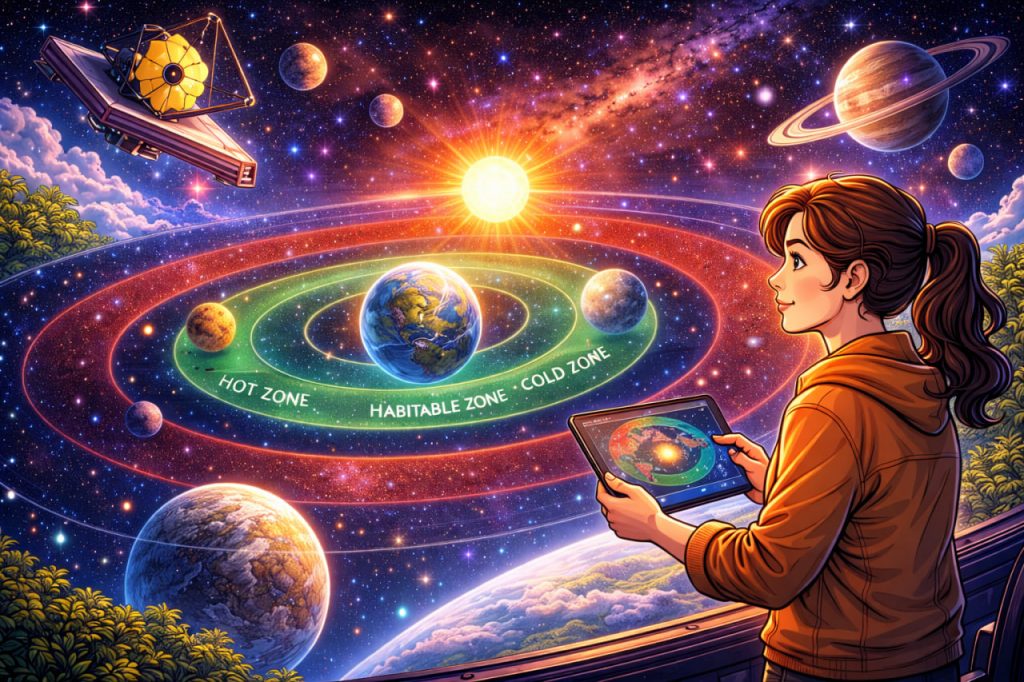
The habitable zone is one of the most important concepts in the search for life beyond Earth. It describes a region around a star where conditions may allow liquid water…