Skip to content
Science Observer Science Observer

Useful articles about our universe and science

  • Home
  • Calculators
    • Artificial intelligence
      • AI Automation ROI Calculator
      • AI Ethics & Governance Risk Checker
      • AI Hallucination Risk Estimator
      • AI Model Training Cost Calculator
      • AI Time Saved Calculator
      • AI Token & Cost Calculator
      • Data Transfer Time Calculator
      • Internet Data Usage Calculator
    • Bioengineering
      • Bacterial Growth Calculator (Doubling Time)
      • DNA Melting Temperature (Tm) Calculator
      • Genetic Trait Probability Calculator
      • Neural Signal Latency Calculator
      • Neural Signal Speed Calculator
      • Punnett Square Calculator
    • Hi-tech
      • GPU Training Time Calculator
      • Screen PPI Calculator
      • Smart Home Energy Savings Calculator
    • Science
      • Capacitor Calculator (C, Q, V, Energy, RC)
      • Coulomb’s Law Calculator
      • Dew Point Calculator
      • Dilution Calculator (C₁V₁ = C₂V₂) !
      • Doppler Effect Calculator (Sound)
      • Electric Power Calculator
      • Exponential Growth Calculator
      • Free Fall Time Calculator
      • Gravitational Force Calculator
      • Heat Capacity Calculator (Q = m·c·ΔT)
      • Heat Conduction Calculator (Fourier’s Law)
      • Historical Time Gap Calculator
      • Ideal Gas Law Calculator (pV = nRT)
      • Kinetic Energy Calculator
      • Magnetic Field Strength Calculator
      • Momentum & Impulse Calculator!
      • Newton’s Second Law Calculator (F = m·a)
      • pH Calculator
      • pH Dilution Calculator
      • Pressure Calculator
      • Projectile Motion Calculator
      • Radioactive Half-Life Calculator
      • Research Impact Projection Calculator
      • Resistors in Series / Parallel Calculator
      • Science Unit Converter
      • Sound Distance Calculator (Thunder)
      • Sound Level (dB) Calculator
      • Time Dilation Calculator
      • Torque Calculator
      • Underwater Pressure Calculator
      • VO₂max Estimate Calculator
      • Wave Calculator
    • Universe
      • Age on Other Planets Calculator
      • Asteroid Impact Energy Calculator
      • Black Hole Radius Calculator
      • Black Hole Survival Distance Calculator
      • Cosmic Lookback Time Calculator
      • Escape Velocity Calculator
      • Horizon Distance Calculator
      • How Many Stars Can You See?
      • Intergalactic Travel Energy Calculator
      • Light Travel Time Calculator
      • Mars vs Earth Day Length Calculator
      • Orbit Speed & Period Calculator
      • Planet Gravity Comparison Calculator
      • Rocket Delta-V Estimator
      • Satellite Signal Delay Calculator
      • Space Travel Time Calculator
      • Telescope Resolution Calculator
      • Tidal Force Comparison Calculator
      • Time to Reach a Planet Calculator
      • Weight on Other Planets Calculator
      • What If Earth Stopped Spinning Calculator
      • What If the Sun Disappeared Timer
      • What If You Fell Into Jupiter Calculator

Science

  • Home
  • Science
  • Page 6
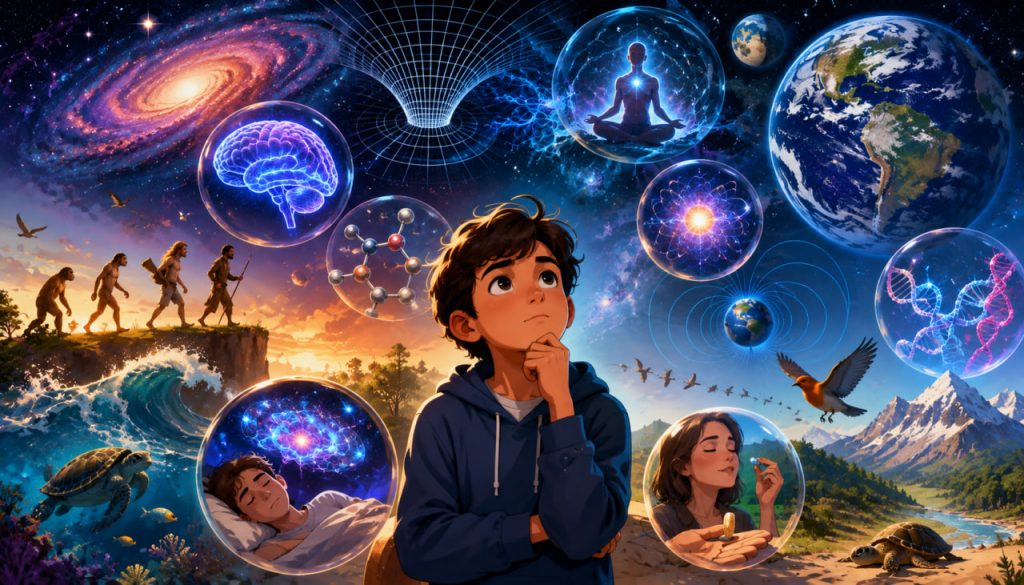
Top 10 Facts Science Still Cannot Fully Explain
Posted inChallenges Physics Science

Top 10 Facts Science Still Cannot Fully Explain

Science has explained an astonishing amount about the universe: how stars form, how DNA works, why diseases spread, how electricity moves, and how life evolved over billions of years. Yet…
Posted by deka August 25, 2026
The Impact of Color on the Human Mind: How Colors Shape Mood, Behavior, and Perception
Posted inBe Smart Neuro-Tech Science

The Impact of Color on the Human Mind: How Colors Shape Mood, Behavior, and Perception

Color is everywhere: in homes, websites, clothing, classrooms, hospitals, restaurants, offices, and advertisements. We often think of color as a matter of taste, but research suggests that colors can also…
Posted by deka August 23, 2026
Plasma and the Future of Humanity: How the Fourth State of Matter Could Transform Energy, Medicine, Space, and Technology
Posted inChallenges New Discoveries Science

Plasma and the Future of Humanity: How the Fourth State of Matter Could Transform Energy, Medicine, Space, and Technology

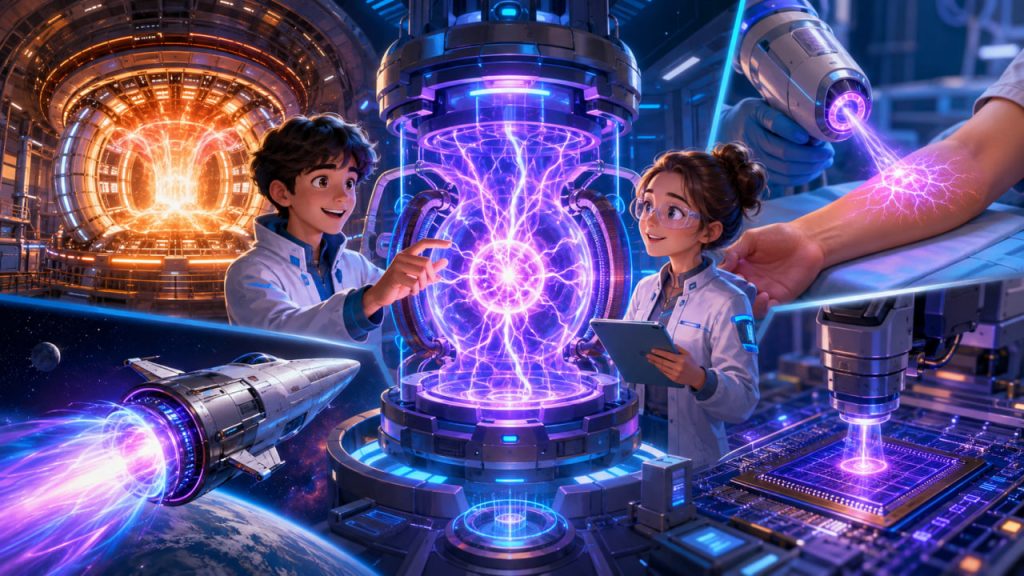
Plasma is often called the fourth state of matter, after solids, liquids, and gases. It may sound exotic, but plasma is everywhere in the universe. Stars are made mostly of…
Posted by deka August 22, 2026
Is Glass a Solid or a Very Slow-Moving Liquid?
Posted inBe Smart Science What if?

Is Glass a Solid or a Very Slow-Moving Liquid?

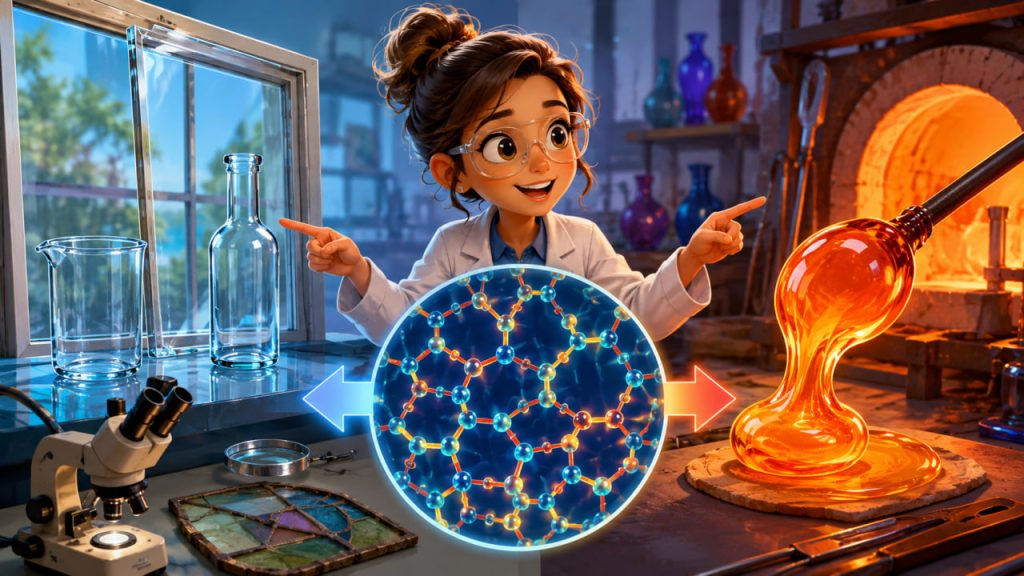
Glass is one of the most familiar materials in human life. It surrounds us in windows, screens, bottles, lenses, laboratory tools, fiber optics, solar panels, and architecture. Yet one popular…
Posted by deka August 21, 2026
Nanofluid Viscosity: How Liquids Behave in Tubes the Size of Atoms
Posted inBe Smart News Science

Nanofluid Viscosity: How Liquids Behave in Tubes the Size of Atoms

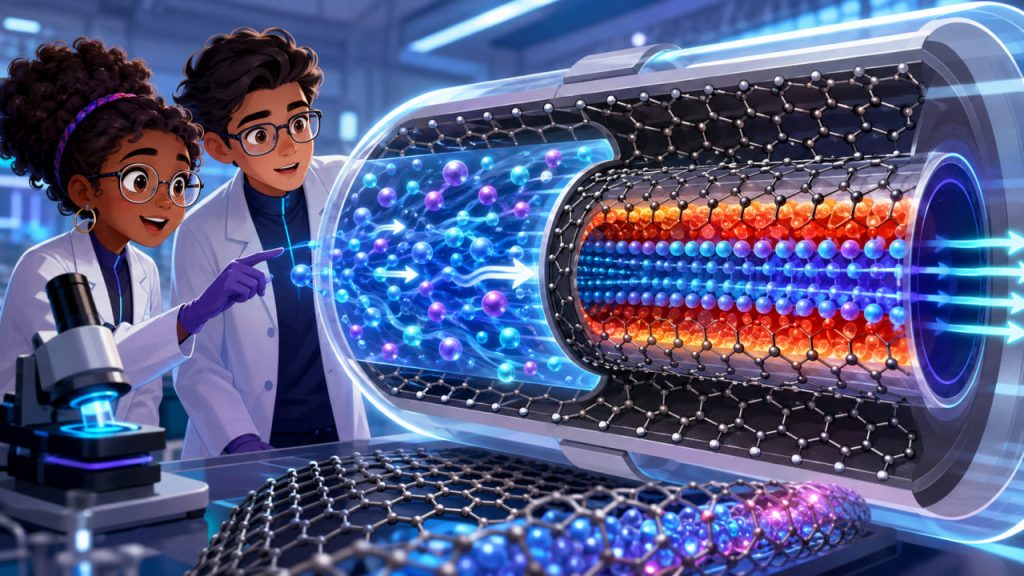
Water in a glass seems simple. Oil sliding across a pan seems familiar. Blood flowing through vessels, ink moving through a printer, and fuel passing through an engine all follow…
Posted by deka August 19, 2026
Einstein Rings and Dark Matter Halos: How Cosmic Lenses Reveal the Invisible Universe
Posted inNew Discoveries Science Space Stories

Einstein Rings and Dark Matter Halos: How Cosmic Lenses Reveal the Invisible Universe

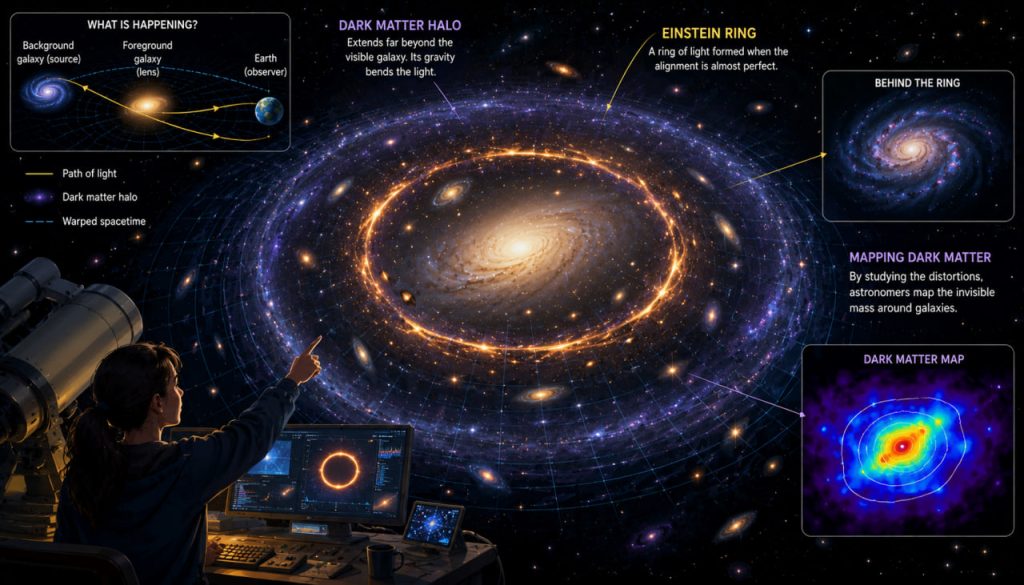
Some of the most beautiful images in astronomy look almost impossible: glowing arcs wrapped around galaxies, distorted smears of ancient light, and near-perfect circles shining in deep space. These are…
Posted by deka August 19, 2026
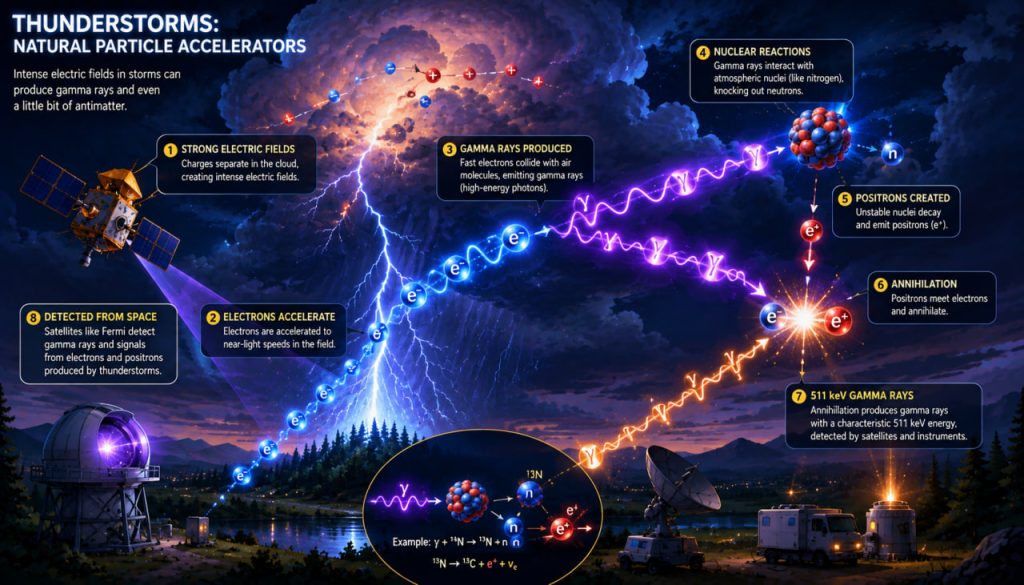
Gamma Rays from Thunderstorms: Do Ordinary Storms Really Produce Antimatter?
Posted inPhysics Science What if?

Gamma Rays from Thunderstorms: Do Ordinary Storms Really Produce Antimatter?

A thunderstorm may look familiar: dark clouds, lightning, thunder, rain, and sudden flashes across the sky. But inside some storms, nature can build something far stranger than ordinary electricity. For…
Posted by deka August 19, 2026
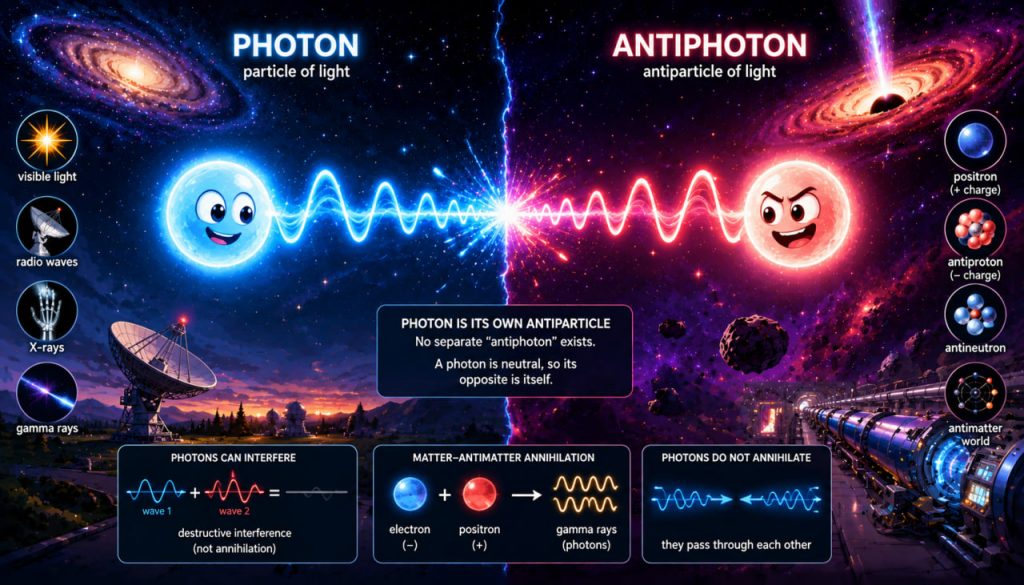
Antiphotons: Do Particles Opposite to Light Really Exist?
Posted inBe Smart Science What if?

Antiphotons: Do Particles Opposite to Light Really Exist?

Light feels simple because we experience it every day. Sunlight warms the skin, screens glow, lasers cut metal, and stars shine across space. But in modern physics, light is not…
Posted by deka August 19, 2026
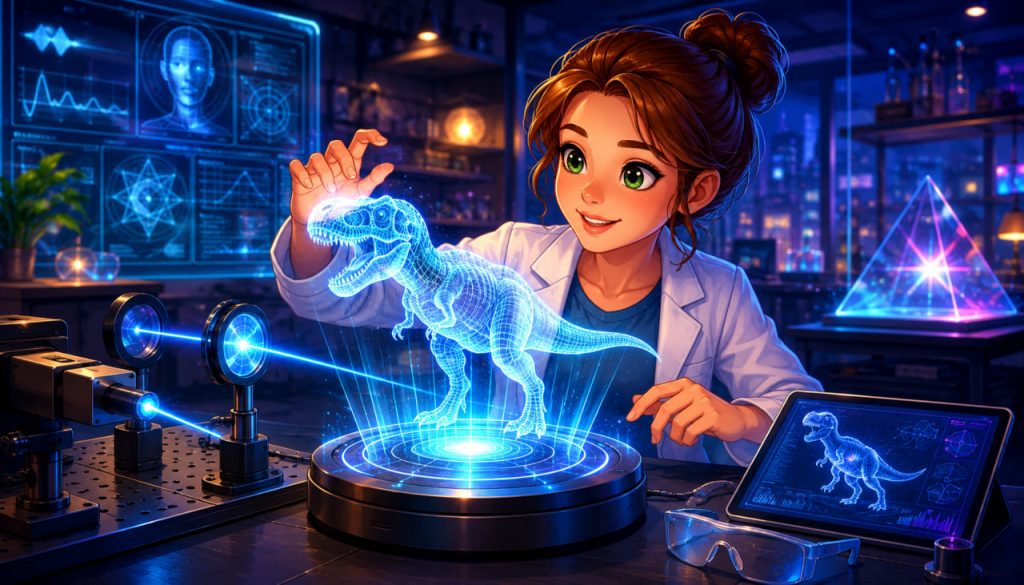
Holograms: How They Work and Why They Are Transforming Science, Medicine, and Entertainment
Posted inHi-Tech Science Smart Technology

Holograms: How They Work and Why They Are Transforming Science, Medicine, and Entertainment

Holograms have fascinated people for decades. From futuristic movies to advanced scientific laboratories, holographic technology has become one of the most exciting areas of modern optics. While many people associate…
Posted by deka August 15, 2026
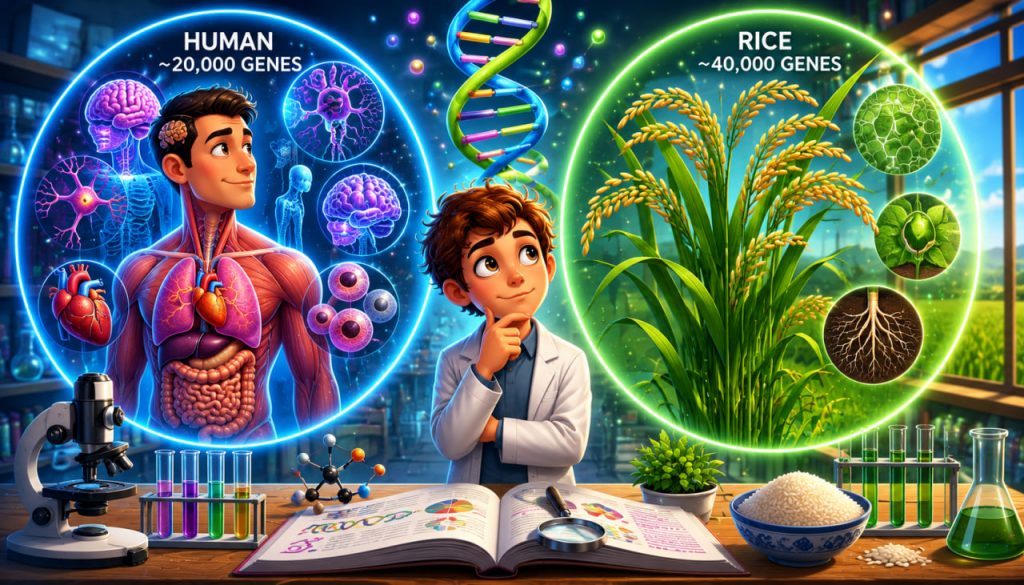
Why Do Humans Have Fewer Genes Than Rice? The Surprising Truth About Genome Complexity
Posted inBioengineering Science What if?

Why Do Humans Have Fewer Genes Than Rice? The Surprising Truth About Genome Complexity

At first glance, it seems logical to assume that more complex organisms should possess more genes. Humans have sophisticated brains, advanced immune systems, and trillions of highly specialized cells, while…
Posted by deka August 11, 2026

Posts pagination

Previous page 1 … 4 5 6 7 8 … 51 Next page
Recent Posts
  • The History of the Flashlight: From Its Invention in 1899 to Cutting-Edge Technology in 2026
  • How Do Flexible and Foldable Displays Work? The Technology Behind Bendable Screens
  • How Quantum Sensors Could Revolutionize Measurement Technology
  • How Augmented Reality Could Transform Everyday Life: The Future of AR Technology
  • The History of the Internet: From Military Research Networks to a Global Communication System
Categories
  • AI
  • AI & Ethics
  • Be Smart
  • Bioengineering
  • Challenges
  • Cosmic Innovations
  • Earth & Moon
  • Hi-Tech
  • History
  • Inventions
  • KnowHow
  • Mathematics
  • Neuro-Tech
  • New Discoveries
  • News
  • Physics
  • Science
  • Smart Home
  • Smart Technology
  • Solar System
  • Space Stories
  • Star Wars
  • Tesla&Co
  • Universe
  • What if?
Copyright 2026 — Science Observer. All rights reserved. Bloghash WordPress Theme
Scroll to Top