Skip to content
Science Observer Science Observer

Useful articles about our universe and science

  • Home
  • Calculators
    • Artificial intelligence
      • AI Automation ROI Calculator
      • AI Ethics & Governance Risk Checker
      • AI Hallucination Risk Estimator
      • AI Model Training Cost Calculator
      • AI Time Saved Calculator
      • AI Token & Cost Calculator
      • Data Transfer Time Calculator
      • Internet Data Usage Calculator
    • Bioengineering
      • Bacterial Growth Calculator (Doubling Time)
      • DNA Melting Temperature (Tm) Calculator
      • Genetic Trait Probability Calculator
      • Neural Signal Latency Calculator
      • Neural Signal Speed Calculator
      • Punnett Square Calculator
    • Hi-tech
      • GPU Training Time Calculator
      • Screen PPI Calculator
      • Smart Home Energy Savings Calculator
    • Science
      • Capacitor Calculator (C, Q, V, Energy, RC)
      • Coulomb’s Law Calculator
      • Dew Point Calculator
      • Dilution Calculator (C₁V₁ = C₂V₂) !
      • Doppler Effect Calculator (Sound)
      • Electric Power Calculator
      • Exponential Growth Calculator
      • Free Fall Time Calculator
      • Gravitational Force Calculator
      • Heat Capacity Calculator (Q = m·c·ΔT)
      • Heat Conduction Calculator (Fourier’s Law)
      • Historical Time Gap Calculator
      • Ideal Gas Law Calculator (pV = nRT)
      • Kinetic Energy Calculator
      • Magnetic Field Strength Calculator
      • Momentum & Impulse Calculator!
      • Newton’s Second Law Calculator (F = m·a)
      • pH Calculator
      • pH Dilution Calculator
      • Pressure Calculator
      • Projectile Motion Calculator
      • Radioactive Half-Life Calculator
      • Research Impact Projection Calculator
      • Resistors in Series / Parallel Calculator
      • Science Unit Converter
      • Sound Distance Calculator (Thunder)
      • Sound Level (dB) Calculator
      • Time Dilation Calculator
      • Torque Calculator
      • Underwater Pressure Calculator
      • VO₂max Estimate Calculator
      • Wave Calculator
    • Universe
      • Age on Other Planets Calculator
      • Asteroid Impact Energy Calculator
      • Black Hole Radius Calculator
      • Black Hole Survival Distance Calculator
      • Cosmic Lookback Time Calculator
      • Escape Velocity Calculator
      • Horizon Distance Calculator
      • How Many Stars Can You See?
      • Intergalactic Travel Energy Calculator
      • Light Travel Time Calculator
      • Mars vs Earth Day Length Calculator
      • Orbit Speed & Period Calculator
      • Planet Gravity Comparison Calculator
      • Rocket Delta-V Estimator
      • Satellite Signal Delay Calculator
      • Space Travel Time Calculator
      • Telescope Resolution Calculator
      • Tidal Force Comparison Calculator
      • Time to Reach a Planet Calculator
      • Weight on Other Planets Calculator
      • What If Earth Stopped Spinning Calculator
      • What If the Sun Disappeared Timer
      • What If You Fell Into Jupiter Calculator

New Discoveries

  • Home
  • New Discoveries
  • Page 4
How Air Ionization Influences the Electrostatic Charge of Microplastics and Nanoplastics
Posted inNew Discoveries News Smart Home

How Air Ionization Influences the Electrostatic Charge of Microplastics and Nanoplastics

Microplastics and nanoplastics have become some of the most intensively studied environmental pollutants of the 21st century. These tiny plastic particles are found in oceans, rivers, soil, food, drinking water,…
Posted by deka June 8, 2026
Fullerenes and Nanotubes: The Sporting Shapes of Pure Carbon
Posted inHi-Tech New Discoveries News

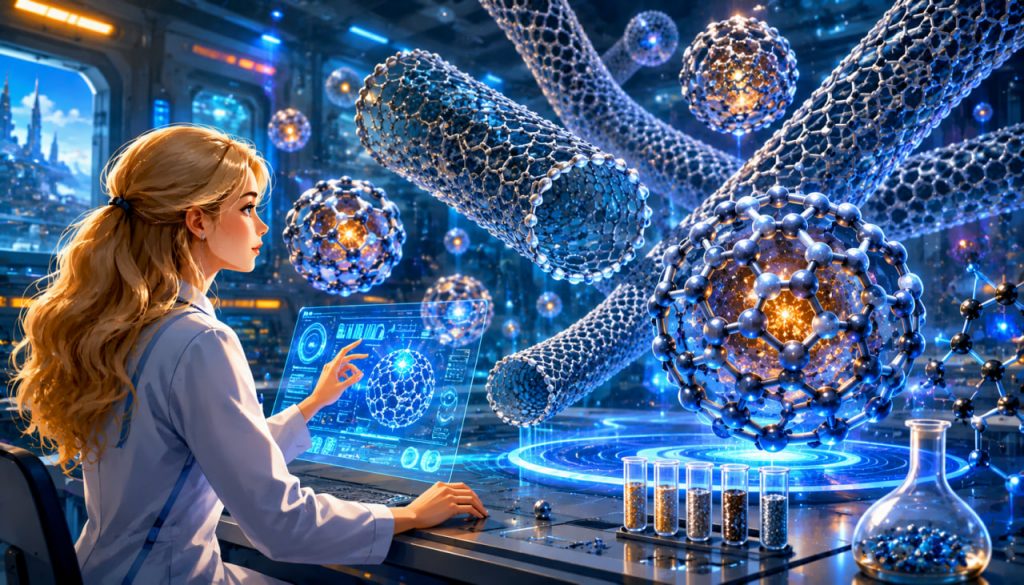
Fullerenes and Nanotubes: The Sporting Shapes of Pure Carbon

Carbon is one of the most remarkable elements in the universe. It forms the basis of all known life and exists in a surprising variety of structures. Most people are…
Posted by deka June 4, 2026
Sol-Gel Technology: How Can Glass or Ceramics Be Grown Like a Flower?
Posted inNew Discoveries News Science

Sol-Gel Technology: How Can Glass or Ceramics Be Grown Like a Flower?

When most people think of glass or ceramics, they imagine materials created in blazing furnaces at extremely high temperatures. Traditional manufacturing often requires melting raw materials at temperatures exceeding 1,000°C.…
Posted by deka June 4, 2026
Ionic Liquids: The Salts That Remain Liquid at Room Temperature
Posted inBe Smart New Discoveries Science

Ionic Liquids: The Salts That Remain Liquid at Room Temperature

When most people think of salt, they imagine a white crystalline solid such as table salt. Traditional salts are known for their high melting points and stable crystal structures. However,…
Posted by deka June 2, 2026
The Unruh Effect: Why an Accelerating Observer Sees Heat Where None Exists
Posted inNew Discoveries Physics Science

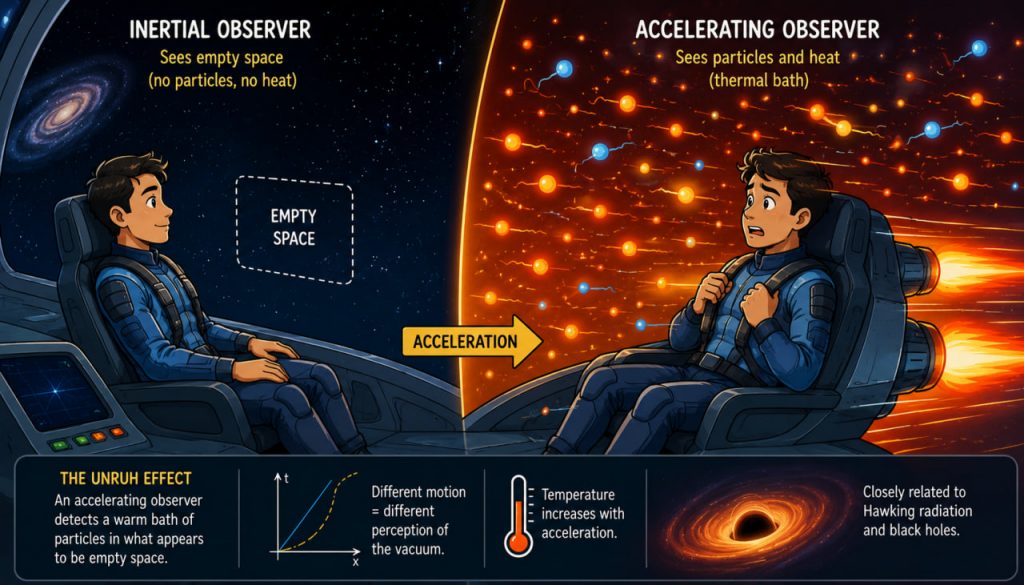
The Unruh Effect: Why an Accelerating Observer Sees Heat Where None Exists

Modern physics often reveals ideas that seem impossible at first glance. One of the most fascinating examples is the Unruh Effect, a theoretical prediction suggesting that an observer undergoing constant…
Posted by deka June 1, 2026
Solitons: The Remarkable Waves That Behave Like Particles
Posted inNew Discoveries Physics Science

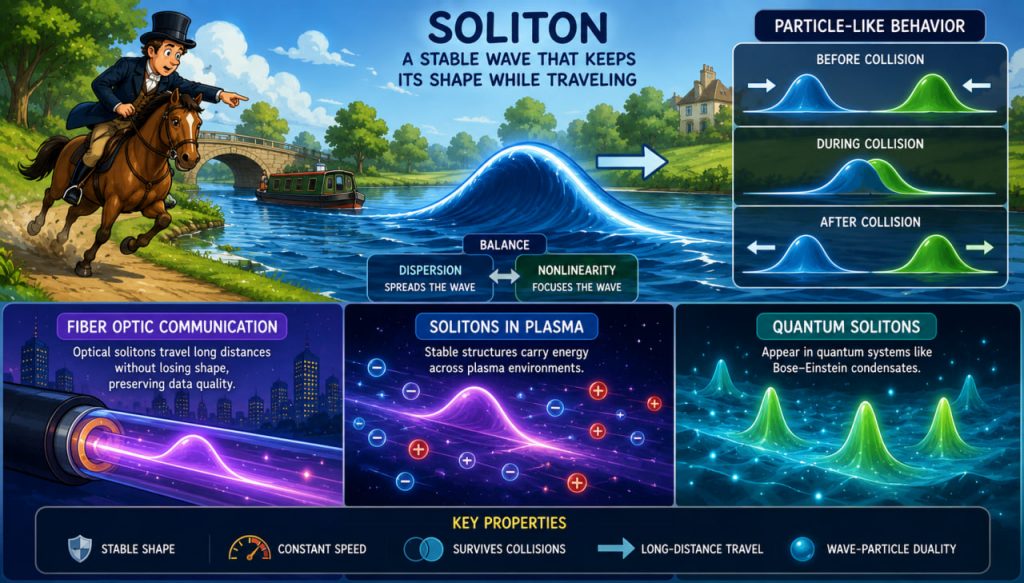
Solitons: The Remarkable Waves That Behave Like Particles

Most waves in nature eventually: Spread out Lose their shape Dissipate their energy A ripple on a pond gradually disappears. Sound waves weaken as they travel. Ocean waves eventually break…
Posted by deka May 29, 2026
The Casimir Effect: How the “Force of Nothingness” Makes Objects Stick Together in a Vacuum
Posted inNew Discoveries Science Universe

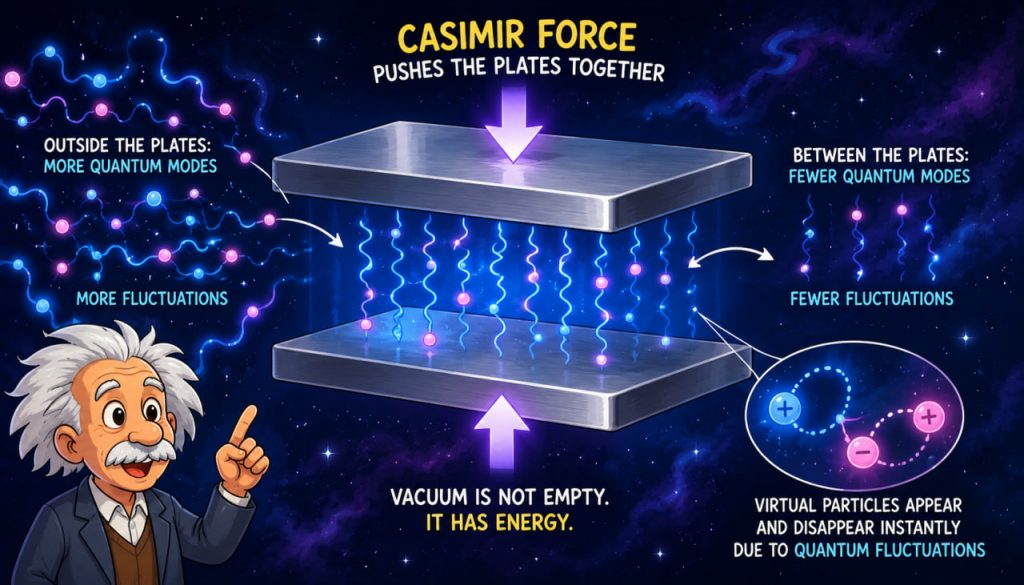
The Casimir Effect: How the “Force of Nothingness” Makes Objects Stick Together in a Vacuum

At first glance, empty space appears completely: Silent Motionless Void of matter For centuries, many scientists believed a vacuum represented: True nothingness However, modern quantum physics revealed something astonishing: Empty…
Posted by deka May 29, 2026
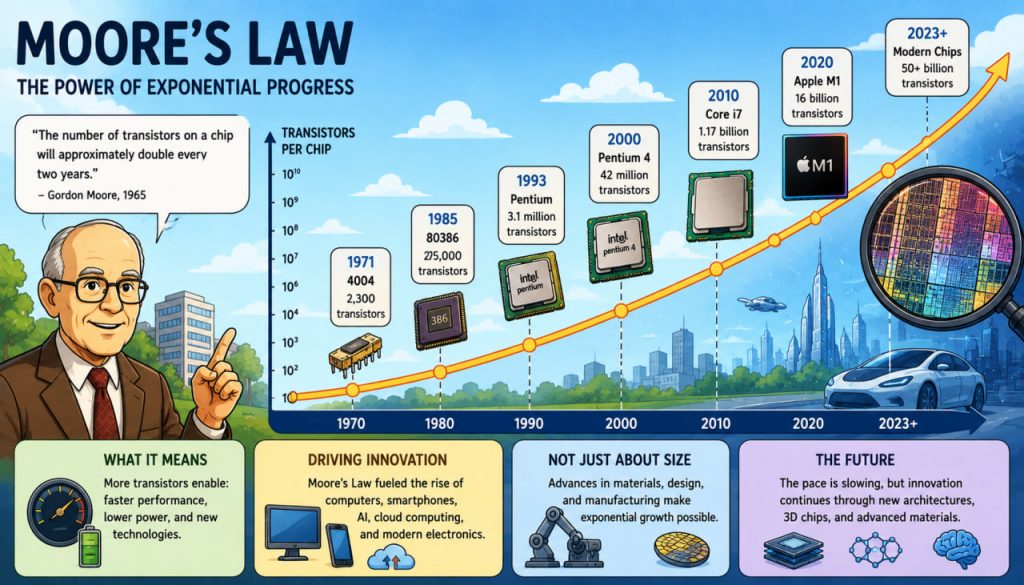
Moore’s Law: The Rule That Accelerated the Digital Revolution
Posted inAI Be Smart New Discoveries

Moore’s Law: The Rule That Accelerated the Digital Revolution

Modern civilization depends heavily on: Computers Smartphones Artificial intelligence Internet infrastructure Digital technology Yet only a few decades ago, computers were: Huge Slow Extremely expensive The astonishing speed of technological…
Posted by deka May 29, 2026
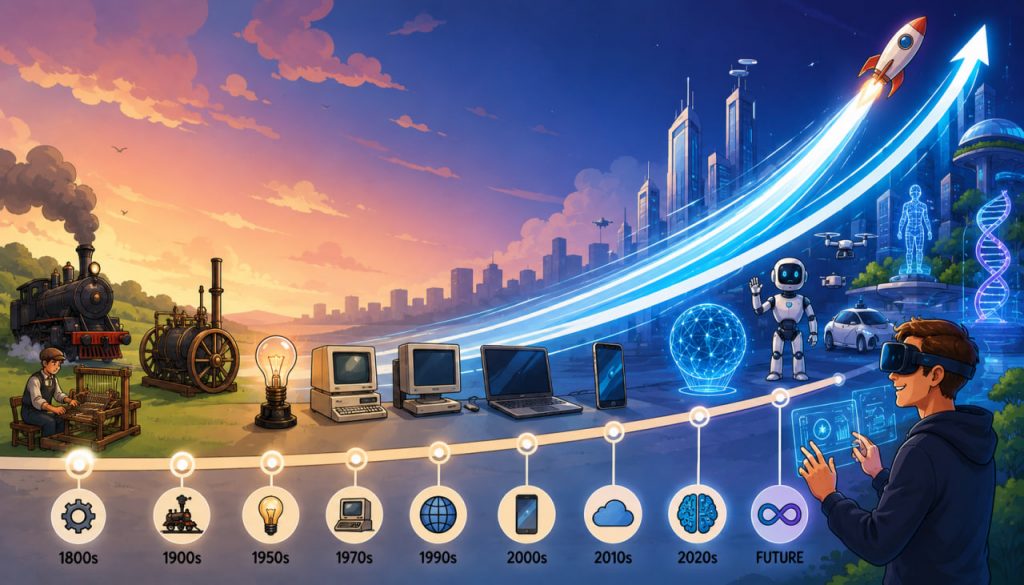
The Law of Accelerating Returns: Why Technological Progress Grows Like an Explosion
Posted inBe Smart New Discoveries Science

The Law of Accelerating Returns: Why Technological Progress Grows Like an Explosion

Human technological progress does not develop at a constant speed. Instead, many scientists and futurists argue that innovation grows: Faster and faster over time This idea became widely known through:…
Posted by deka May 29, 2026
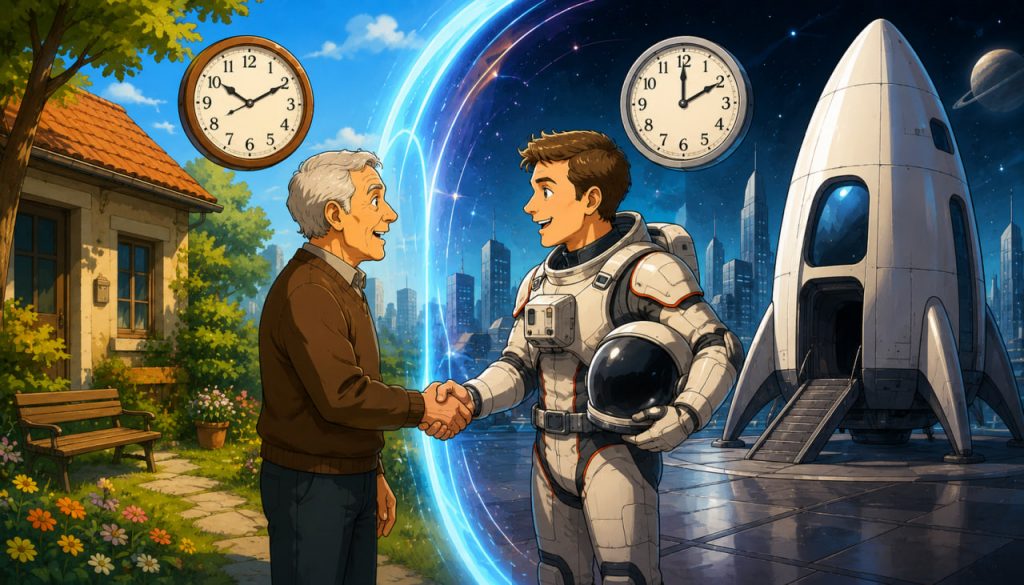
The Twin Paradox: Time Travel Explained Through Real Physics
Posted inNew Discoveries Physics Science

The Twin Paradox: Time Travel Explained Through Real Physics

Few ideas in modern physics sound as strange and fascinating as: Time travel into the future Unlike science fiction fantasies involving magical portals or time machines, real physics actually predicts…
Posted by deka May 21, 2026

Posts pagination

Previous page 1 2 3 4 5 6 … 23 Next page
Recent Posts
  • The History of the Flashlight: From Its Invention in 1899 to Cutting-Edge Technology in 2026
  • How Do Flexible and Foldable Displays Work? The Technology Behind Bendable Screens
  • How Quantum Sensors Could Revolutionize Measurement Technology
  • How Augmented Reality Could Transform Everyday Life: The Future of AR Technology
  • The History of the Internet: From Military Research Networks to a Global Communication System
Categories
  • AI
  • AI & Ethics
  • Be Smart
  • Bioengineering
  • Challenges
  • Cosmic Innovations
  • Earth & Moon
  • Hi-Tech
  • History
  • Inventions
  • KnowHow
  • Mathematics
  • Neuro-Tech
  • New Discoveries
  • News
  • Physics
  • Science
  • Smart Home
  • Smart Technology
  • Solar System
  • Space Stories
  • Star Wars
  • Tesla&Co
  • Universe
  • What if?
Copyright 2026 — Science Observer. All rights reserved. Bloghash WordPress Theme
Scroll to Top