Time feels like one of the most fundamental aspects of reality. We experience it as a constant flow from past to present to future. But what if this perception is…
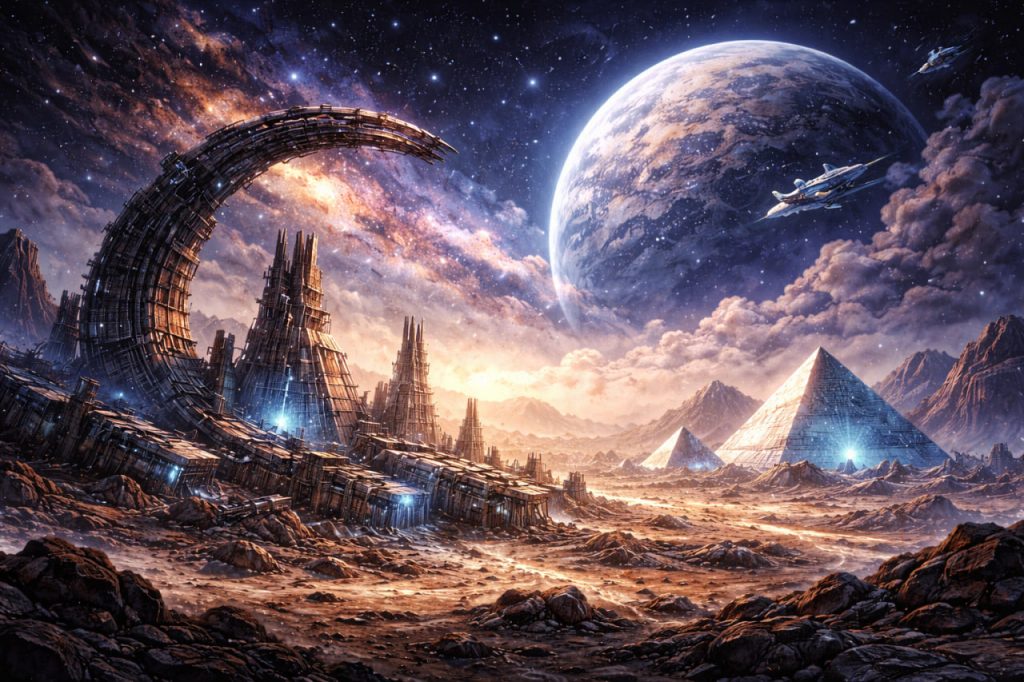
The idea of discovering traces of lost extraterrestrial civilizations has fascinated scientists and the public for decades. While traditional archaeology studies human history through physical remains on Earth, space archaeology…
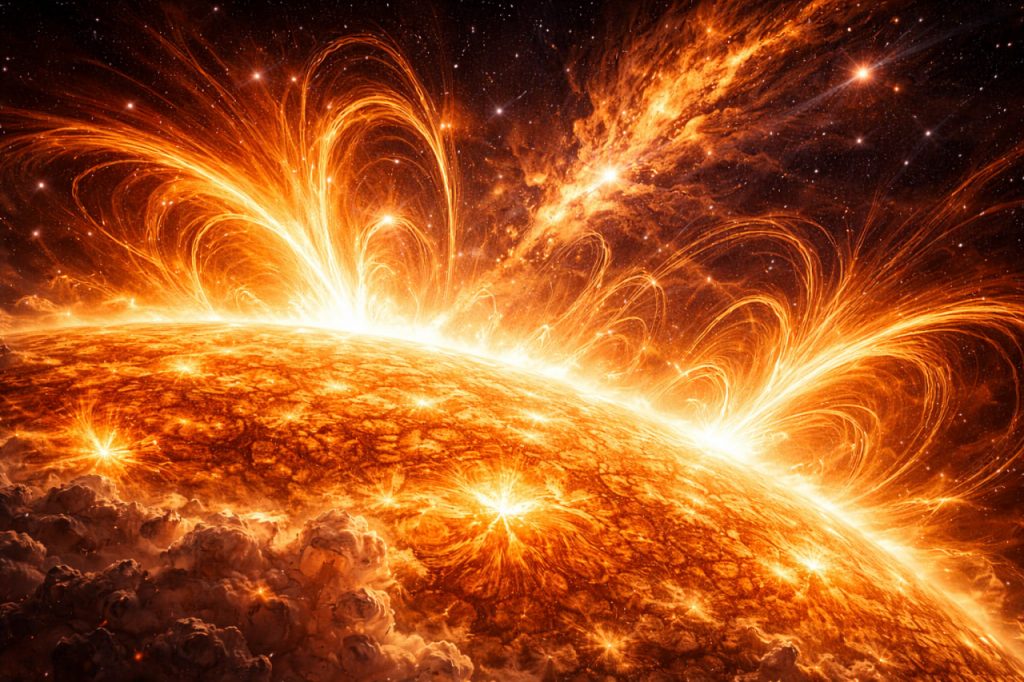
The solar corona is the outermost layer of the Sun’s atmosphere, extending millions of kilometers into space. It is usually invisible to the naked eye and can only be seen…
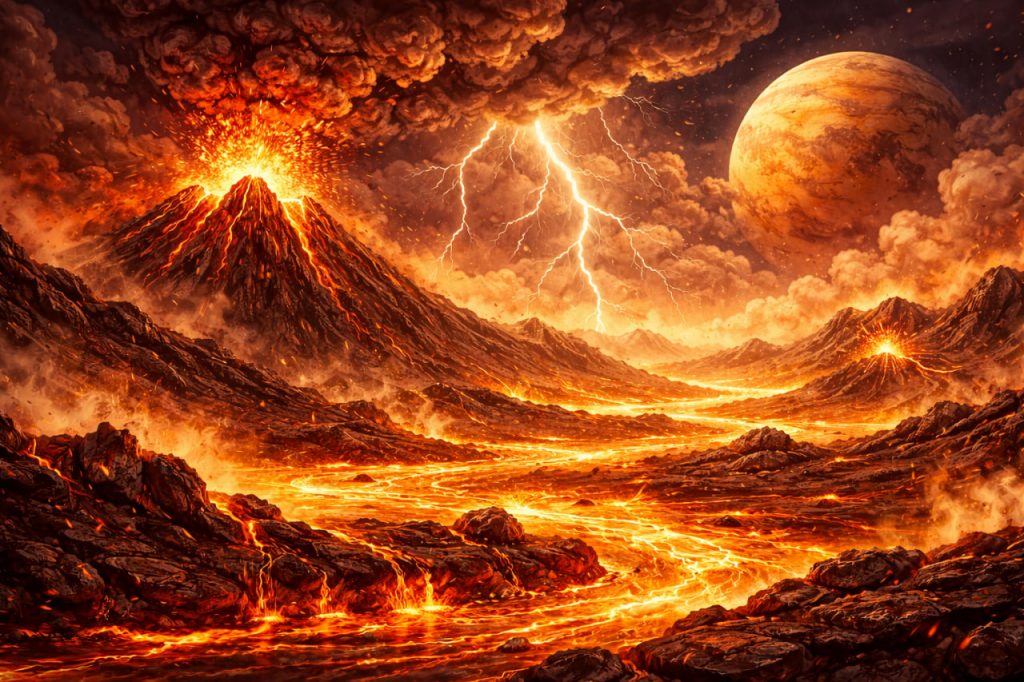
Venus is often called Earth’s “twin” because of its similar size, composition, and location in the inner Solar System. However, despite these similarities, Venus evolved into one of the most…
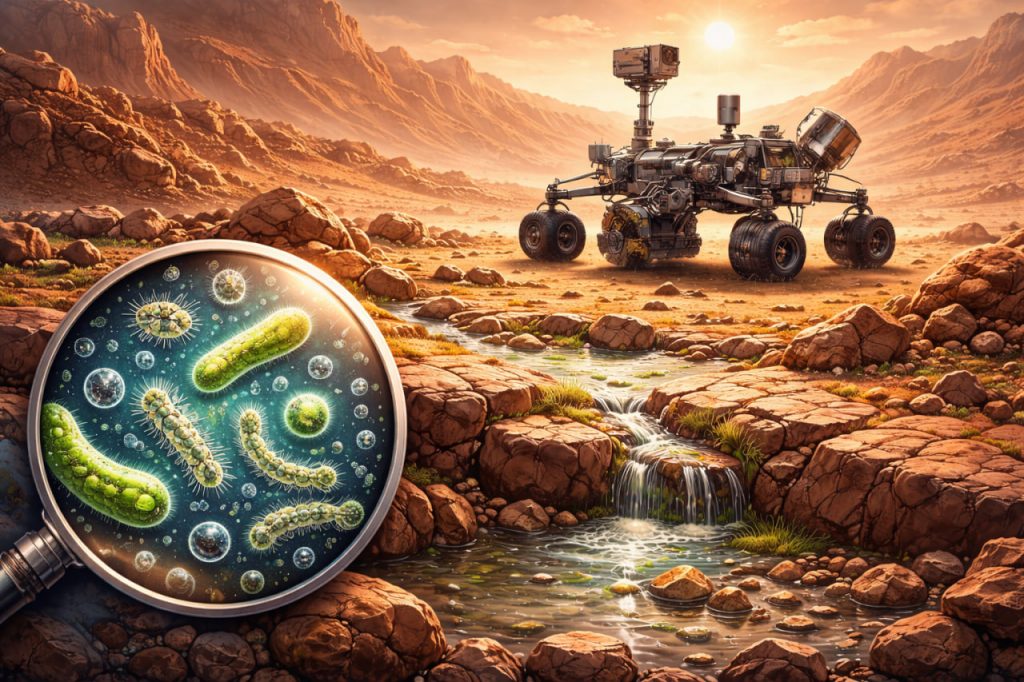
The question of whether life exists on Mars has fascinated scientists and the public for generations. As one of Earth’s closest planetary neighbors, Mars shares several similarities with our planet,…
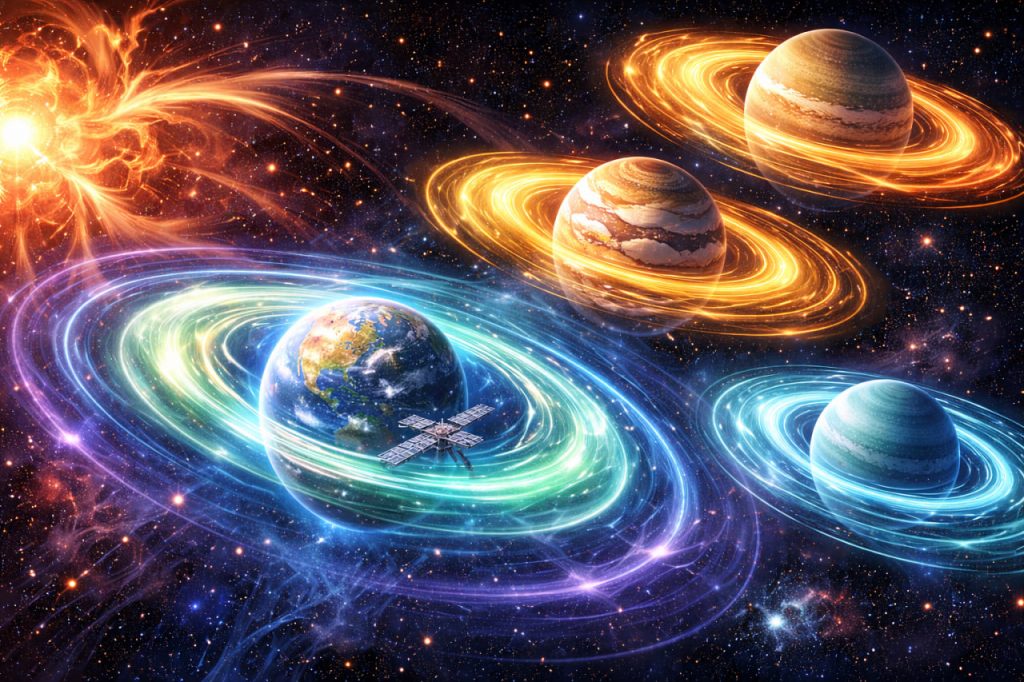
Radiation belts are regions surrounding planets where charged particles are trapped by magnetic fields, forming invisible yet powerful zones of energy. The most well-known example is Earth’s Van Allen radiation…
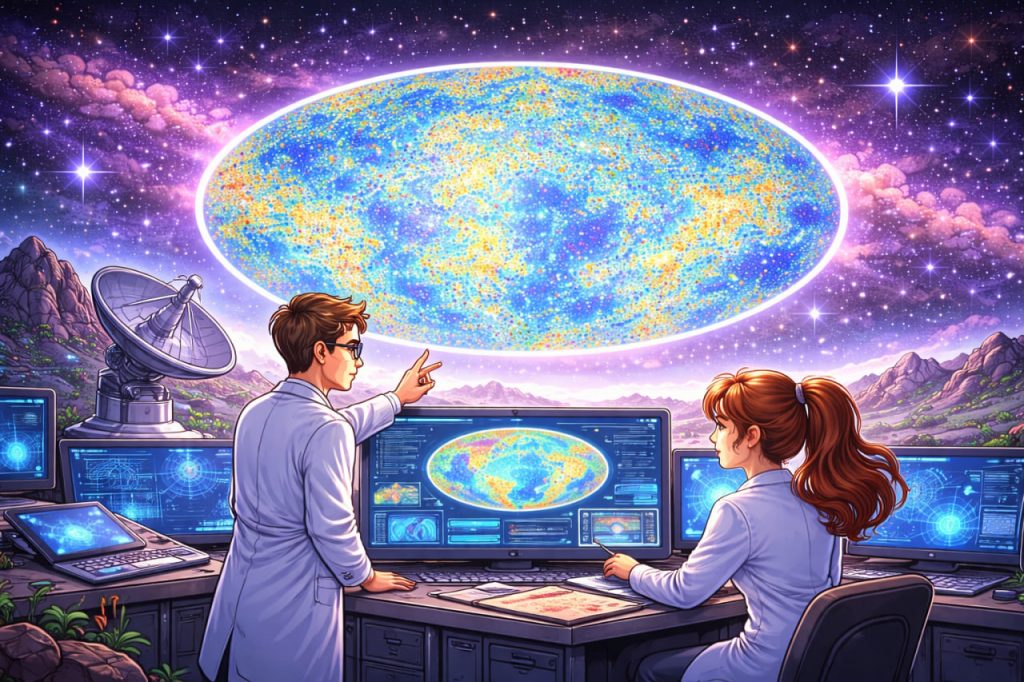
The cosmic microwave background (CMB) is one of the most important discoveries in modern cosmology, often described as the afterglow of the Big Bang. It is a faint radiation that…
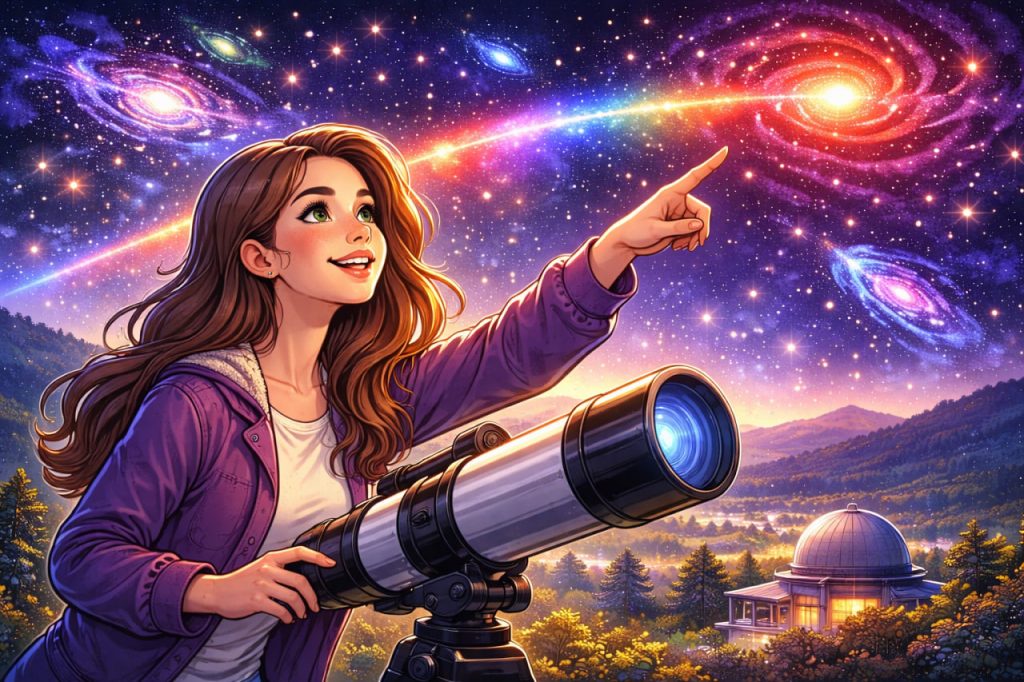
Redshift is one of the most important concepts in modern astronomy, helping scientists understand how the universe is expanding and evolving over time. It refers to the phenomenon where light…
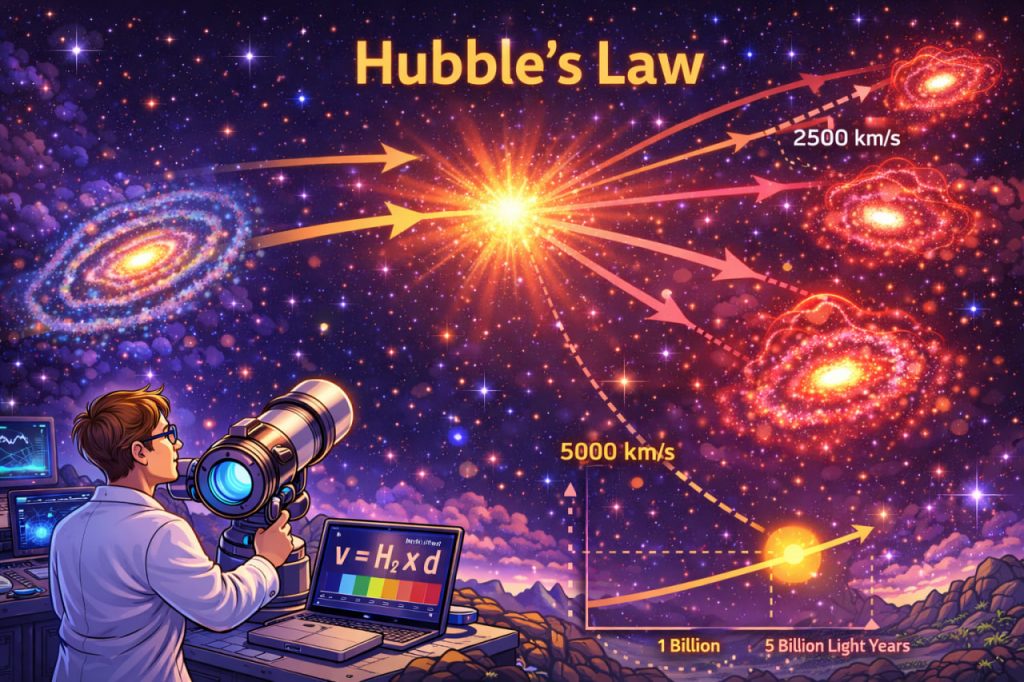
Hubble’s Law is one of the most important discoveries in modern astronomy, revealing that the universe is continuously expanding. It describes the relationship between the distance of galaxies and the…
Galaxies are vast systems of stars, gas, dust, and dark matter, but not all of them shine with the same intensity. Some galaxies, known as “quenched” or “dead galaxies,” have…