Skip to content
Science Observer

Useful articles about our universe and science

  • Home

Solar System

  • Home
  • Solar System
  • Page 3
Interesting Facts About Mercury
Posted inSolar System Space Stories Universe

Interesting Facts About Mercury

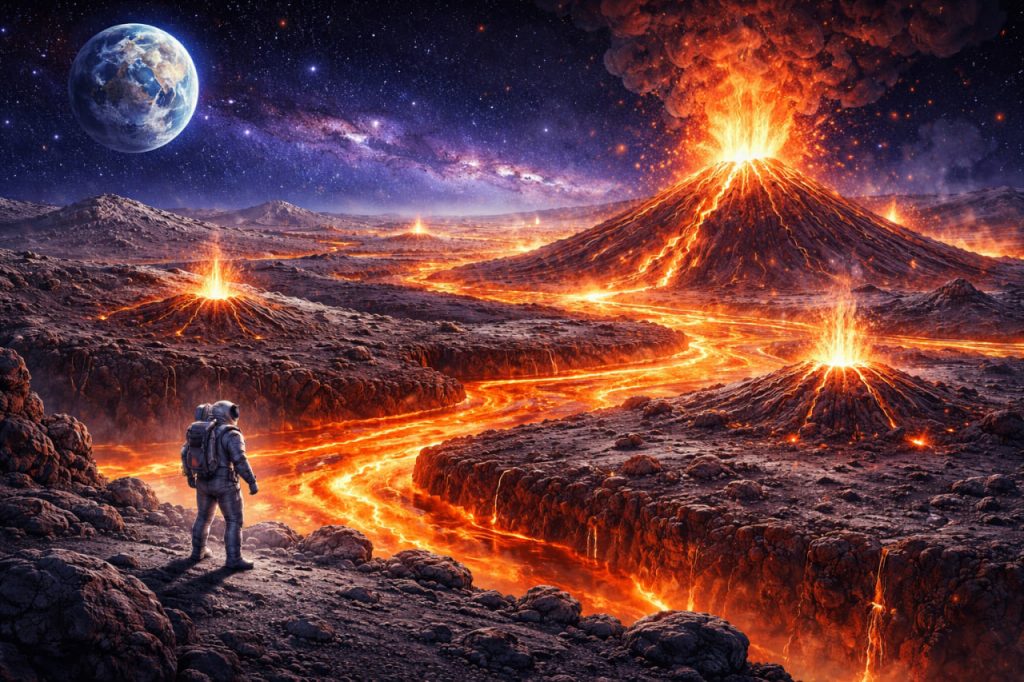
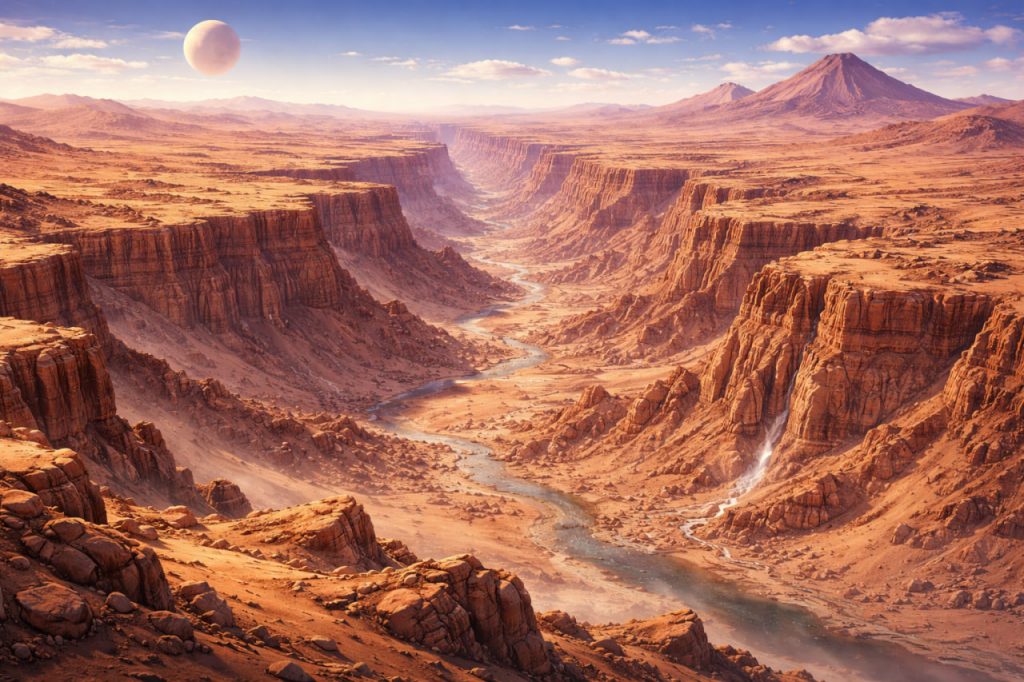
Mercury, the smallest planet in our solar system, is full of fascinating mysteries. Despite being closest to the Sun, it remains one of the least explored planets. Its extreme conditions,…
Posted by deka August 27, 2025
Why the Hubble Telescope Is Important
Posted inCosmic Innovations Hi-Tech New Discoveries

Why the Hubble Telescope Is Important

The Hubble Space Telescope is one of the most significant scientific instruments ever built, transforming our understanding of the universe. Launched in 1990 and orbiting outside Earth’s atmosphere, it avoids…
Posted by deka August 26, 2025
Can We Colonize Moons?
Posted inCosmic Innovations Solar System Space Stories

Can We Colonize Moons?

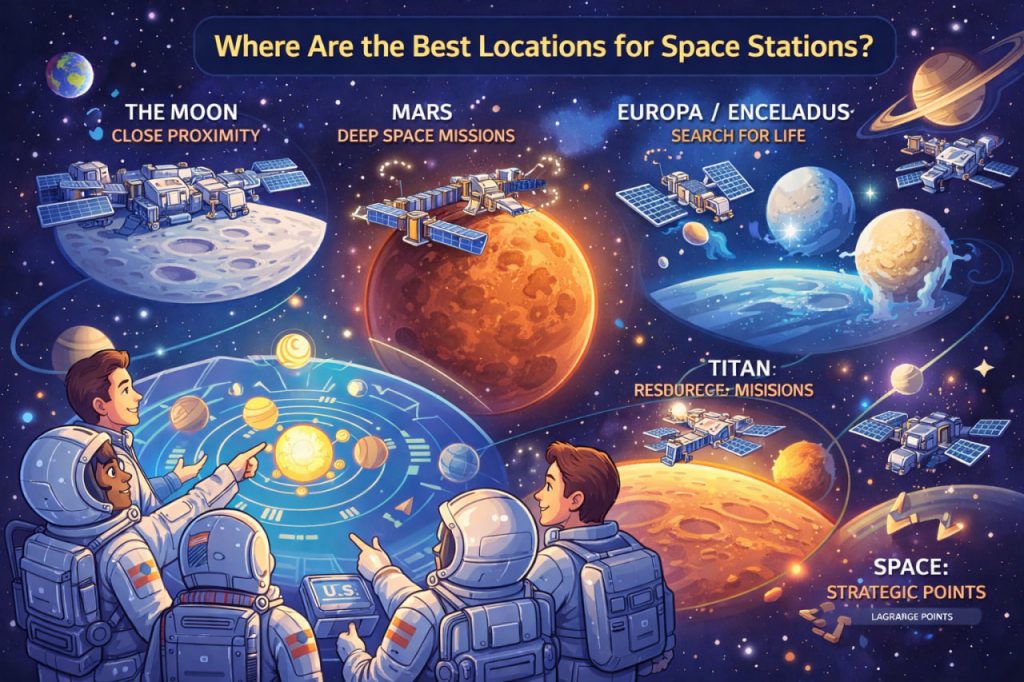
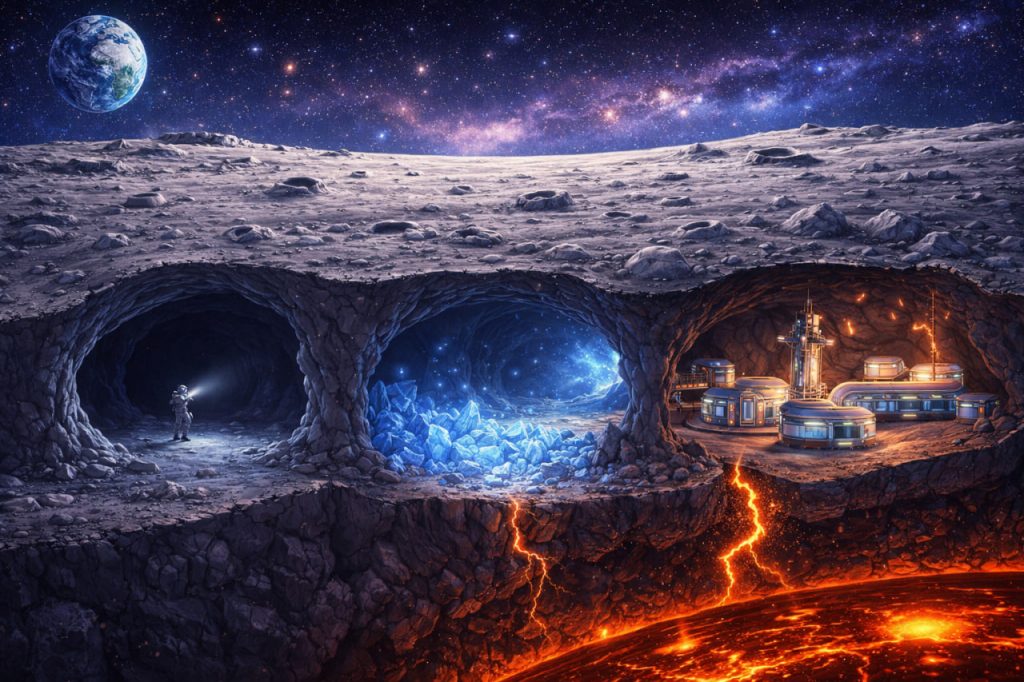
Colonizing moons has long fascinated scientists, engineers, and visionaries. Unlike planets, moons often present unique advantages and challenges for human settlement. Some moons in our solar system—such as Earth’s Moon,…
Posted by deka August 26, 2025
Why Saturn Is the Lightest Gas Giant
Posted inSolar System Space Stories Universe

Why Saturn Is the Lightest Gas Giant

Saturn, the sixth planet from the Sun, is unique among the gas giants because it is the least dense of them all. In fact, Saturn’s average density is so low…
Posted by deka August 26, 2025
What Space Debris Is Dangerous?
Posted inCosmic Innovations Solar System Space Stories

What Space Debris Is Dangerous?

Space debris, also called space junk, refers to non-functional satellites, rocket parts, and fragments left behind from past missions orbiting Earth. As humanity launches more satellites and spacecraft, the number…
Posted by deka August 18, 2025
Where Does Space Begin?
Posted inEarth & Moon Solar System Space Stories

Where Does Space Begin?

When we look up at the sky, it may seem like space begins just beyond the clouds. But scientifically defining where Earth ends and space begins is far more complex.…
Posted by deka August 5, 2025
Why Scientists Study Jupiter’s Icy Moons
Posted inSolar System Space Stories Universe

Why Scientists Study Jupiter’s Icy Moons

Jupiter is not just the largest planet in our solar system — it's also a host to dozens of fascinating moons, including several that are covered in ice. These icy…
Posted by deka August 5, 2025
What Are Asteroid Belts?
Posted inSolar System Space Stories Universe

What Are Asteroid Belts?

The asteroid belt is a vast region in space filled with rocky objects of various sizes orbiting the Sun. These objects, called asteroids, are remnants from the early formation of…
Posted by deka August 5, 2025
Why Venus Is a Evil Planet
Posted inSolar System Space Stories Universe

Why Venus Is a Evil Planet

Although similar in size and composition to Earth, Venus is often described as our planet’s evil twin. With scorching temperatures, crushing atmospheric pressure, and acidic clouds, Venus is one of…
Posted by deka July 24, 2025
The History of Moon Exploration
Posted inHistory Solar System Universe

The History of Moon Exploration

The Moon, Earth’s closest celestial neighbor, has fascinated humanity since ancient times. For centuries, it was the subject of myths, calendars, and early astronomical observations. But in the last century,…
Posted by deka July 24, 2025

Posts navigation

Previous page 1 2 3 4 5 Next page
Recent Posts
  • Airships: History and Modern Revival
  • The Future of Airship Construction
  • Plastic and Electrostatic Charge
  • Alfvén Waves
  • What Is Plasma
Categories
  • AI
  • AI & Ethics
  • Be Smart
  • Bioengineering
  • Cosmic Innovations
  • Earth & Moon
  • Hi-Tech
  • History
  • Inventions
  • Neuro-Tech
  • New Discoveries
  • Science
  • Smart Home
  • Smart Technology
  • Solar System
  • Space Stories
  • Star Wars
  • Tesla
  • Universe
  • What if?
Copyright 2026 — Science Observer. All rights reserved. Bloghash WordPress Theme
Scroll to Top