Mercury is one of the most unusual elements in nature. It is the only metal that exists in a liquid state at room temperature, giving it a unique appearance and…
The cosmic microwave background (CMB) is one of the most important discoveries in modern cosmology, often described as the afterglow of the Big Bang. It is a faint radiation that…
Redshift is one of the most important concepts in modern astronomy, helping scientists understand how the universe is expanding and evolving over time. It refers to the phenomenon where light…
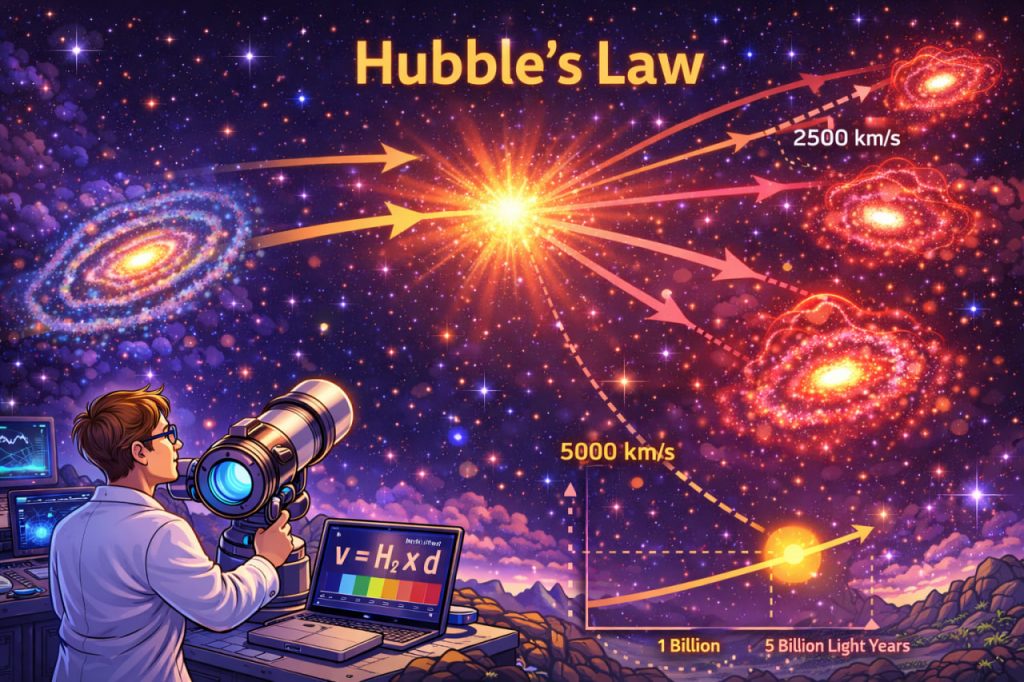
Hubble’s Law is one of the most important discoveries in modern astronomy, revealing that the universe is continuously expanding. It describes the relationship between the distance of galaxies and the…
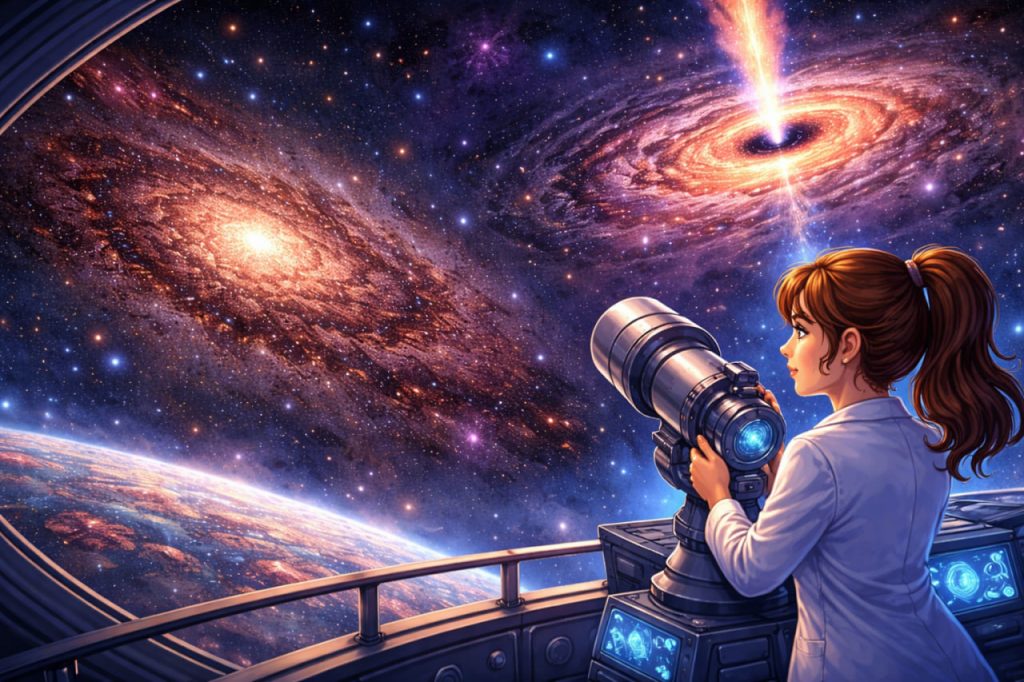
Galaxies are vast systems of stars, gas, dust, and dark matter, but not all of them shine with the same intensity. Some galaxies, known as “quenched” or “dead galaxies,” have…
Metal cans are a common part of everyday life, used to store food, drinks, and many other products. Despite their simple appearance, they are made using carefully engineered materials designed…
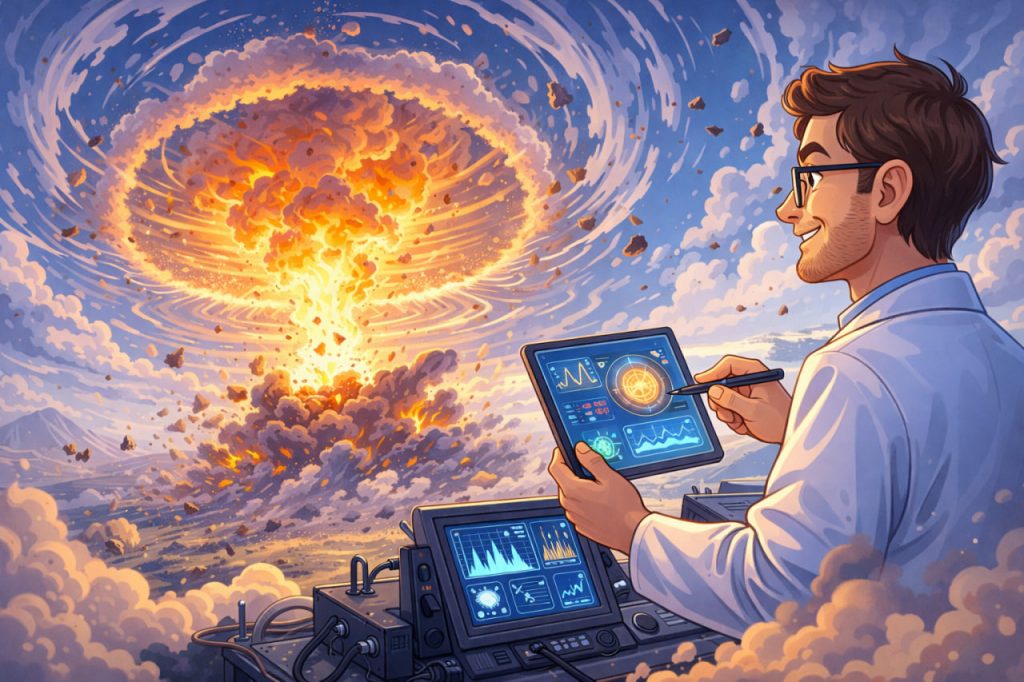
A shock wave is a powerful physical phenomenon that occurs when a disturbance moves through a medium faster than the speed of sound. Unlike ordinary sound waves, shock waves involve…
A phase transition is a fundamental physical process in which a substance changes from one state of matter to another, such as from solid to liquid or liquid to gas.…
Boiling is a fundamental physical process that occurs when a liquid transforms into vapor throughout its entire volume. Unlike evaporation, which happens only at the surface, boiling involves the formation…
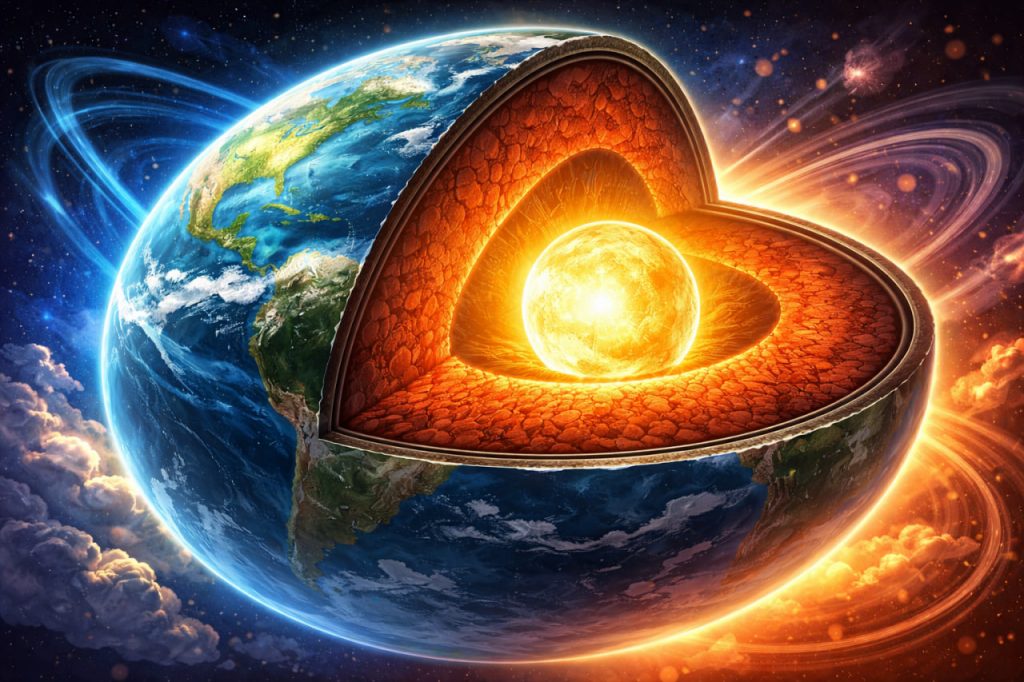
The interior of Earth is one of the most mysterious and fascinating parts of our planet. Although we cannot directly observe it, scientists have developed detailed models of its structure…