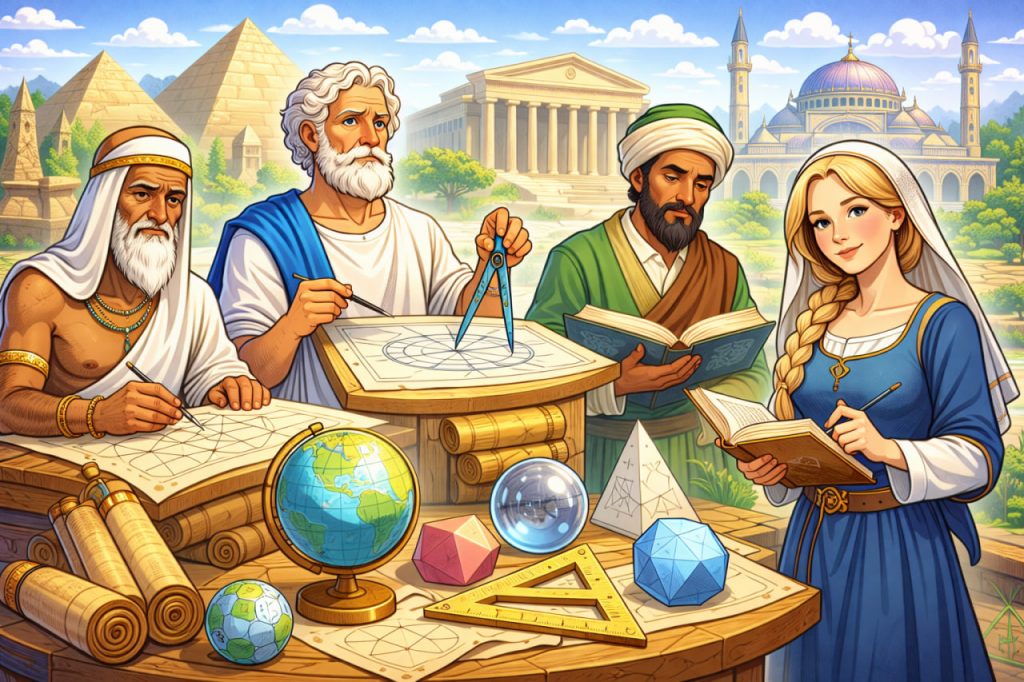
The history of geometry reflects humanity’s long effort to understand space, shape, and order in the world around us. From the earliest markings on stone and sand to abstract mathematical…
Omar Khayyam is widely known to the modern world as a poet, yet his scientific legacy is just as remarkable as his literary one. Living during the Islamic Golden Age,…
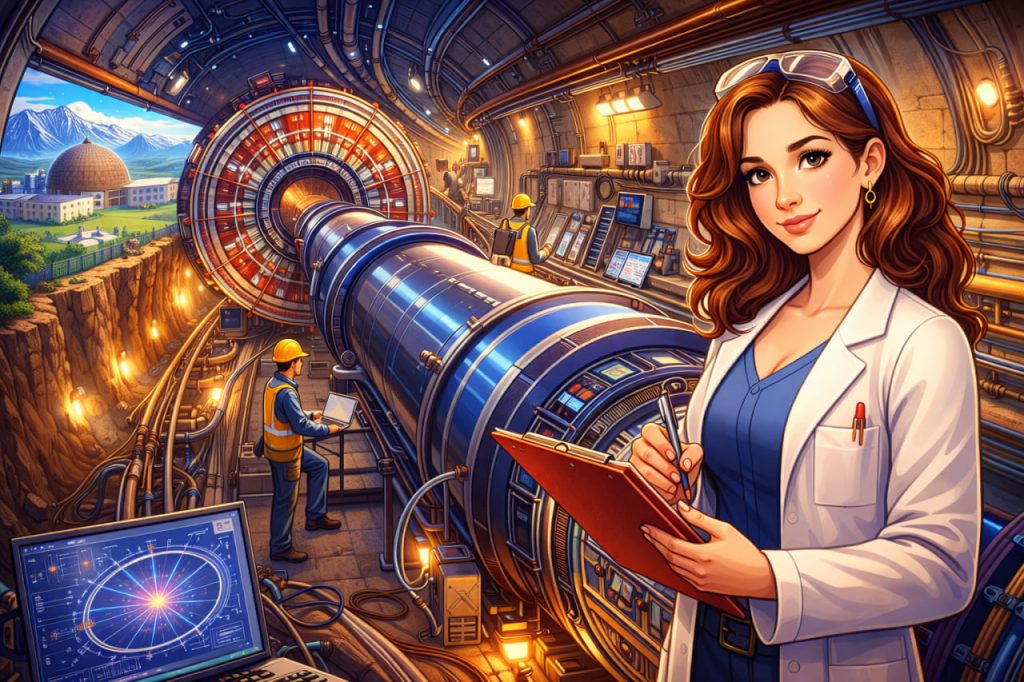
The Large Hadron Collider (LHC) is the most powerful particle accelerator ever built and one of the most complex scientific instruments in human history. Its creation was not a single…
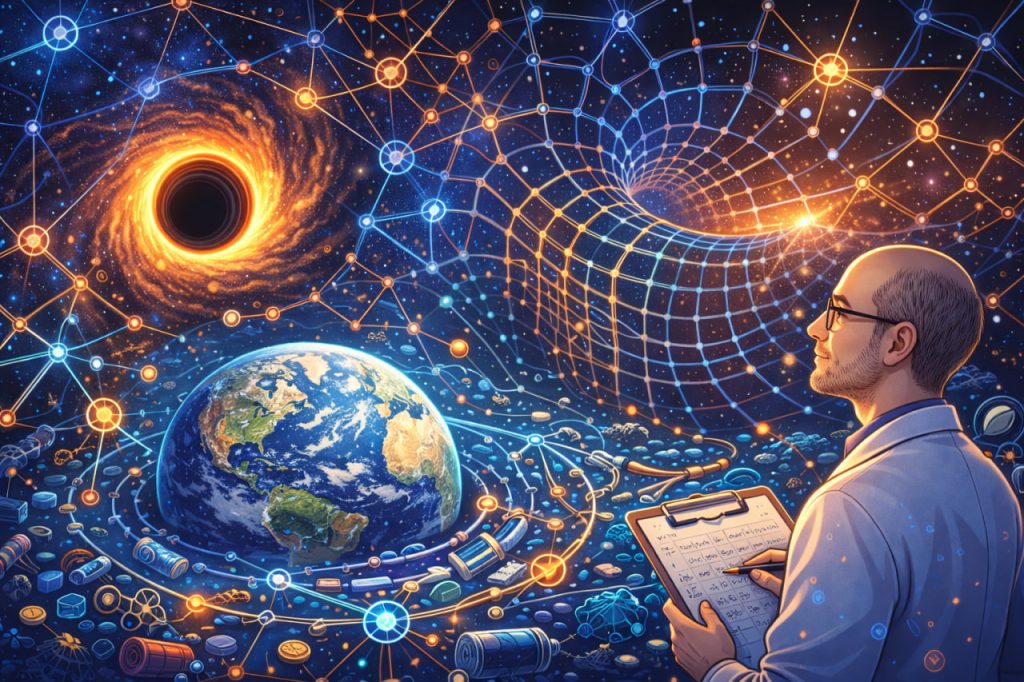
Loop quantum gravity is one of the leading theoretical attempts to unify quantum mechanics with general relativity. Unlike approaches that add extra dimensions or rely on unobserved entities, this theory…
Wireless phone charging may look like a simple and almost magical process, but behind it lies well-understood physics and carefully engineered technology. Instead of transferring electricity through a cable, wireless…
White holes are one of the most intriguing and speculative concepts in modern theoretical physics. Unlike black holes, which trap everything that crosses their event horizon, white holes are imagined…
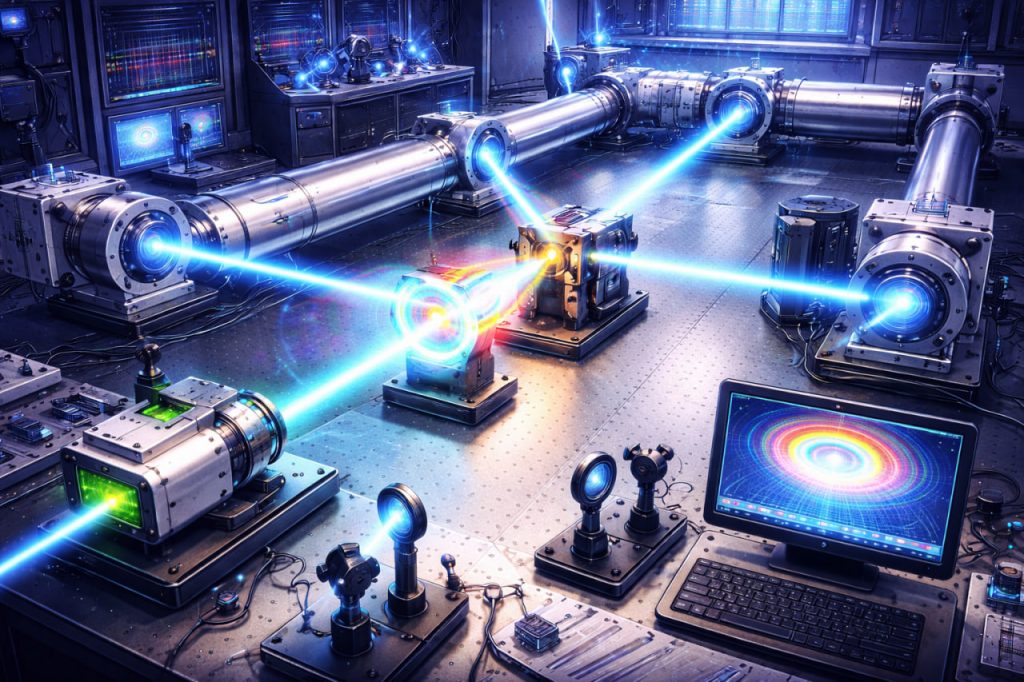
Interferometers are among the most precise scientific instruments ever created, designed to detect changes so small they are almost impossible to imagine. They work by comparing waves—most commonly light or…
The rapid development of artificial intelligence has sparked widespread debate about the future of human work. As algorithms become capable of performing tasks once reserved for skilled professionals, concerns about…
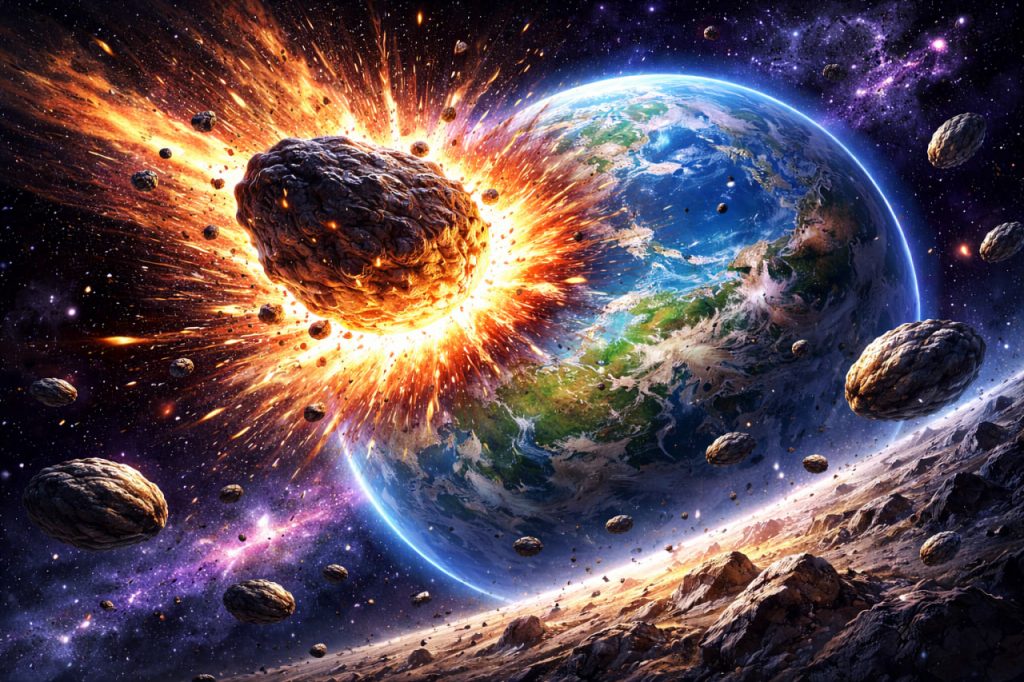
Collisions between planets and cosmic objects are among the most powerful and transformative events in the universe. Asteroids, comets, and even protoplanets have repeatedly reshaped planetary surfaces, atmospheres, and evolutionary…
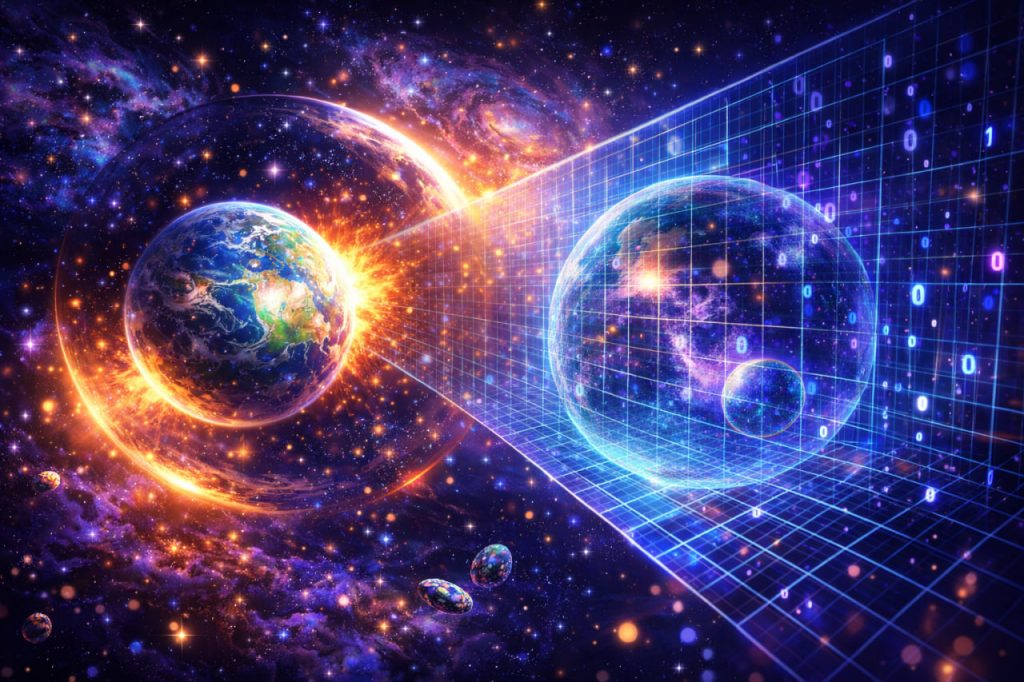
The holographic principle is one of the most radical ideas in modern theoretical physics, proposing that all the information contained within a volume of space can be fully described by…