The ether theory is one of the most important historical ideas in physics, illustrating how scientific understanding evolves over time. For centuries, scientists believed that space could not be truly…
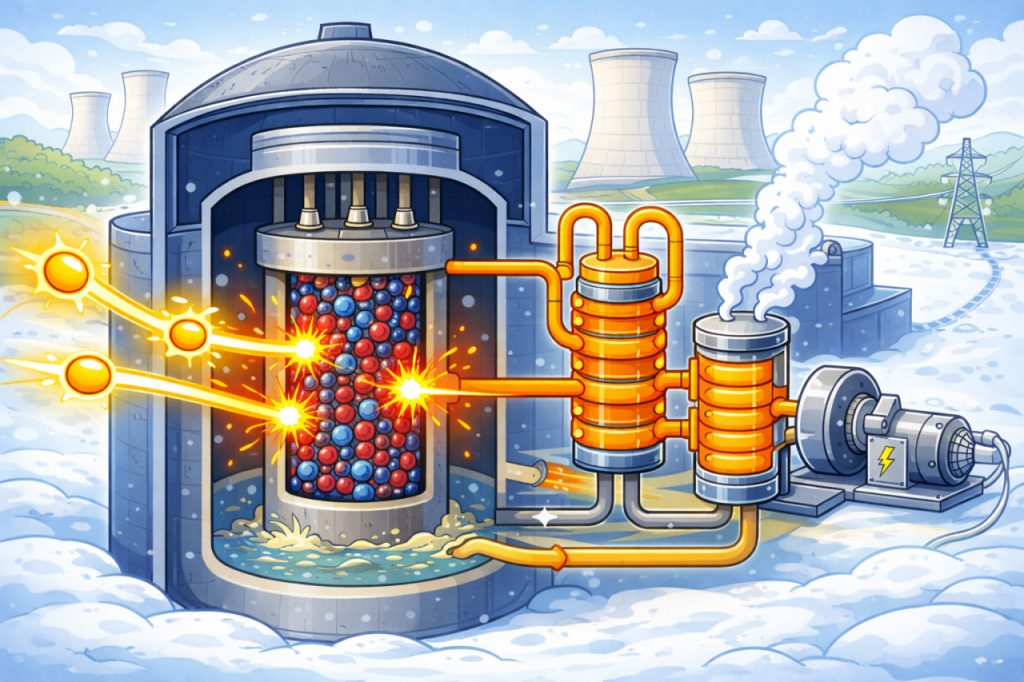
Fast neutron reactors are one of the most advanced and conceptually important technologies in nuclear energy. Unlike conventional nuclear reactors, they operate using fast (high-energy) neutrons rather than slowed, or…
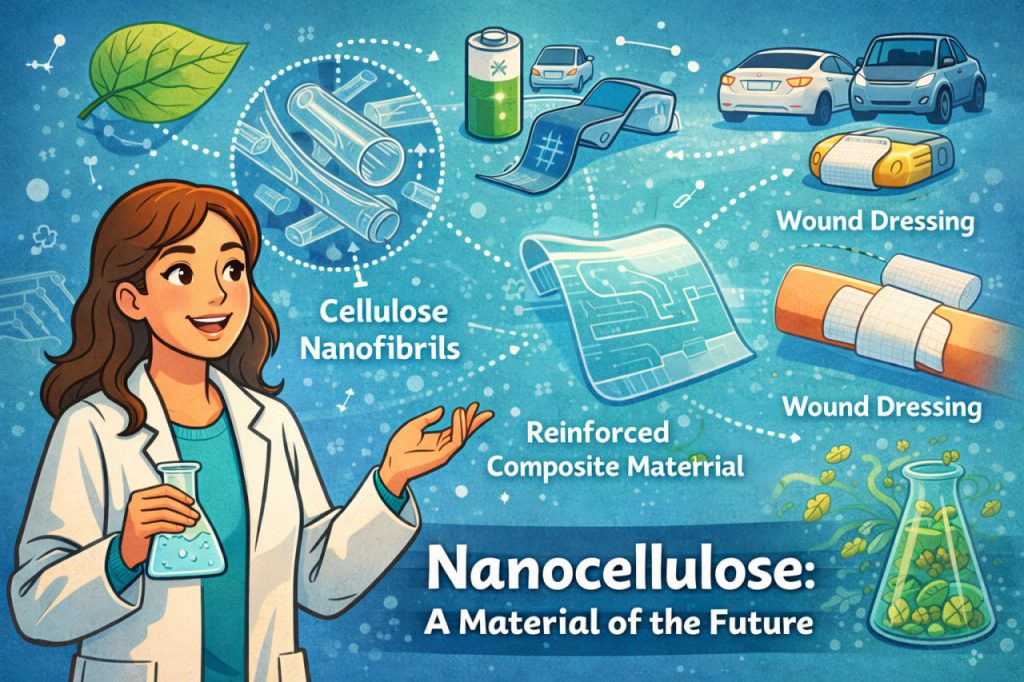
Nanocellulose is an advanced material derived from one of the most common natural substances on Earth — cellulose. Despite its natural origin, nanocellulose exhibits exceptional mechanical strength, low weight, and…
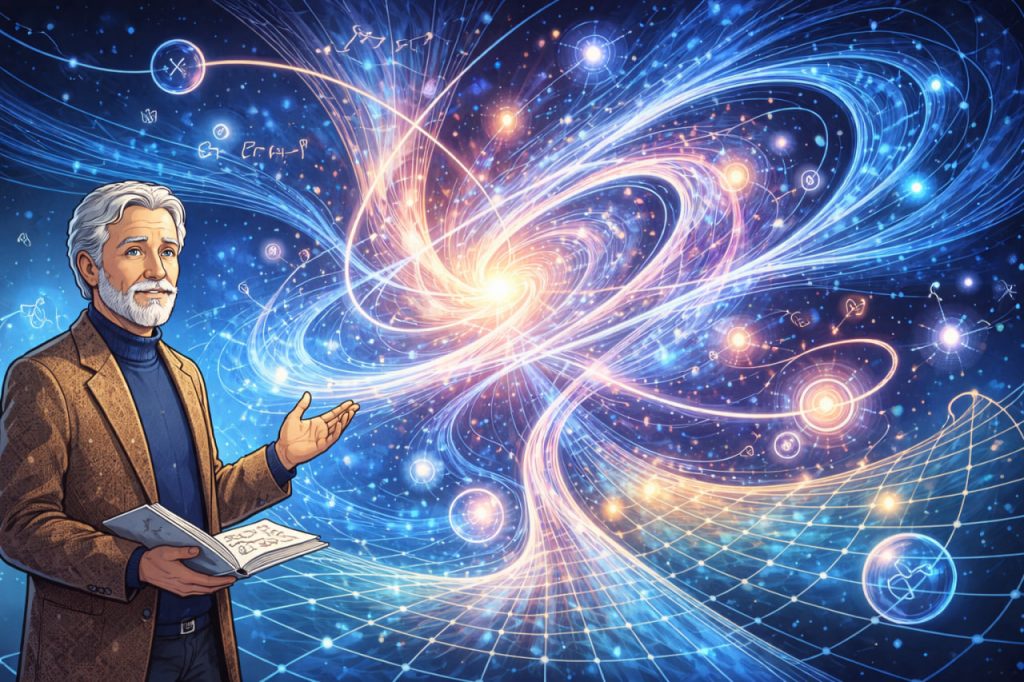
The theory of the physical vacuum proposed by Georgy Shipov represents one of the most controversial and unconventional concepts in modern theoretical physics. Unlike standard models that describe vacuum as…
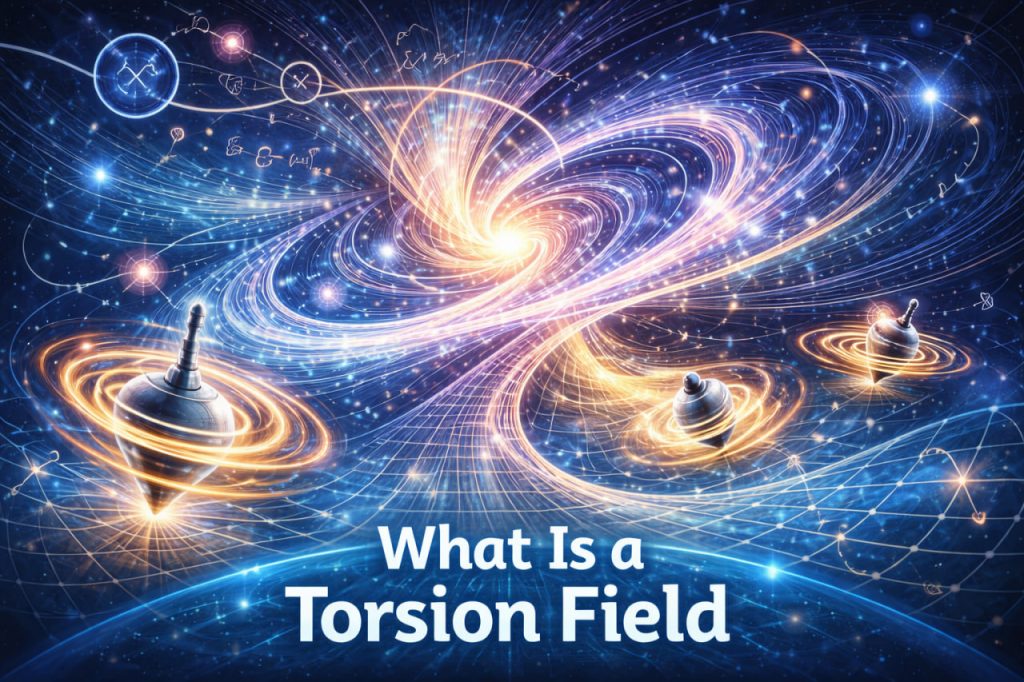
The concept of a torsion field is one of the most debated ideas at the boundary between theoretical physics and speculative science. It is often presented as an extension of…
The history of science is the story of how humanity gradually learned to understand the world through observation, experimentation, and reasoning. Long before modern laboratories and advanced instruments existed, people…
Ulexite is a rare and visually striking mineral that has fascinated scientists and collectors for over a century. Often referred to as the “television stone,” ulexite possesses unusual optical properties…
Magnetars are among the most extreme and mysterious objects known in astrophysics. They are a rare type of neutron star distinguished not by their mass or size, but by their…
A starquake is one of the most extreme seismic events known in astrophysics. Unlike earthquakes on Earth, starquakes occur on neutron stars, where gravity, density, and magnetic forces reach extraordinary…
Quasars are among the brightest and most energetic objects ever observed in the universe. Although they appear as point-like sources of light, quasars are not stars but the active cores…